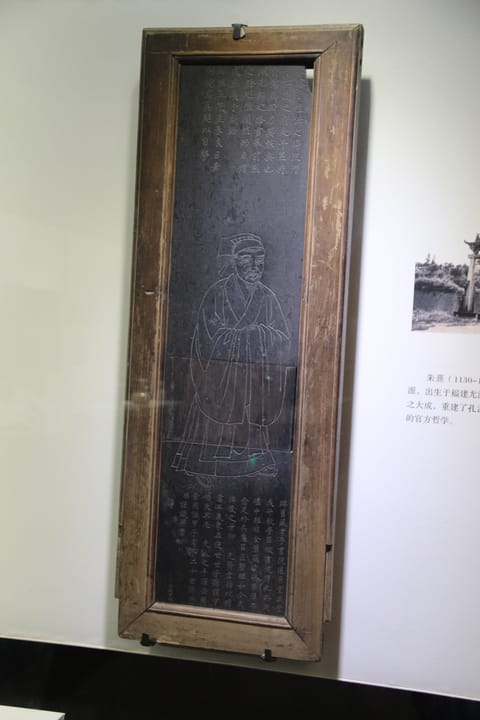
Virtual Memorial
Zhu Xi
A Memory Realm virtual memorial place honoring Zhu Xi, remembered for Neo-Confucianism, Philosophy, Classical commentary.
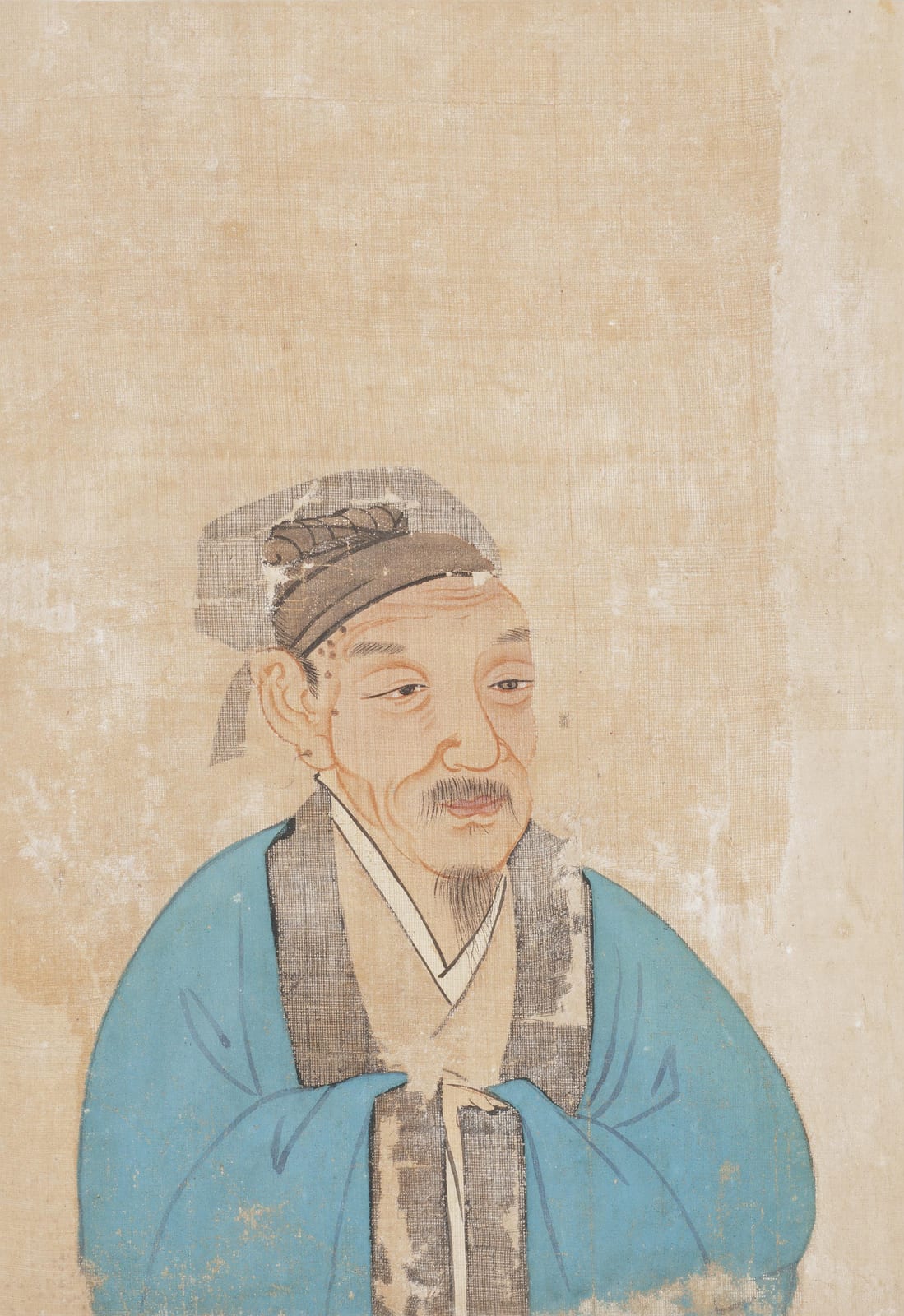
Why Zhu Xi Is Remembered
Zhu Xi is remembered for neo-confucianism, philosophy, classical commentary. This public page gives visitors a concise starting point for understanding why this figure remains part of cultural, civic, scientific, or literary memory.
The page is designed as an accessible introduction rather than an exhaustive account, with source links and image credits kept visible for further reading.
A Virtual Memorial in Memory Realm
This Memory Realm memorial hall turns a map reference into a virtual place for discovery. Visitors can move from the public page to the map and then into a 3D memorial hall connected to Zhu Xi.
The place is part of Memory Realm's virtual layer. It is not a physical marker and does not claim rights, control, access, endorsement, or affiliation connected to a real-world site.
Place Context
Wuyishan, Fujian, China is used as a broad spatial reference for this memorial hall because it is connected to Zhu Xi's story, memory, or public legacy. The location is intentionally city-level or region-level so the page can provide orientation without implying a claim over a specific property or institution.
Historical Context
Zhu Xi, formerly romanized Chu Hsi, was a Chinese philosopher, historian, politician, poet, and calligrapher of the Southern Song dynasty. As a leading figure in the development of Neo-Confucianism, Zhu Xi played a pivotal role in shaping the intellectual foundations of later imperial China. He sought to integrate moral self-cultivation, classical interpretation, ritual practice, and cosmological theory into a coherent framework, emphasizing disciplined study and ethical cultivation while criticizing approaches—particularly within contemporary Buddhist traditions—that claimed immediate insight detached from ritual, learning, and moral practice. His extensive commentaries and editorial work on the Four Books became the core texts of the imperial civil service examinations from 1313 until their abolition in 1905. He advanced a rigorous philosophical methodology known as the "investigation of things" (格物) and emphasized meditation as an essential practice for moral and intellectual self-cultivation. Zhu Xi's thought exerted profound influence, becoming the official state ideology of China from the Yuan dynasty onward, and was later adopted in other East Asian countries such as Japan, Korea, and Vietnam. In these regions, his Neo-Confucian doctrines were institutionalized through educational systems and civil service examinations, shaping political ideologies, social hierarchies, and cultural values for centuries.
Memory Realm presents this context for educational discovery and remembrance, with public source links and media attribution preserved alongside the page content.
Photos
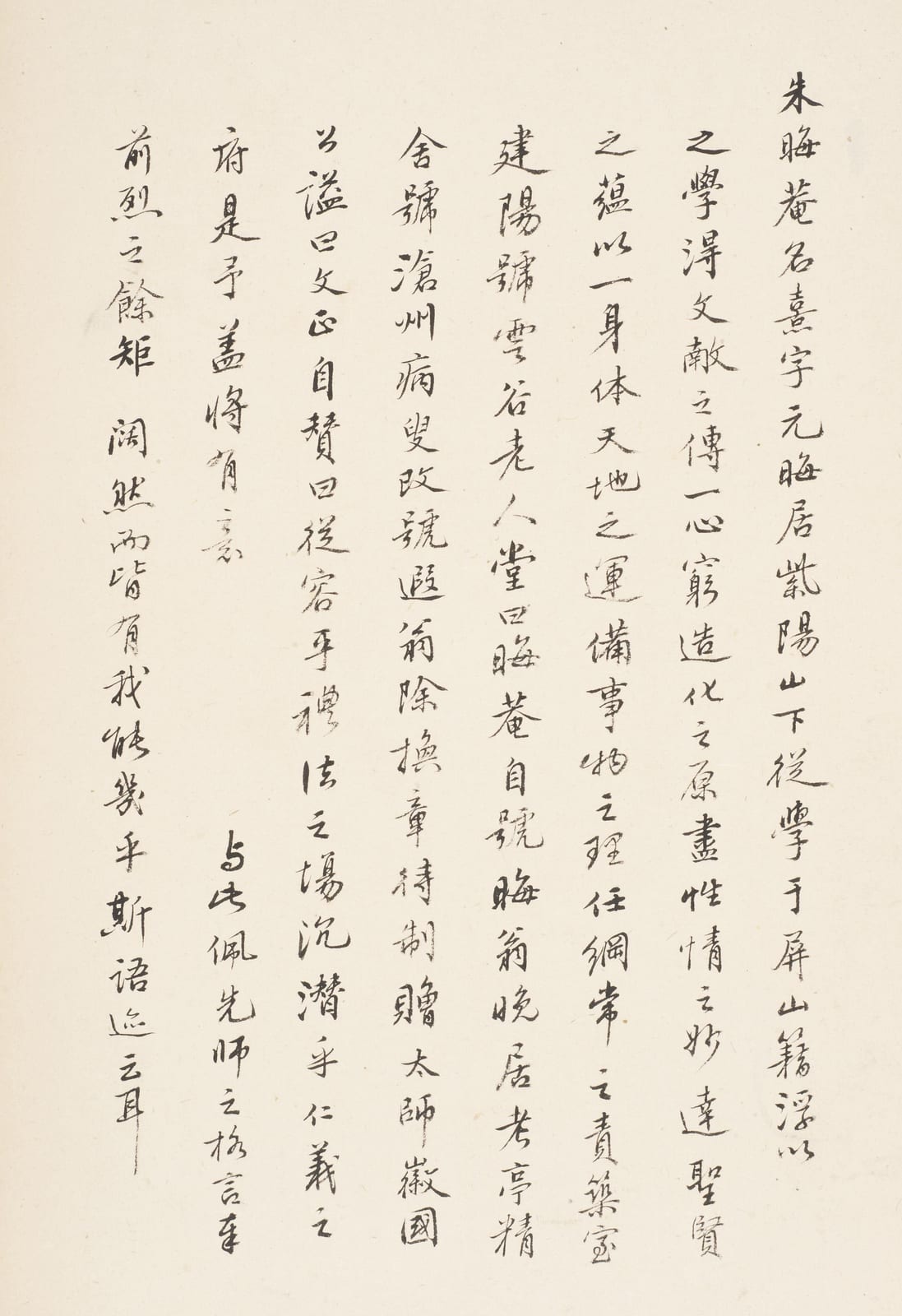
Portraits of Famous Men - Zhu Xi 2
Unknown Chinese artist, https://www.philamuseum.org/collection/object/42765, Public domain, via Wikimedia Commons
Source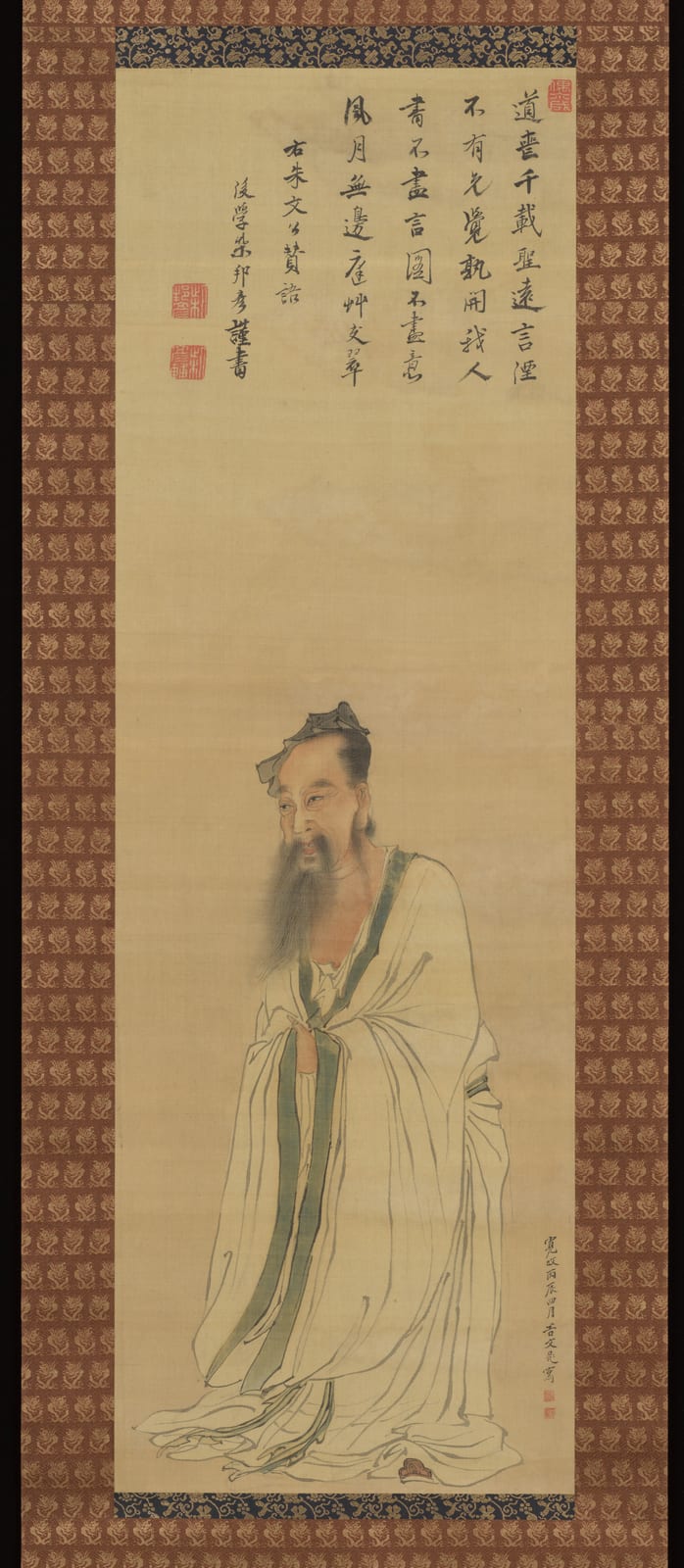
Tani Bunchō 谷文晁 - Portrait of Zhu Xi 朱熹像 (Shuki zō) - 2023.583.27 - Metropolitan Museum of Art
Tani Bunchō, Metropolitan Museum of Art, Public domain, via Wikimedia Commons
Source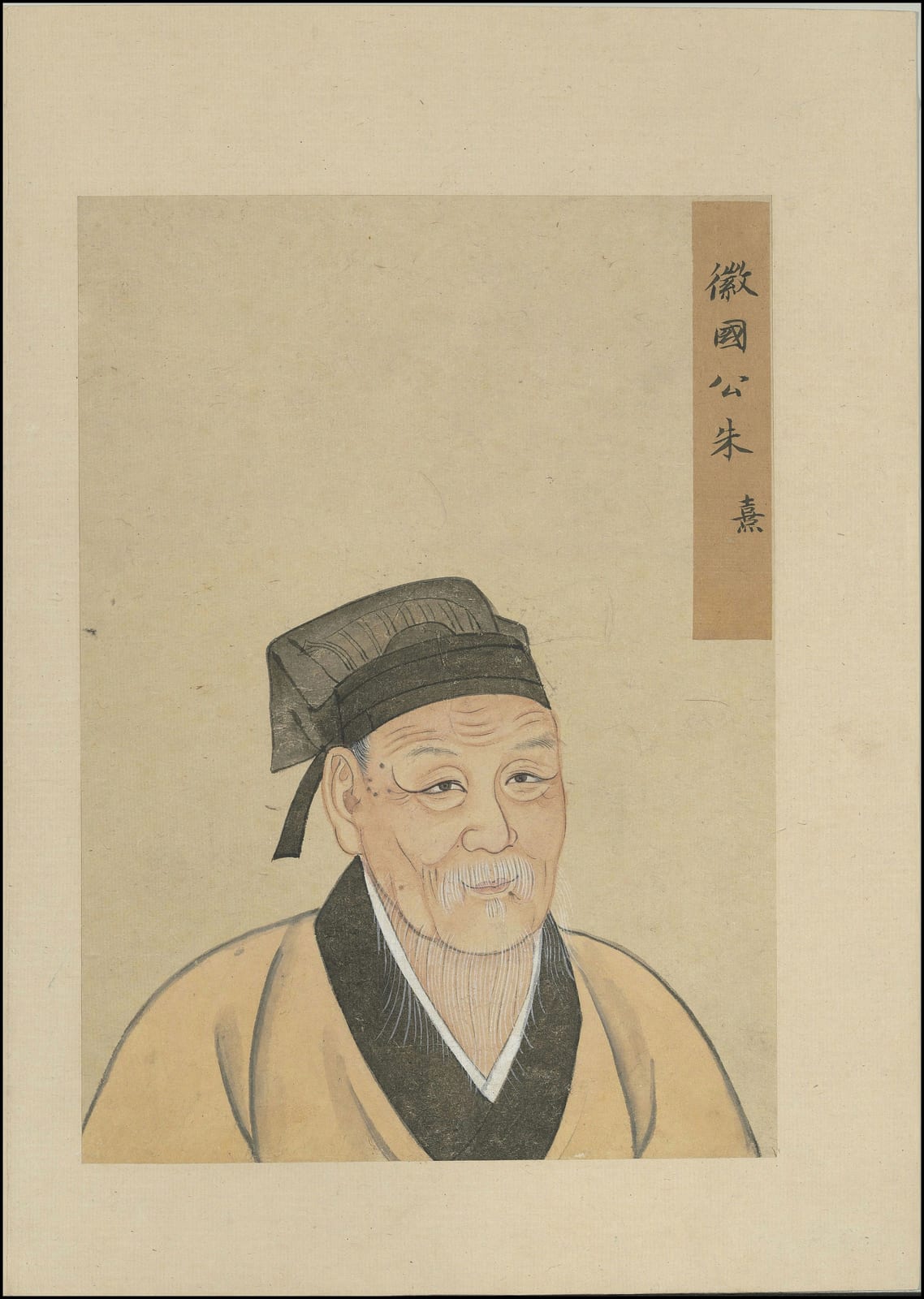
至聖先賢半身像 冊,南薰殿旧藏,现藏于台北故宫博物院
Anonymous Unknown author, Digitized by National Palace Museum; file is directly from Shuge, Public domain, via Wikimedia Commons
SourceSources
Related Memorials
Muhammad Iqbal
Lahore, Pakistan
A Memory Realm virtual memorial place honoring Muhammad Iqbal, remembered for Urdu poetry, Philosophy, Pakistan movement.
Plato
Athens, Greece
A Memory Realm virtual memorial place honoring Plato, remembered for Philosophy, Academy, Dialogues.
Giordano Bruno
Nola, Italy
A Memory Realm virtual memorial place honoring Giordano Bruno, remembered for Philosophy, Cosmology, Free thought.
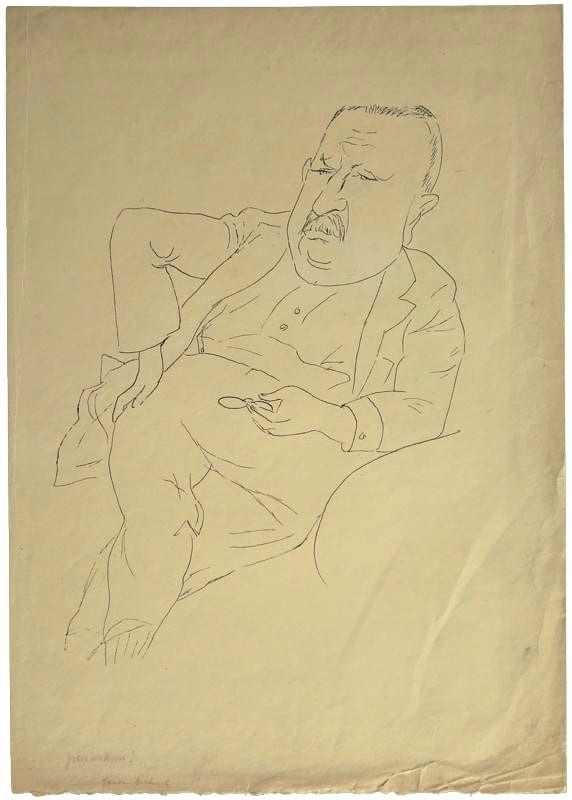
Benedetto Croce
Naples, Italy
A Memory Realm virtual memorial place honoring Benedetto Croce, remembered for Philosophy, Liberal thought, Aesthetics.
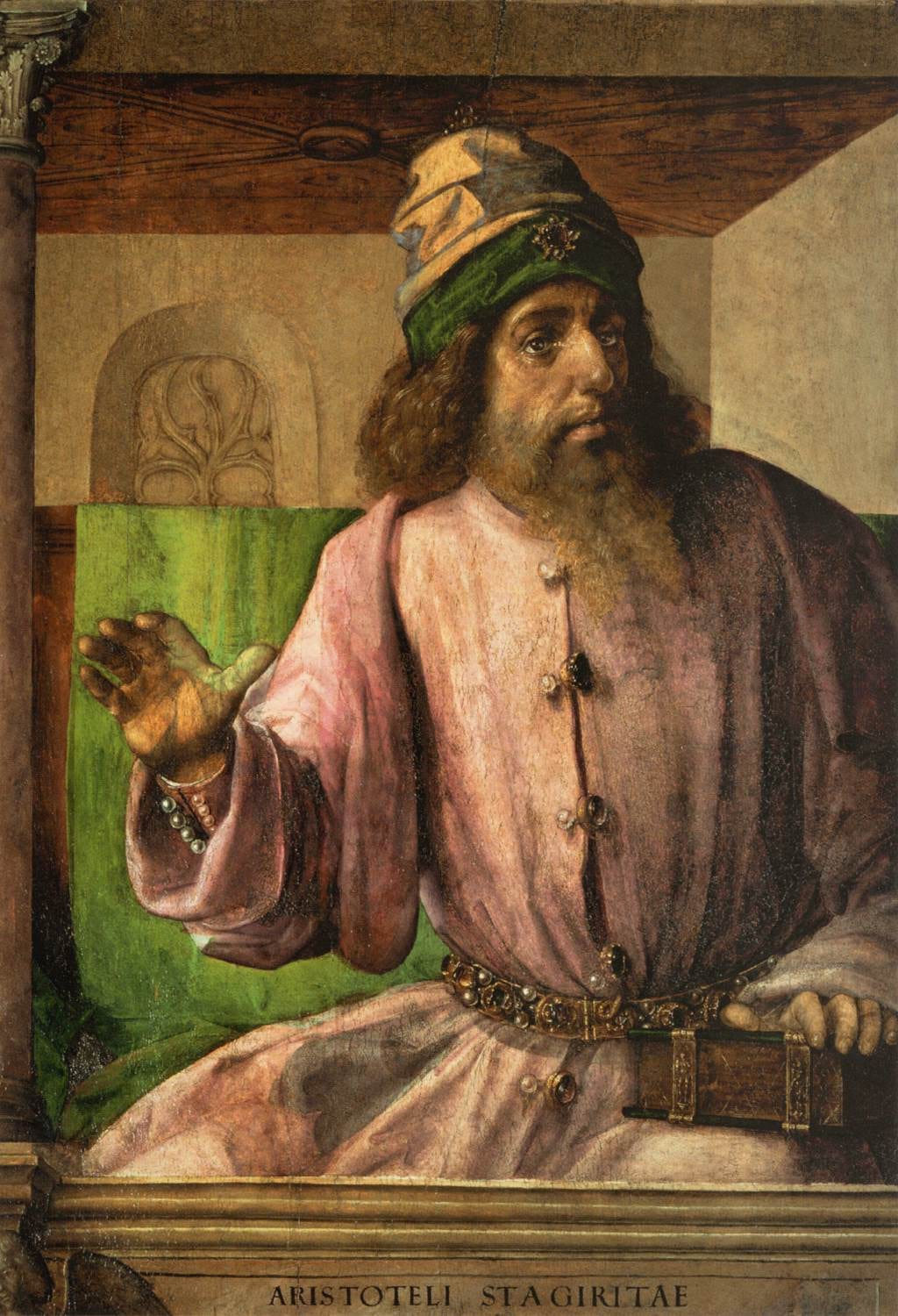
Aristotle
Athens, Greece
A Memory Realm virtual memorial place honoring Aristotle, remembered for Philosophy, Logic, Lyceum.
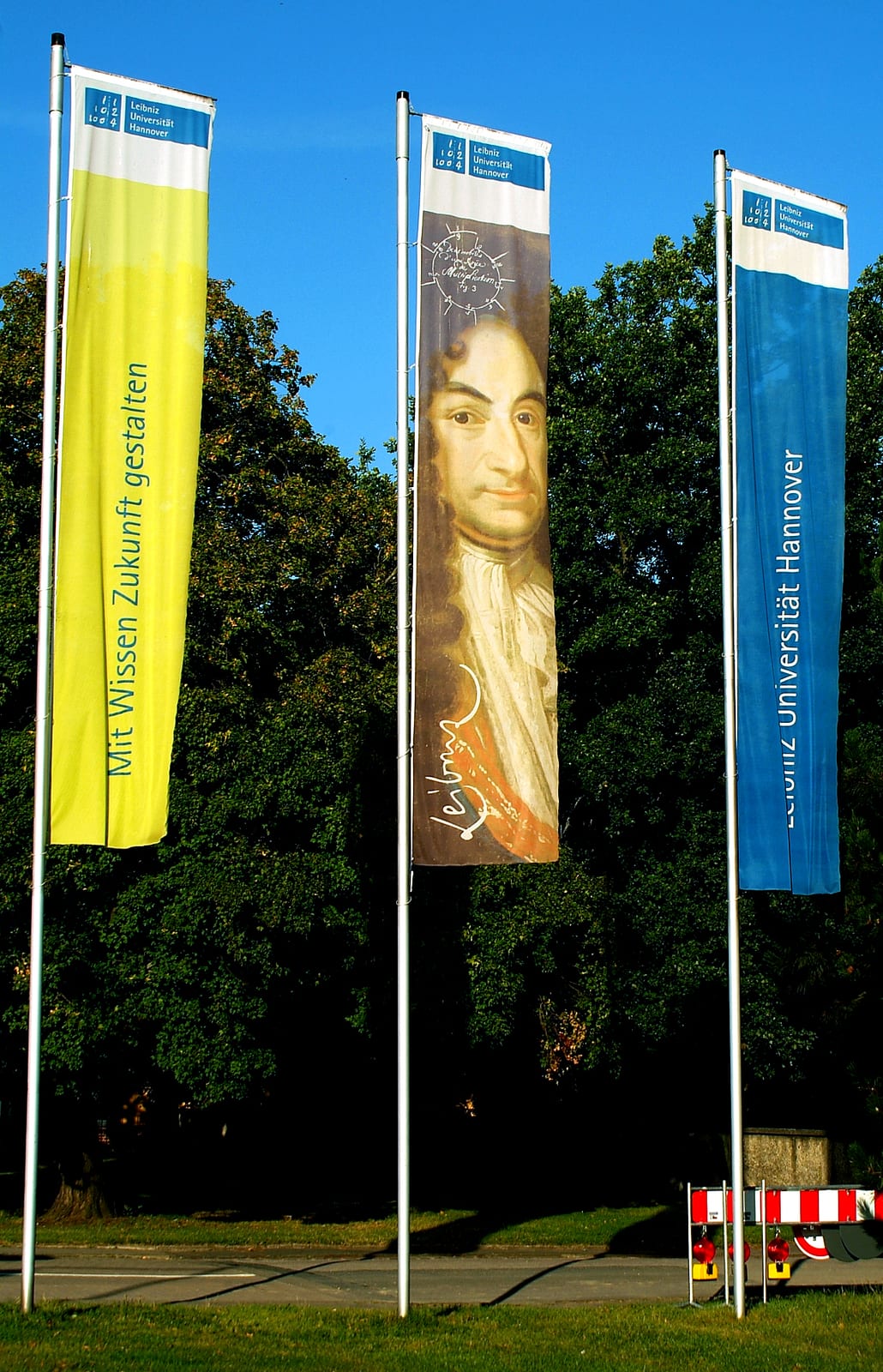
Gottfried Wilhelm Leibniz
Hanover, Germany
A Memory Realm virtual memorial place honoring Gottfried Wilhelm Leibniz, remembered for Calculus, Philosophy, Universal language.