Virtual Memorial
Uemura Shoen
A Memory Realm virtual memorial place honoring Uemura Shoen, remembered for Nihonga, Women artists in Japan, Bijinga.
Why Uemura Shoen Is Remembered
Uemura Shoen is remembered for nihonga, women artists in japan, bijinga. This public page gives visitors a concise starting point for understanding why this figure remains part of cultural, civic, scientific, or literary memory.
The page is designed as an accessible introduction rather than an exhaustive account, with source links and image credits kept visible for further reading.
A Virtual Memorial in Memory Realm
This Memory Realm memorial hall turns a map reference into a virtual place for discovery. Visitors can move from the public page to the map and then into a 3D memorial hall connected to Uemura Shoen.
The place is part of Memory Realm's virtual layer. It is not a physical marker and does not claim rights, control, access, endorsement, or affiliation connected to a real-world site.
Place Context
Kyoto, Japan is used as a broad spatial reference for this memorial hall because it is connected to Uemura Shoen's story, memory, or public legacy. The location is intentionally city-level or region-level so the page can provide orientation without implying a claim over a specific property or institution.
Historical Context
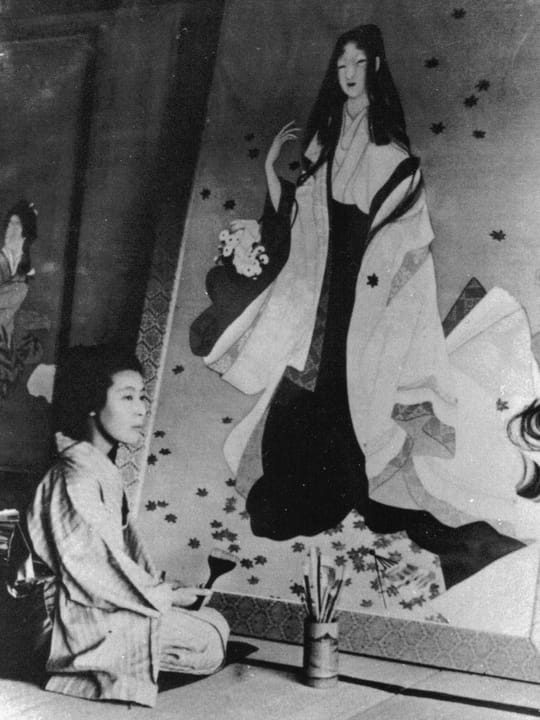
Uemura Shōen was the pseudonym of an artist in Meiji, Taishō and early Shōwa period Japanese painting. Her real name was Uemura Tsune. Shōen was known primarily for her bijin-ga, or paintings of beautiful women, in the nihonga style, although she produced numerous works on historical themes and traditional subjects. Shōen is considered a major innovator in the bijin-ga genre despite the fact she often still used it to depict the traditional beauty standards of women. Bijin-ga gained criticism during the Taisho era while Shōen worked due to its lack of evolution to reflect the more modern statuses of women in Japan. During bijin-ga's conception in the Tokugawa, or Edo, period, women were regarded as lower class citizens and the genre often reflected this implication onto its female subjects. Within the Taisho era, women had made several advancements into the Japanese workforce, and artistry specifically was becoming more popular outside of pass times for the elite, which opened way for Shōen's success. Shōen received many awards and forms of recognition during her lifetime within Japan, being the first female recipient of the Order of Culture award, as well as being hired as the Imperial Household's official artist, which had previously only employed one other official woman in the position. In 1949 she died of cancer just a year after receiving the Order of Culture Award.
Memory Realm presents this context for educational discovery and remembrance, with public source links and media attribution preserved alongside the page content.
Photos
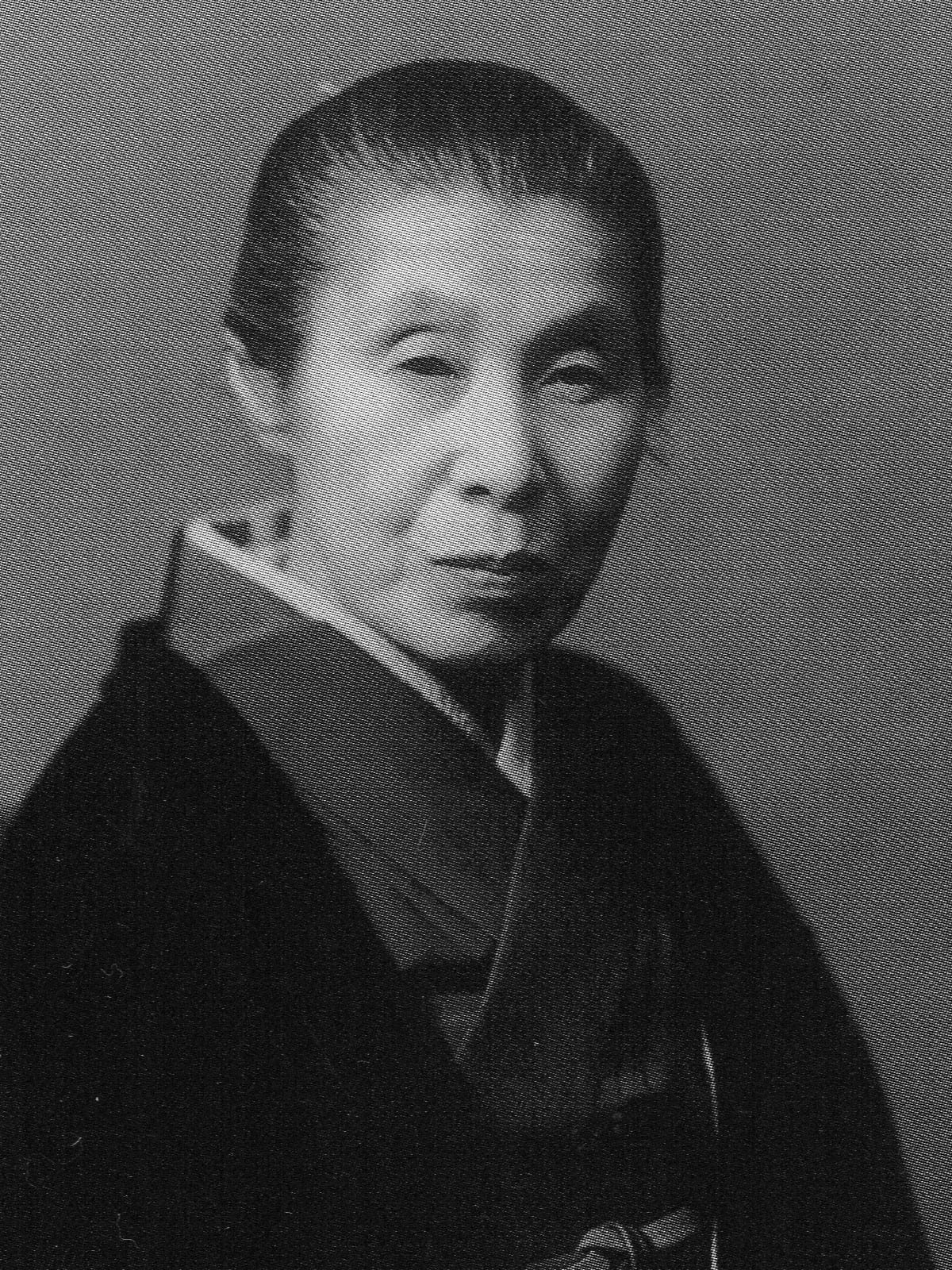
上村松園(1941年、帝国芸術院会員となったころ)
Unknown author Unknown author, 『別冊太陽 日本のこころ323 上村松園 凜として立つ』平凡社、2025年5月24日, Public domain, via Wikimedia Commons
Source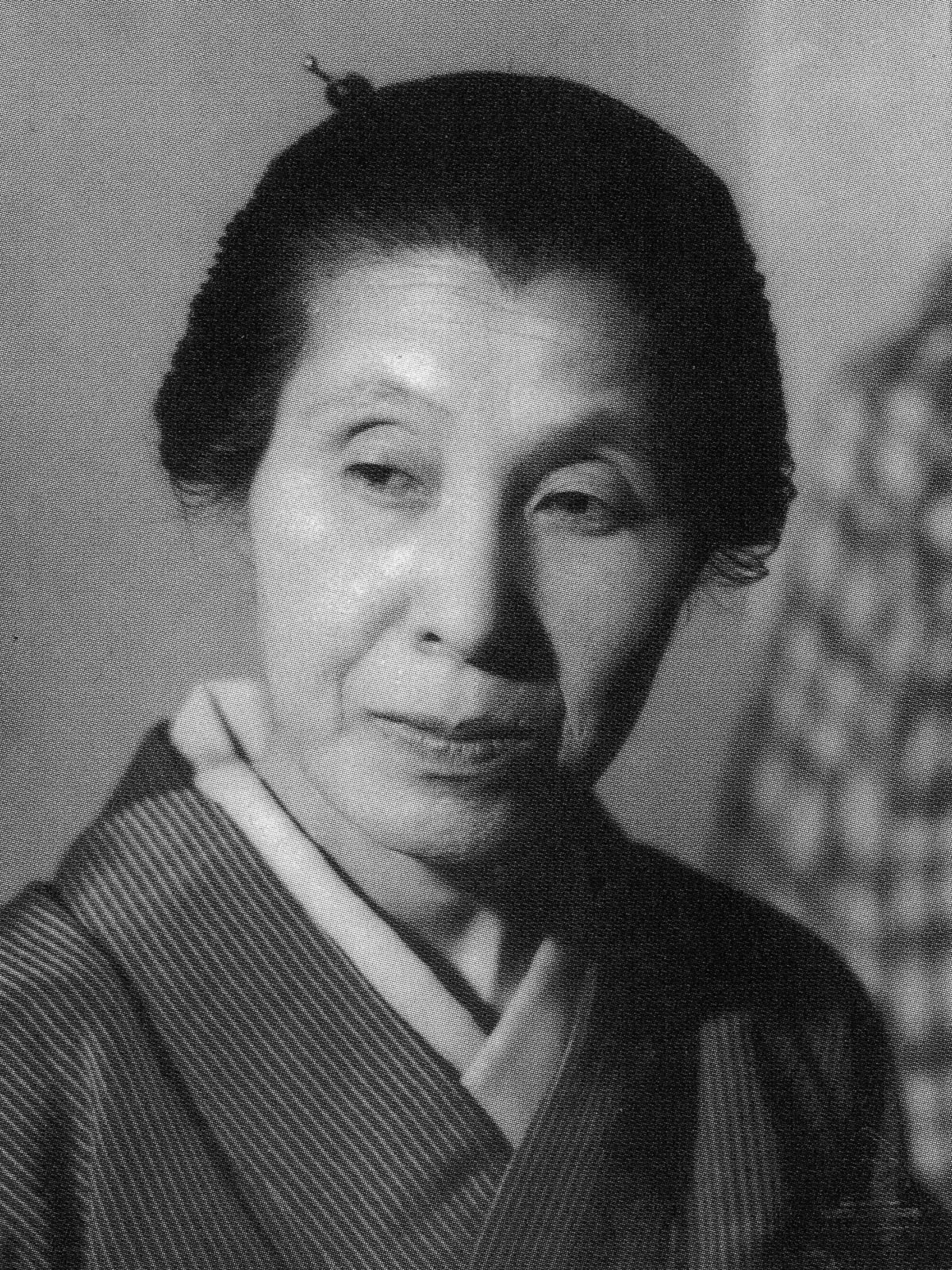
上村松園(1938年ごろ、間之町の自宅にて)
Unknown author Unknown author, 『別冊太陽 日本のこころ323 上村松園 凜として立つ』平凡社、2025年5月24日, Public domain, via Wikimedia Commons
Source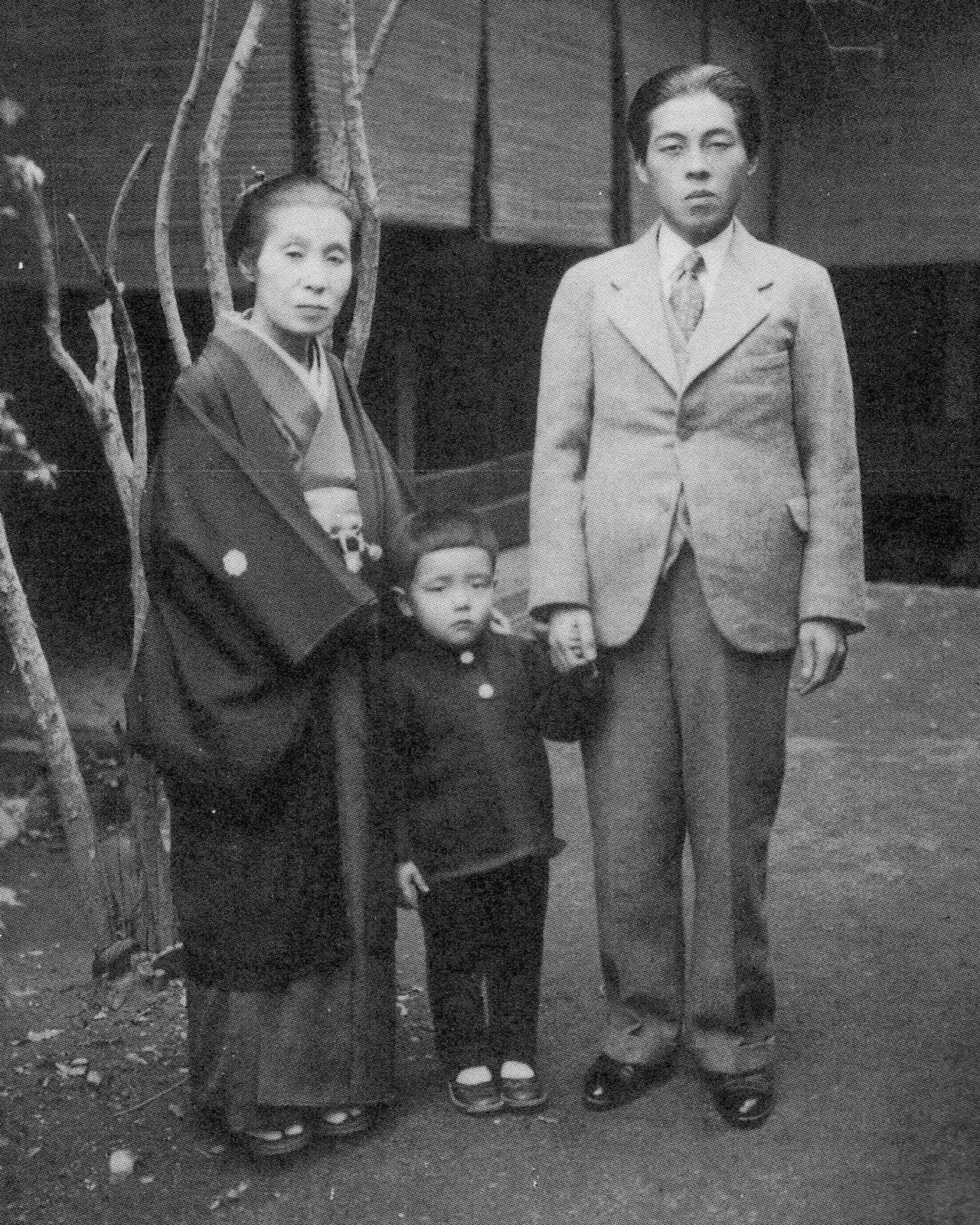
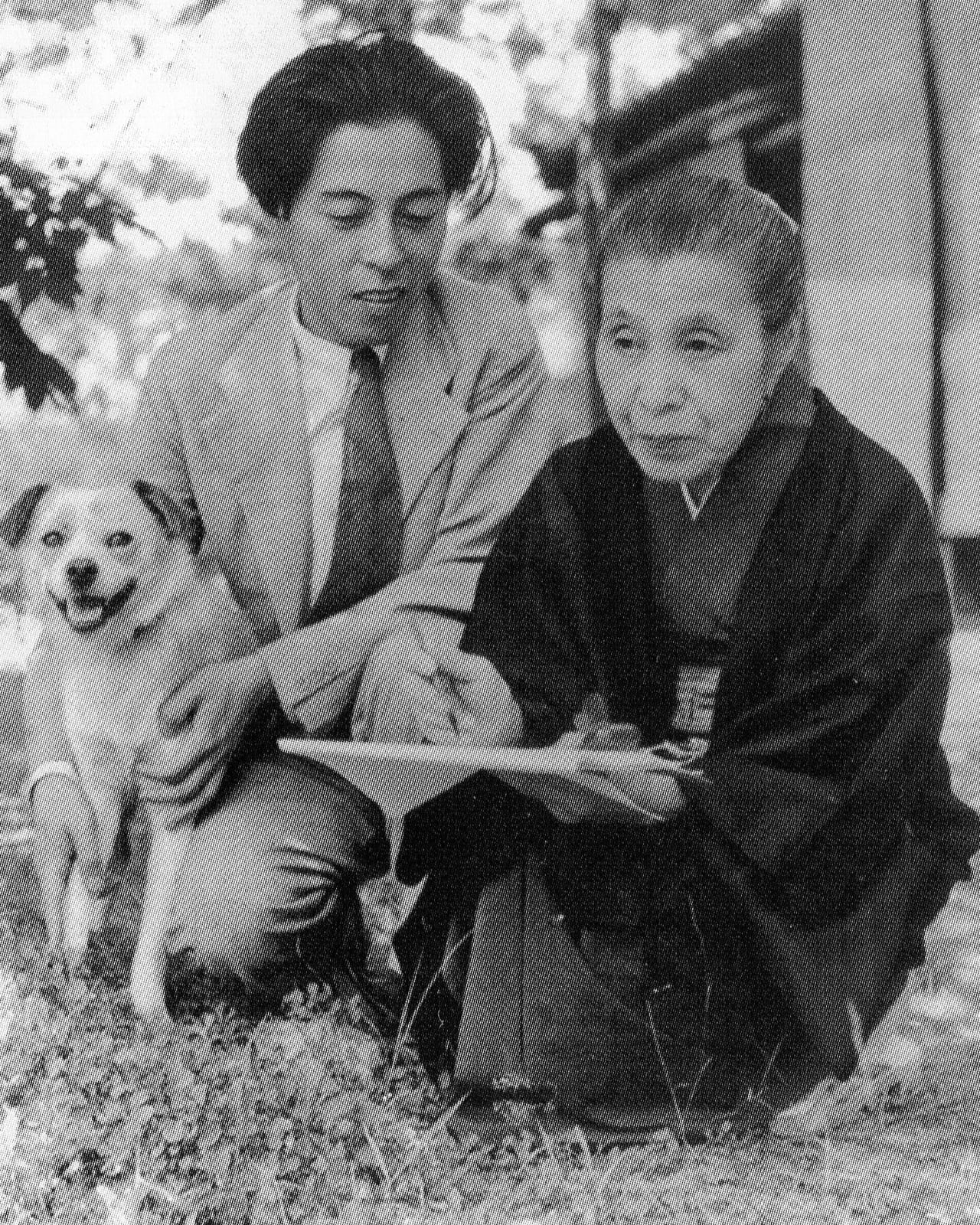
上村松園・淳・松篁(1935年ごろ)
Unknown author Unknown author, 上村松篁・平野重光『現代の日本画5 上村松篁』学習研究社、1991年4月1日, Public domain, via Wikimedia Commons
SourceSources
Related Memorials
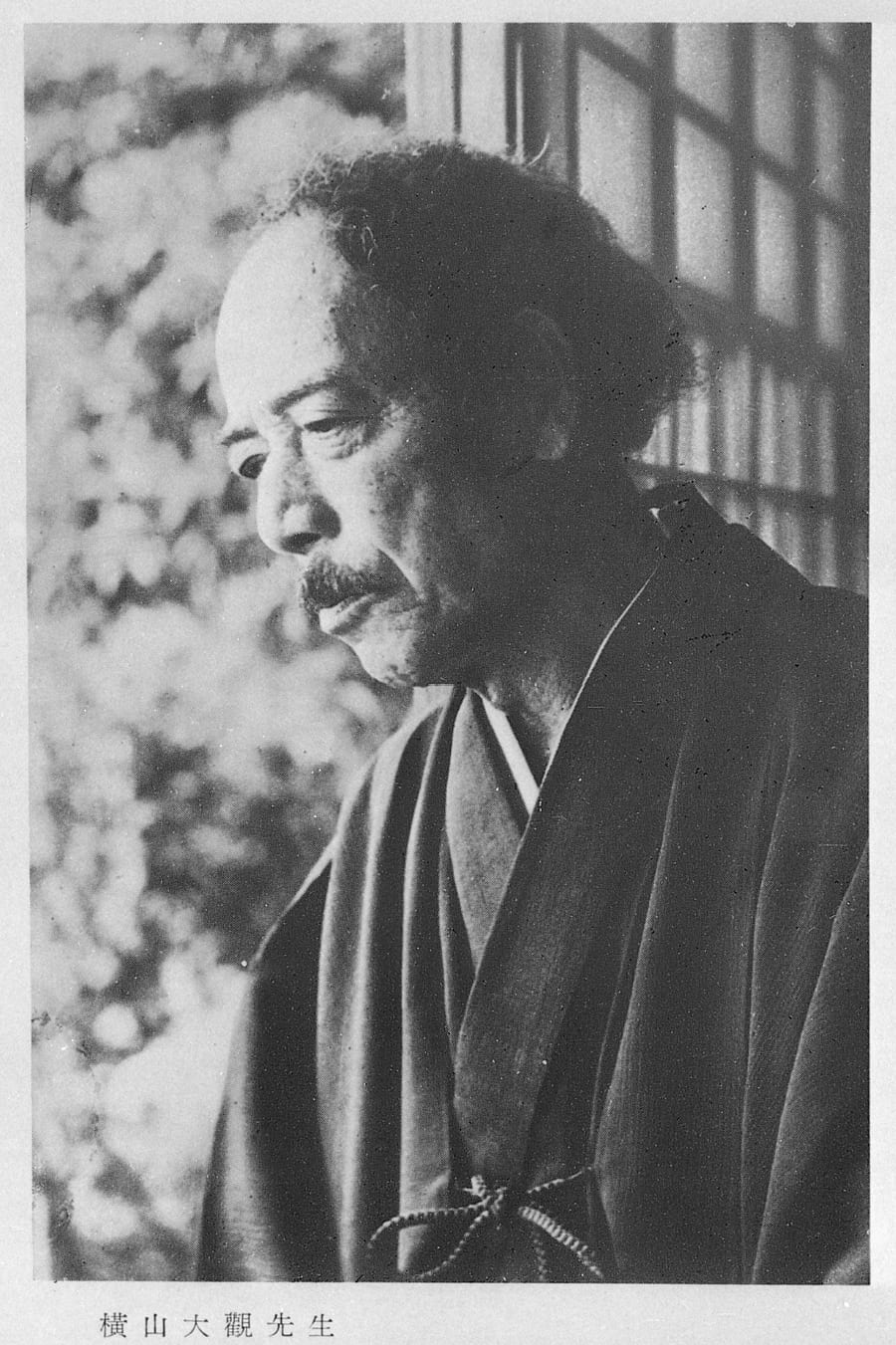
Yokoyama Taikan
Tokyo, Japan
A Memory Realm virtual memorial place honoring Yokoyama Taikan, remembered for Nihonga, Modern Japanese painting, Japan Art Institute.
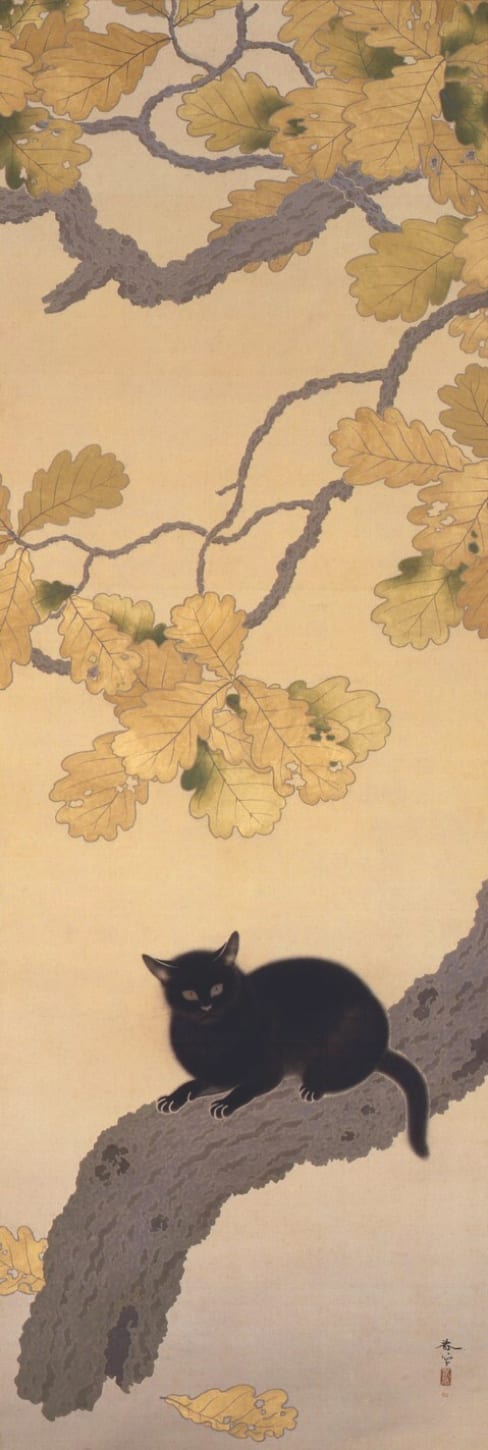
Hishida Shunso
Iida, Nagano, Japan
A Memory Realm virtual memorial place honoring Hishida Shunso, remembered for Nihonga, Meiji painting, Japan Art Institute.
Võ Nguyên Giáp
Hanoi, Vietnam
A Memory Realm virtual memorial place honoring Võ Nguyên Giáp, remembered for Military strategy, Vietnamese history, Dien Bien Phu.
Vallabhbhai Patel
Ahmedabad, India
A Memory Realm virtual memorial place honoring Vallabhbhai Patel, remembered for Indian unification, Public administration, Independence movement.
U Thant
Yangon, Myanmar
A Memory Realm virtual memorial place honoring U Thant, remembered for United Nations, Diplomacy, Burmese public service.
Tyagaraja
Thanjavur, India
A Memory Realm virtual memorial place honoring Tyagaraja, remembered for Carnatic music, Devotional composition, Telugu lyrics.