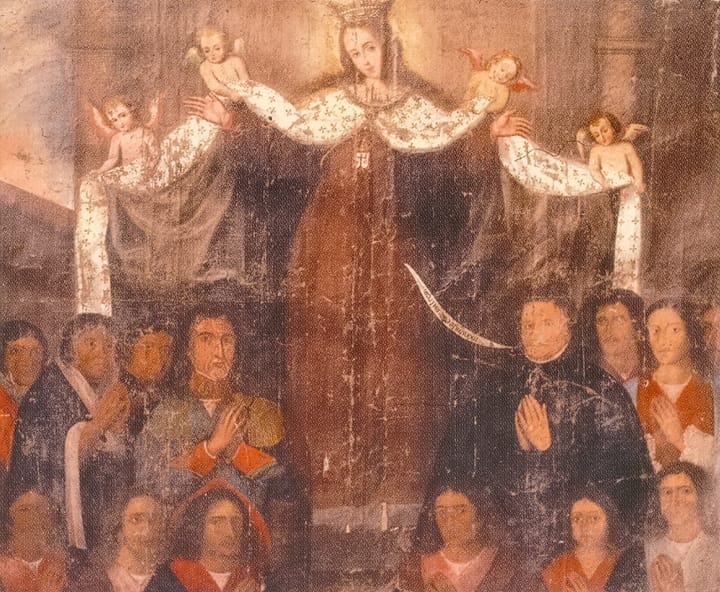
Virtual Memorial
Tupac Amaru II
A Memory Realm virtual memorial place honoring Tupac Amaru II, remembered for Andean resistance, Colonial history, Public memory.
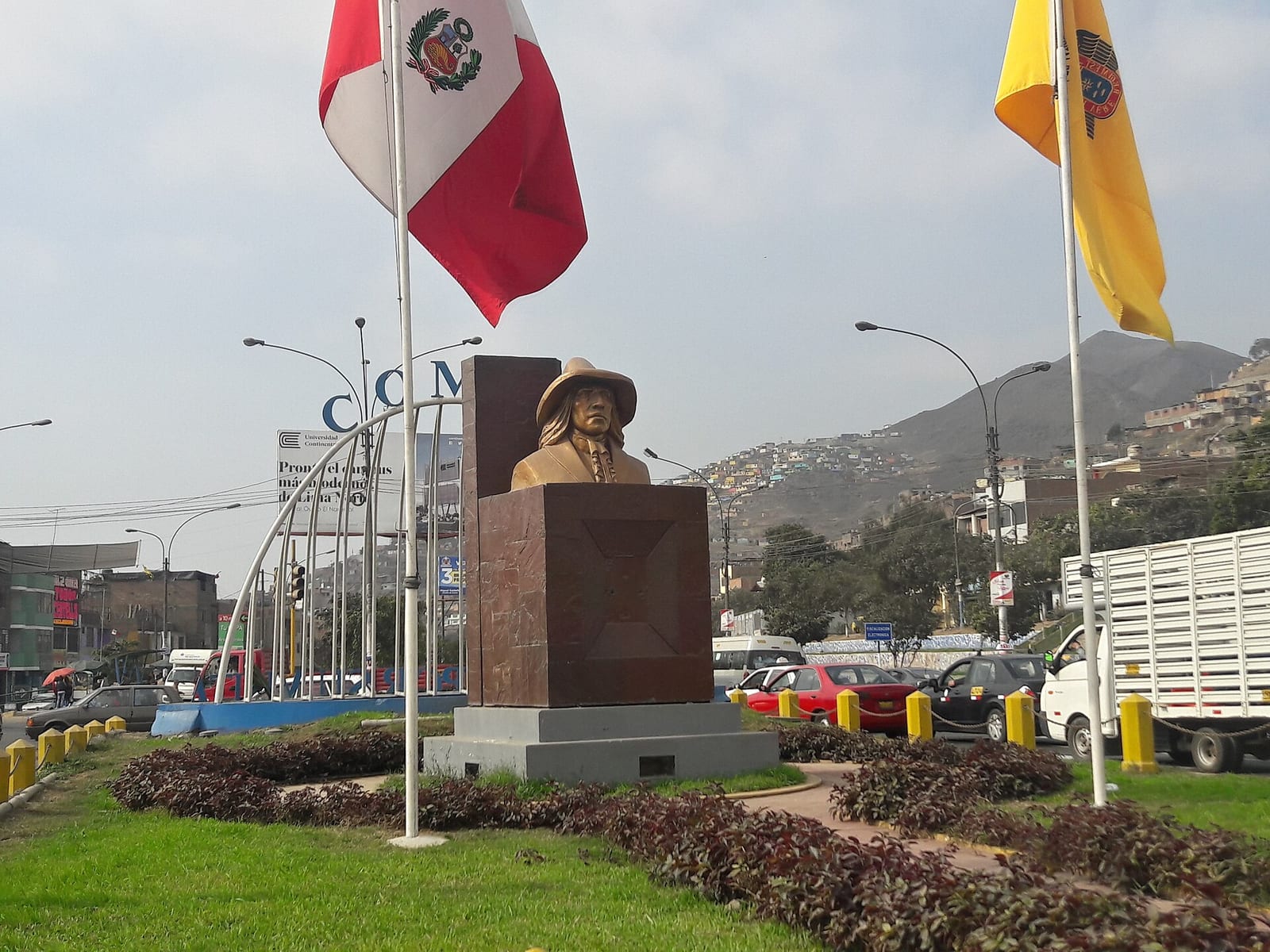
Why Tupac Amaru II Is Remembered
Tupac Amaru II is remembered for andean resistance, colonial history, public memory. This public page gives visitors a concise starting point for understanding why this figure remains part of cultural, civic, scientific, or literary memory.
The page is designed as an accessible introduction rather than an exhaustive account, with source links and image credits kept visible for further reading.
A Virtual Memorial in Memory Realm
This Memory Realm memorial hall turns a map reference into a virtual place for discovery. Visitors can move from the public page to the map and then into a 3D memorial hall connected to Tupac Amaru II.
The place is part of Memory Realm's virtual layer. It is not a physical marker and does not claim rights, control, access, endorsement, or affiliation connected to a real-world site.
Place Context
Cusco, Peru is used as a broad spatial reference for this memorial hall because it is connected to Tupac Amaru II's story, memory, or public legacy. The location is intentionally city-level or region-level so the page can provide orientation without implying a claim over a specific property or institution.
Historical Context
Túpac Amaru II was an Indigenous cacique who led a large Andean rebellion against the Spanish in Peru as self-proclaimed Sapa Inca of the new Inca Empire. He was later elevated to a mythical status in the Peruvian struggle for independence and indigenous rights movement, as well as an inspiration to myriad causes in Spanish America and beyond.
Memory Realm presents this context for educational discovery and remembrance, with public source links and media attribution preserved alongside the page content.
Photos
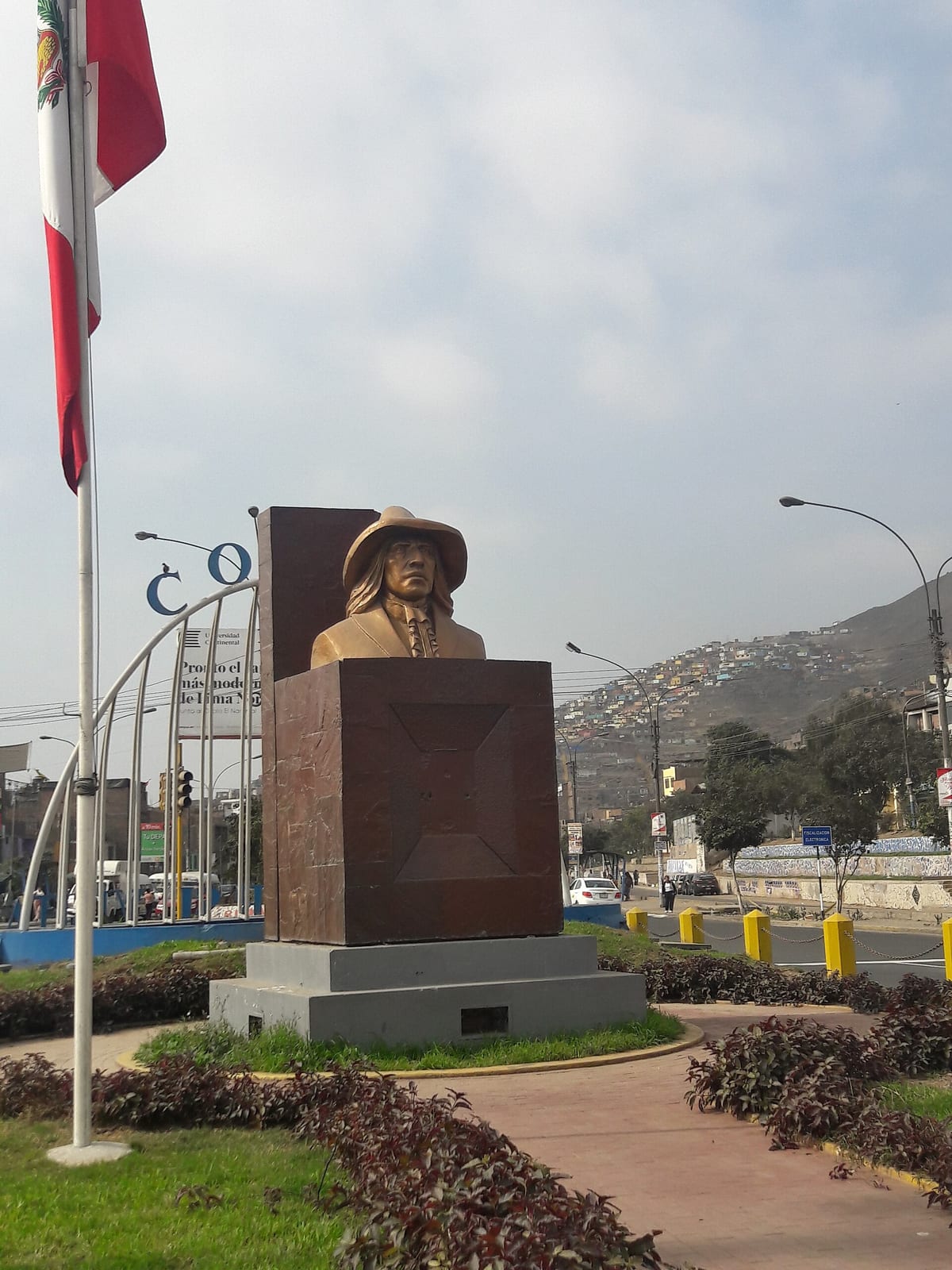
Monumento Tupac Amaru II con la avenida tupac amaru ii en comas
Fmurillo26, Own work, CC BY-SA 3.0, via Wikimedia Commons
Source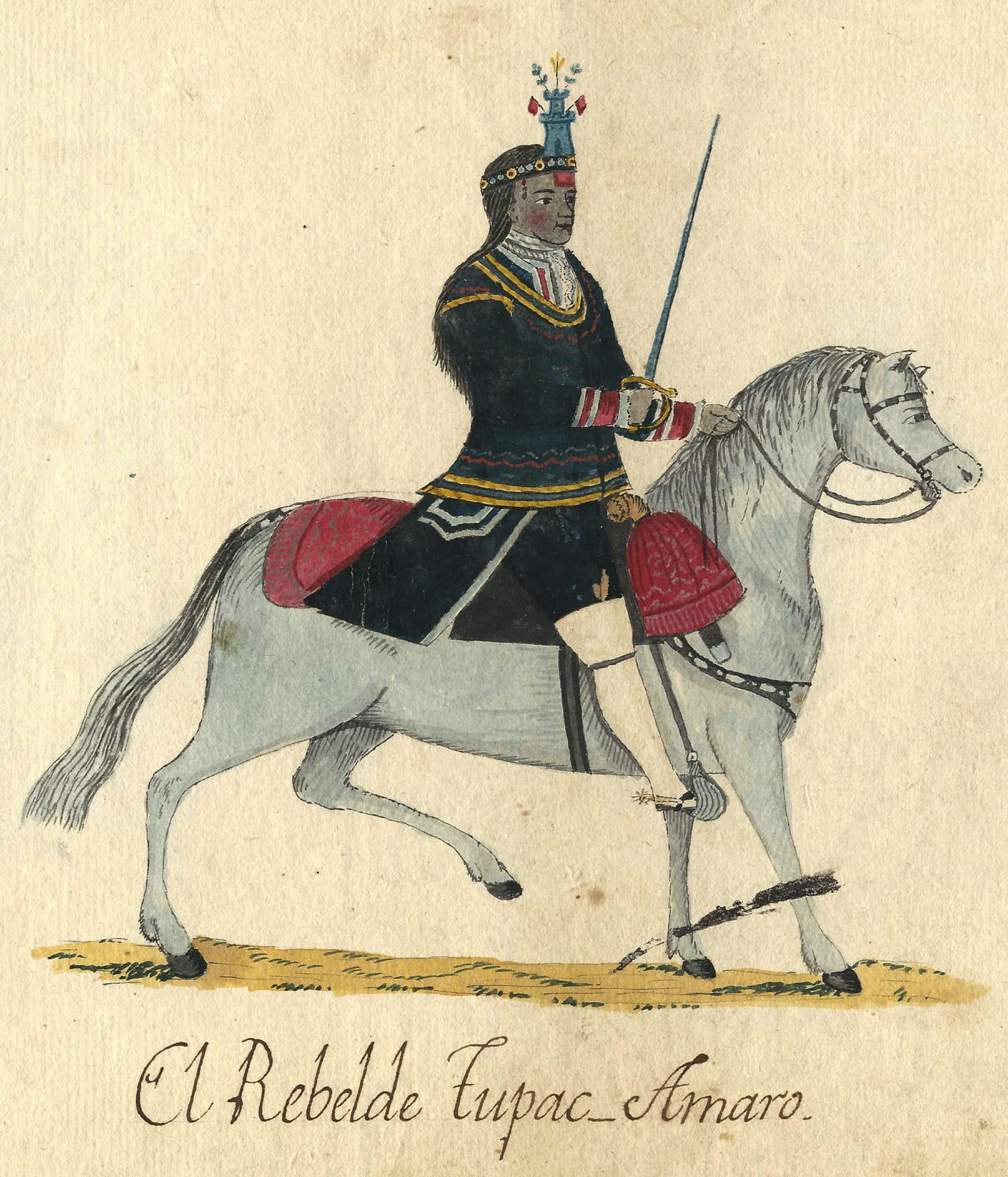
Watercolor portraying José Gabriel Condorcanqui, alias Túpac Amaru. It is the oldest known image so far of the indigenous rebel, unveiled in 2015.
Anonymous Unknown author, La Independencia: Imágenes en construcción Bicentenario del Perú, Public domain, via Wikimedia Commons
Source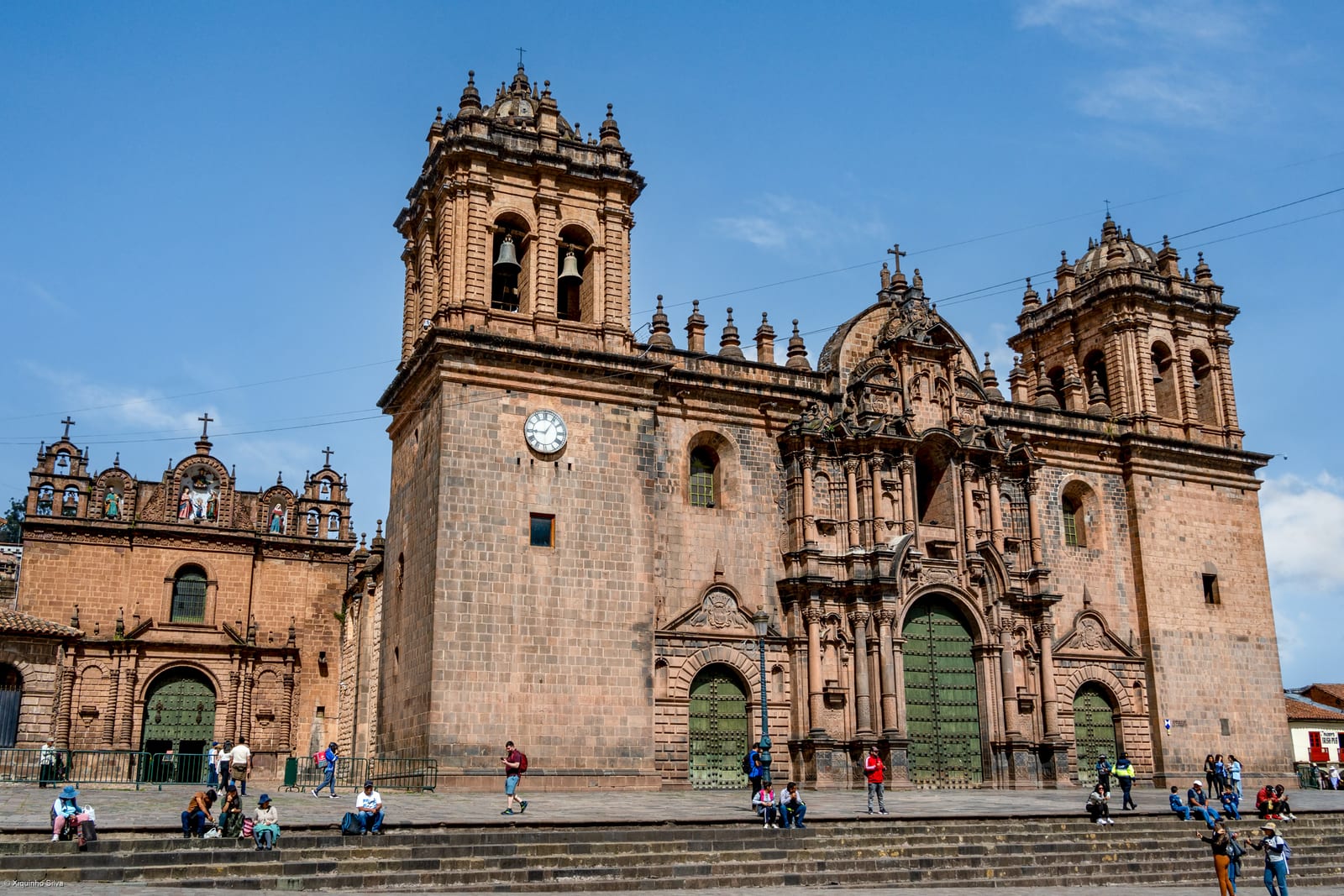
The Plaza de Armas in Cusco, Peru, is a site brimming with history, originally established as the heart of the Inca Empire. Before the Spanish conquest, it was known as Huacaypata,
xiquinhosilva, https://www.flickr.com/photos/xiquinho/54549059353/, CC BY 2.0, via Wikimedia Commons
SourceSources
Related Memorials
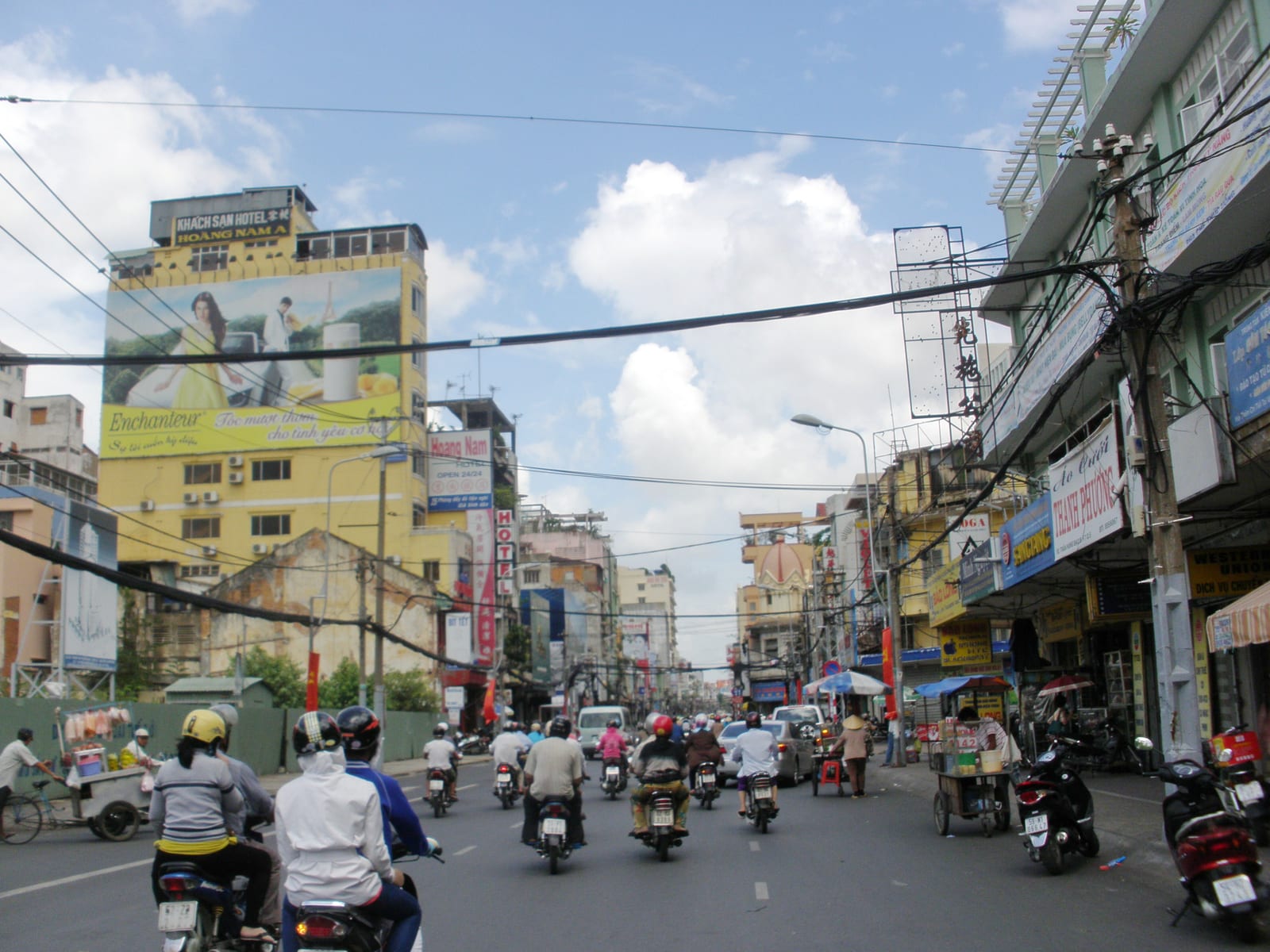
Trần Hưng Đạo
Hanoi, Vietnam
A Memory Realm virtual memorial place honoring Trần Hưng Đạo, remembered for Mongol invasions of Vietnam, Military strategy, Public memory.
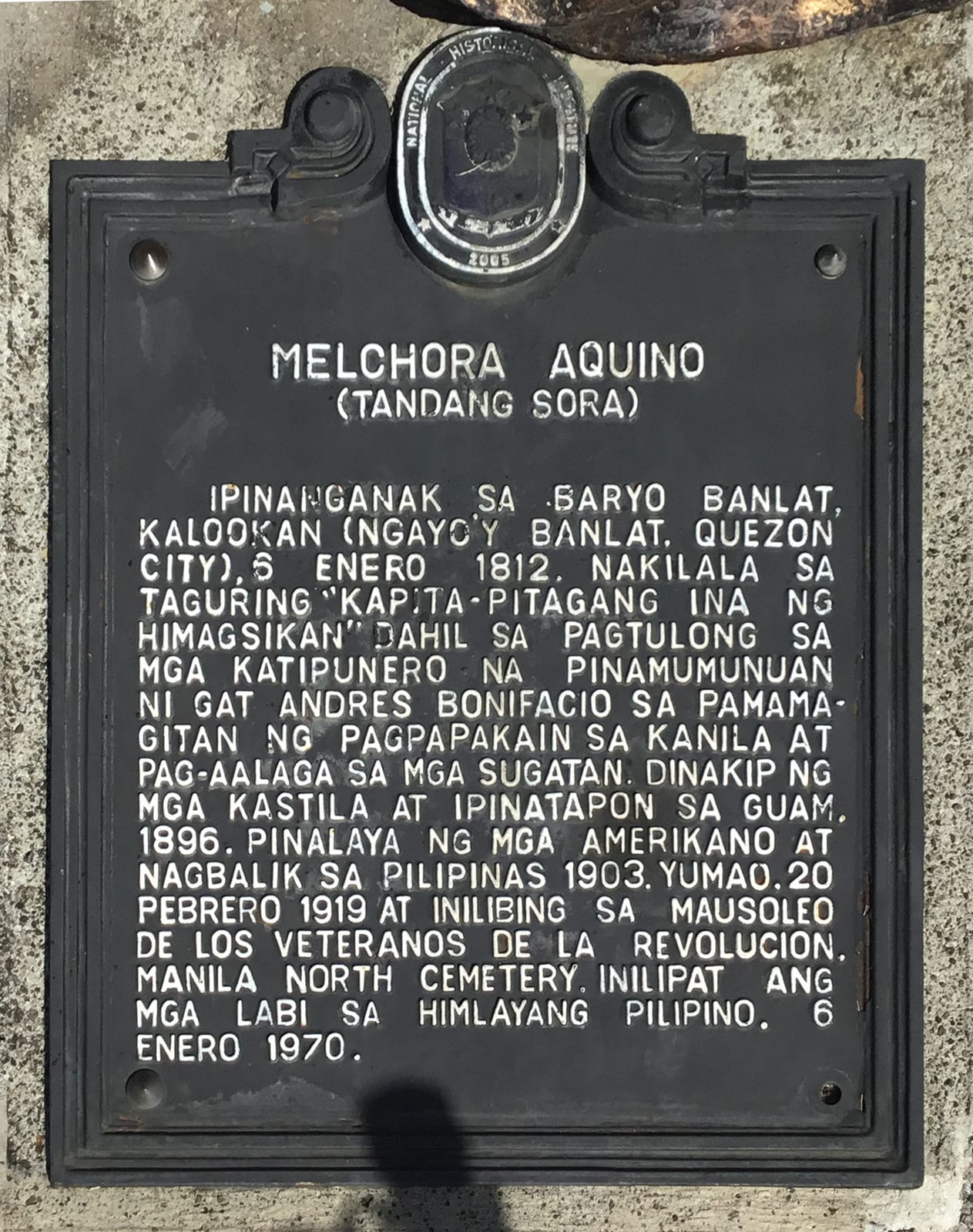
Melchora Aquino
Quezon City, Philippines
A Memory Realm virtual memorial place honoring Melchora Aquino, remembered for Philippine Revolution, Civic support, Public memory.
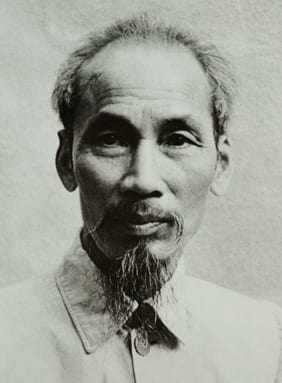
Ho Chi Minh
Hanoi, Vietnam
A Memory Realm virtual memorial place honoring Ho Chi Minh, remembered for Vietnamese independence, Anti-colonial politics, Public memory.
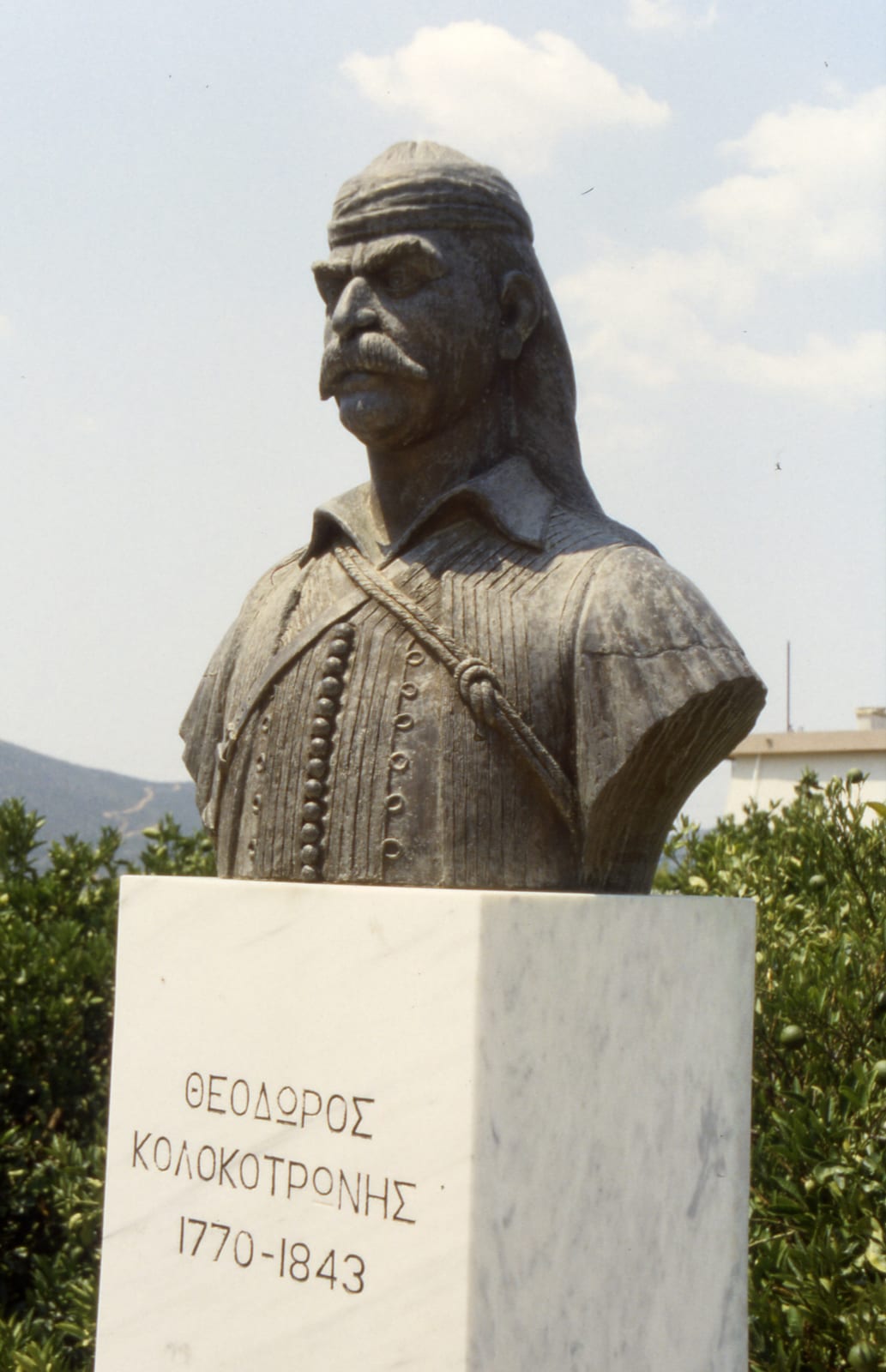
Theodoros Kolokotronis
Tripoli, Greece
A Memory Realm virtual memorial place honoring Theodoros Kolokotronis, remembered for Greek War of Independence, Military leadership, Public memory.
Damdin Sükhbaatar
Ulaanbaatar, Mongolia
A Memory Realm virtual memorial place honoring Damdin Sükhbaatar, remembered for Mongolian revolution, Independence, Public memory.
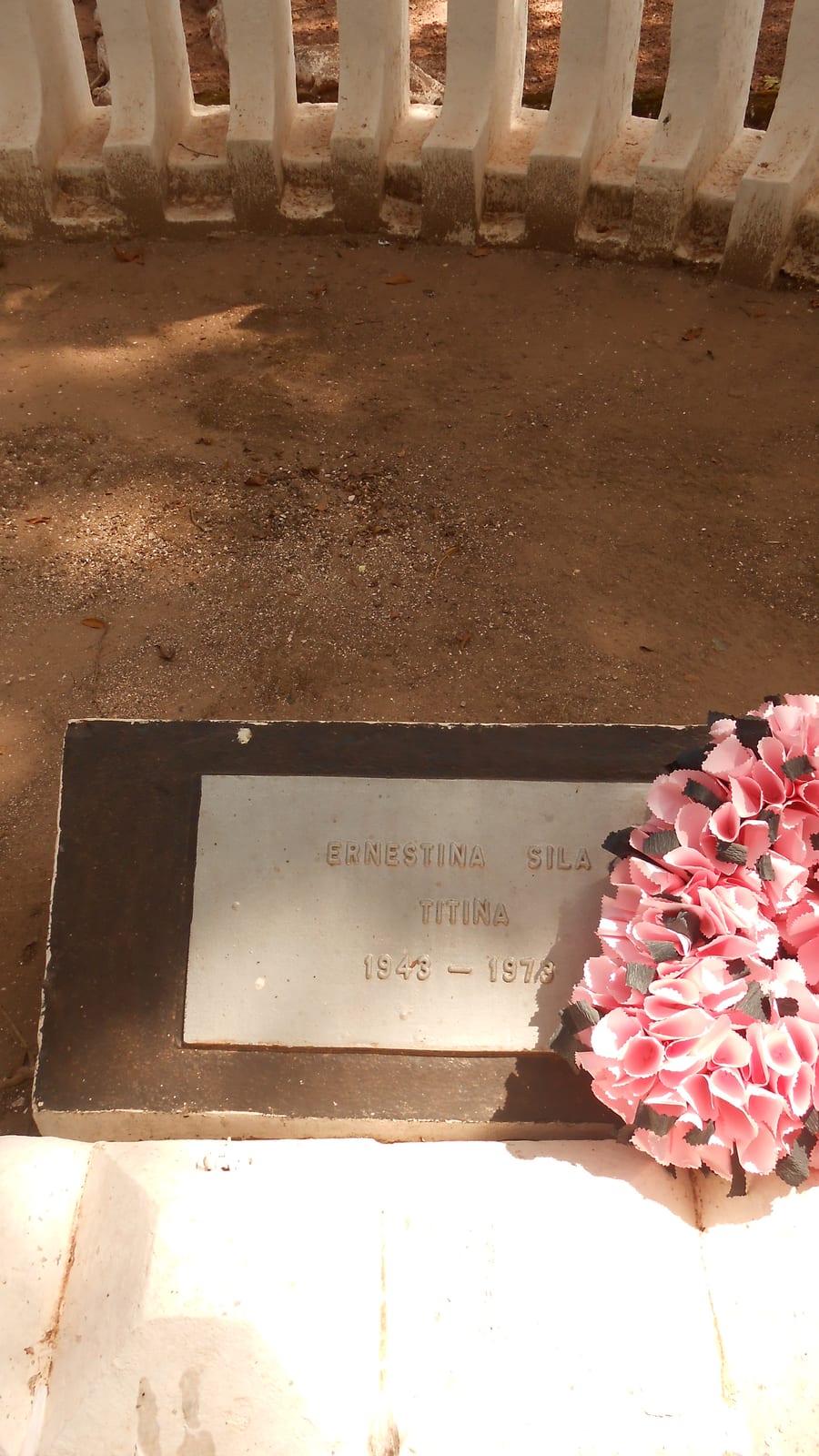
Titina Sila
Bissau, Guinea-Bissau
A Memory Realm virtual memorial place honoring Titina Sila, remembered for Guinea-Bissau independence, Women's resistance history, Public memory.