Virtual Memorial
Tarsila do Amaral
A Memory Realm virtual memorial place honoring Tarsila do Amaral, remembered for Brazilian modernist painting, Abaporu, Anthropophagic movement.
Why Tarsila do Amaral Is Remembered
Tarsila do Amaral is remembered for brazilian modernist painting, abaporu, anthropophagic movement. This public page gives visitors a concise starting point for understanding why this figure remains part of cultural, civic, scientific, or literary memory.
The page is designed as an accessible introduction rather than an exhaustive account, with source links and image credits kept visible for further reading.
A Virtual Memorial in Memory Realm
This Memory Realm memorial hall turns a map reference into a virtual place for discovery. Visitors can move from the public page to the map and then into a 3D memorial hall connected to Tarsila do Amaral.
The place is part of Memory Realm's virtual layer. It is not a physical marker and does not claim rights, control, access, endorsement, or affiliation connected to a real-world site.
Place Context
Sao Paulo, Brazil is used as a broad spatial reference for this memorial hall because it is connected to Tarsila do Amaral's story, memory, or public legacy. The location is intentionally city-level or region-level so the page can provide orientation without implying a claim over a specific property or institution.
Historical Context
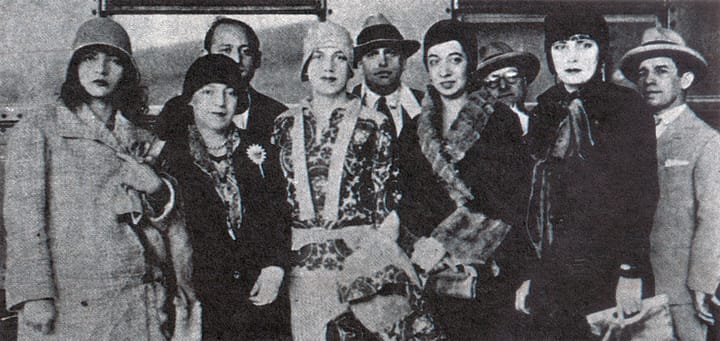
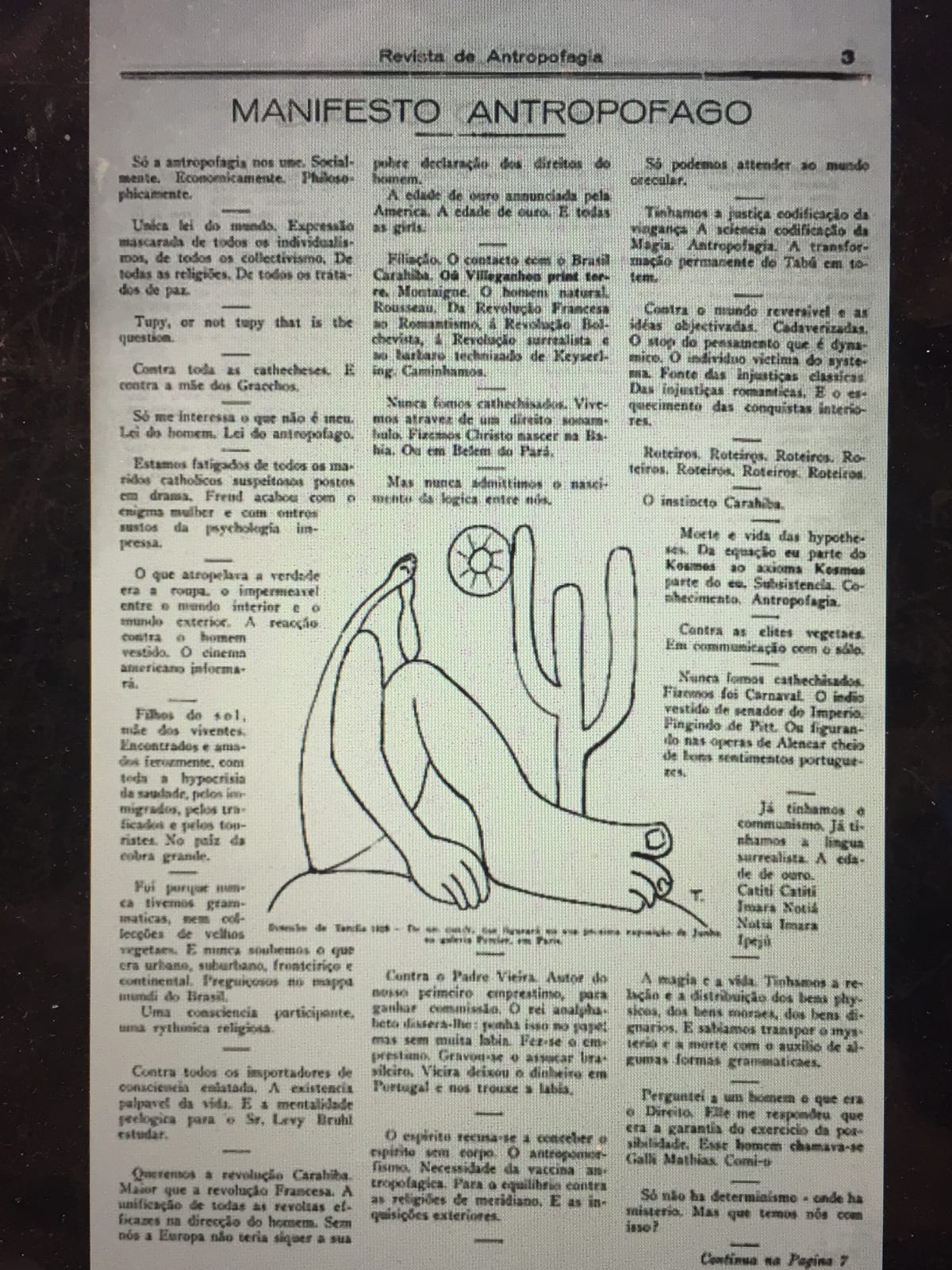
Tarsila de Aguiar do Amaral was a Brazilian painter, draftswoman, and translator. She is considered one of the leading Latin American modernist artists, and is regarded as the painter who best achieved Brazilian aspirations for nationalistic expression in a modern style. As a member of the Grupo dos Cinco, Tarsila is also considered a major influence in the modern art movement in Brazil, alongside Anita Malfatti, Menotti Del Picchia, Mário de Andrade, and Oswald de Andrade. She was instrumental in the formation of the aesthetic movement, Antropofagia (1928–1929); in fact, Tarsila was the one with her celebrated painting, Abaporu, who inspired Oswald de Andrade's famous Manifesto Antropófago.
Memory Realm presents this context for educational discovery and remembrance, with public source links and media attribution preserved alongside the page content.
Photos
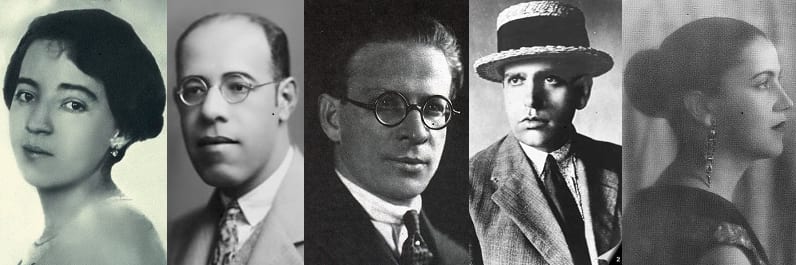
A collage created by me using the following images found in the Wikimedia Commons: (Left to right) File:Anita_Malfatti_jovem_(1912).jpg File:Mario_de_andrade_1928b.png File:Menotti
Caio!, Own work, CC BY-SA 4.0, via Wikimedia Commons
Source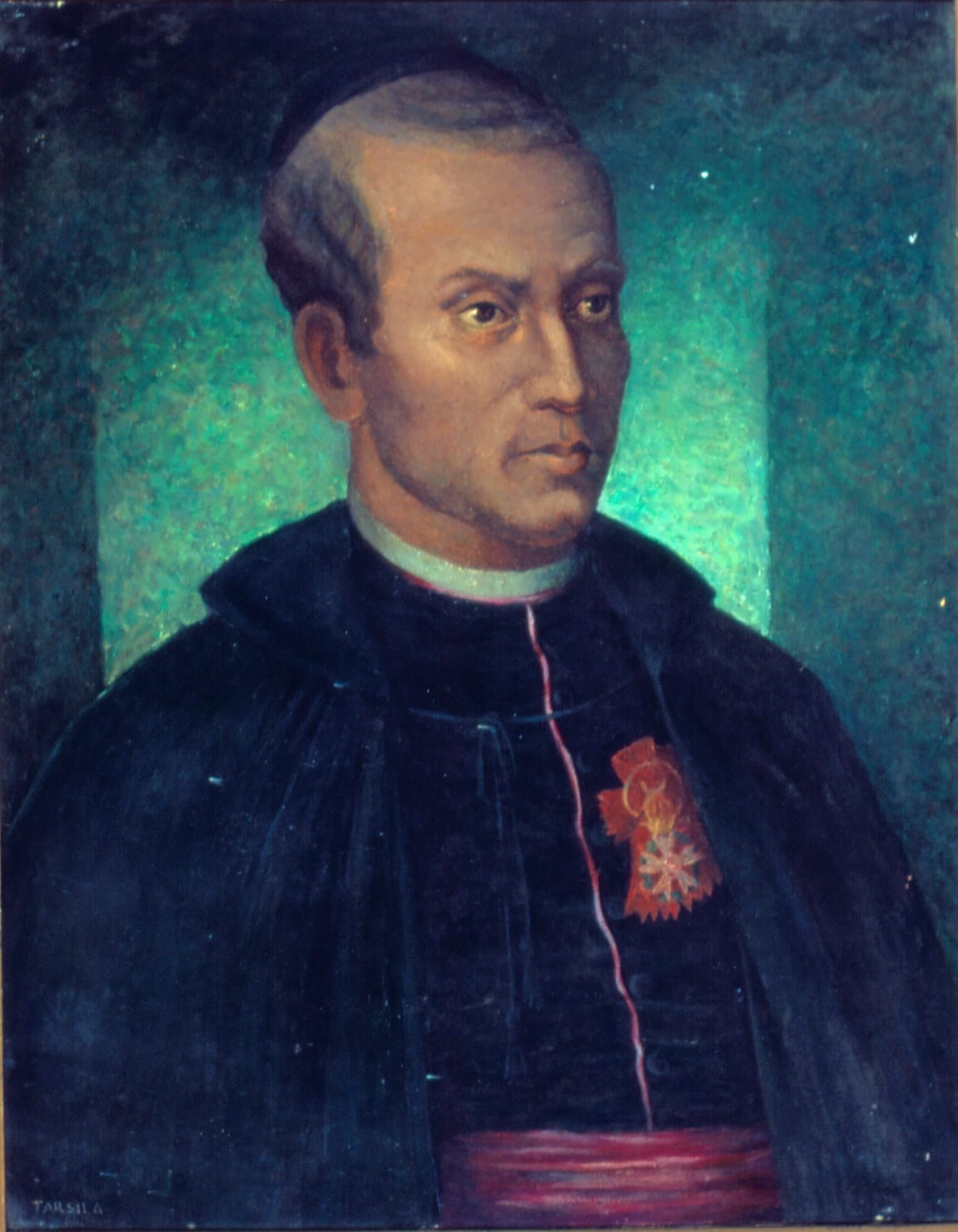
Obra que integra o acervo do Museu Paulista da USP. Coleção Fundo Museu Paulista - FMP
Tarsila do Amaral, José Rosael/Hélio Nobre/Museu Paulista da USP, CC BY-SA 4.0, via Wikimedia Commons
Source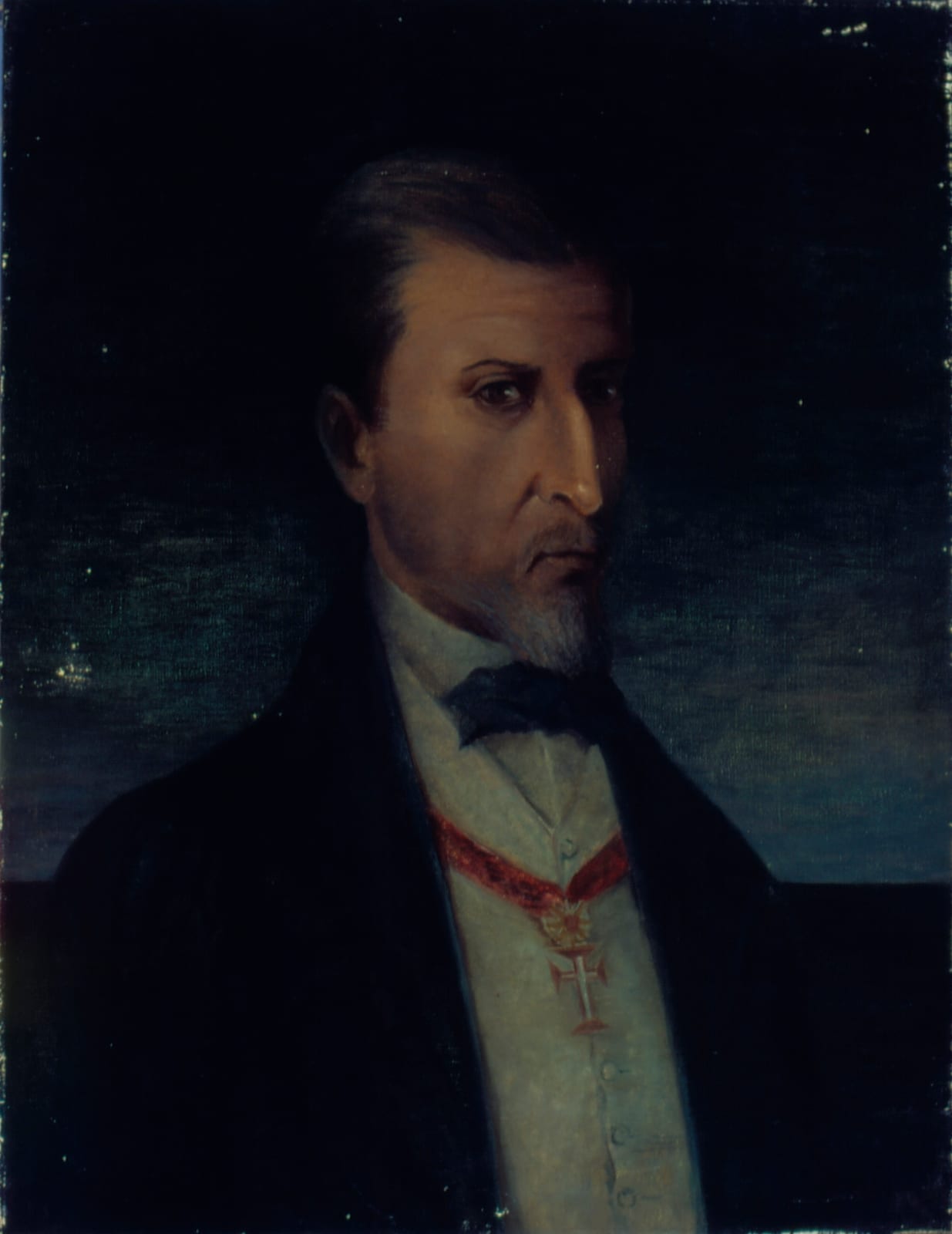
Obra que integra o acervo do Museu Paulista da USP. Coleção Fundo Museu Paulista - FMP
Tarsila do Amaral, José Rosael/Hélio Nobre/Museu Paulista da USP, CC BY-SA 4.0, via Wikimedia Commons
SourceSources
Related Memorials
Oswald de Andrade
Sao Paulo, Brazil
A Memory Realm virtual memorial place honoring Oswald de Andrade, remembered for Brazilian modernism, Anthropophagic movement, Avant-garde writing.
Võ Nguyên Giáp
Hanoi, Vietnam
A Memory Realm virtual memorial place honoring Võ Nguyên Giáp, remembered for Military strategy, Vietnamese history, Dien Bien Phu.
Vallabhbhai Patel
Ahmedabad, India
A Memory Realm virtual memorial place honoring Vallabhbhai Patel, remembered for Indian unification, Public administration, Independence movement.

U Thant
Yangon, Myanmar
A Memory Realm virtual memorial place honoring U Thant, remembered for United Nations, Diplomacy, Burmese public service.
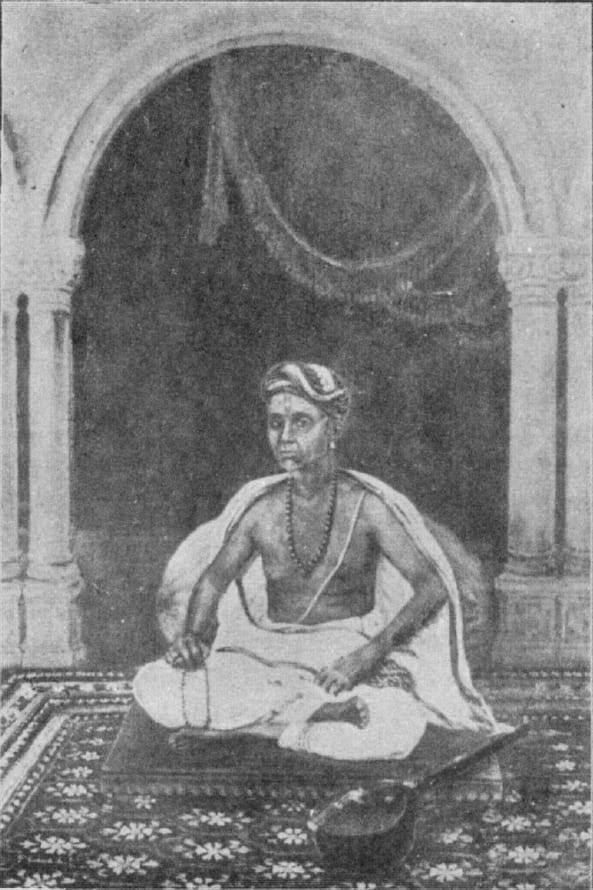
Tyagaraja
Thanjavur, India
A Memory Realm virtual memorial place honoring Tyagaraja, remembered for Carnatic music, Devotional composition, Telugu lyrics.
Tunku Abdul Rahman
Kuala Lumpur, Malaysia
A Memory Realm virtual memorial place honoring Tunku Abdul Rahman, remembered for Malayan independence, Prime ministership, Public leadership.