Virtual Memorial
Tan Sitong
A Memory Realm virtual memorial place honoring Tan Sitong, remembered for Hundred Days Reform, Political thought, Late Qing history.
Why Tan Sitong Is Remembered
Tan Sitong is remembered for hundred days reform, political thought, late qing history. This public page gives visitors a concise starting point for understanding why this figure remains part of cultural, civic, scientific, or literary memory.
The page is designed as an accessible introduction rather than an exhaustive account, with source links and image credits kept visible for further reading.
A Virtual Memorial in Memory Realm
This Memory Realm memorial hall turns a map reference into a virtual place for discovery. Visitors can move from the public page to the map and then into a 3D memorial hall connected to Tan Sitong.
The place is part of Memory Realm's virtual layer. It is not a physical marker and does not claim rights, control, access, endorsement, or affiliation connected to a real-world site.
Place Context
Liuyang, Hunan, China is used as a broad spatial reference for this memorial hall because it is connected to Tan Sitong's story, memory, or public legacy. The location is intentionally city-level or region-level so the page can provide orientation without implying a claim over a specific property or institution.
Historical Context
Tan Sitong, courtesy name Fusheng (復生), art name Zhuangfei (壯飛), was a Chinese politician, thinker, and reformist of the late Qing dynasty. He was executed at the age of 33 when the Hundred Days' Reform failed in 1898. Tan Sitong was one of the six gentlemen of the Hundred Days' Reform, and occupies an important place in modern Chinese history. To many contemporaries, his execution symbolized the political failure of the Qing dynasty's reformation, helping to persuade the intellectual class to pursue violent revolution and overthrow the Qing dynasty.
Memory Realm presents this context for educational discovery and remembrance, with public source links and media attribution preserved alongside the page content.
Photos
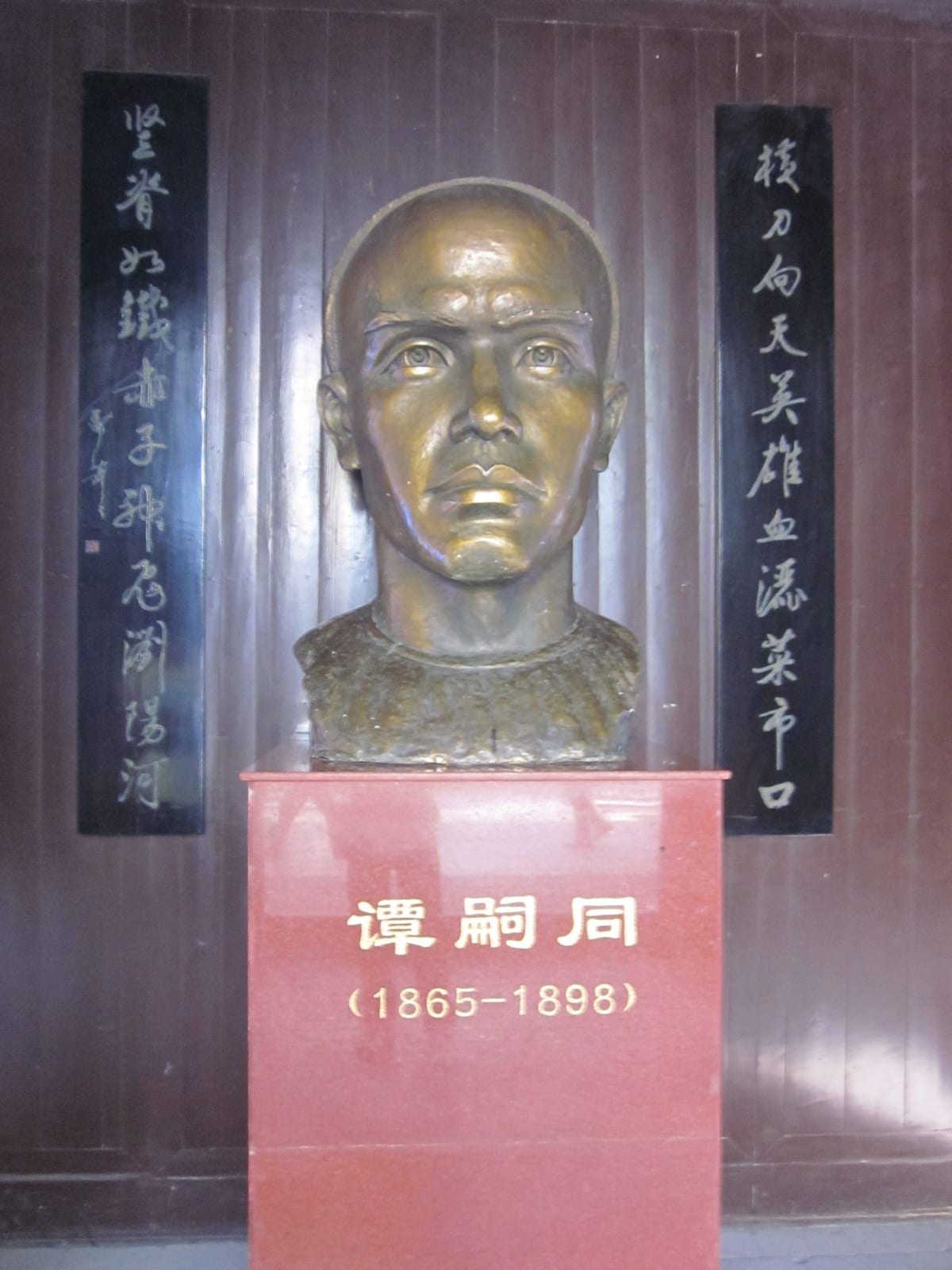
The Bronze Bust of Tan Sitong is situated in the front hall of his former residence (in front of the wooden screen behind the main gate), serving as the first commemorative sculptu
Cao Chunsheng, Own work, CC BY 3.0, via Wikimedia Commons
Source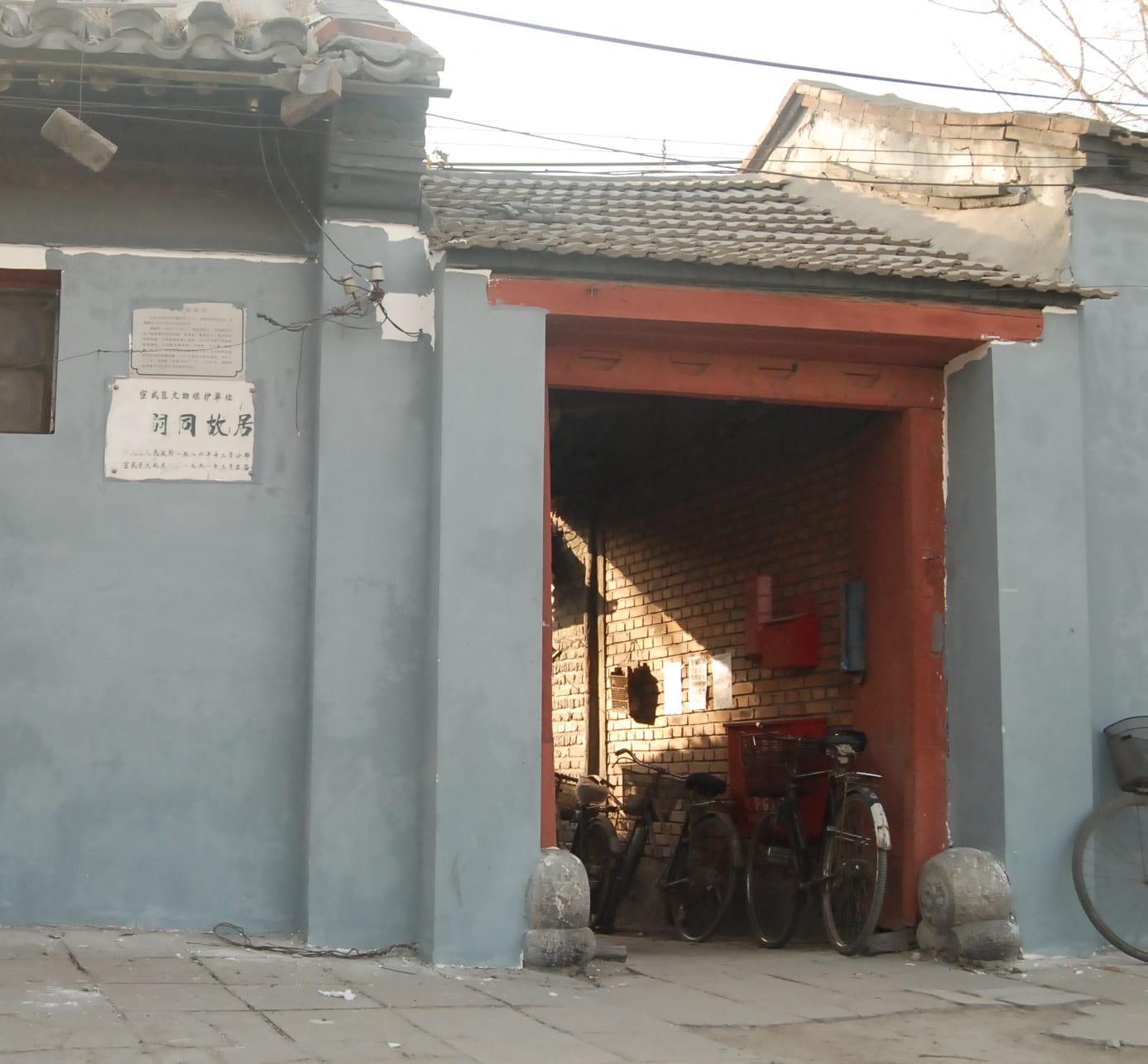
北京的谭嗣同故居
Shizhao, Own work, CC BY-SA 3.0, via Wikimedia Commons
Source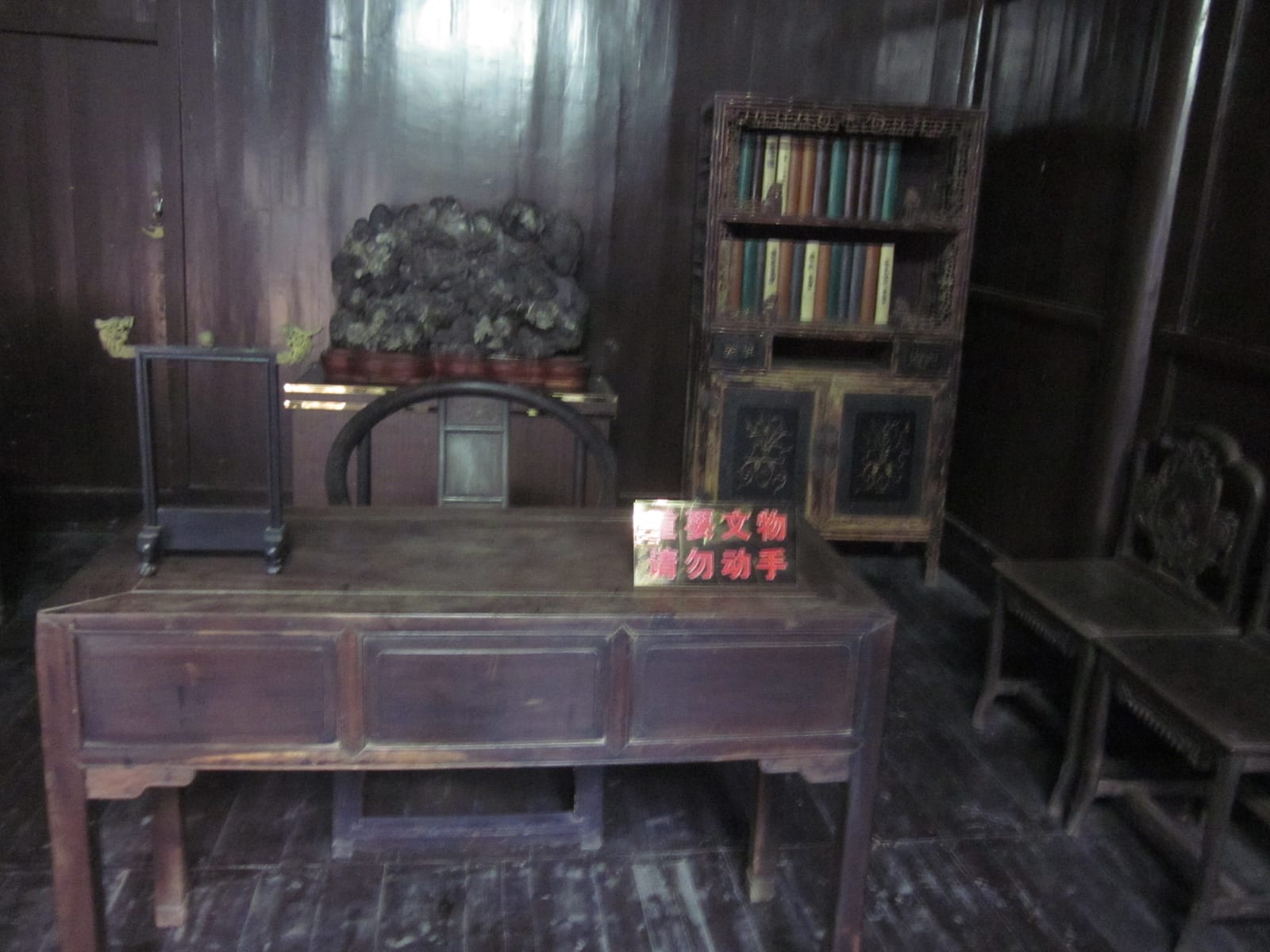
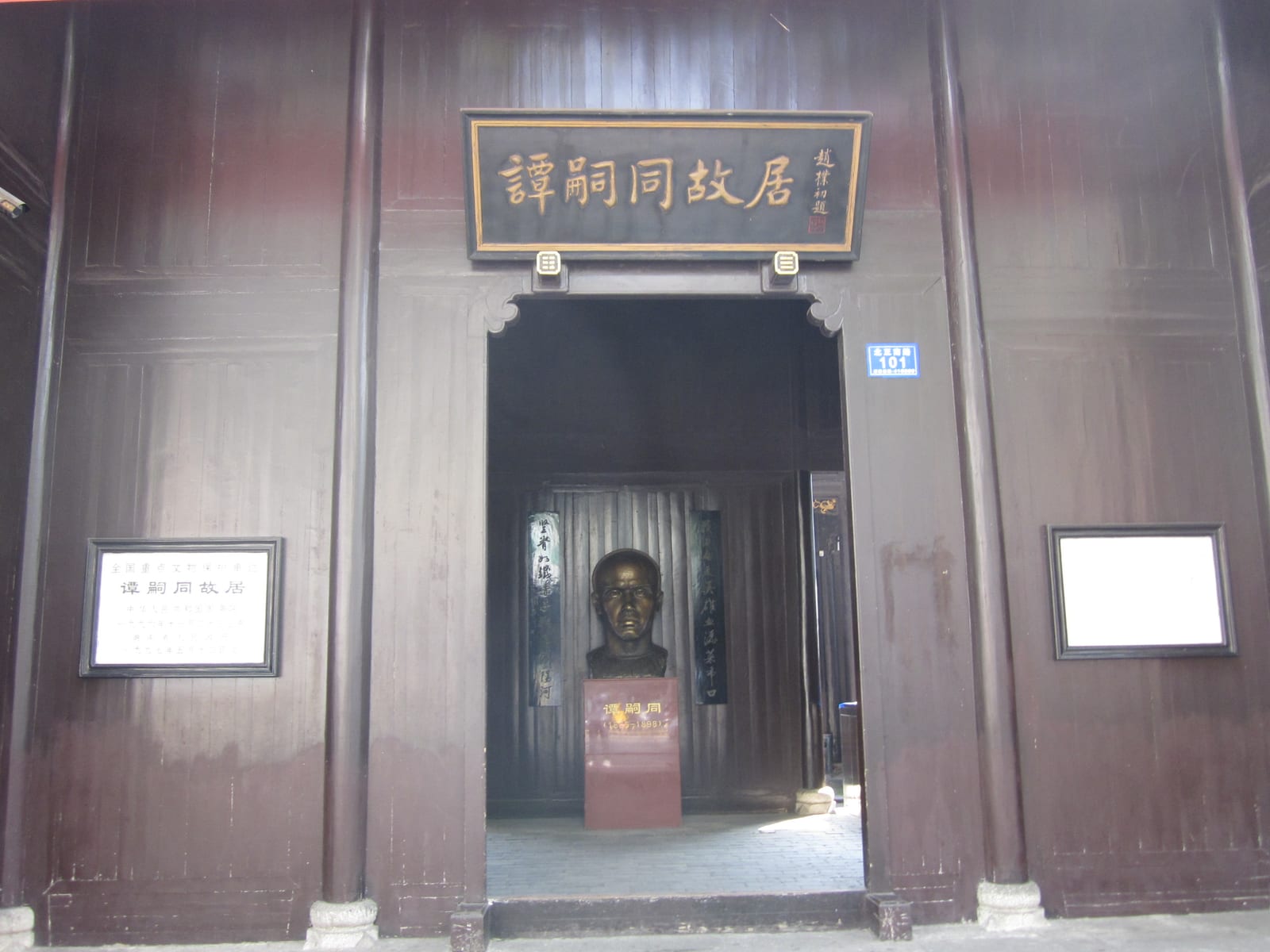
The Tan Sitong's Former Residence was built in the late Ming Dynasty, it is located in Liuyang City, Hunan Province, People's Republic of China.
Huangdan2060, Own work, CC BY 3.0, via Wikimedia Commons
SourceSources
Related Memorials
Apolinario Mabini
Batangas, Philippines
A Memory Realm virtual memorial place honoring Apolinario Mabini, remembered for Philippine Revolution, Political thought, Public administration.
Heo Gyun
Gangneung, South Korea
A Memory Realm virtual memorial place honoring Heo Gyun, remembered for Hong Gildong jeon, Joseon literature, Political thought.
Ogyu Sorai
Tokyo, Japan
A Memory Realm virtual memorial place honoring Ogyu Sorai, remembered for Confucian philosophy, Edo intellectual history, Political thought.
Vladimir Lenin
Moscow, Russia
A Memory Realm virtual memorial place honoring Vladimir Lenin, remembered for Russian Revolution, Political thought, Soviet history.
Peter Kropotkin
Moscow, Russia
A Memory Realm virtual memorial place honoring Peter Kropotkin, remembered for Anarchism, Geography, Political thought.
Mikhail Bakunin
Tver, Russia
A Memory Realm virtual memorial place honoring Mikhail Bakunin, remembered for Anarchism, Political thought, Revolutionary movements.