Virtual Memorial
Subhas Chandra Bose
A Memory Realm virtual memorial place honoring Subhas Chandra Bose, remembered for Indian independence, Indian National Army, Anti-colonial resistance.
Why Subhas Chandra Bose Is Remembered
Subhas Chandra Bose is remembered for indian independence, indian national army, anti-colonial resistance. This public page gives visitors a concise starting point for understanding why this figure remains part of cultural, civic, scientific, or literary memory.
The page is designed as an accessible introduction rather than an exhaustive account, with source links and image credits kept visible for further reading.
A Virtual Memorial in Memory Realm
This Memory Realm memorial hall turns a map reference into a virtual place for discovery. Visitors can move from the public page to the map and then into a 3D memorial hall connected to Subhas Chandra Bose.
The place is part of Memory Realm's virtual layer. It is not a physical marker and does not claim rights, control, access, endorsement, or affiliation connected to a real-world site.
Place Context
Kolkata, India is used as a broad spatial reference for this memorial hall because it is connected to Subhas Chandra Bose's story, memory, or public legacy. The location is intentionally city-level or region-level so the page can provide orientation without implying a claim over a specific property or institution.
Historical Context
Subhas Chandra Bose was an Indian anti-colonial nationalist whose defiance of British authority in India made him a hero among many Indians, but his wartime alliances with Nazi Germany and the Empire of Japan left a legacy vexed by authoritarianism, antisemitism, and military failure. The honorific Netaji was first applied to Bose in Germany in early 1942—by the Indian soldiers of the Indische Legion and by the German and Indian officials in the Special Bureau for India in Berlin. It is now used throughout India.
Memory Realm presents this context for educational discovery and remembrance, with public source links and media attribution preserved alongside the page content.
Photos
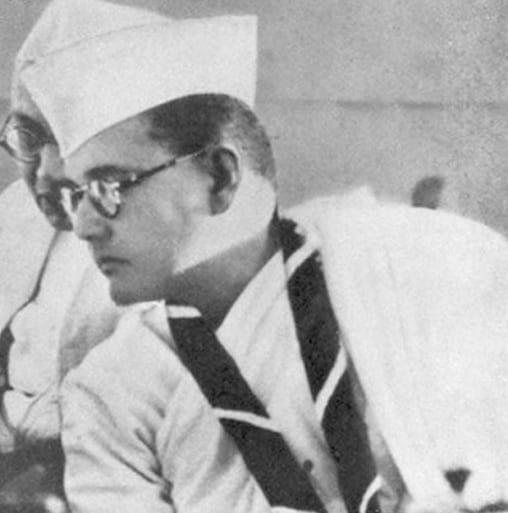
Congress President Subhas Chandra Bose at the Indian National Congress annual meeting in Haripura in 1938.
Unknown author Unknown author, http://web.mahatma.org.in/pictures/images/piccat0001/le_1024_0031.jpg, Public domain, via Wikimedia Commons
Source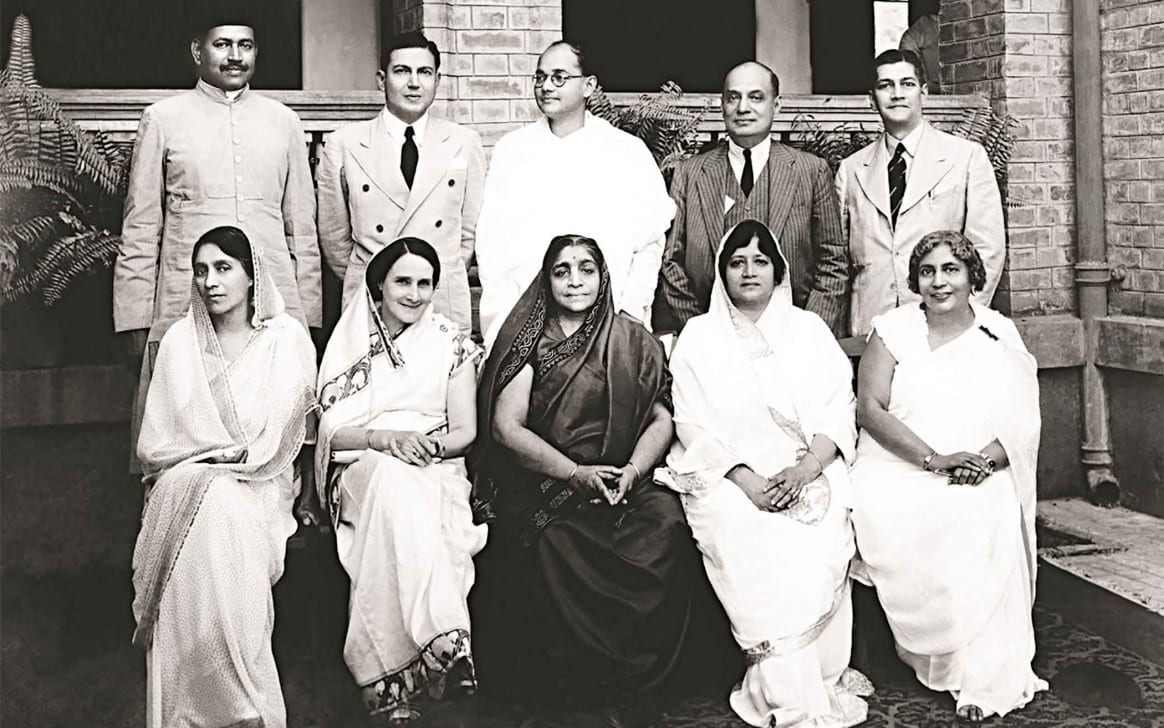
At "Kashana", the house of Hassan Suhrawardy , Kolkata , 1937: Sitting (left to right): Aruna Asaf Ali , Nellie Sengupta , Sarojini Naidu , Shahbanu Begum, and unknown. Standing (l
Annapurna Dutta, Deshpriya Jatindra Mohan & Nellie Sengupta from "Rare photographs of Eastern Bengal. (1880-1940)" by Waqar Khan (2003), Public domain, via Wikimedia Commons
Source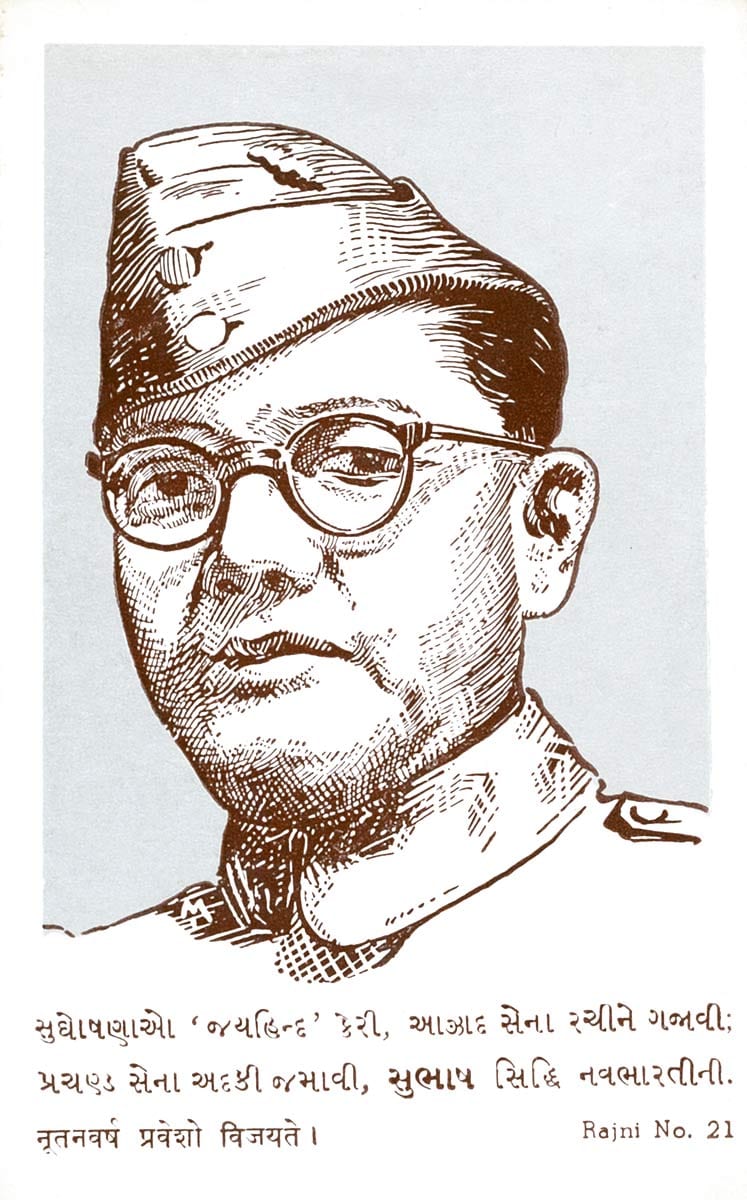
Subhas Chandra Bose, also known as Netaji, was one of the most famous leaders of the Indian freedom struggle. A onetime leader of the Indian National Congress, broke away from the
Rajni, https://www.paperjewels.org/postcard/netaji-subhas-chandra-bose, CC BY 4.0, via Wikimedia Commons
SourceSources
Related Memorials
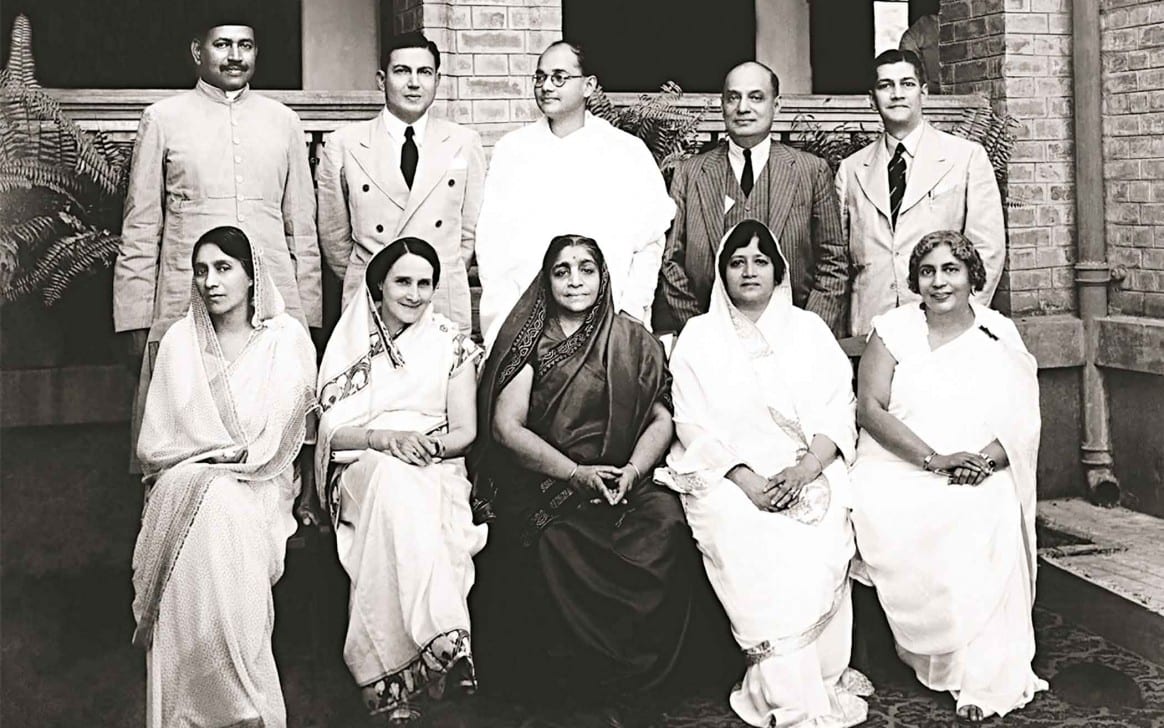
Sarojini Naidu
Hyderabad, India
A Memory Realm virtual memorial place honoring Sarojini Naidu, remembered for Poetry, Indian independence, Women's leadership.
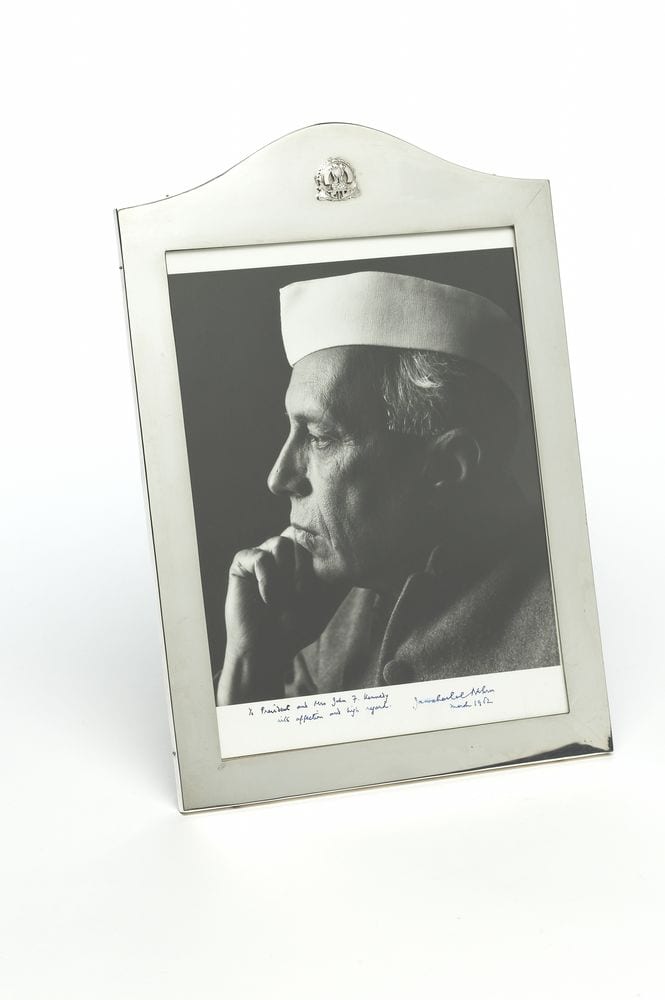
Jawaharlal Nehru
New Delhi, India
A Memory Realm virtual memorial place honoring Jawaharlal Nehru, remembered for Indian independence, Prime ministership, Non-alignment.
Gabriela Silang
Vigan, Philippines
A Memory Realm virtual memorial place honoring Gabriela Silang, remembered for Anti-colonial resistance, Ilocano history, Women leaders.
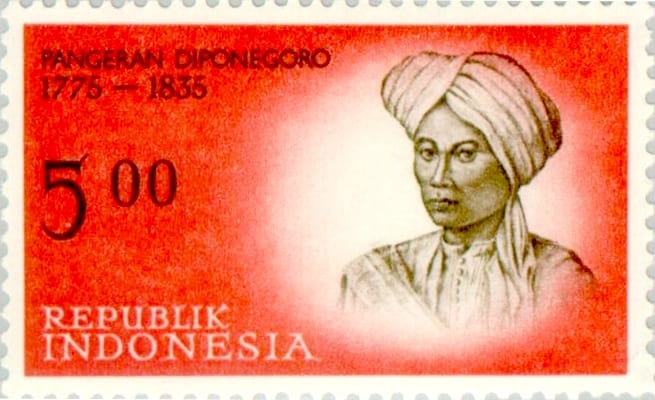
Diponegoro
Yogyakarta, Indonesia
A Memory Realm virtual memorial place honoring Diponegoro, remembered for Java War, Anti-colonial resistance, Javanese history.
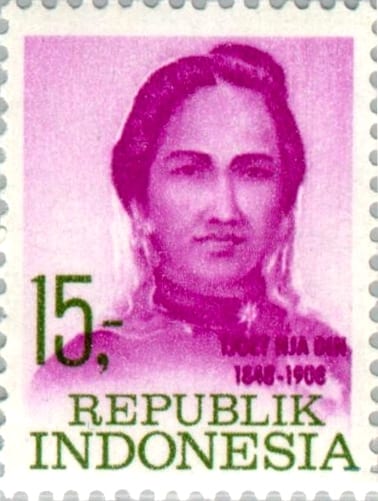
Cut Nyak Dhien
Banda Aceh, Indonesia
A Memory Realm virtual memorial place honoring Cut Nyak Dhien, remembered for Aceh War, Anti-colonial resistance, Women leaders.
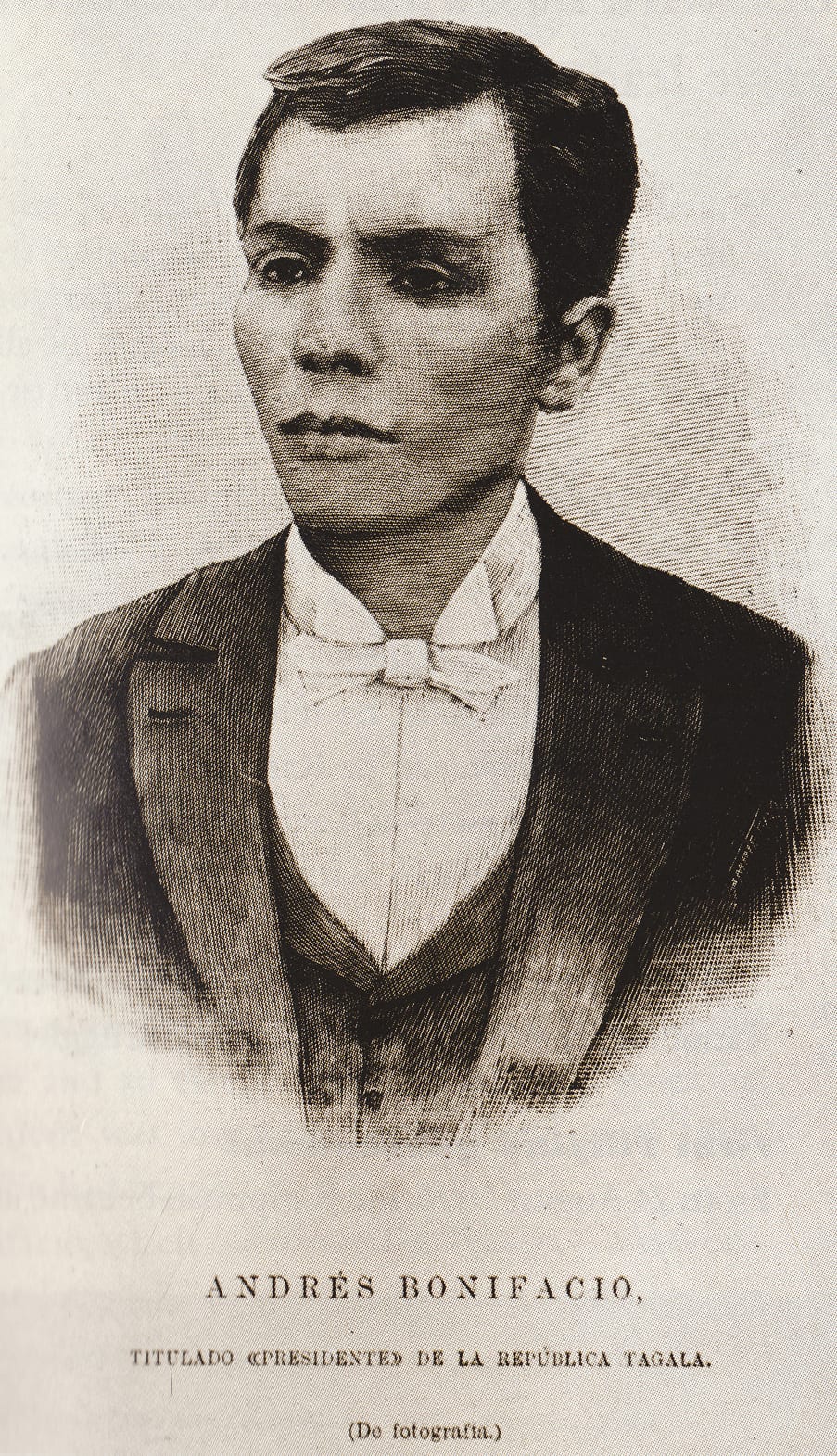
Andrés Bonifacio
Manila, Philippines
A Memory Realm virtual memorial place honoring Andrés Bonifacio, remembered for Katipunan, Philippine Revolution, Anti-colonial resistance.