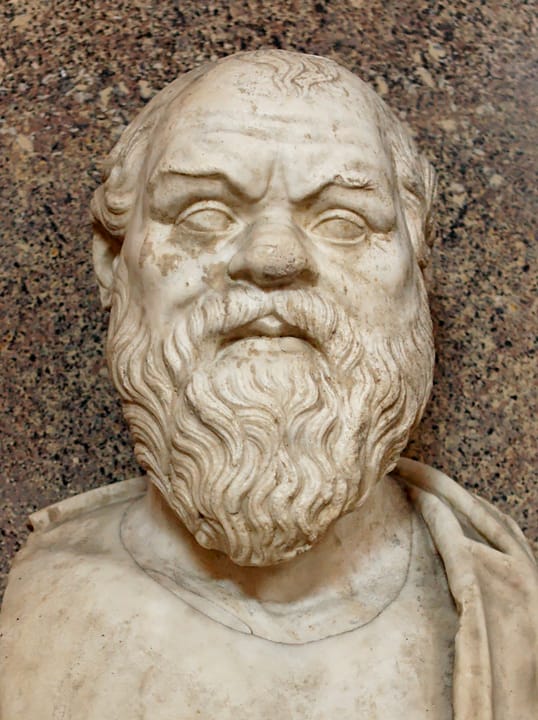
Virtual Memorial
Socrates
A Memory Realm virtual memorial place honoring Socrates, remembered for Ethics, Socratic method, Ancient philosophy.
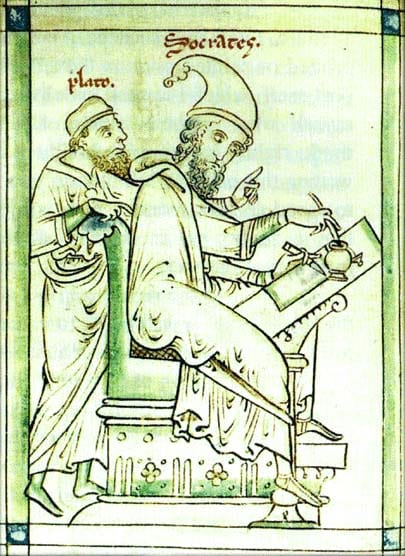
Why Socrates Is Remembered
Socrates is remembered for ethics, socratic method, ancient philosophy. This public page gives visitors a concise starting point for understanding why this figure remains part of cultural, civic, scientific, or literary memory.
The page is designed as an accessible introduction rather than an exhaustive account, with source links and image credits kept visible for further reading.
A Virtual Memorial in Memory Realm
This Memory Realm memorial hall turns a map reference into a virtual place for discovery. Visitors can move from the public page to the map and then into a 3D memorial hall connected to Socrates.
The place is part of Memory Realm's virtual layer. It is not a physical marker and does not claim rights, control, access, endorsement, or affiliation connected to a real-world site.
Place Context
Athens, Greece is used as a broad spatial reference for this memorial hall because it is connected to Socrates's story, memory, or public legacy. The location is intentionally city-level or region-level so the page can provide orientation without implying a claim over a specific property or institution.
Historical Context
Socrates was an ancient Greek philosopher from Classical Athens, perhaps the first Western moral philosopher, and a major inspiration on his student Plato, who largely founded the tradition of Western philosophy. An enigmatic figure, Socrates authored no texts and is known mainly through the posthumous accounts of classical writers, particularly his students Plato and Xenophon. These accounts are written as dialogues, in which Socrates and his interlocutors examine a subject in the style of question and answer; they gave rise to the Socratic dialogue literary genre. Contradictory accounts of Socrates make a reconstruction of his philosophy nearly impossible, a situation known as the Socratic problem. Socrates was a polarizing figure in Athenian society. In 399 BC, he was accused of impiety and corrupting the youth. After a trial that lasted a day, he was sentenced to death. As related by Plato, he was put to death by administration of poison after refusing offers from allies to help him escape.
Memory Realm presents this context for educational discovery and remembrance, with public source links and media attribution preserved alongside the page content.
Photos
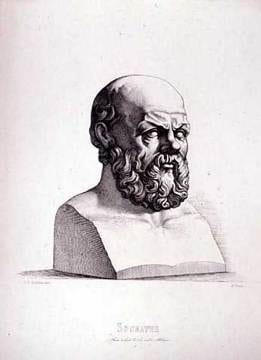
Portrait of Socrates , B. Barloccini
B. Barloccini, Portrait of Socrates, Public domain, via Wikimedia Commons
Source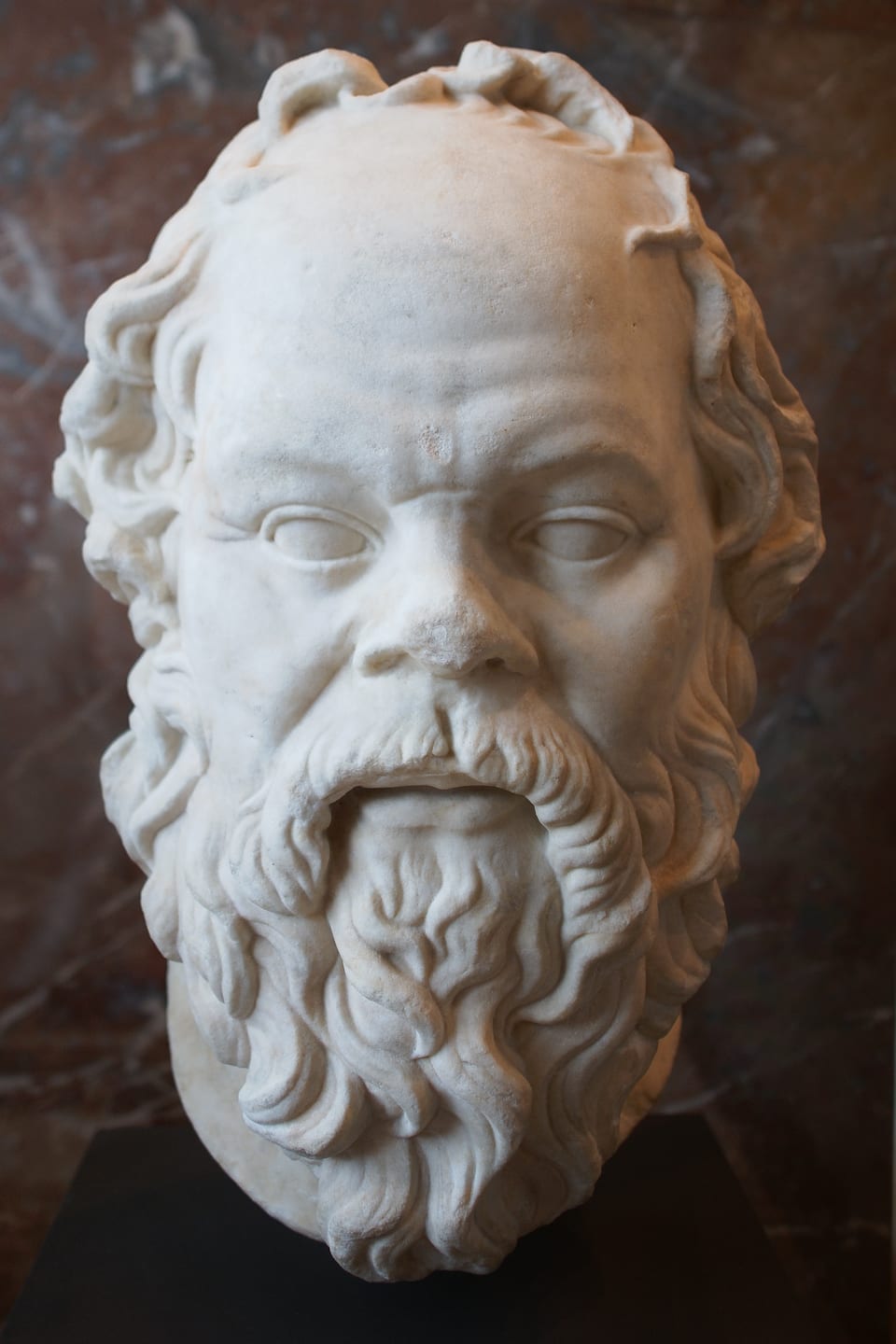
Louvre, Socrates-Sculpture
CherryX, Own work, CC BY-SA 3.0, via Wikimedia Commons
Source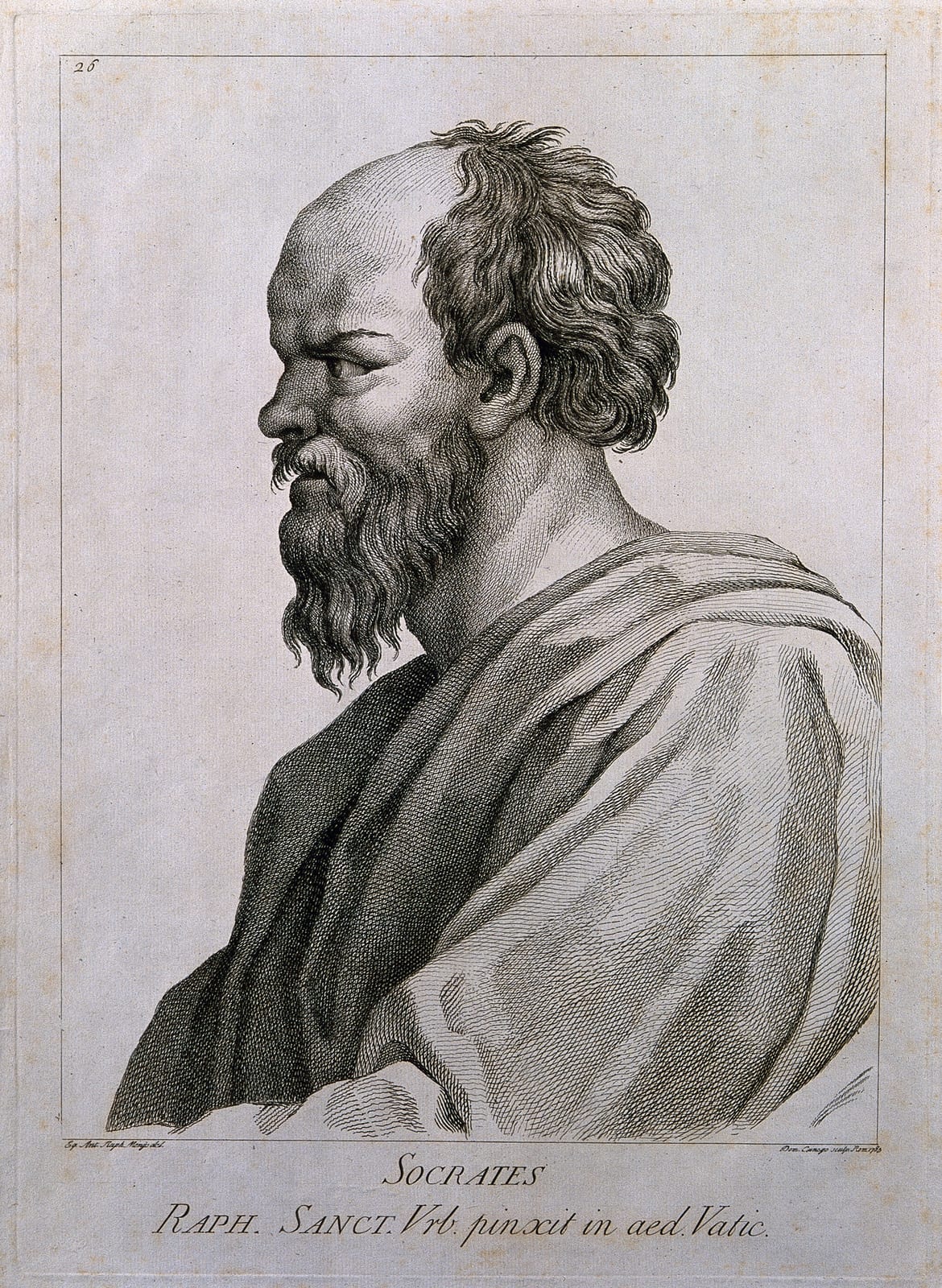
Socrates. Line engraving by D. Cunego, 1783, after A. R. Mengs after Raphael. Iconographic Collections Keywords: engravings; Anton Raphaël Mengs; Domenico Cunego; portrait prints;
CC BY 4.0, via Wikimedia Commons
SourceSources
Related Memorials
Zeno of Citium
Larnaca, Cyprus
A Memory Realm virtual memorial place honoring Zeno of Citium, remembered for Stoicism, Hellenistic philosophy, Ethics.
Pythagoras
Samos, Greece
A Memory Realm virtual memorial place honoring Pythagoras, remembered for Mathematics, Pythagorean theorem, Ancient philosophy.
Epictetus
Nicopolis, Greece
A Memory Realm virtual memorial place honoring Epictetus, remembered for Stoicism, Discourses, Ethics.
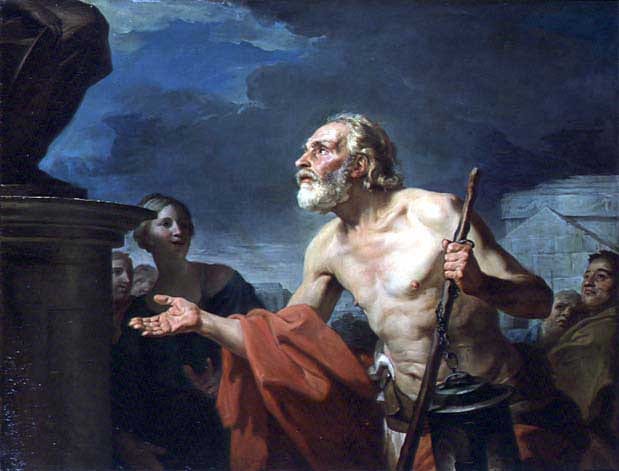
Diogenes
Corinth, Greece
A Memory Realm virtual memorial place honoring Diogenes, remembered for Cynicism, Ancient philosophy, Public wit.
Võ Nguyên Giáp
Hanoi, Vietnam
A Memory Realm virtual memorial place honoring Võ Nguyên Giáp, remembered for Military strategy, Vietnamese history, Dien Bien Phu.
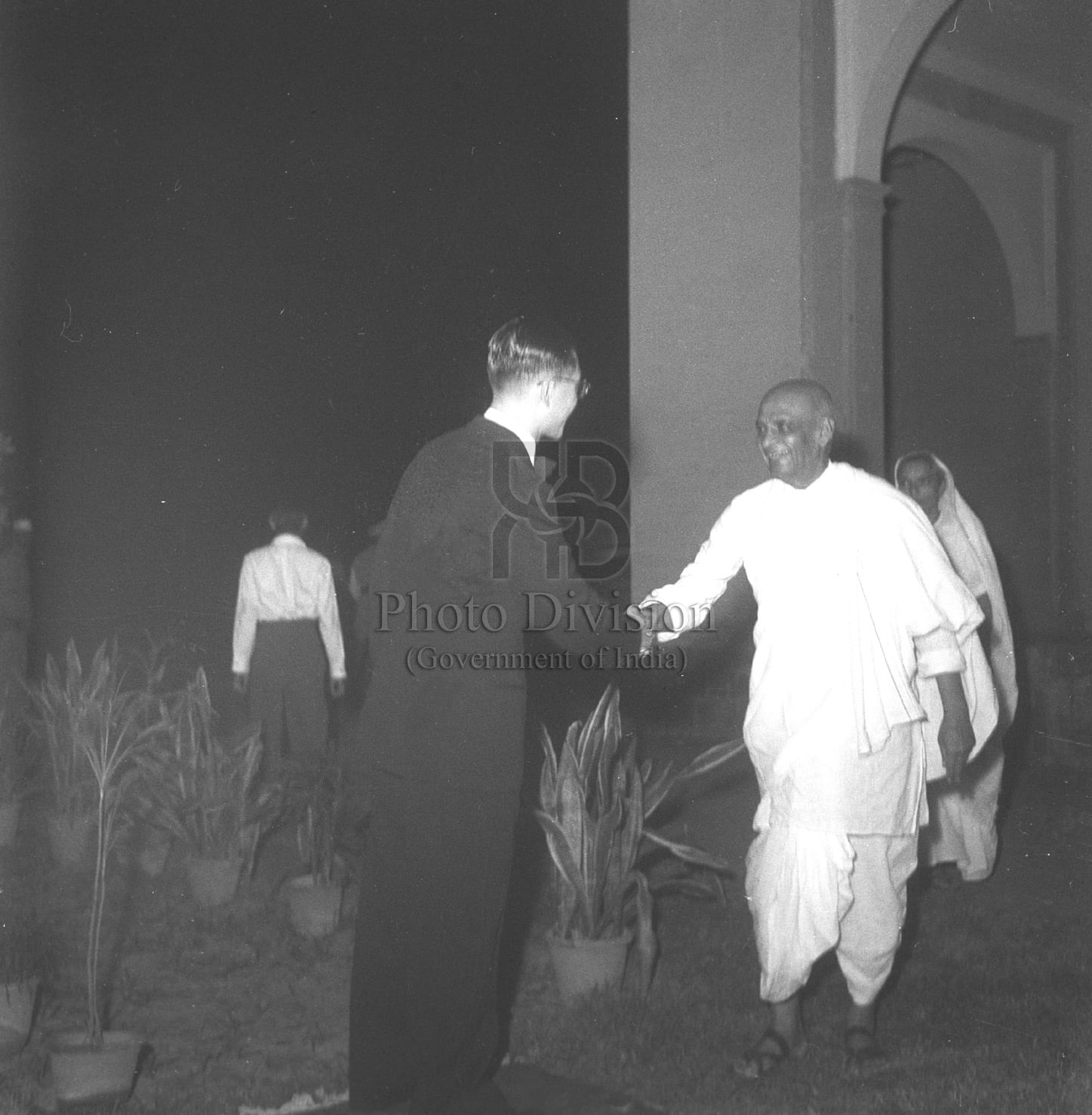
Vallabhbhai Patel
Ahmedabad, India
A Memory Realm virtual memorial place honoring Vallabhbhai Patel, remembered for Indian unification, Public administration, Independence movement.