Virtual Memorial
Sen no Rikyu
A Memory Realm virtual memorial place honoring Sen no Rikyu, remembered for Japanese tea ceremony, Wabi-cha aesthetics, Momoyama culture.
Why Sen no Rikyu Is Remembered
Sen no Rikyu is remembered for japanese tea ceremony, wabi-cha aesthetics, momoyama culture. This public page gives visitors a concise starting point for understanding why this figure remains part of cultural, civic, scientific, or literary memory.
The page is designed as an accessible introduction rather than an exhaustive account, with source links and image credits kept visible for further reading.
A Virtual Memorial in Memory Realm
This Memory Realm memorial hall turns a map reference into a virtual place for discovery. Visitors can move from the public page to the map and then into a 3D memorial hall connected to Sen no Rikyu.
The place is part of Memory Realm's virtual layer. It is not a physical marker and does not claim rights, control, access, endorsement, or affiliation connected to a real-world site.
Place Context
Kyoto, Japan is used as a broad spatial reference for this memorial hall because it is connected to Sen no Rikyu's story, memory, or public legacy. The location is intentionally city-level or region-level so the page can provide orientation without implying a claim over a specific property or institution.
Historical Context
Sen no Rikyū , also known simply as Rikyū, was a Japanese tea master considered the most important influence on the Japanese tea ceremony, particularly the tradition of wabi-cha. He was also the first to emphasize several key aspects of the ceremony, including rustic simplicity, directness of approach and honesty of self. Originating from the Sengoku and Azuchi–Momoyama periods, these aspects of the tea ceremony persist.
Memory Realm presents this context for educational discovery and remembrance, with public source links and media attribution preserved alongside the page content.
Photos
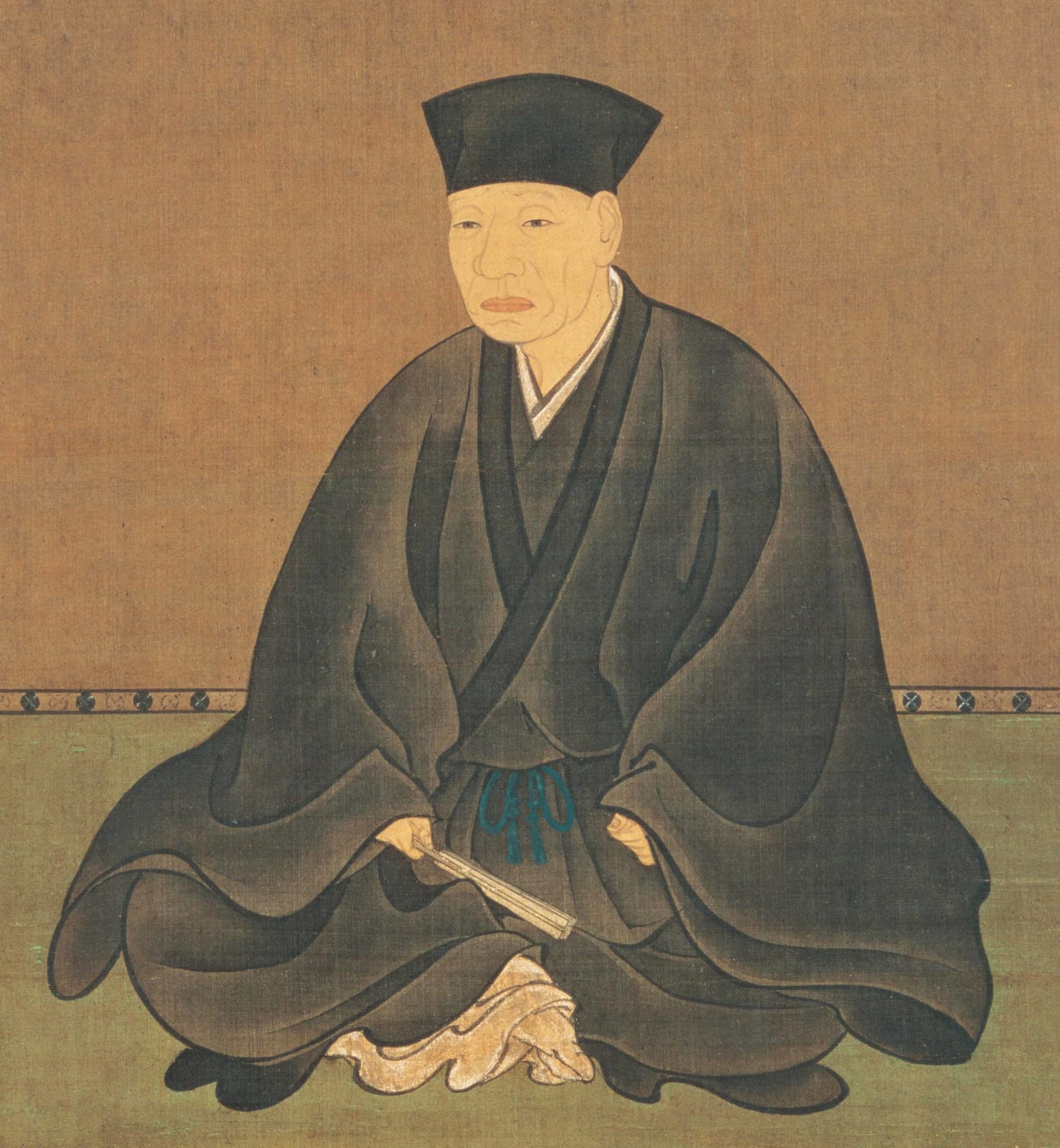
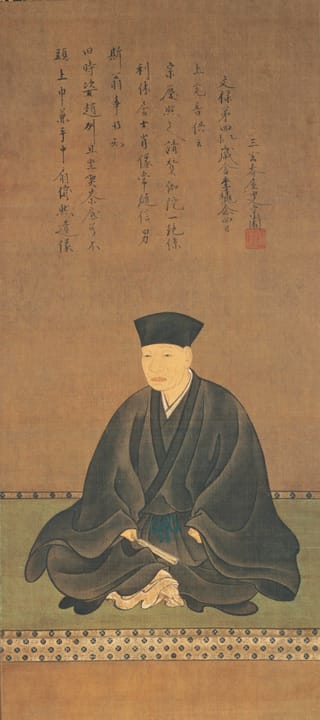
a portrait by Tōhaku Hasegawa ( 長谷川等伯 )(born in 1539 and dead in 1610), calligraphy by Shunoku Sōen (春屋 宗園)(born in 1529 and dead in 1611). Copied from http://www.omotesenke.com/im
painted by 長谷川等伯, calligraphy by 春屋宗園, 1. Brill.com [1] , 2. Omotesenke.com [2] , Omotesenke Fushin'an Foundation, Public domain, via Wikimedia Commons
Source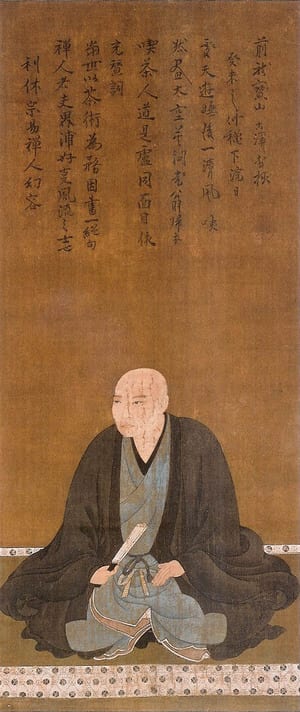
Sen no Rikyū, Masaki Art Museum, Tadaoka, Osaka, Japan
Anonymous Momoyama-period artist, http://katoriexxx.exblog.jp/, Public domain, via Wikimedia Commons
Source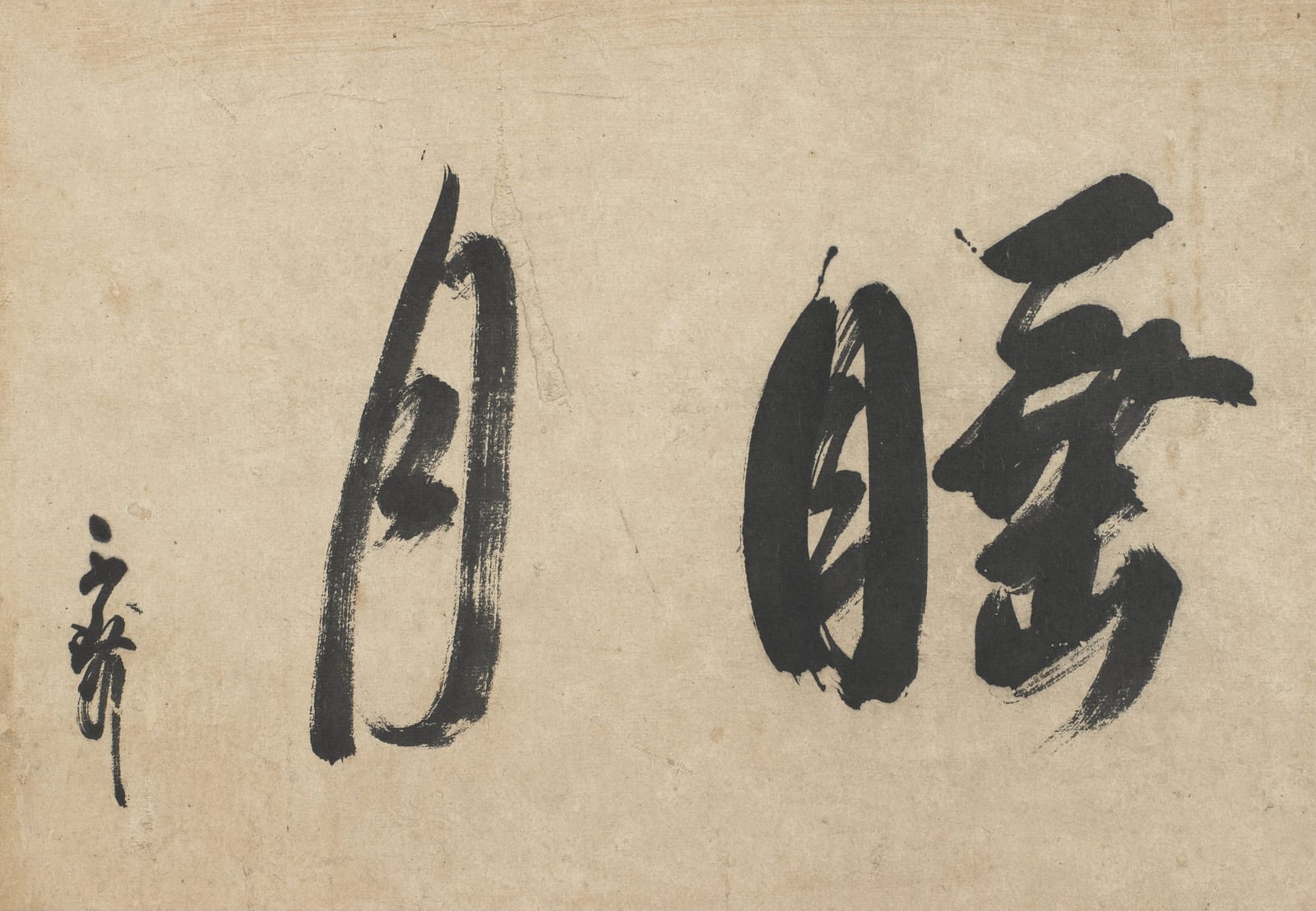
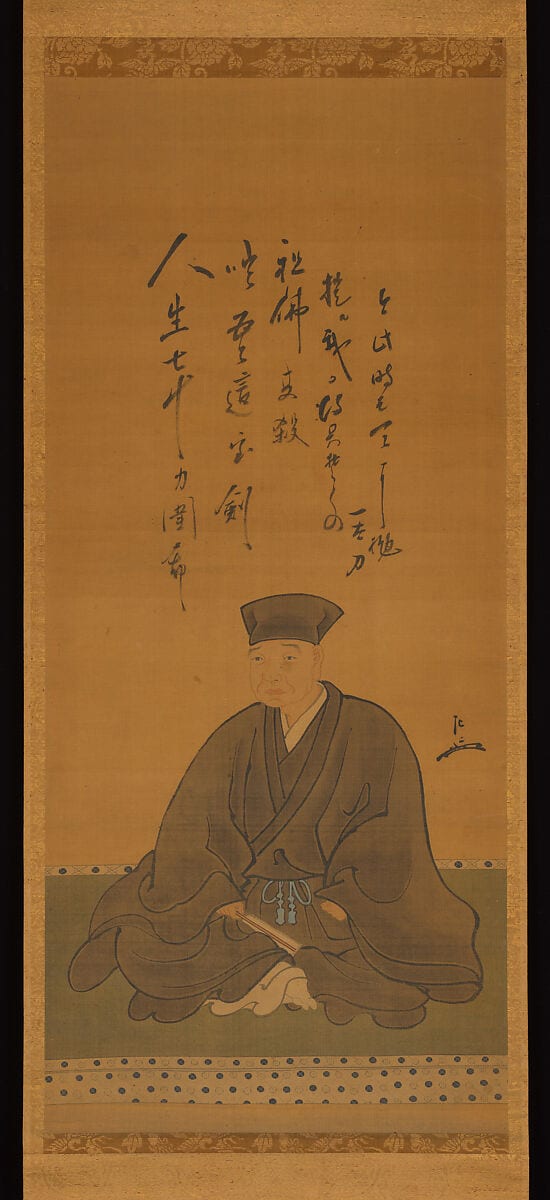
Suigetsu (Intoxicated by the Moon) - Sen no Rikyu - Google Cultural Institute. About 1570. Birmingham Museum of Art. Ink on paper. w16 x h9 IN.
Sen no Rikyū, Google Art Project, Public domain, via Wikimedia Commons
SourceSources
Related Memorials
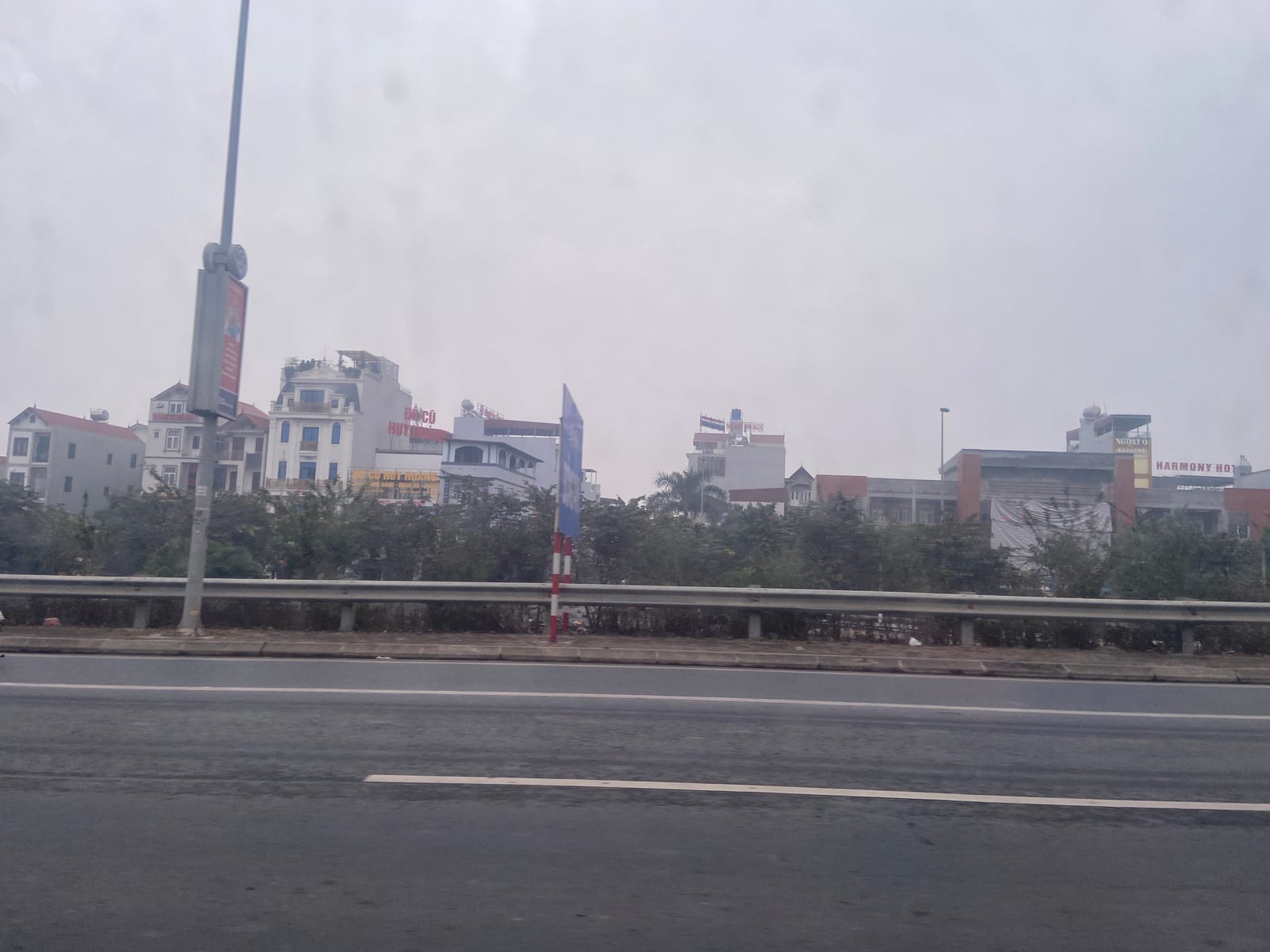
Võ Nguyên Giáp
Hanoi, Vietnam
A Memory Realm virtual memorial place honoring Võ Nguyên Giáp, remembered for Military strategy, Vietnamese history, Dien Bien Phu.
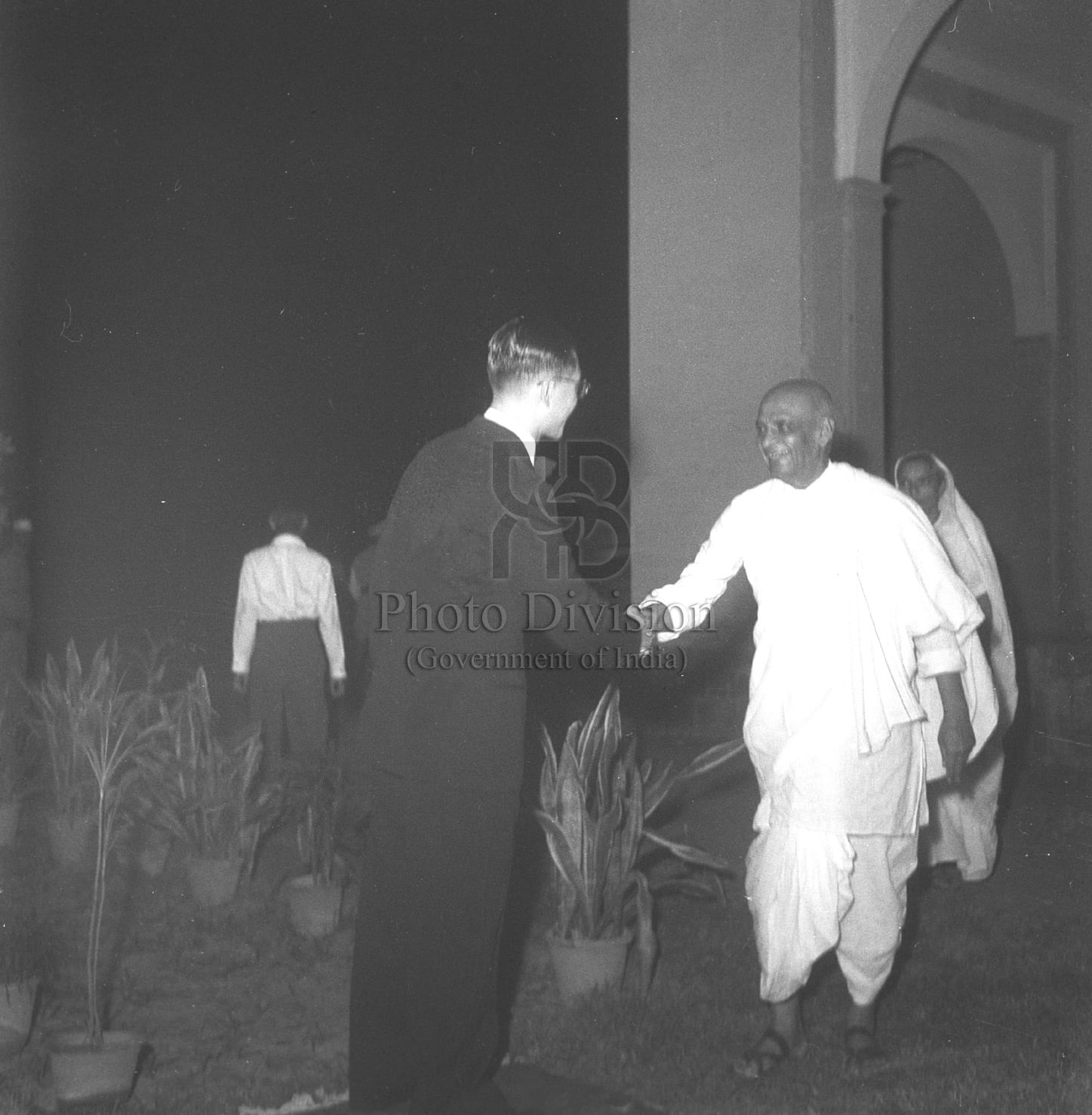
Vallabhbhai Patel
Ahmedabad, India
A Memory Realm virtual memorial place honoring Vallabhbhai Patel, remembered for Indian unification, Public administration, Independence movement.
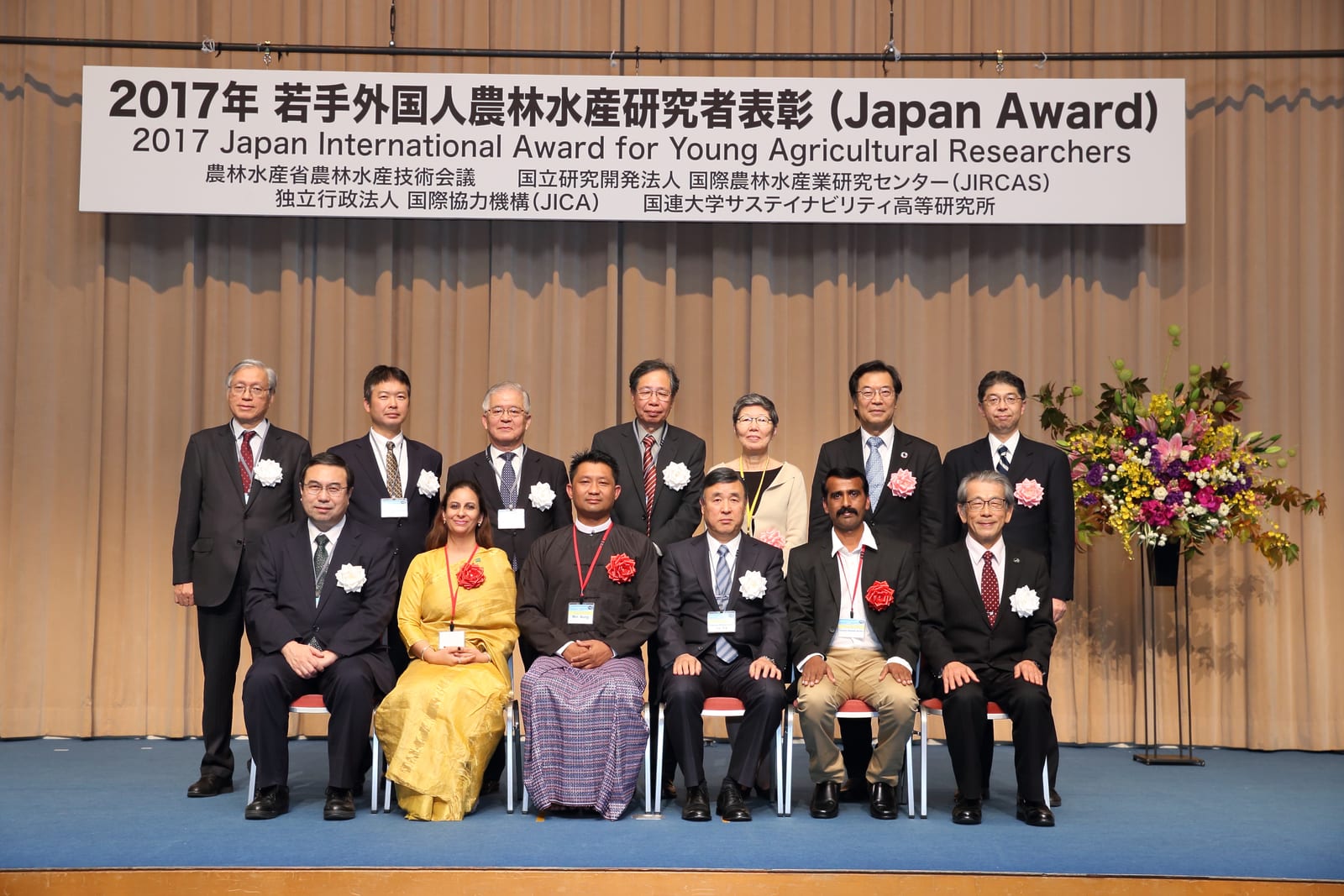
U Thant
Yangon, Myanmar
A Memory Realm virtual memorial place honoring U Thant, remembered for United Nations, Diplomacy, Burmese public service.
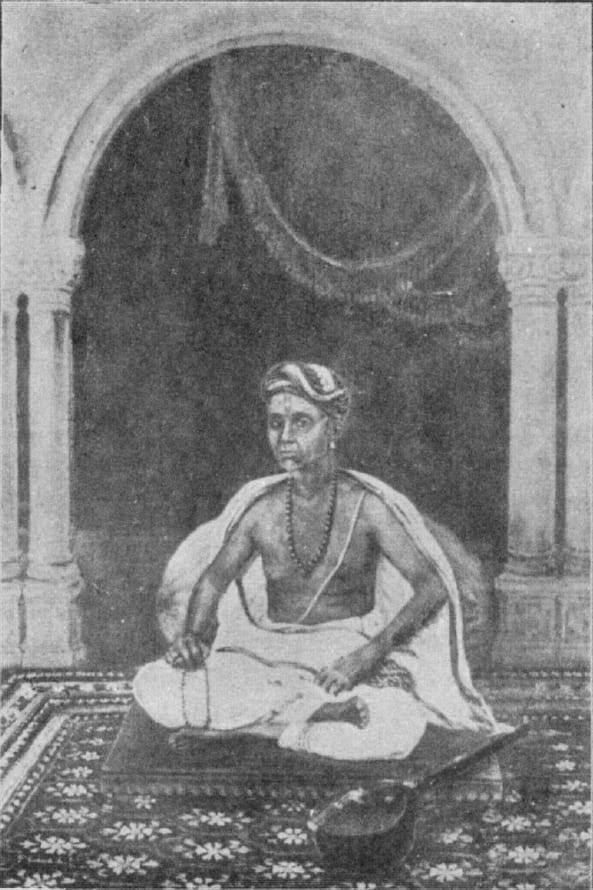
Tyagaraja
Thanjavur, India
A Memory Realm virtual memorial place honoring Tyagaraja, remembered for Carnatic music, Devotional composition, Telugu lyrics.
Tunku Abdul Rahman
Kuala Lumpur, Malaysia
A Memory Realm virtual memorial place honoring Tunku Abdul Rahman, remembered for Malayan independence, Prime ministership, Public leadership.
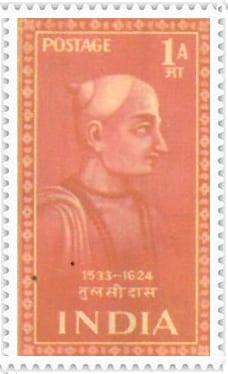
Tulsidas
Varanasi, India
A Memory Realm virtual memorial place honoring Tulsidas, remembered for Ramcharitmanas, Hindi literature, Devotional poetry.