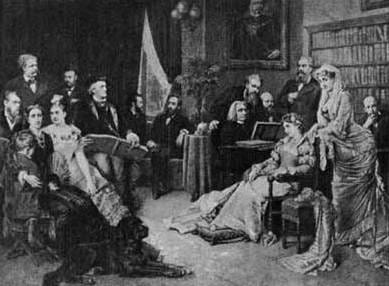
Virtual Memorial
Richard Wagner
A Memory Realm virtual memorial place honoring Richard Wagner, remembered for Opera, Bayreuth Festival, Ring cycle.
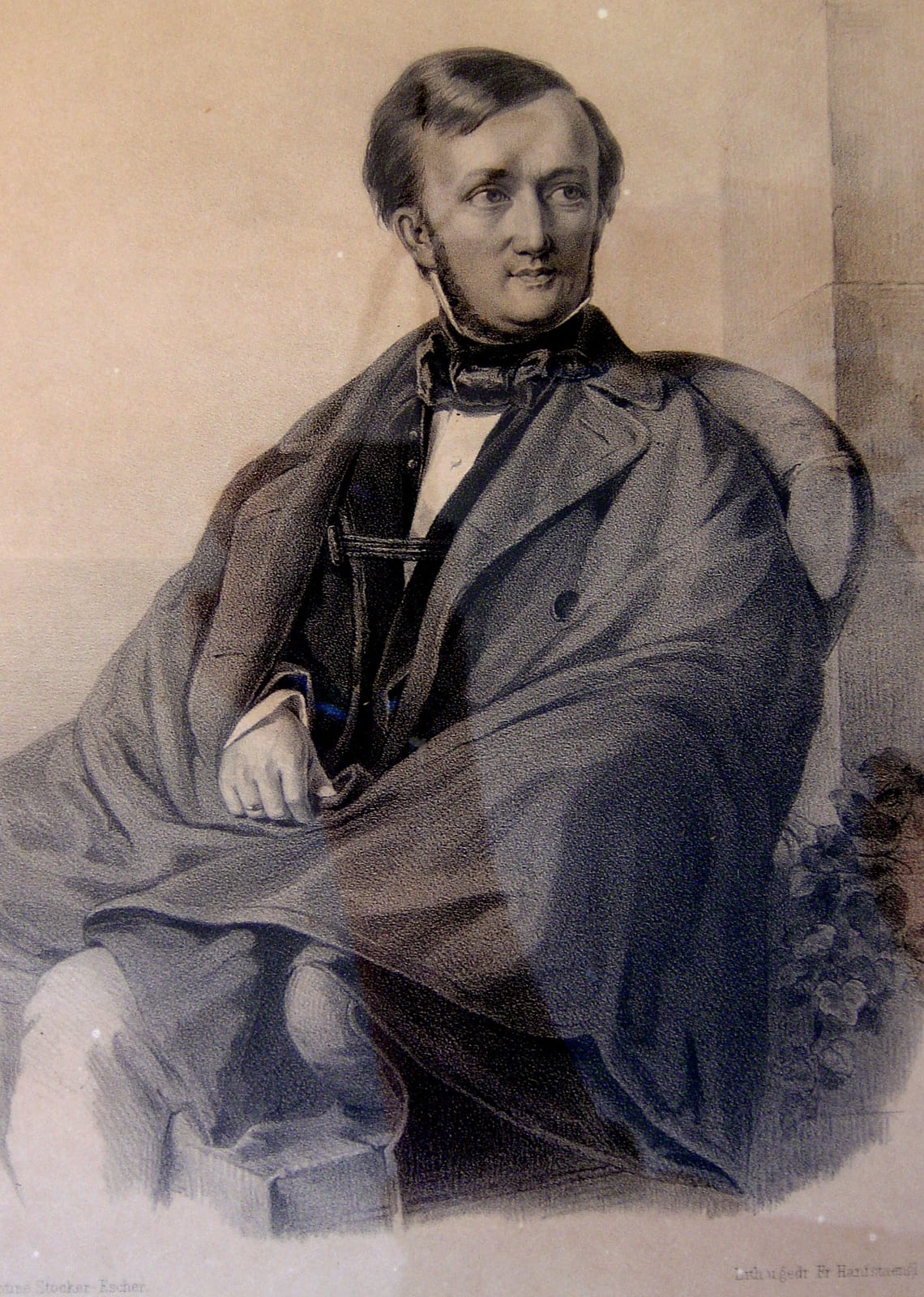
Why Richard Wagner Is Remembered
Richard Wagner is remembered for opera, bayreuth festival, ring cycle. This public page gives visitors a concise starting point for understanding why this figure remains part of cultural, civic, scientific, or literary memory.
The page is designed as an accessible introduction rather than an exhaustive account, with source links and image credits kept visible for further reading.
A Virtual Memorial in Memory Realm
This Memory Realm memorial hall turns a map reference into a virtual place for discovery. Visitors can move from the public page to the map and then into a 3D memorial hall connected to Richard Wagner.
The place is part of Memory Realm's virtual layer. It is not a physical marker and does not claim rights, control, access, endorsement, or affiliation connected to a real-world site.
Place Context
Bayreuth, Germany is used as a broad spatial reference for this memorial hall because it is connected to Richard Wagner's story, memory, or public legacy. The location is intentionally city-level or region-level so the page can provide orientation without implying a claim over a specific property or institution.
Historical Context
Wilhelm Richard Wagner was a German composer, theatre director, essayist, and conductor, best known for his operas, although his mature works are often referred to as music dramas. Unlike most composers, Wagner wrote both the libretti and the music for all of his stage works. He first achieved recognition with works in the Romantic tradition of Carl Maria von Weber and Giacomo Meyerbeer, but revolutionised the genre through his concept of the Gesamtkunstwerk, which sought to unite poetic, musical, visual, and dramatic elements. In that approach, the drama unfolds as a continuously sung narrative, with the music evolving organically from the text rather than alternating between arias and recitatives. Wagner outlined those ideas in a series of essays published between 1849 and 1852, most fully realising them in the first half of his four-opera cycle Der Ring des Nibelungen.
Memory Realm presents this context for educational discovery and remembrance, with public source links and media attribution preserved alongside the page content.
Photos
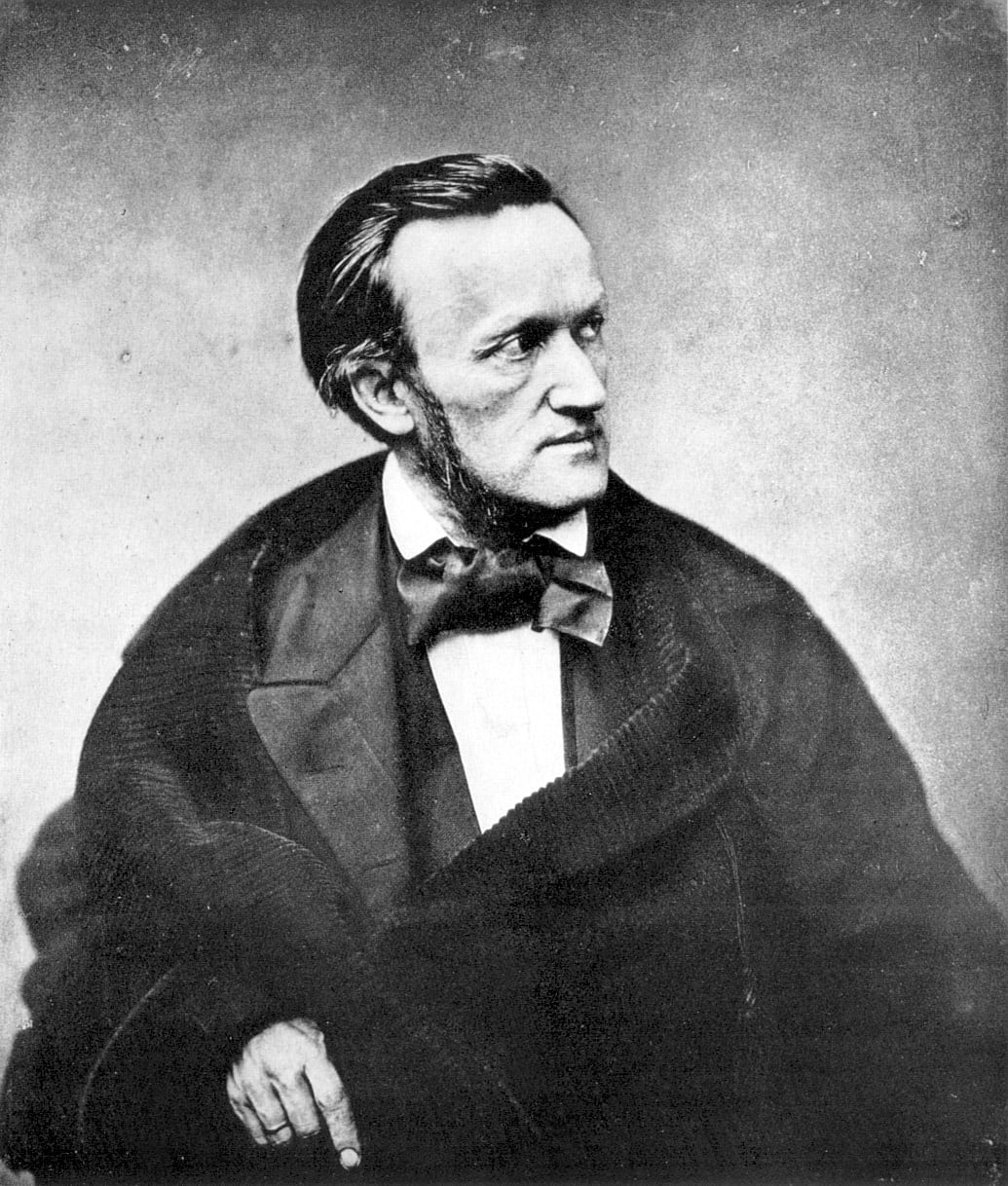
Photograph of composer Richard Wagner, Paris, 1861 (catalog number 007); this was taken when Wagner was in France for the premiere of Tannhauser . [ 1 ] A 1901 letter from Fillon t
Pierre Petit, Third party reproduction from Die Bildnisse Richard Wagners ( The Portraits of Richard Wagner ), a 1970 publication reproducing all the known portraits (photographs, drawings, paintings, likenesses) of Wagner made during his lifetime (1813-1883);
Source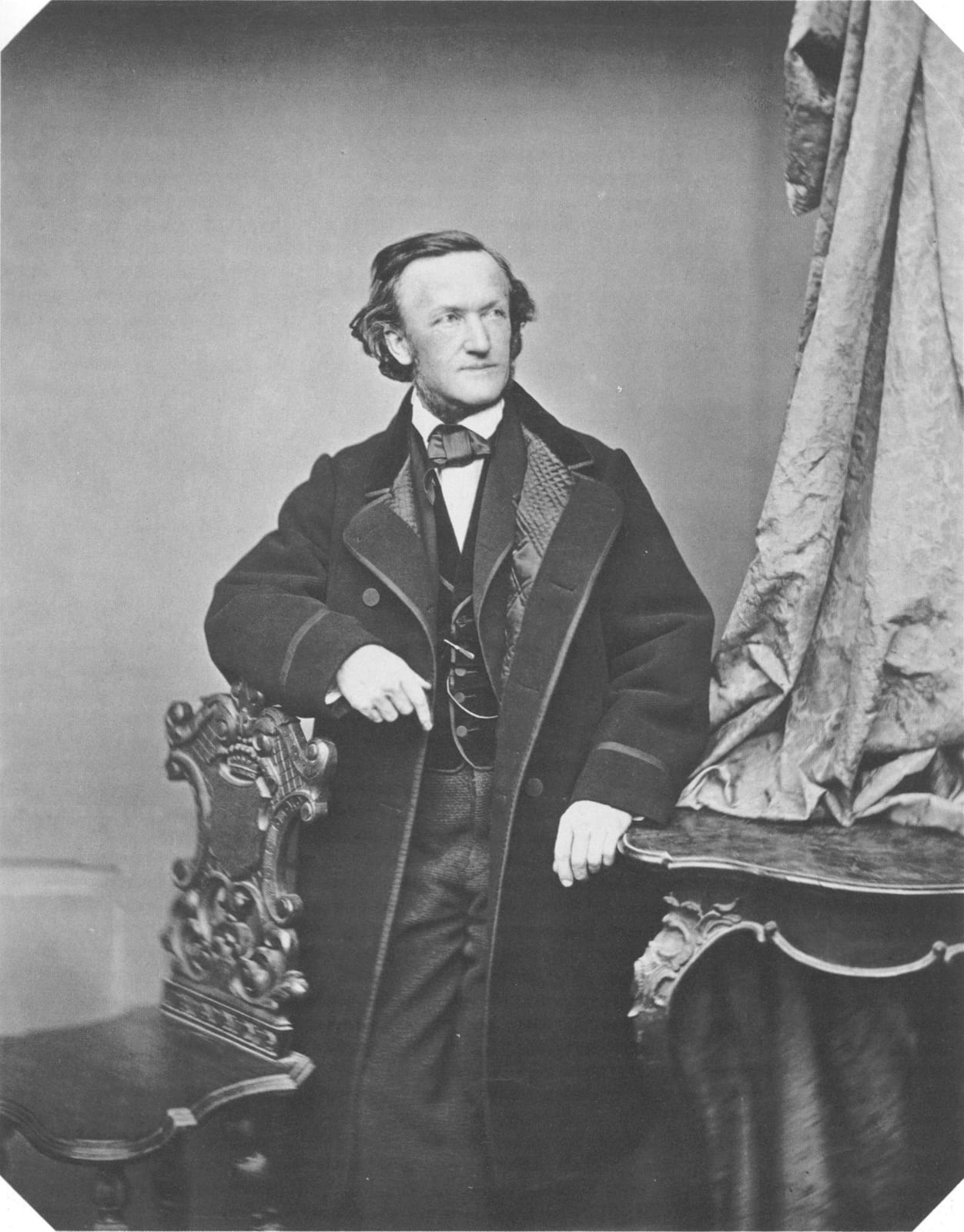
Richard Wagner (1813-1883)
Franz Hanfstaengl, Self-scanned, Public domain, via Wikimedia Commons
Source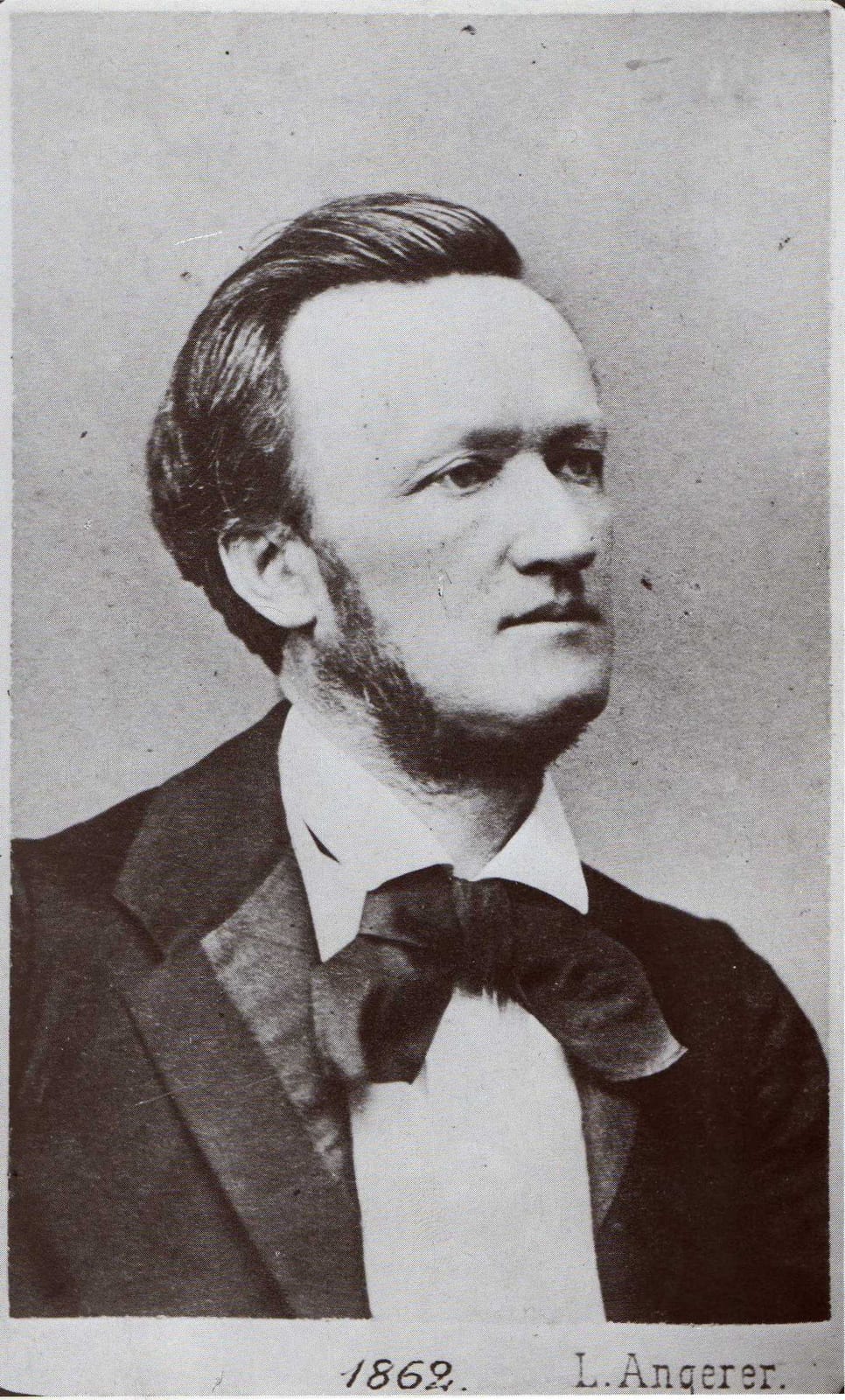
Portrait of Richard Wagner in 1862
Ludwig Angerer, Wagner caricature and photography (Gran Teatro La Fenice- Comune di Venezia, Public domain, via Wikimedia Commons
SourceSources
Related Memorials
Giuseppe Verdi
Busseto, Italy
A Memory Realm virtual memorial place honoring Giuseppe Verdi, remembered for Opera, Italian music, Risorgimento culture.
Gioachino Rossini
Pesaro, Italy
A Memory Realm virtual memorial place honoring Gioachino Rossini, remembered for Opera, The Barber of Seville, Italian bel canto.
Giacomo Puccini
Lucca, Italy
A Memory Realm virtual memorial place honoring Giacomo Puccini, remembered for Opera, La bohème, Tosca.
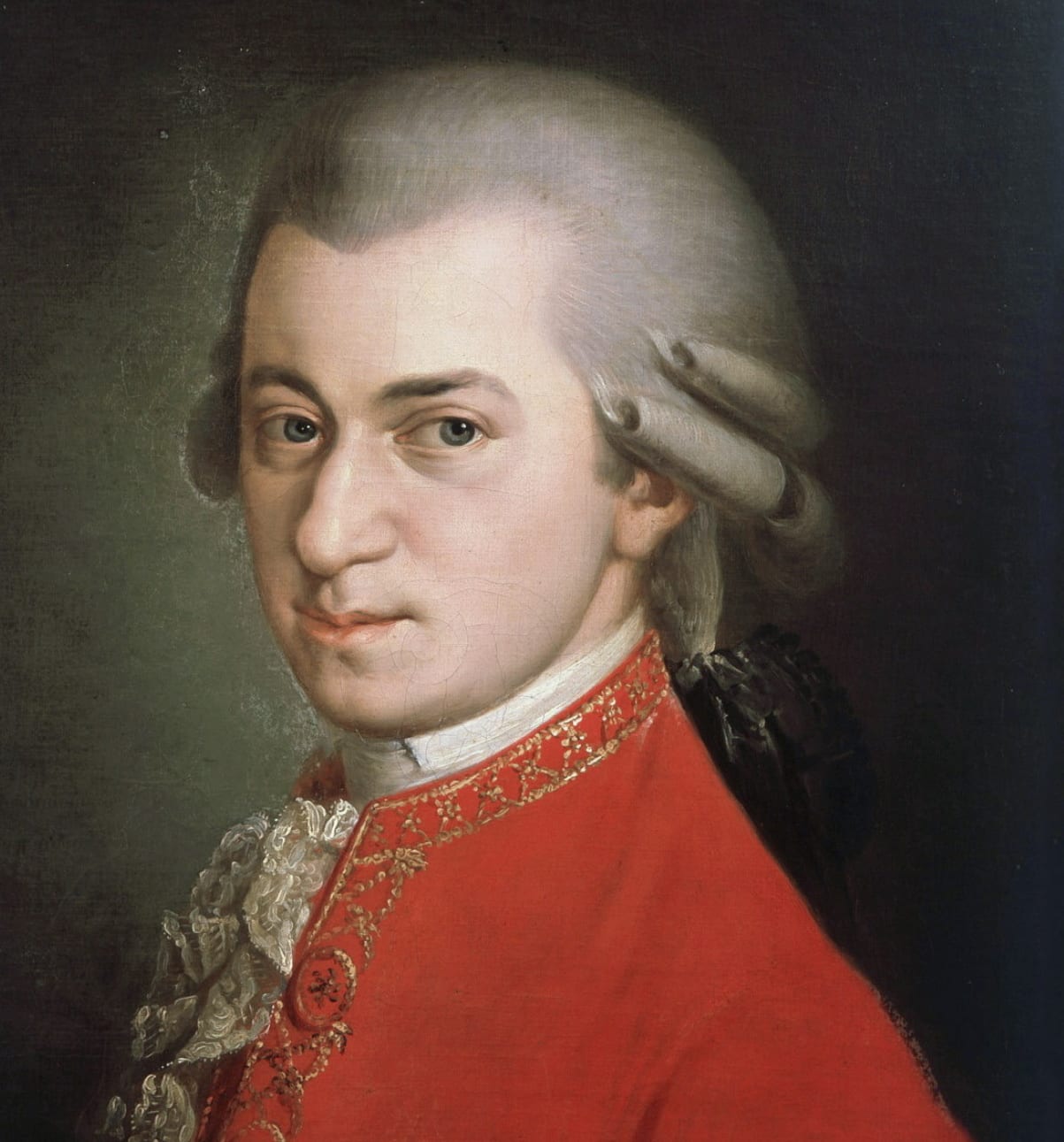
Wolfgang Amadeus Mozart
Salzburg, Austria
A Memory Realm virtual memorial place honoring Wolfgang Amadeus Mozart, remembered for Classical music, Opera, Symphonies.
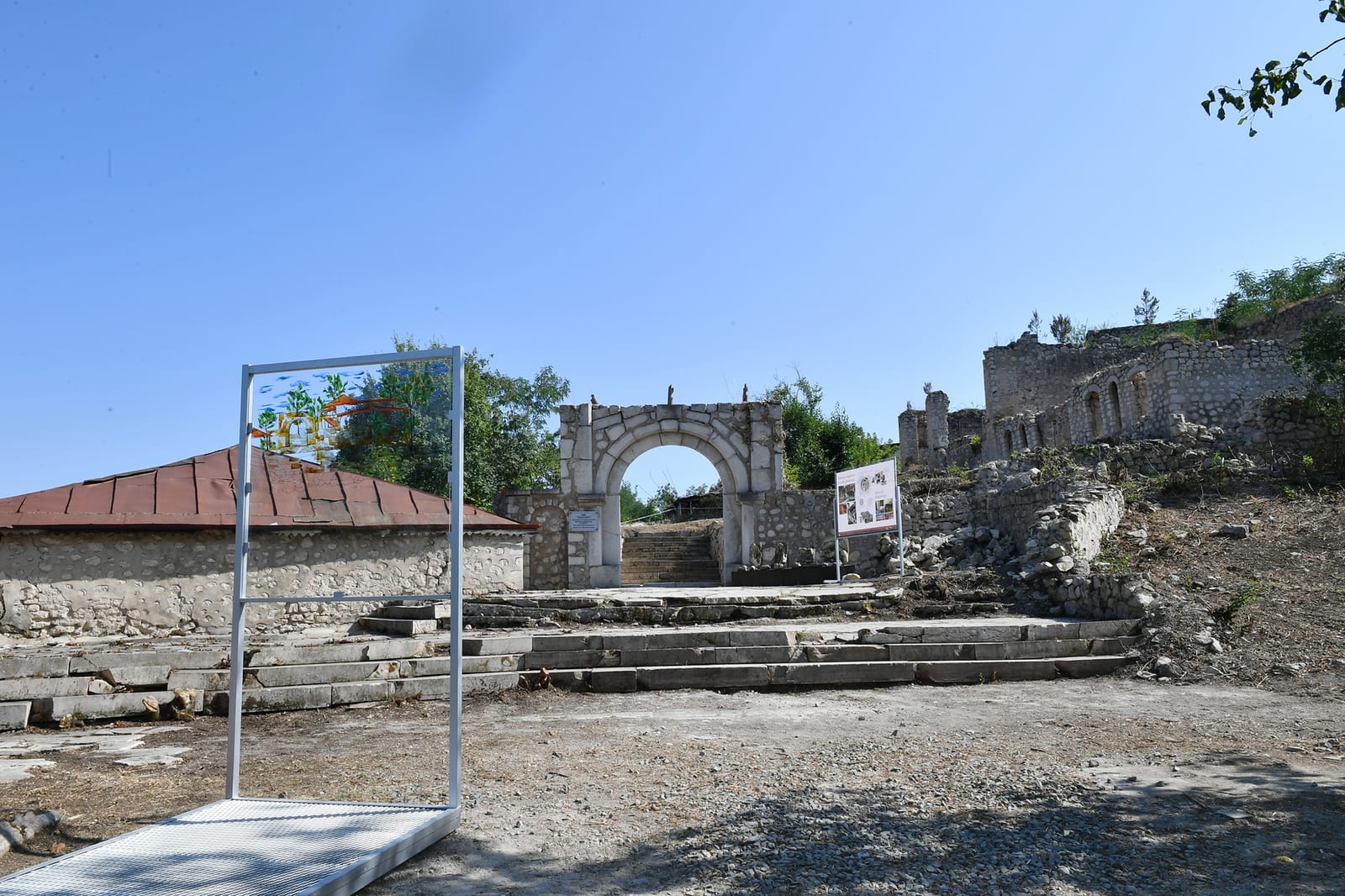
Uzeyir Hajibeyov
Baku, Azerbaijan
A Memory Realm virtual memorial place honoring Uzeyir Hajibeyov, remembered for Music, Opera, Azerbaijani culture.
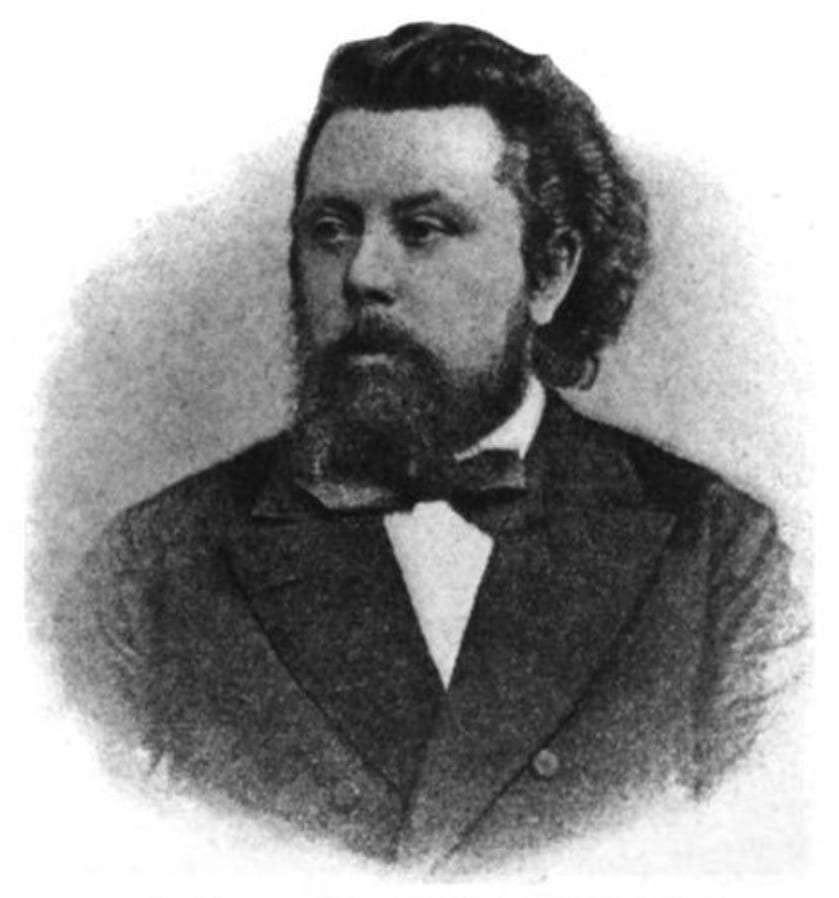
Modest Mussorgsky
Saint Petersburg, Russia
A Memory Realm virtual memorial place honoring Modest Mussorgsky, remembered for Classical music, Opera, Russian composition.