Virtual Memorial
Nikolai Leskov
A Memory Realm virtual memorial place honoring Nikolai Leskov, remembered for Fiction, Russian prose, Satire.
Why Nikolai Leskov Is Remembered
Nikolai Leskov is remembered for fiction, russian prose, satire. This public page gives visitors a concise starting point for understanding why this figure remains part of cultural, civic, scientific, or literary memory.
The page is designed as an accessible introduction rather than an exhaustive account, with source links and image credits kept visible for further reading.
A Virtual Memorial in Memory Realm
This Memory Realm memorial hall turns a map reference into a virtual place for discovery. Visitors can move from the public page to the map and then into a 3D memorial hall connected to Nikolai Leskov.
The place is part of Memory Realm's virtual layer. It is not a physical marker and does not claim rights, control, access, endorsement, or affiliation connected to a real-world site.
Place Context
Oryol, Russia is used as a broad spatial reference for this memorial hall because it is connected to Nikolai Leskov's story, memory, or public legacy. The location is intentionally city-level or region-level so the page can provide orientation without implying a claim over a specific property or institution.
Historical Context
Nikolai Semyonovich Leskov was a Russian novelist, short-story writer, playwright, and journalist, who also wrote under the pseudonym M. Stebnitsky. Praised for his unique writing style and innovative experiments in form, and held in high esteem by Leo Tolstoy, Anton Chekhov and Maxim Gorky among others, Leskov is credited with creating a comprehensive picture of contemporary Russian society using mostly short literary forms. His major works include Lady Macbeth of Mtsensk (1865), which was later made into an opera by Shostakovich); The Cathedral Folk (1872); The Enchanted Wanderer (1873); and "The Tale of Cross-eyed Lefty from Tula and the Steel Flea" (1881).
Memory Realm presents this context for educational discovery and remembrance, with public source links and media attribution preserved alongside the page content.
Photos
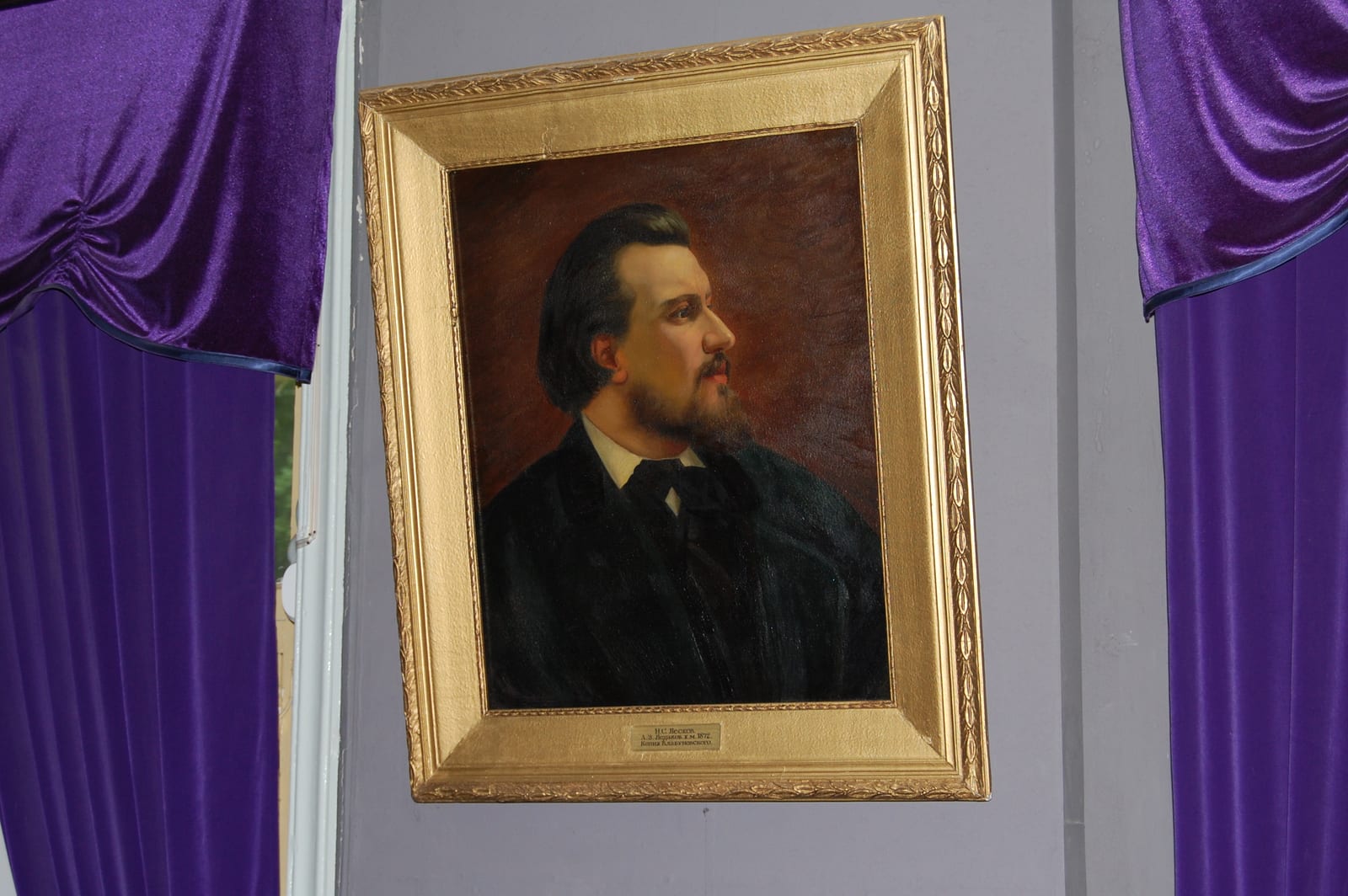
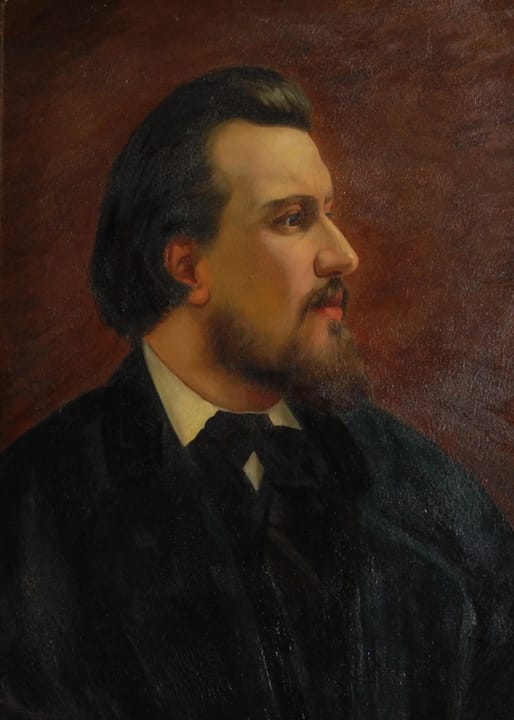
Портрет Н.С.Лескова кисти А.З.Ледакова (1872), копия Клабуновского
Игорь Феденко, Own work, CC BY 3.0, via Wikimedia Commons
Source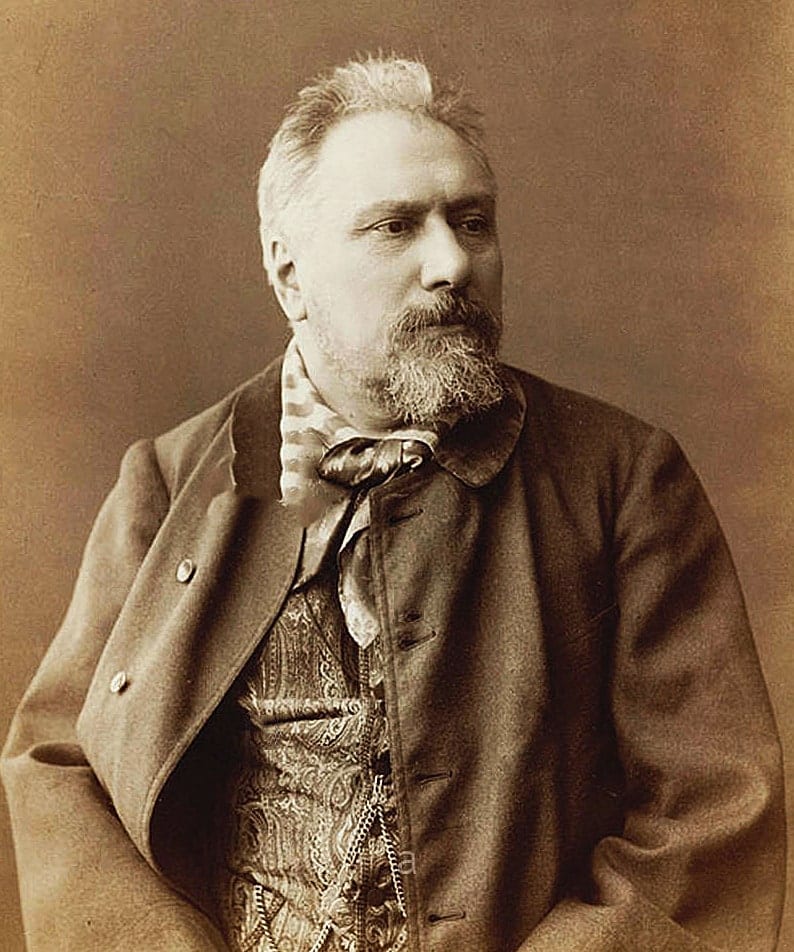
Русский писатель Лесков Николай Семенович. Примерно 1880-е гг.
Unknown author Unknown author, https://interesnyefakty.org/wp-content/uploads/Nikolay-Leskov-6.jpg, Public domain, via Wikimedia Commons
Source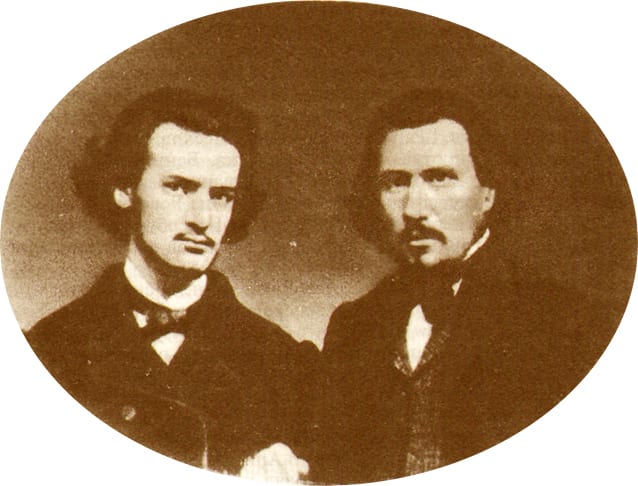
Arthur Benni and Nikolay Leskov
Unknown author Unknown author, Литературное наследство, т. 101, кн. 1. М., Наследие, 1997, стр. 631., Public domain, via Wikimedia Commons
SourceSources
Related Memorials
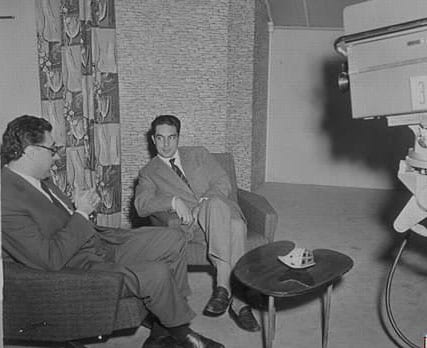
Italo Calvino
Turin, Italy
A Memory Realm virtual memorial place honoring Italo Calvino, remembered for Fiction, Invisible Cities, Postwar Italian literature.
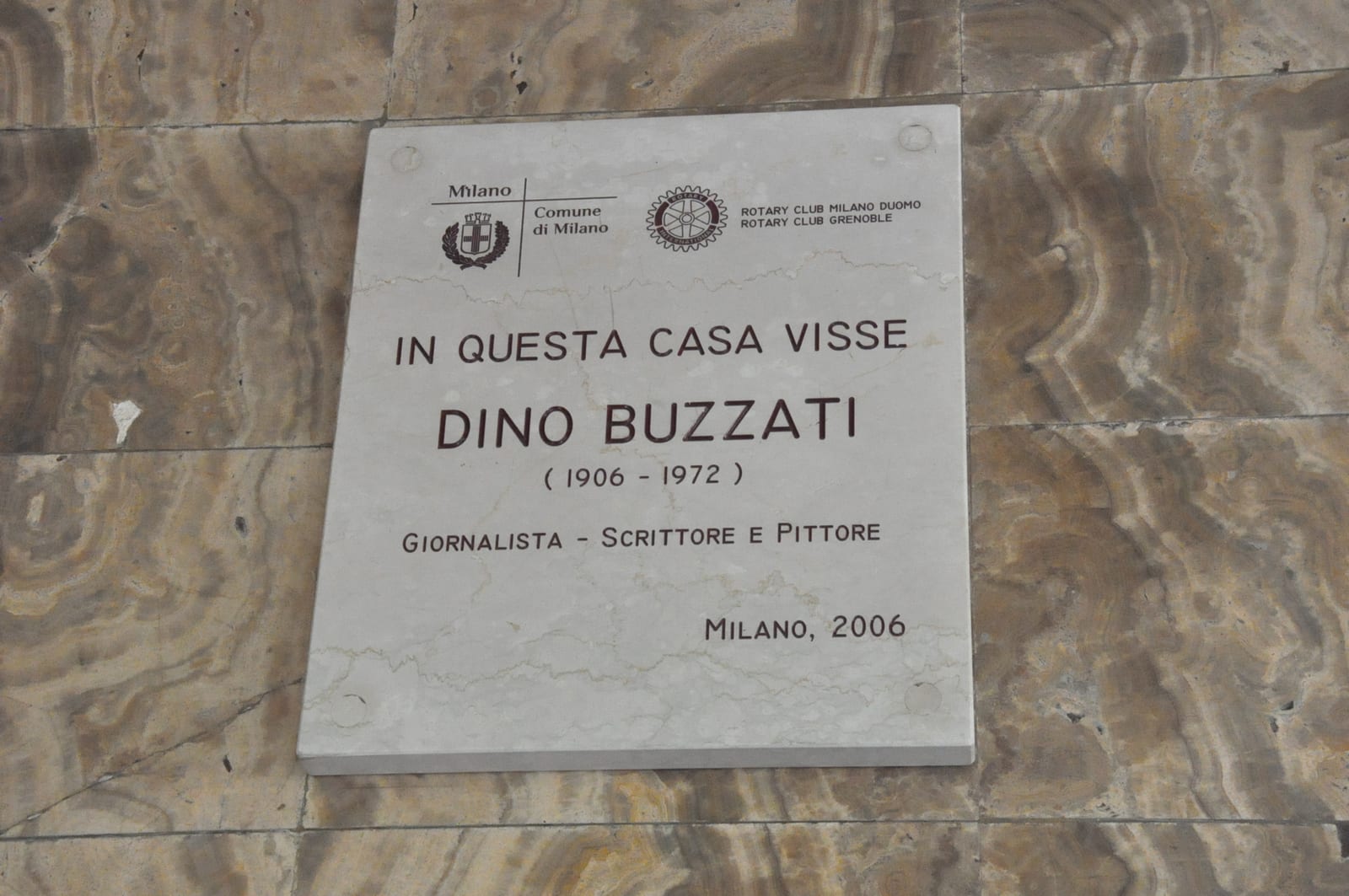
Dino Buzzati
Belluno, Italy
A Memory Realm virtual memorial place honoring Dino Buzzati, remembered for Fiction, The Tartar Steppe, Journalism.
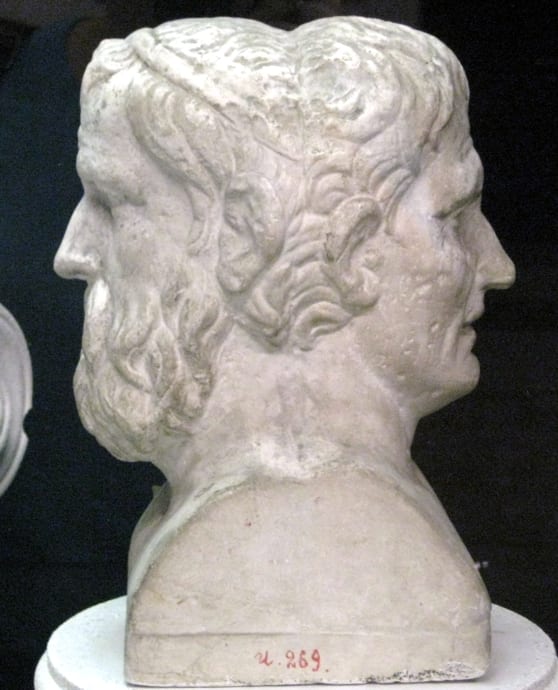
Aristophanes
Athens, Greece
A Memory Realm virtual memorial place honoring Aristophanes, remembered for Old Comedy, Greek theater, Satire.
Karl Kraus
Vienna, Austria
A Memory Realm virtual memorial place honoring Karl Kraus, remembered for Satire, Journalism, Die Fackel.
Guerra Junqueiro
Freixo de Espada a Cinta, Portugal
A Memory Realm virtual memorial place honoring Guerra Junqueiro, remembered for Portuguese poetry, Republican writing, Satire.
Bocage
Setubal, Portugal
A Memory Realm virtual memorial place honoring Bocage, remembered for Portuguese poetry, Satire, Neoclassical literature.