Virtual Memorial
Mori Ogai
A Memory Realm virtual memorial place honoring Mori Ogai, remembered for Modern Japanese literature, Military medicine, Meiji intellectual life.
Why Mori Ogai Is Remembered
Mori Ogai is remembered for modern japanese literature, military medicine, meiji intellectual life. This public page gives visitors a concise starting point for understanding why this figure remains part of cultural, civic, scientific, or literary memory.
The page is designed as an accessible introduction rather than an exhaustive account, with source links and image credits kept visible for further reading.
A Virtual Memorial in Memory Realm
This Memory Realm memorial hall turns a map reference into a virtual place for discovery. Visitors can move from the public page to the map and then into a 3D memorial hall connected to Mori Ogai.
The place is part of Memory Realm's virtual layer. It is not a physical marker and does not claim rights, control, access, endorsement, or affiliation connected to a real-world site.
Place Context
Tokyo, Japan is used as a broad spatial reference for this memorial hall because it is connected to Mori Ogai's story, memory, or public legacy. The location is intentionally city-level or region-level so the page can provide orientation without implying a claim over a specific property or institution.
Historical Context
Lieutenant-General Mori Rintarō , known by his pen name Mori Ōgai , was a Japanese Army Surgeon general officer, translator, novelist, poet and father of famed author Mari Mori. He obtained his medical license at a very young age and introduced translated German language literary works to the Japanese public. Mori Ōgai also was considered the first to successfully express the art of western poetry in Japanese. He wrote many works and created many writing styles. The Wild Geese (1911–1913) is considered his major work. After his death, he was considered one of the leading writers who modernized Japanese literature.
Memory Realm presents this context for educational discovery and remembrance, with public source links and media attribution preserved alongside the page content.
Photos
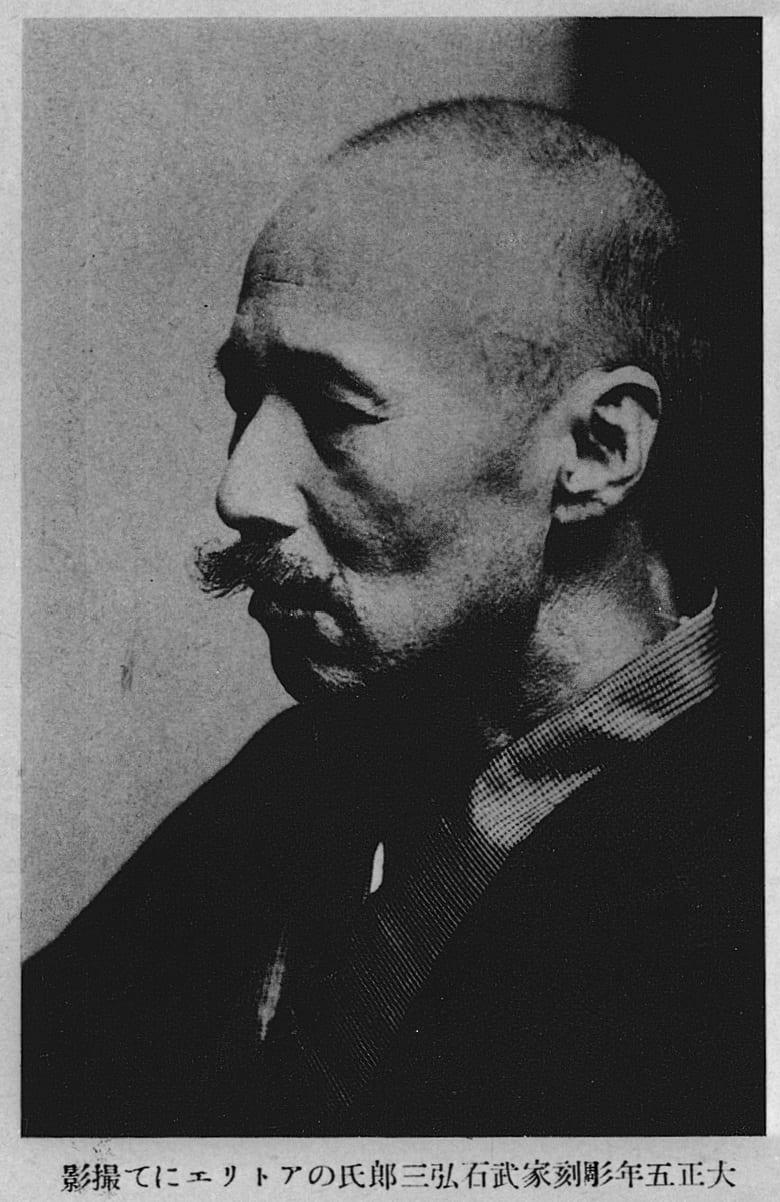
Portrait of Mori Ogai (森鷗外, 1862 – 1922)
Unknown author Unknown author, This image is available from the website of the National Diet Library, Public domain, via Wikimedia Commons
Source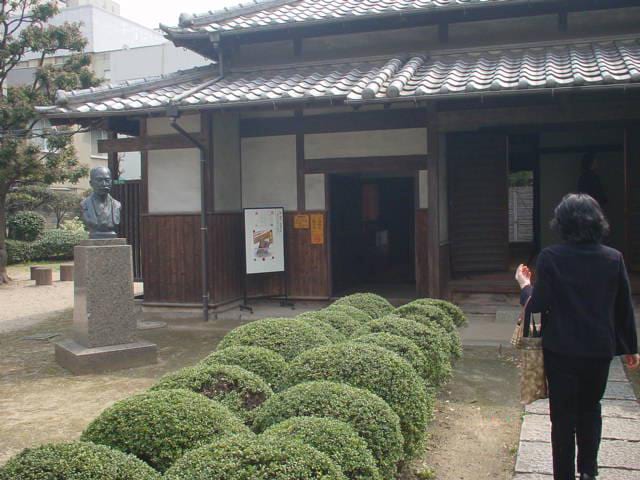
Mori Ogai's house, Kokura Kita ward, Kitakyushu Photo taken by Ian Ruxton, April 3, 2004 Original uploader: Historian
No machine-readable author provided. Historian~commonswiki assumed (based on copyright claims)., No machine-readable source provided. Own work assumed (based on copyright claims)., CC BY 2.5, via Wikimedia Commons
Source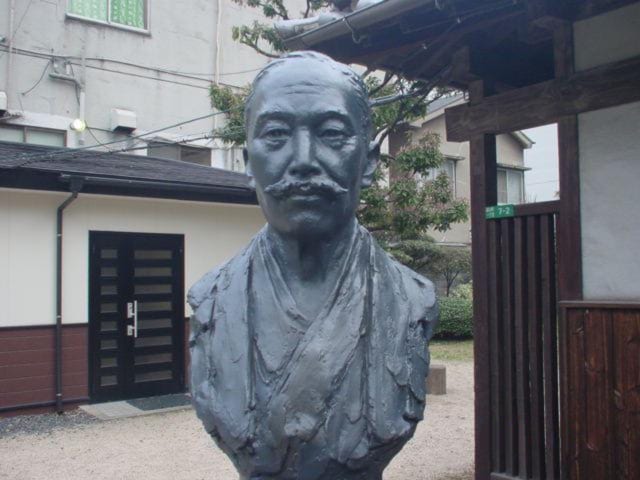
Mori Ogai bust at his house in Kokura, Kitakyushu Taken and upoaded by Ian Ruxton ( Historian )
No machine-readable author provided. Historian~commonswiki assumed (based on copyright claims)., No machine-readable source provided. Own work assumed (based on copyright claims)., CC BY 2.5, via Wikimedia Commons
SourceSources
Related Memorials
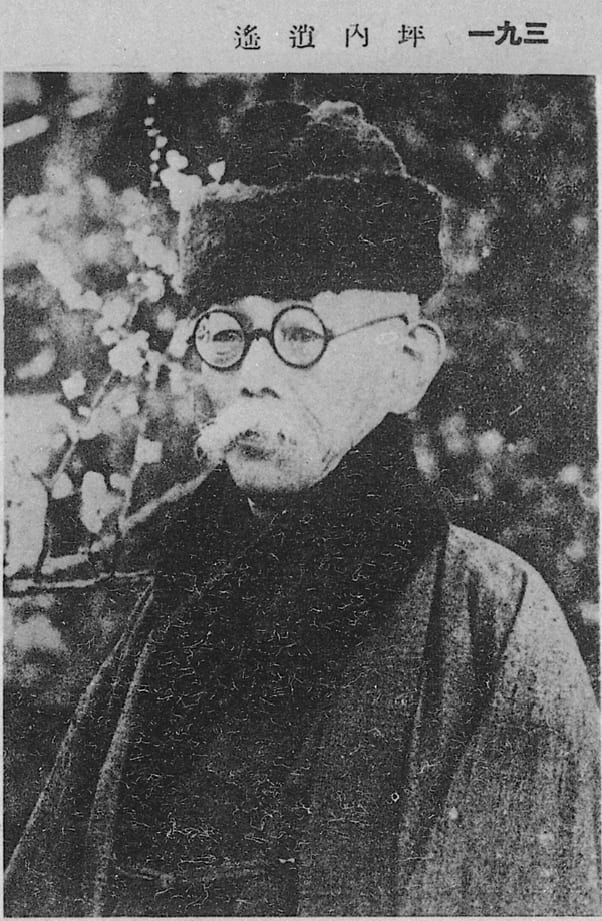
Tsubouchi Shoyo
Tokyo, Japan
A Memory Realm virtual memorial place honoring Tsubouchi Shoyo, remembered for Modern Japanese literature, Shakespeare translation, Theatre studies.
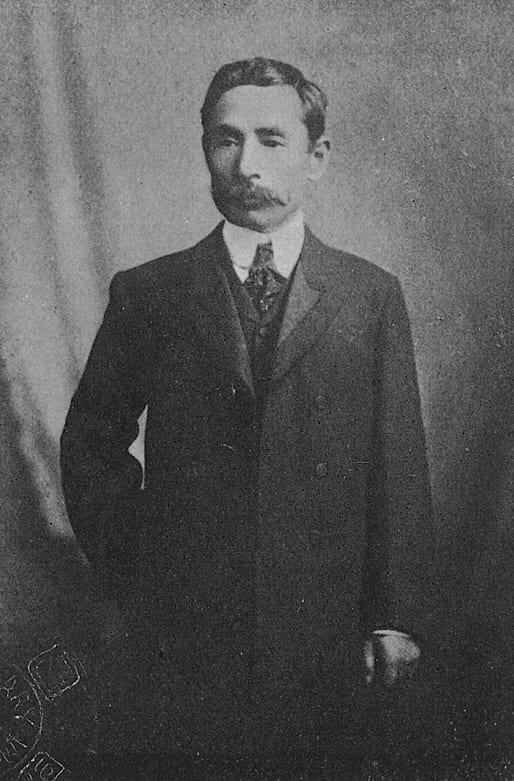
Natsume Soseki
Tokyo, Japan
A Memory Realm virtual memorial place honoring Natsume Soseki, remembered for Kokoro, I Am a Cat, Modern Japanese literature.
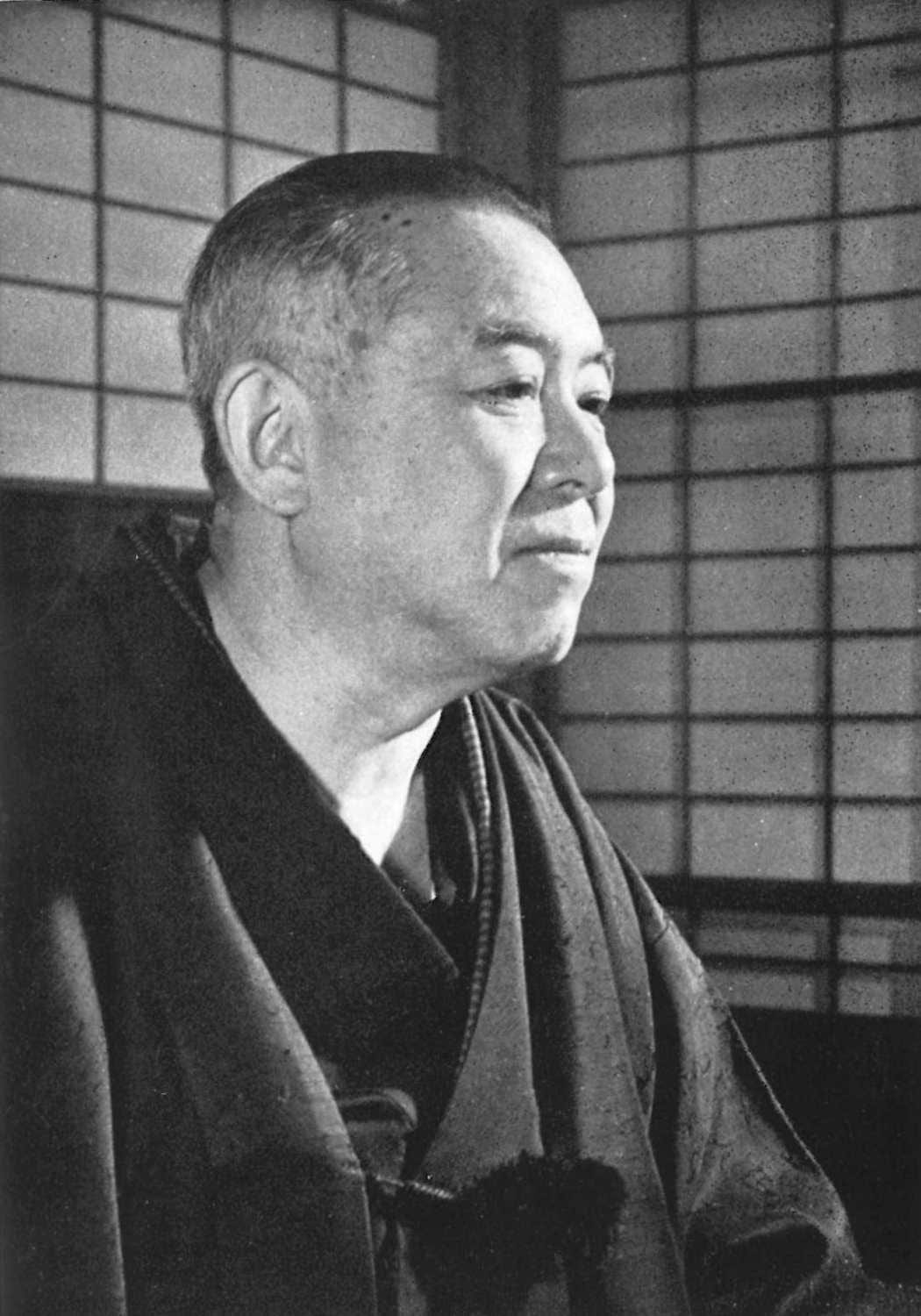
Junichiro Tanizaki
Kyoto, Japan
A Memory Realm virtual memorial place honoring Junichiro Tanizaki, remembered for The Makioka Sisters, In Praise of Shadows, Modern Japanese literature.
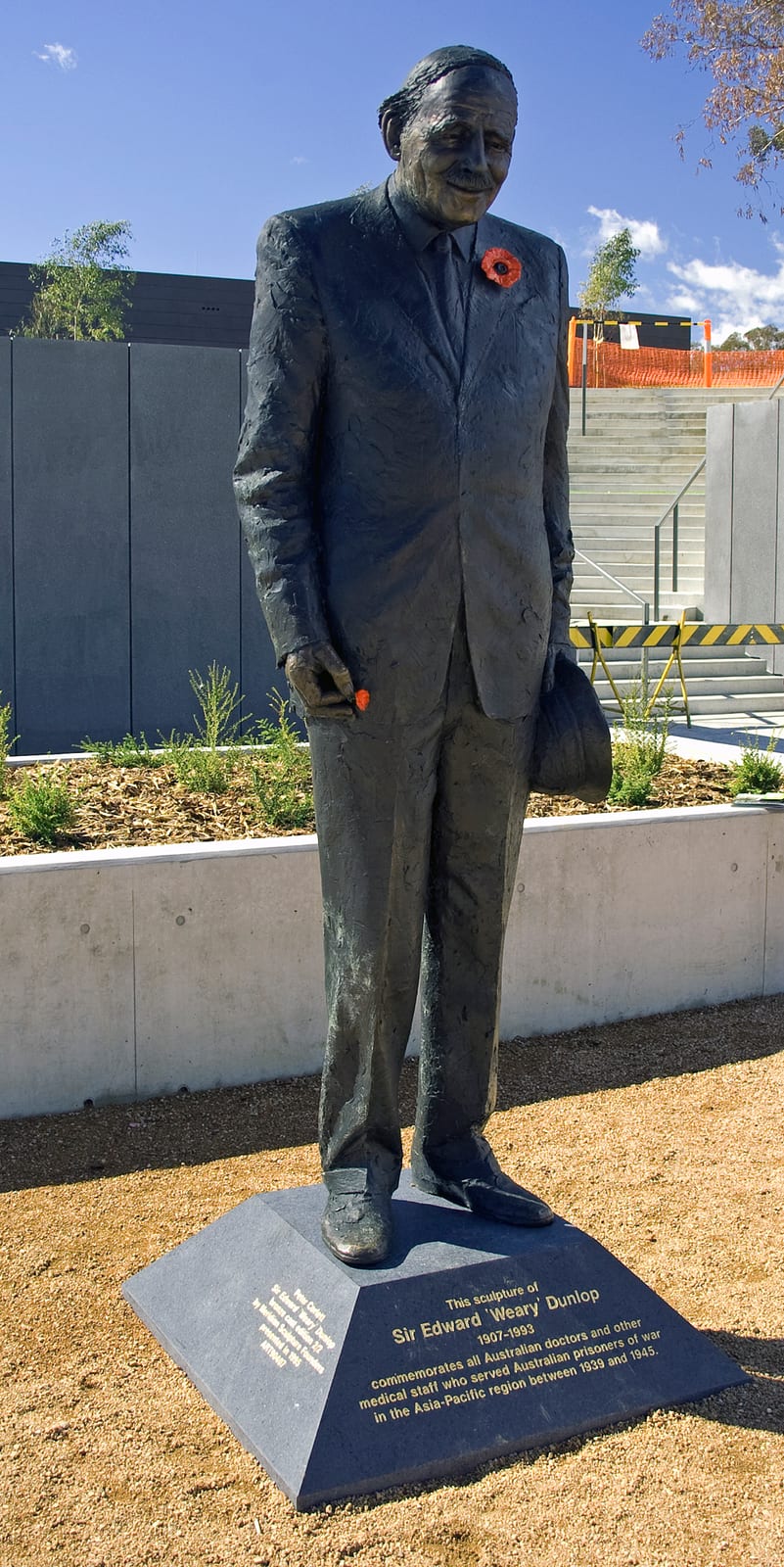
Weary Dunlop
Melbourne, Victoria, Australia
A Memory Realm virtual memorial place honoring Weary Dunlop, remembered for Military medicine, World War II, Australian public memory.
Võ Nguyên Giáp
Hanoi, Vietnam
A Memory Realm virtual memorial place honoring Võ Nguyên Giáp, remembered for Military strategy, Vietnamese history, Dien Bien Phu.
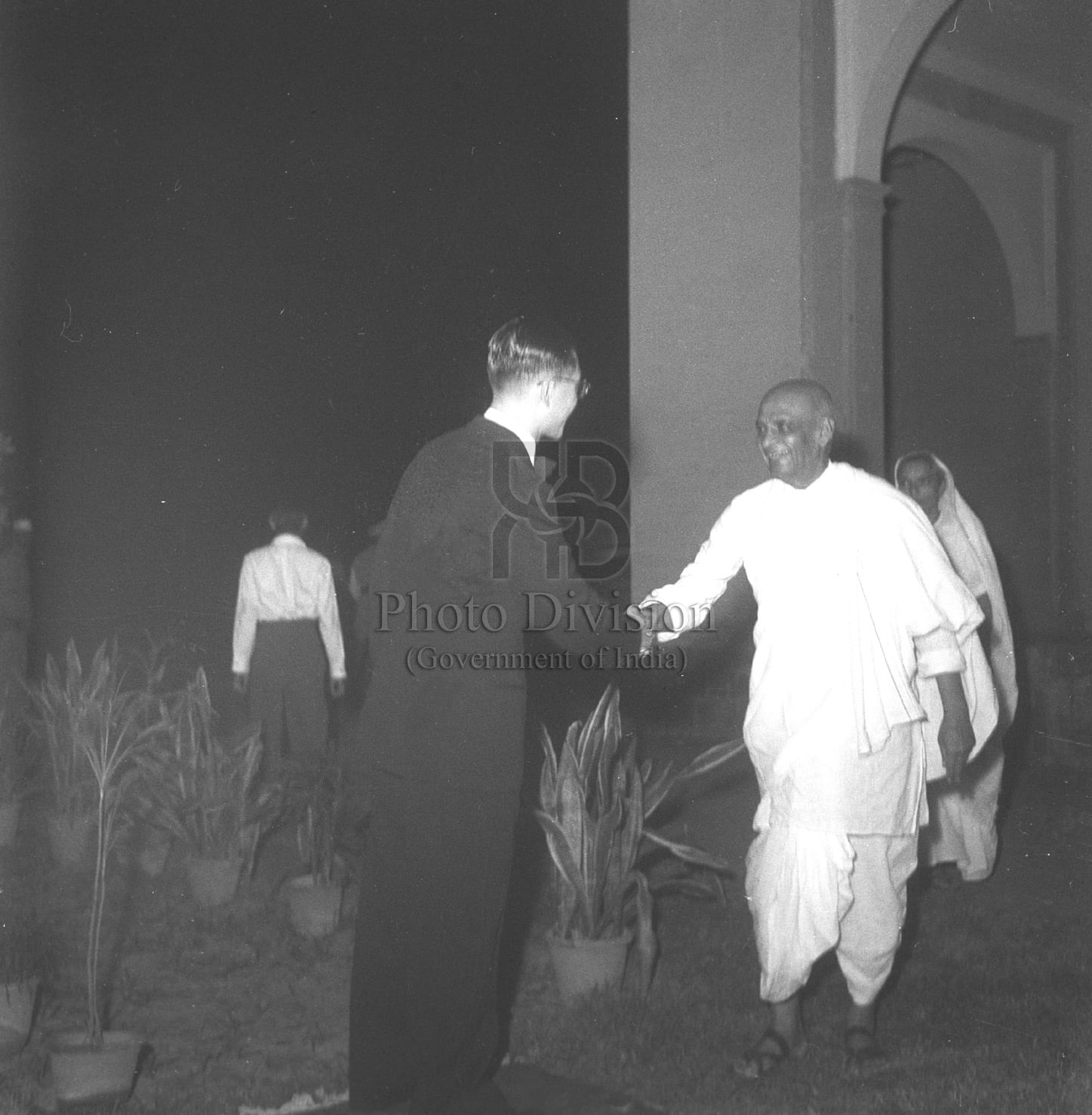
Vallabhbhai Patel
Ahmedabad, India
A Memory Realm virtual memorial place honoring Vallabhbhai Patel, remembered for Indian unification, Public administration, Independence movement.