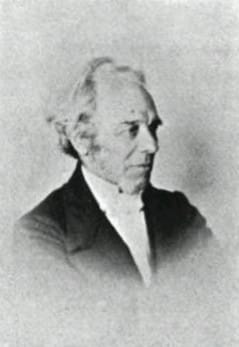
Virtual Memorial
Michael Faraday
A Memory Realm virtual memorial place honoring Michael Faraday, remembered for Electromagnetism, Chemistry, Royal Institution.
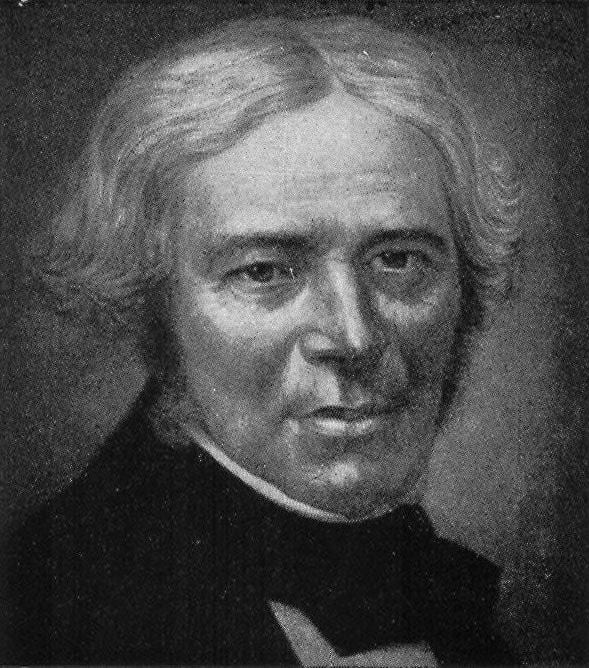
Why Michael Faraday Is Remembered
Michael Faraday is remembered for electromagnetism, chemistry, royal institution. This public memorial page gives visitors a concise starting point for understanding why the figure remains part of cultural, civic, scientific, or literary memory.
The page is designed as an accessible introduction rather than an exhaustive biography, with source links and image credits kept visible for further reading.
A Virtual Memorial in Memory Realm
This Memory Realm memorial hall turns a map reference into a virtual place for discovery. Visitors can move from the public page to the map and then into a 3D memorial hall connected to Michael Faraday.
The place is part of Memory Realm's virtual layer. It is not a physical marker and does not claim rights, control, access, endorsement, or affiliation connected to a real-world site.
Place Context
London, England, United Kingdom is used as a broad spatial reference for this memorial because it is connected to Michael Faraday's life, work, memory, or public legacy. The location is intentionally city-level or region-level so the page can provide orientation without implying a claim over a specific property or institution.
Historical Context
Michael Faraday was an English chemist and physicist who contributed vastly to the study of electrochemistry and electromagnetism. His main discoveries include the principles underlying electromagnetic induction, diamagnetism, and electrolysis. Although Faraday received little formal education, as a self-made man, he was one of the most influential scientists in history. It was by his research on the magnetic field around a conductor carrying a direct current that Faraday established the concept of the electromagnetic field in physics. Faraday also established that magnetism could affect rays of light and that there was an underlying relationship between the two phenomena. He similarly discovered the principles of electromagnetic induction, diamagnetism, and the laws of electrolysis. His inventions of electromagnetic rotary devices formed the foundation of electric motor technology, and it was largely due to his efforts that electricity became practical for use in technology. The SI unit of capacitance, the farad, is named after him.
Memory Realm presents this context for educational discovery and remembrance, with public source links and media attribution preserved alongside the page content.
Photos
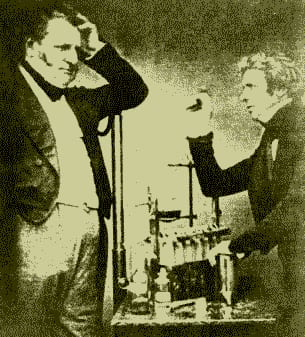
English chemists Michael Faraday and John Frederic Daniell .
The original uploader was HappyApple at English Wikipedia .9 December 2005 (original upload date), The following image was obtained from Bioanalytical Systems, Inc. website when they honored the pioneers of electrochemistry, the image is available on http://ww
Source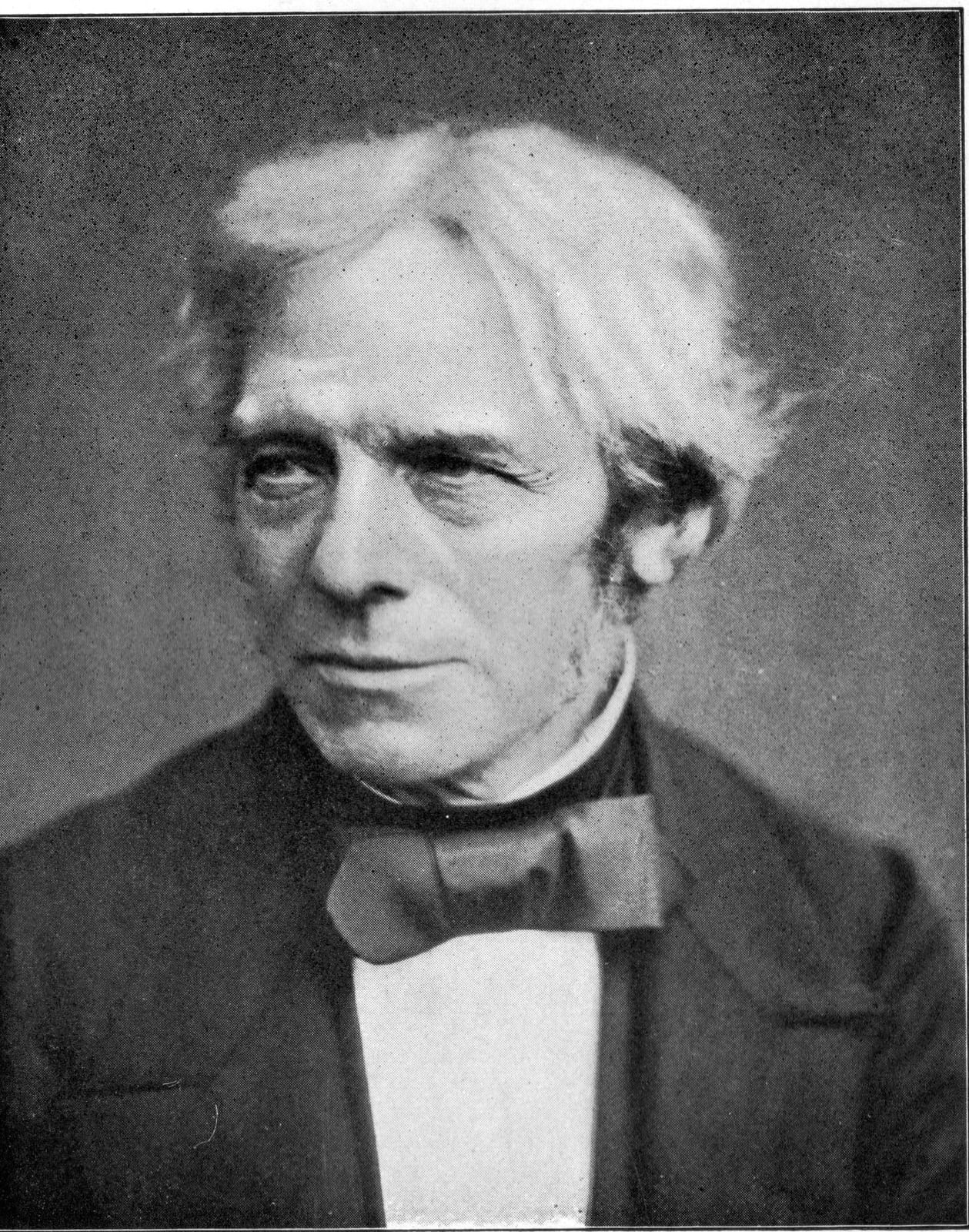
Photograph of Michael Faraday, presumably ca. 1860
Unknown author Unknown author, from R.A. Millikan & H.G. Gale; A First Course in Physics , 1906, op. p 312, Public domain, via Wikimedia Commons
Source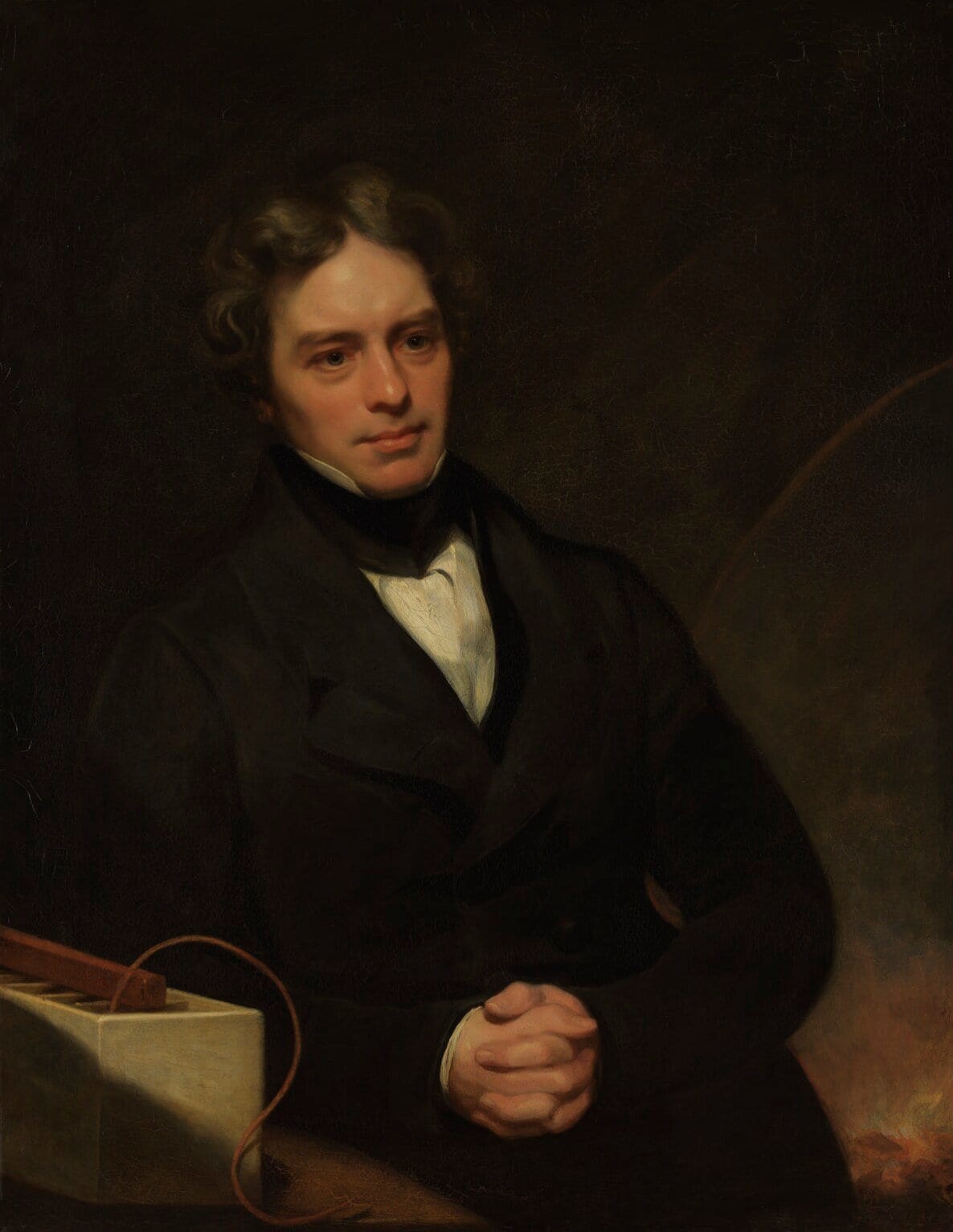
Michael Faraday by Thomas Phillips oil on canvas, 1841-1842 35 3/4 in. x 28 in. (908 mm x 711 mm) Purchased, 1868 NPG 269
National Portrait Gallery, http://www.npg.org.uk/collections/search/largerimage.php?search=ap&npgno=269, Public domain, via Wikimedia Commons
SourceSources
Related Memorials
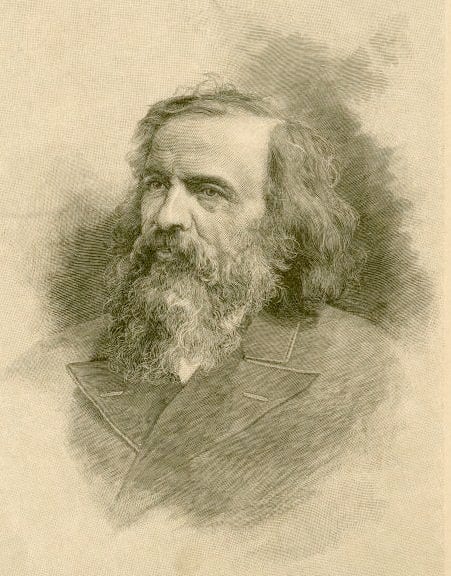
Dmitri Mendeleev
Saint Petersburg, Russia
A Memory Realm virtual memorial place honoring Dmitri Mendeleev, remembered for Periodic table, Chemistry, Science education.
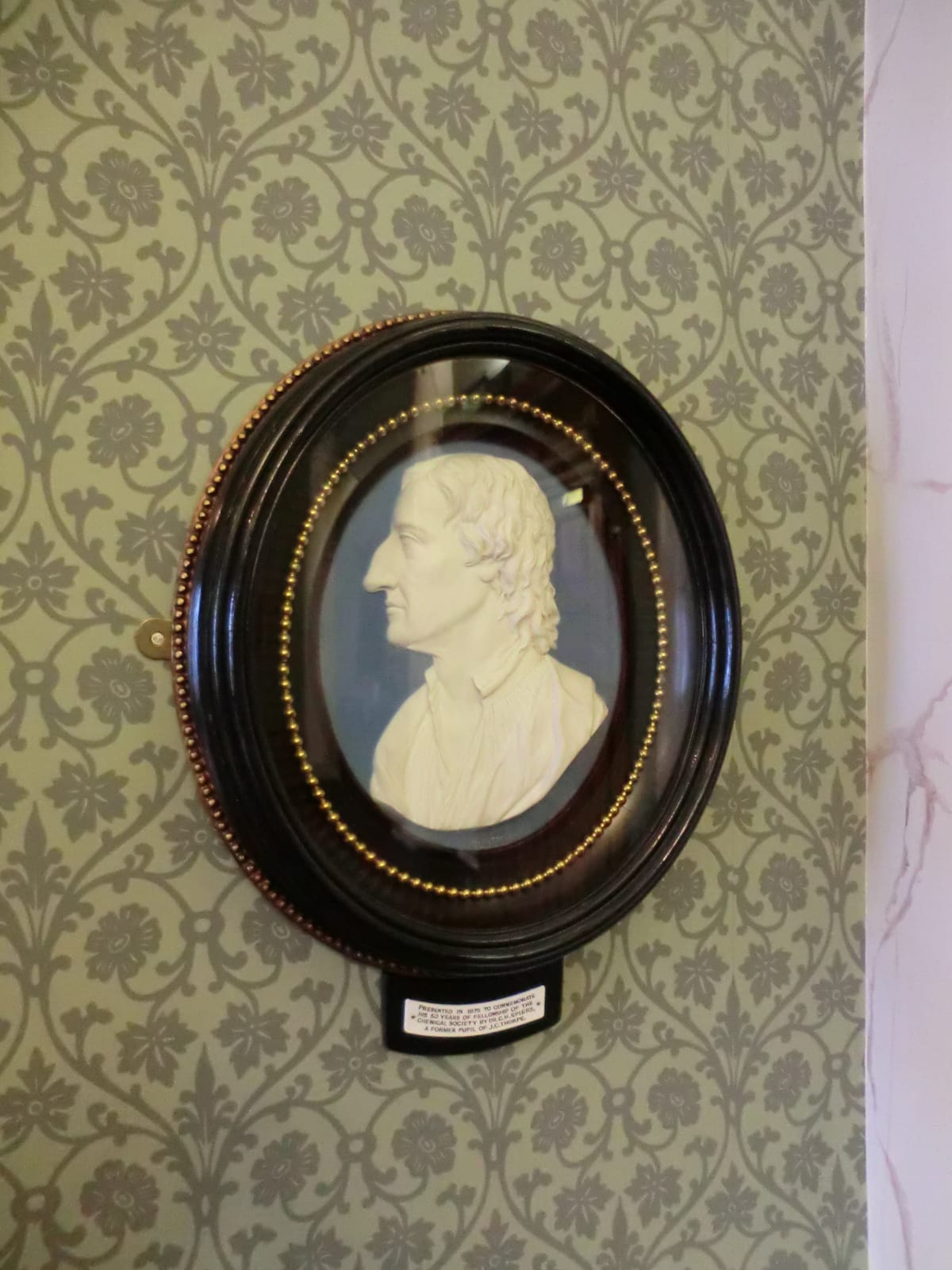
Robert Boyle
County Waterford, Ireland
A Memory Realm virtual memorial place honoring Robert Boyle, remembered for Chemistry, Natural philosophy, Boyle's law.
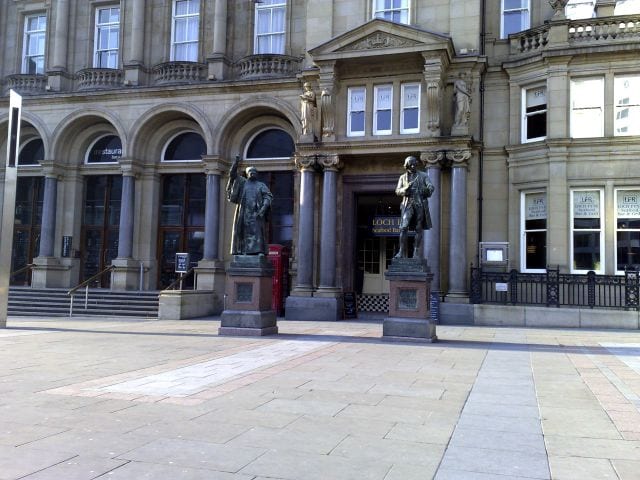
Joseph Priestley
Birmingham, England, United Kingdom
A Memory Realm virtual memorial place honoring Joseph Priestley, remembered for Chemistry, Oxygen research, Dissenting thought.
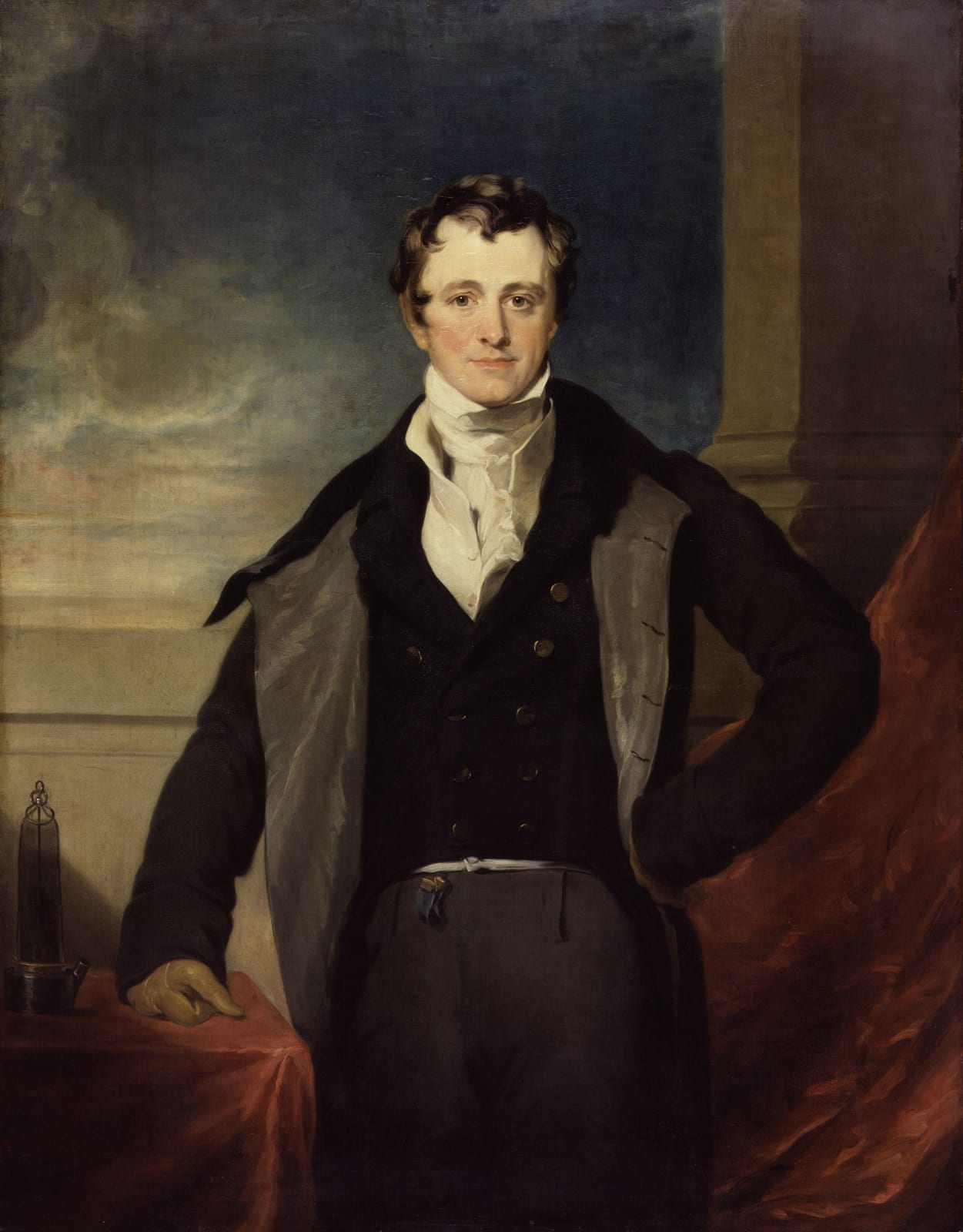
Humphry Davy
Penzance, England, United Kingdom
A Memory Realm virtual memorial place honoring Humphry Davy, remembered for Chemistry, Electrochemistry, Scientific lectures.
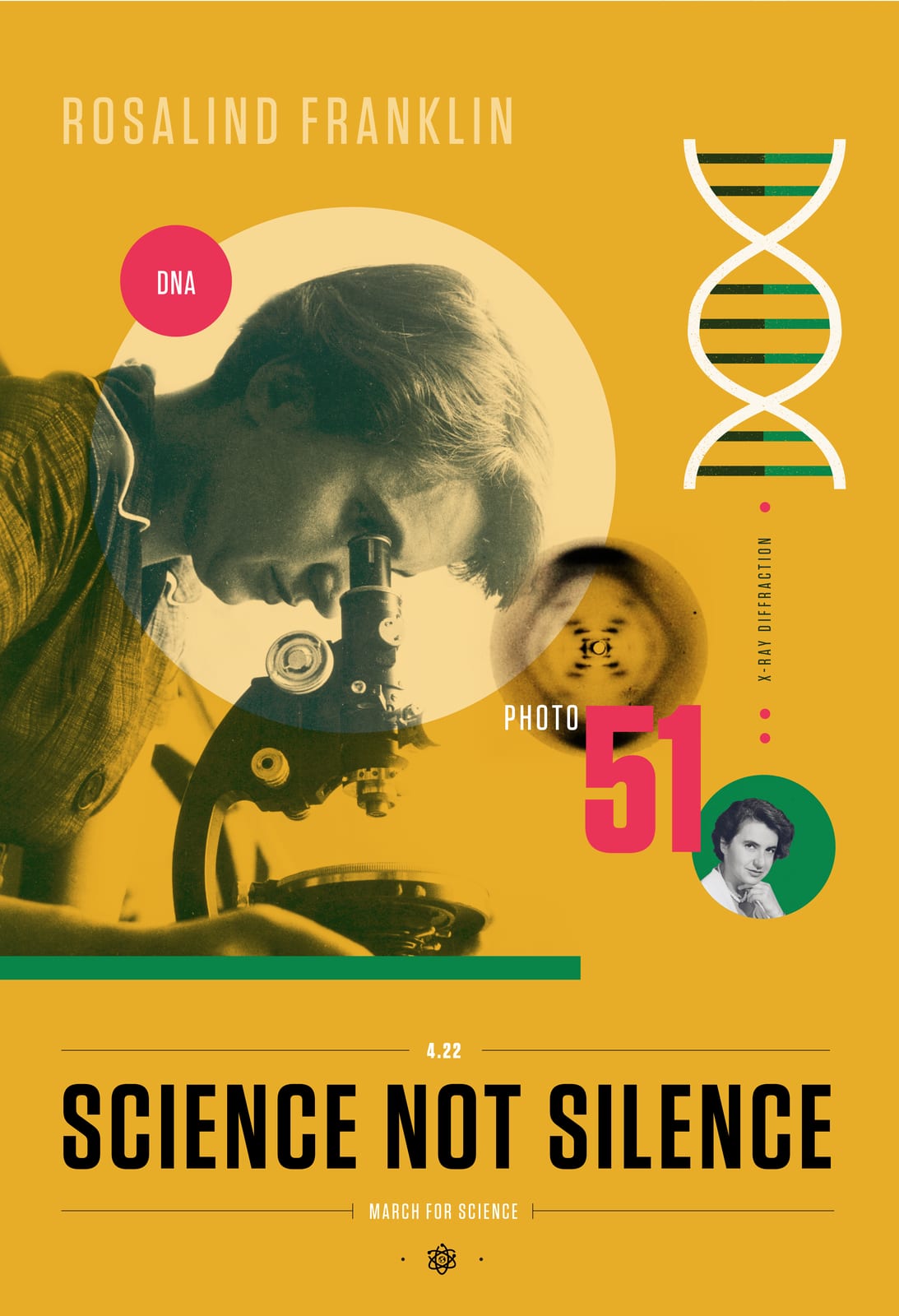
Rosalind Franklin
London, England, United Kingdom
A Memory Realm virtual memorial place honoring Rosalind Franklin, remembered for DNA research, X-ray crystallography, Chemistry.
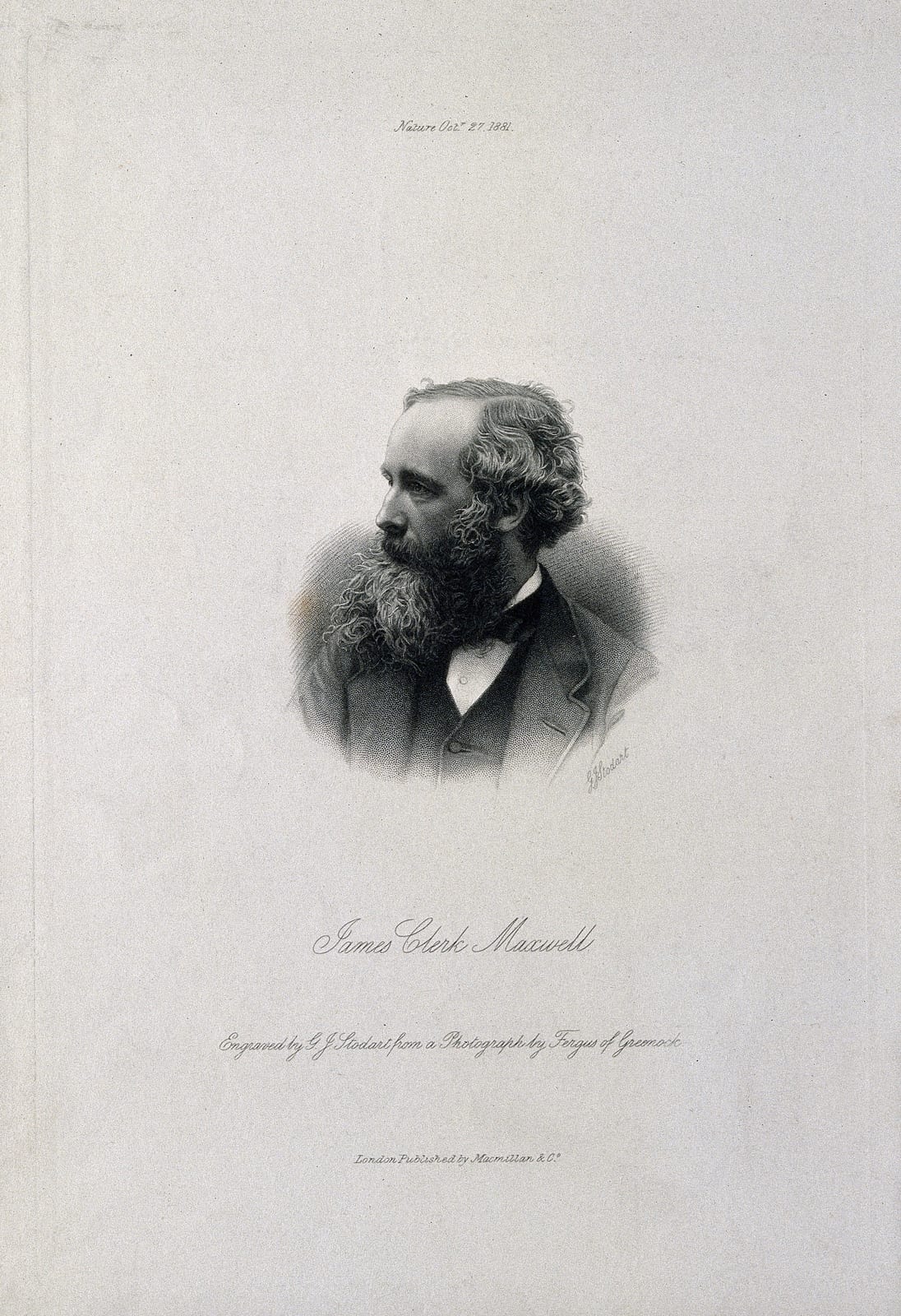
James Clerk Maxwell
Edinburgh, Scotland, United Kingdom
A Memory Realm virtual memorial place honoring James Clerk Maxwell, remembered for Physics, Electromagnetism, Maxwell's equations.