Virtual Memorial
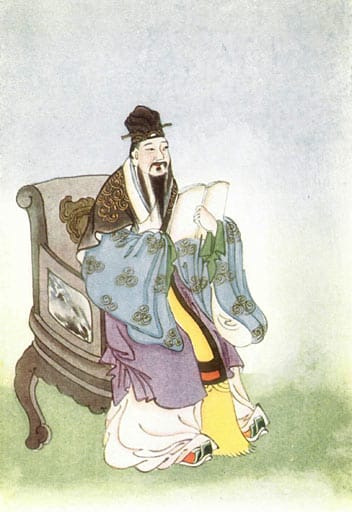
Mencius
A Memory Realm virtual memorial place honoring Mencius, remembered for Philosophy, Confucianism, Warring States thought.
Why Mencius Is Remembered
Mencius is remembered for philosophy, confucianism, warring states thought. This public page gives visitors a concise starting point for understanding why this figure remains part of cultural, civic, scientific, or literary memory.
The page is designed as an accessible introduction rather than an exhaustive account, with source links and image credits kept visible for further reading.
A Virtual Memorial in Memory Realm
This Memory Realm memorial hall turns a map reference into a virtual place for discovery. Visitors can move from the public page to the map and then into a 3D memorial hall connected to Mencius.
The place is part of Memory Realm's virtual layer. It is not a physical marker and does not claim rights, control, access, endorsement, or affiliation connected to a real-world site.
Place Context
Zoucheng, Shandong, China is used as a broad spatial reference for this memorial hall because it is connected to Mencius's story, memory, or public legacy. The location is intentionally city-level or region-level so the page can provide orientation without implying a claim over a specific property or institution.
Historical Context
Mencius, born Meng Ke (孟軻), was a Chinese Confucian philosopher, often described as the Second Sage (亞聖) to reflect his traditional esteem relative to Confucius himself. He was part of Confucius's fourth generation of disciples, inheriting his ideology and developing it further. Living during the Warring States period, he is said to have spent much of his life travelling around the states offering counsel to different rulers. Conversations with these rulers form the basis of the Mencius, which would later be canonised as a Confucian classic.
Memory Realm presents this context for educational discovery and remembrance, with public source links and media attribution preserved alongside the page content.
Photos
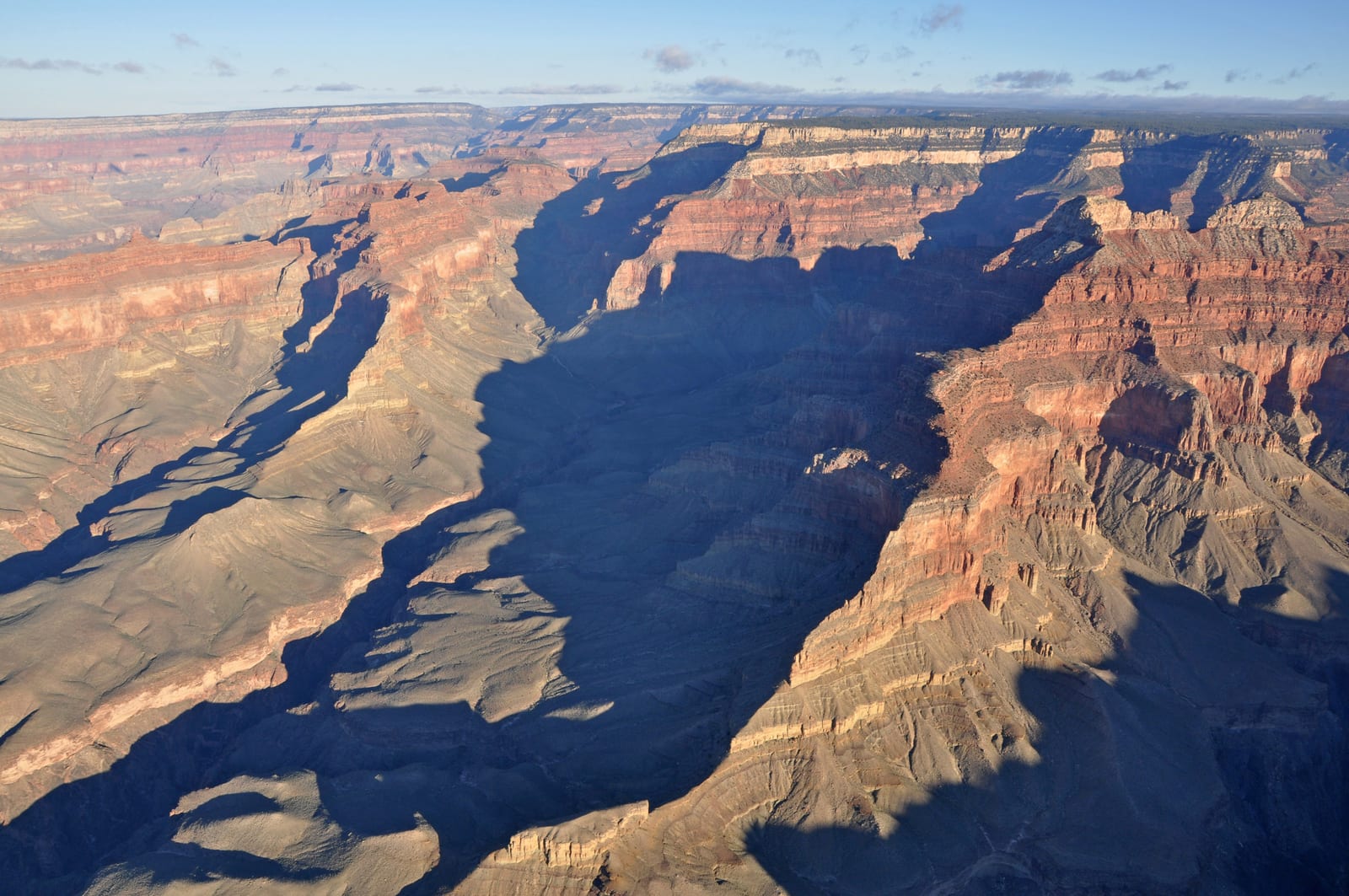
This photo is a view from one of the routes in the National Park Service (NPS) Preferred Alternative within the Draft Environmental Impact Statement (EIS), Special Flight Rules Are
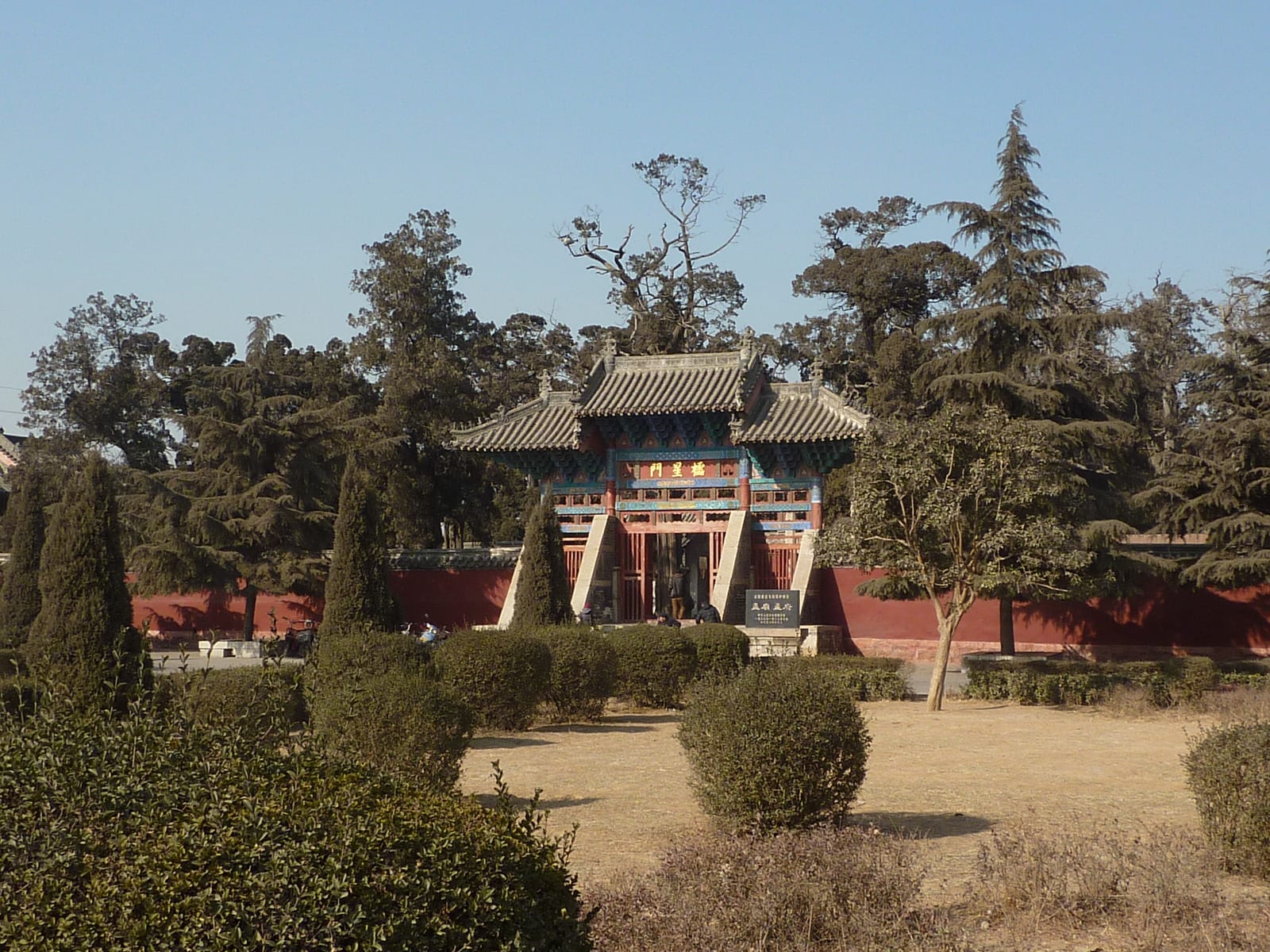
Grand Canyon National Park, Grand Canyon DEIS Aerial: Long Arm of Mencius & Confucius Temples, CC BY 2.0, via Wikimedia Commons
Source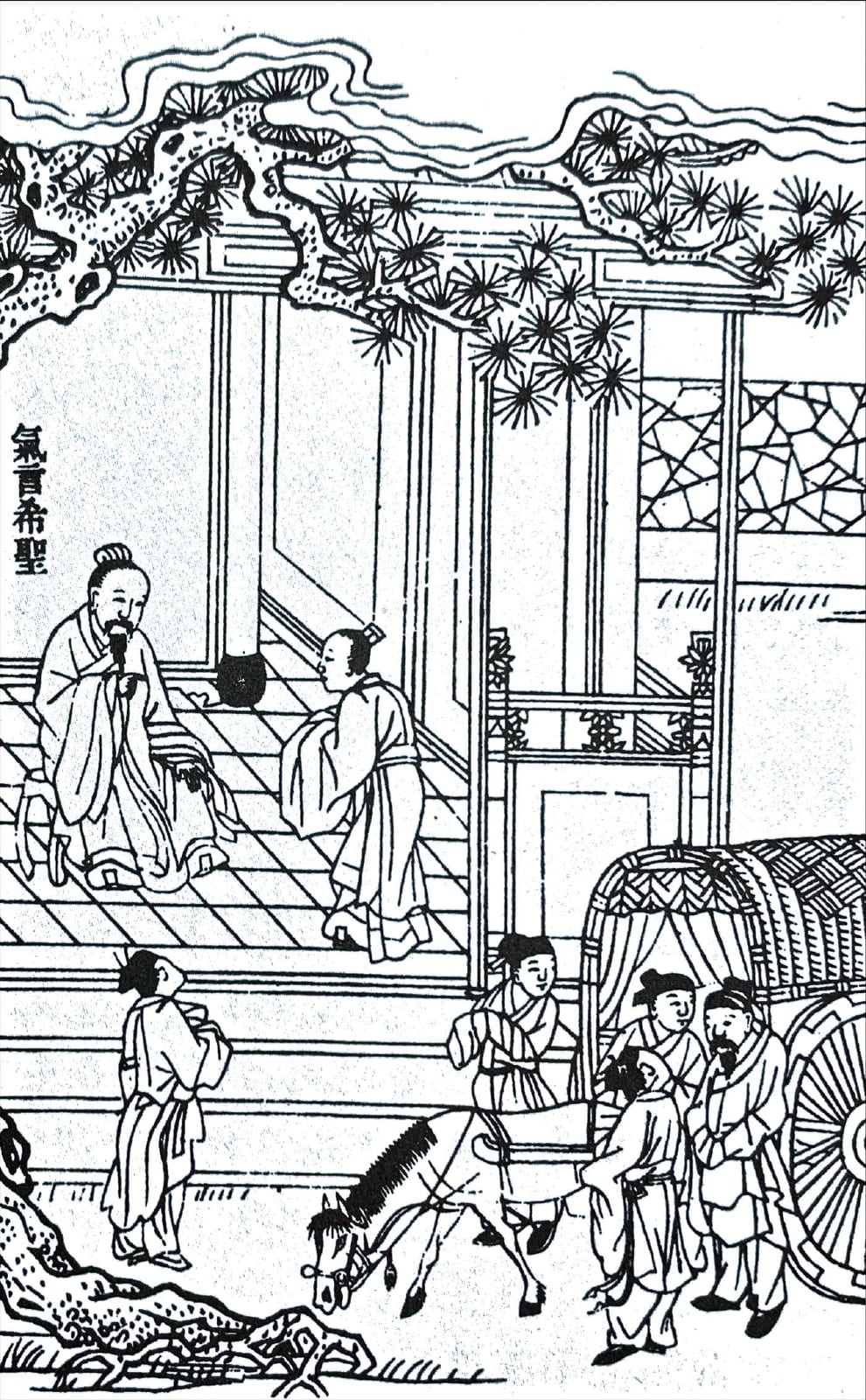
Qi Yan Xi Sheng (氣言希聖) is the topic of a dialog between Mencius and his student Gongsun, Chou. The illustration were painted in the Ming dynasty and published with other illustrati
胡文煥(明朝萬曆年間出版), 朱熹(注)。孟子(圖文本)。長沙:岳麓書社。, Public domain, via Wikimedia Commons
Source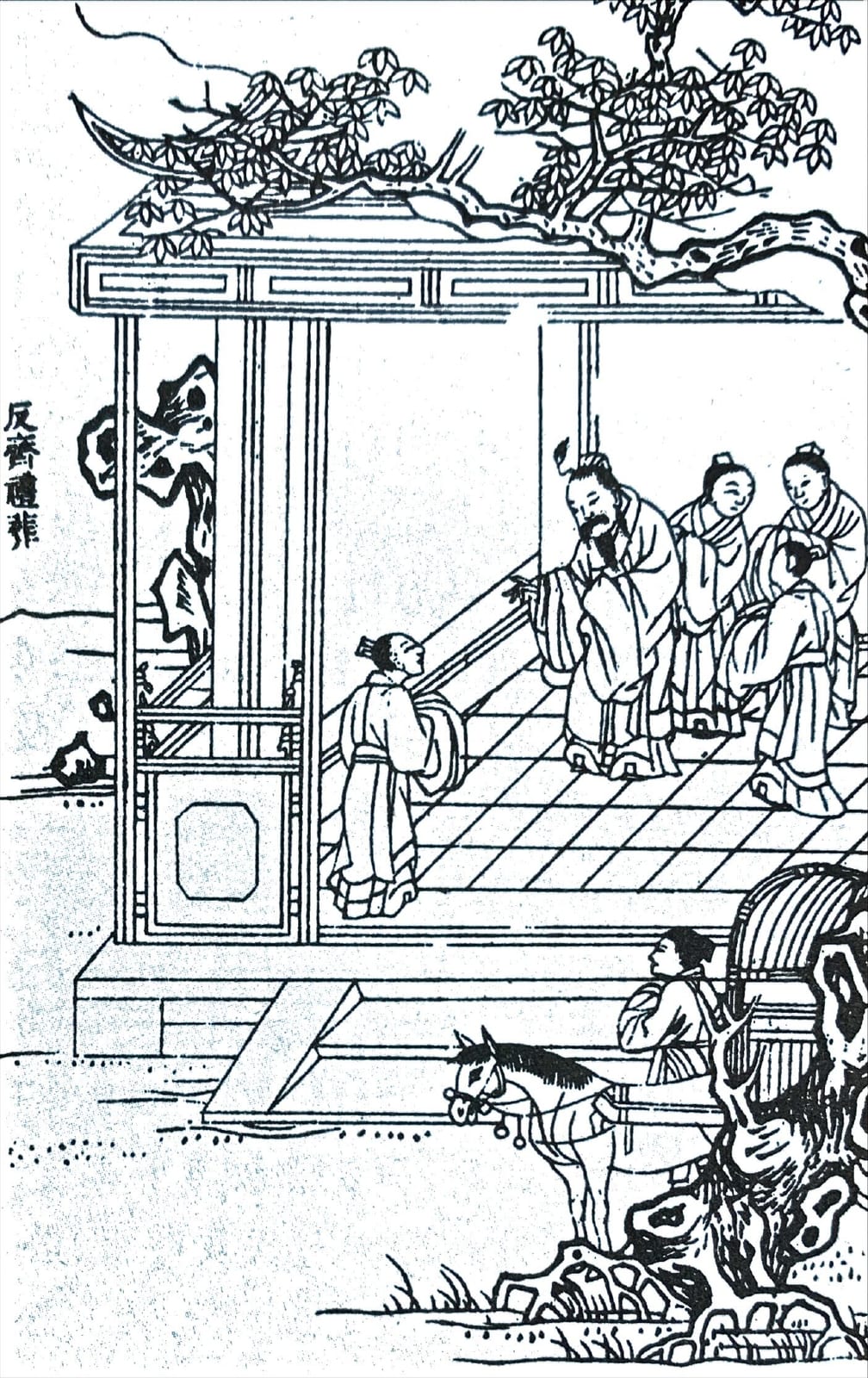
Fan Qi Li Zang (反齊禮葬) is the topic of a dialog between Mencius and his student Chong, Yu. The illustration were painted in the Ming dynasty and published with other illustrations i
胡文煥(明朝萬曆年間出版), 朱熹(注)。孟子(圖文本)。長沙:岳麓書社。, Public domain, via Wikimedia Commons
SourceSources
Related Memorials
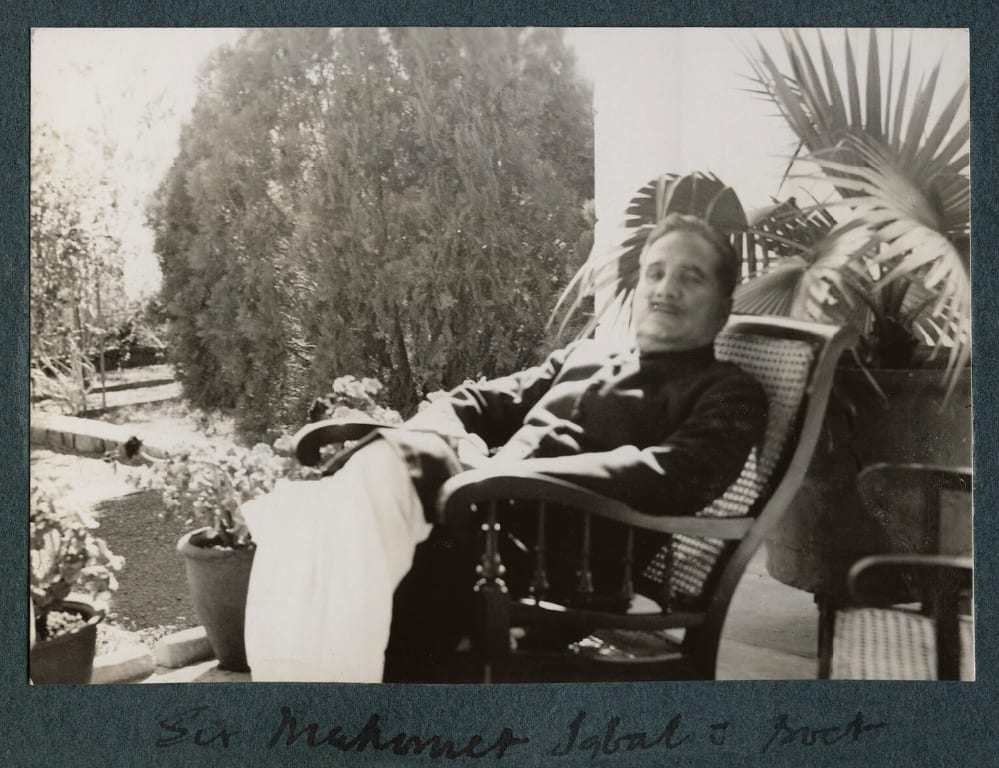
Muhammad Iqbal
Lahore, Pakistan
A Memory Realm virtual memorial place honoring Muhammad Iqbal, remembered for Urdu poetry, Philosophy, Pakistan movement.
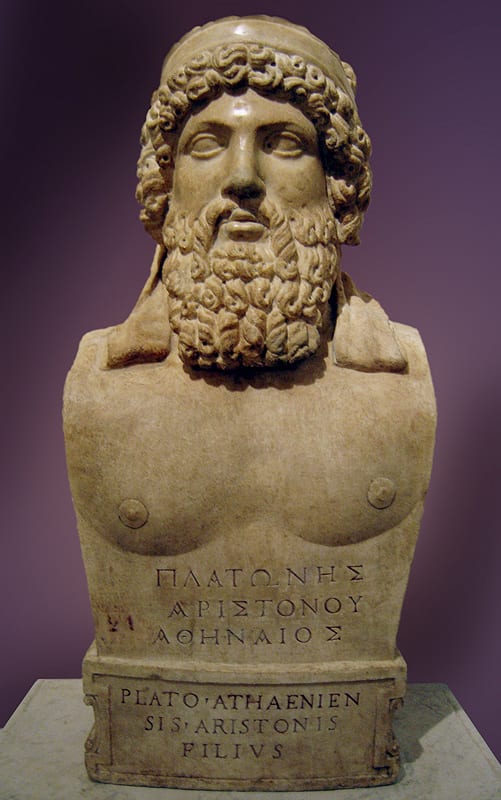
Plato
Athens, Greece
A Memory Realm virtual memorial place honoring Plato, remembered for Philosophy, Academy, Dialogues.
Giordano Bruno
Nola, Italy
A Memory Realm virtual memorial place honoring Giordano Bruno, remembered for Philosophy, Cosmology, Free thought.
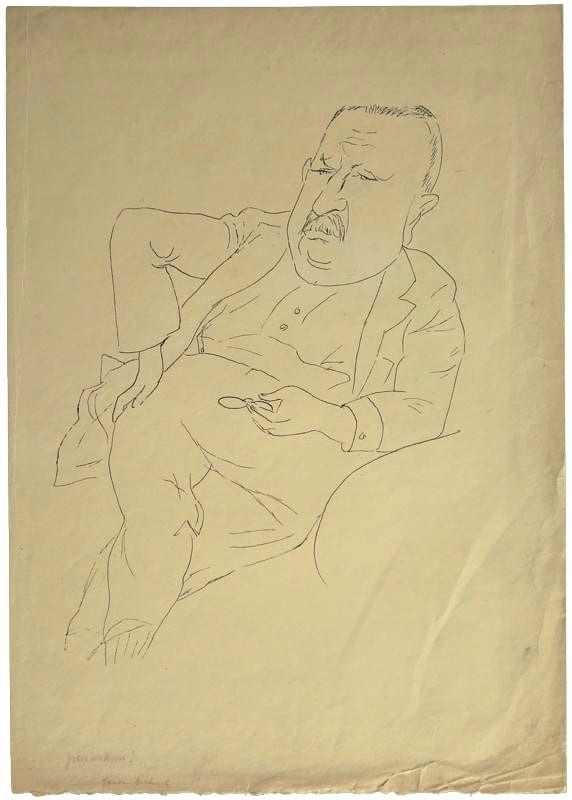
Benedetto Croce
Naples, Italy
A Memory Realm virtual memorial place honoring Benedetto Croce, remembered for Philosophy, Liberal thought, Aesthetics.
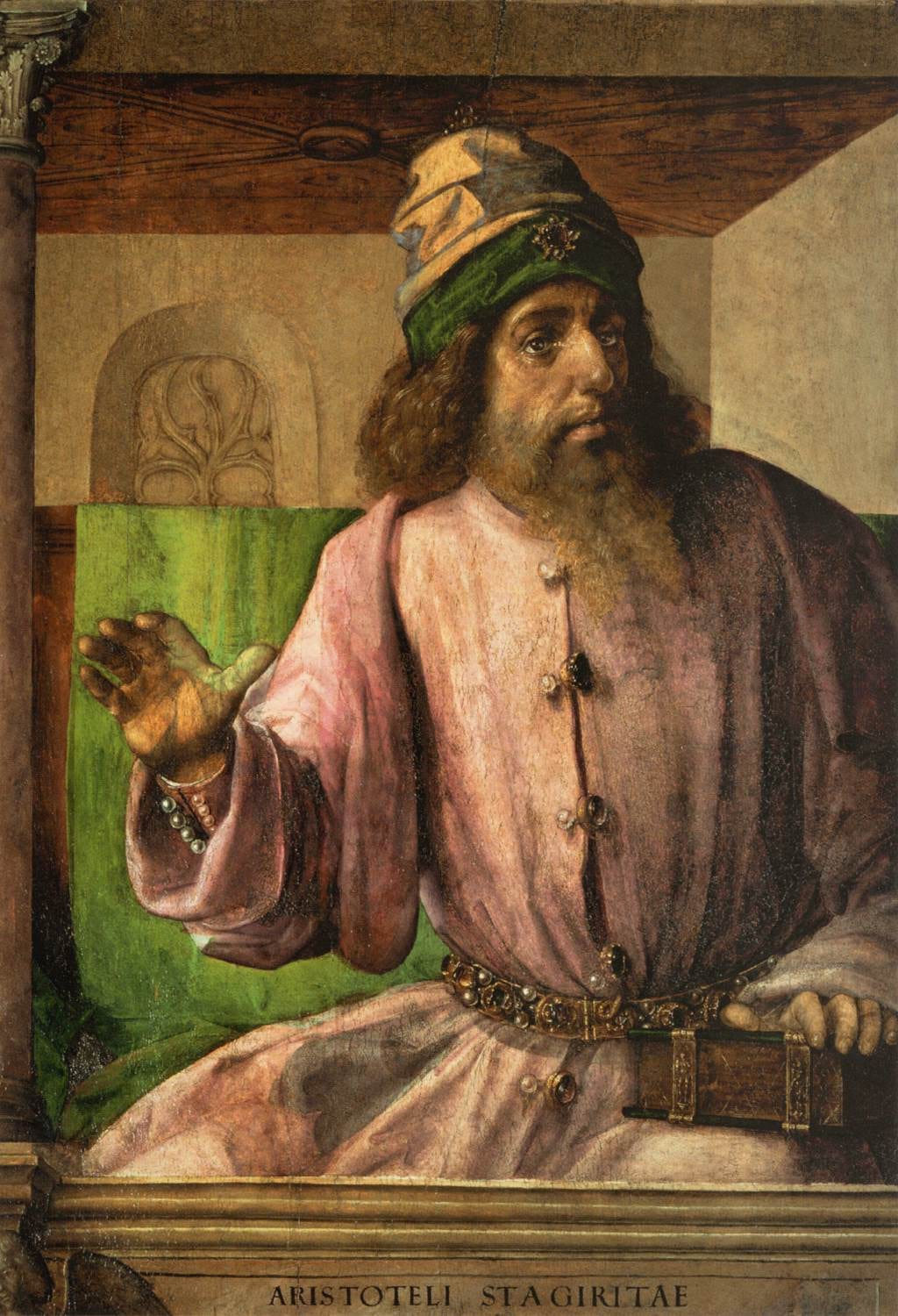
Aristotle
Athens, Greece
A Memory Realm virtual memorial place honoring Aristotle, remembered for Philosophy, Logic, Lyceum.
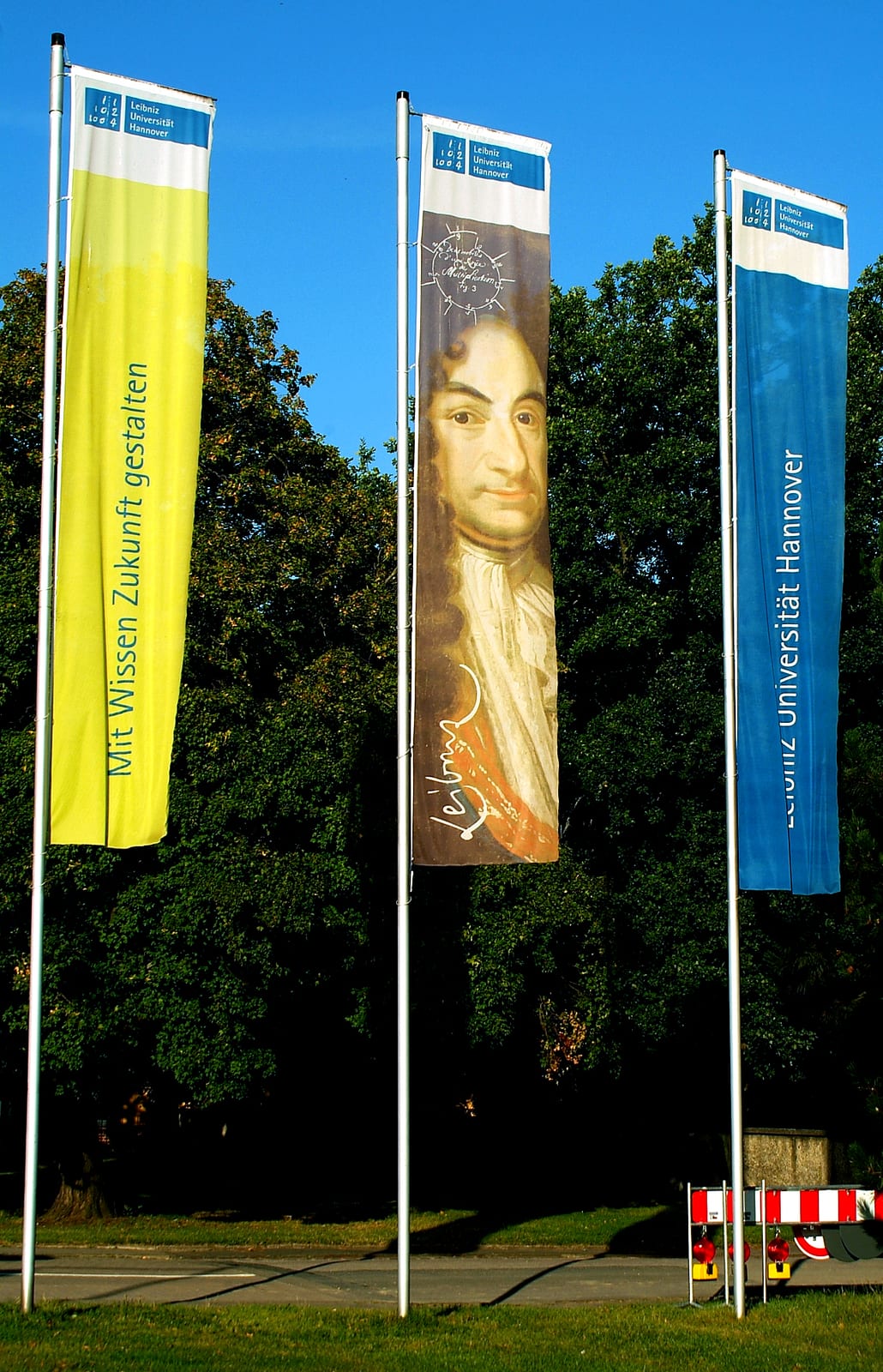
Gottfried Wilhelm Leibniz
Hanover, Germany
A Memory Realm virtual memorial place honoring Gottfried Wilhelm Leibniz, remembered for Calculus, Philosophy, Universal language.