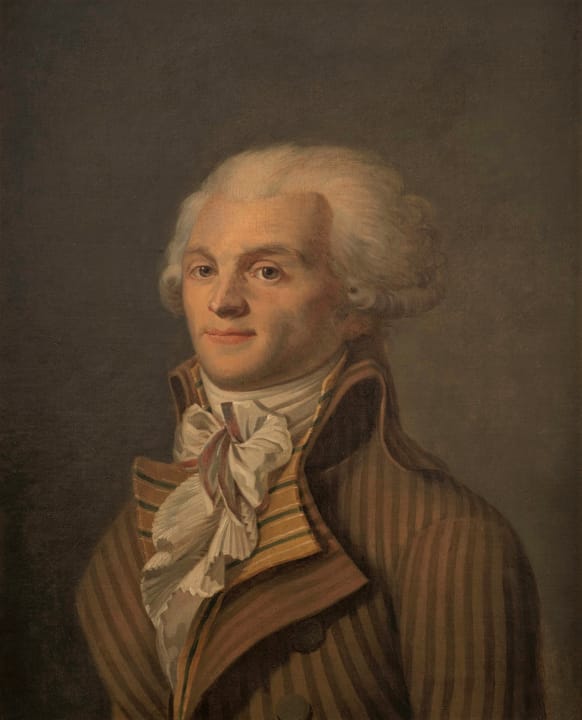
Virtual Memorial
Maximilien Robespierre
A Memory Realm virtual memorial place honoring Maximilien Robespierre, remembered for French Revolution, Jacobin politics, Public memory.
Why Maximilien Robespierre Is Remembered
Maximilien Robespierre is remembered for french revolution, jacobin politics, public memory. This public page gives visitors a concise starting point for understanding why this figure remains part of cultural, civic, scientific, or literary memory.
The page is designed as an accessible introduction rather than an exhaustive account, with source links and image credits kept visible for further reading.
A Virtual Memorial in Memory Realm
This Memory Realm memorial hall turns a map reference into a virtual place for discovery. Visitors can move from the public page to the map and then into a 3D memorial hall connected to Maximilien Robespierre.
The place is part of Memory Realm's virtual layer. It is not a physical marker and does not claim rights, control, access, endorsement, or affiliation connected to a real-world site.
Place Context
Arras, France is used as a broad spatial reference for this memorial hall because it is connected to Maximilien Robespierre's story, memory, or public legacy. The location is intentionally city-level or region-level so the page can provide orientation without implying a claim over a specific property or institution.
Historical Context
Maximilien François Marie Isidore de Robespierre was a French lawyer and statesman, widely recognised as one of the most influential figures of the French Revolution. Robespierre fervently campaigned for the voting rights of all men and their unimpeded admission to the National Guard. Additionally, he advocated the right to petition, the right to bear arms in self-defence, and the abolition of the Atlantic slave trade.
Memory Realm presents this context for educational discovery and remembrance, with public source links and media attribution preserved alongside the page content.
Photos
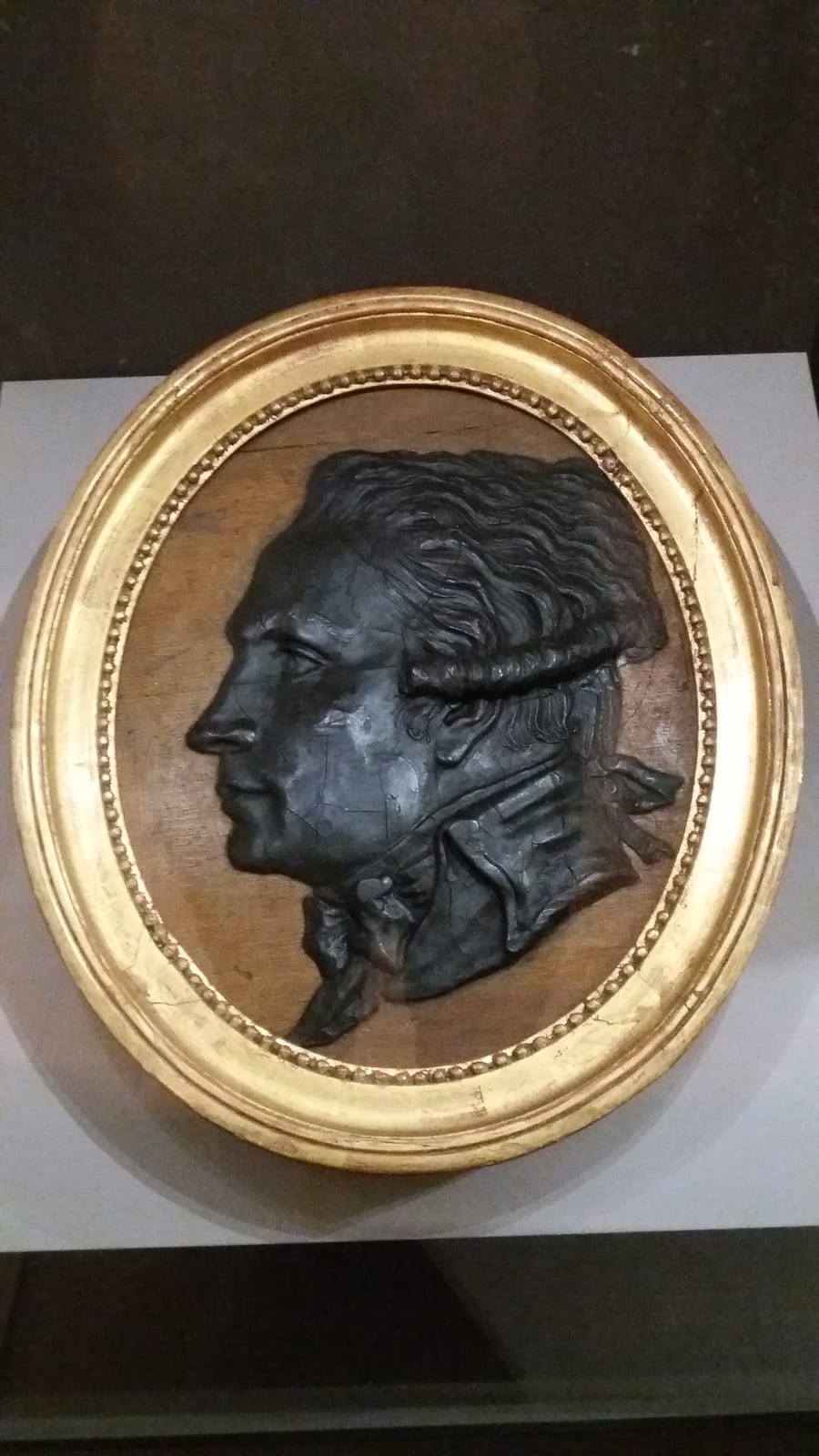
Cire, fin du XVIIIe siècle. Antoine-Henri Bertrand (1759-1834). Collection du Centre des monuments nationaux. En exposition à la Conciergerie du Palais de la Cité.
Romainbehar, Own work, CC0, via Wikimedia Commons
Source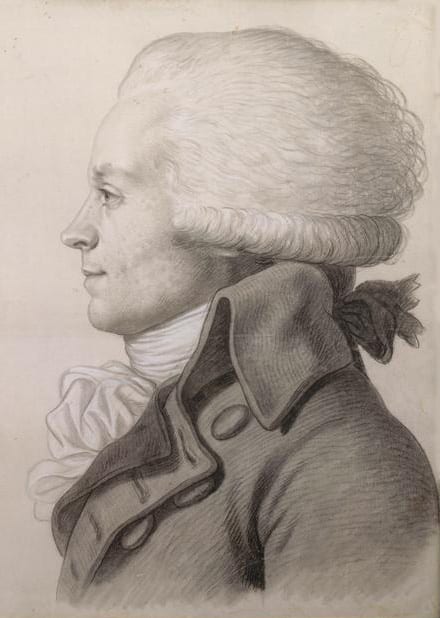
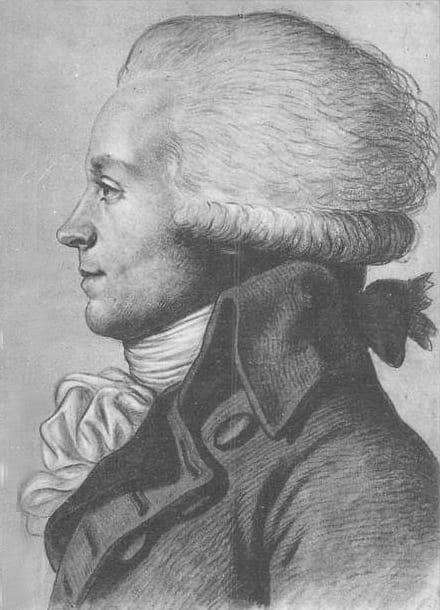
Physionotrace of Maximilien Robespierre, unsigned drawing formerly attributed to Antoine-Paul Vincent. Pencil with white pastel highlights on pink paper, 44 x 39 cm. The visual rel
Unknown author Unknown author, Musée de Versailles , Inv. Dess. 857., Public domain, via Wikimedia Commons
Source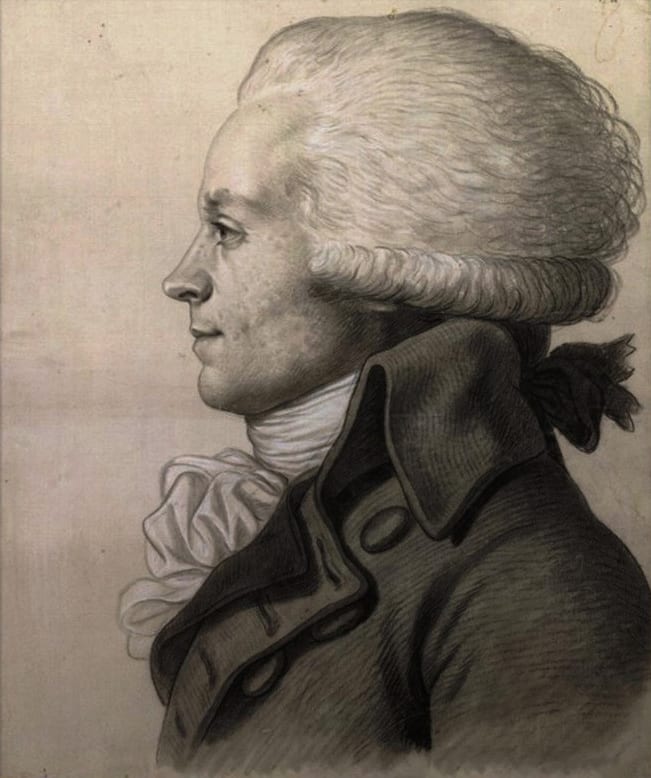
Physionotrace of Maximilien Robespierre, unsigned drawing formerly attributed to Antoine-Paul Vincent. Pencil with white pastel highlights on pink paper, 44 x 39 cm. The visual rel
Gilles-Louis Chrétien, after Jean-Baptiste Fouquet, [2], Public domain, via Wikimedia Commons
SourceSources
Related Memorials
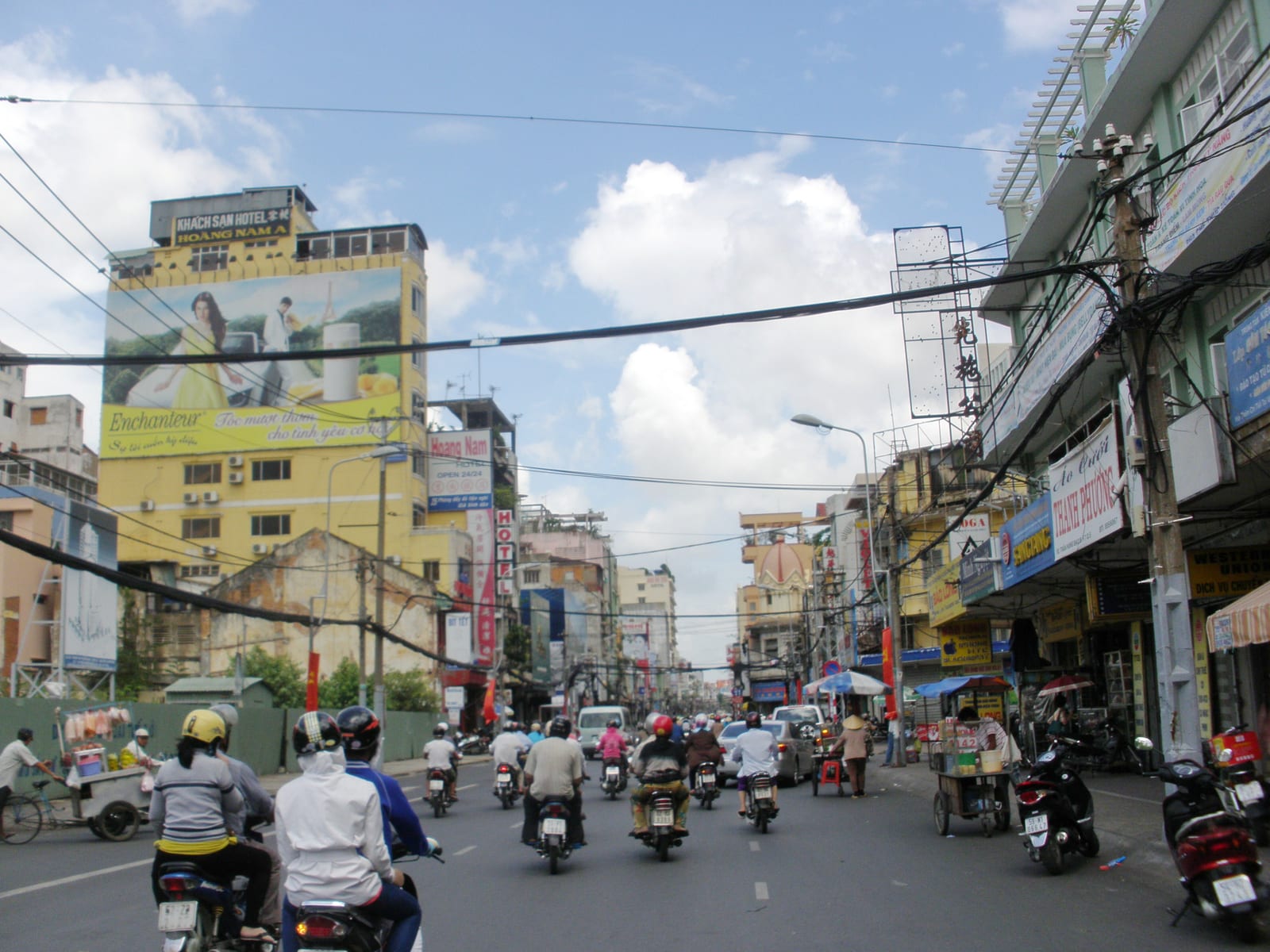
Trần Hưng Đạo
Hanoi, Vietnam
A Memory Realm virtual memorial place honoring Trần Hưng Đạo, remembered for Mongol invasions of Vietnam, Military strategy, Public memory.
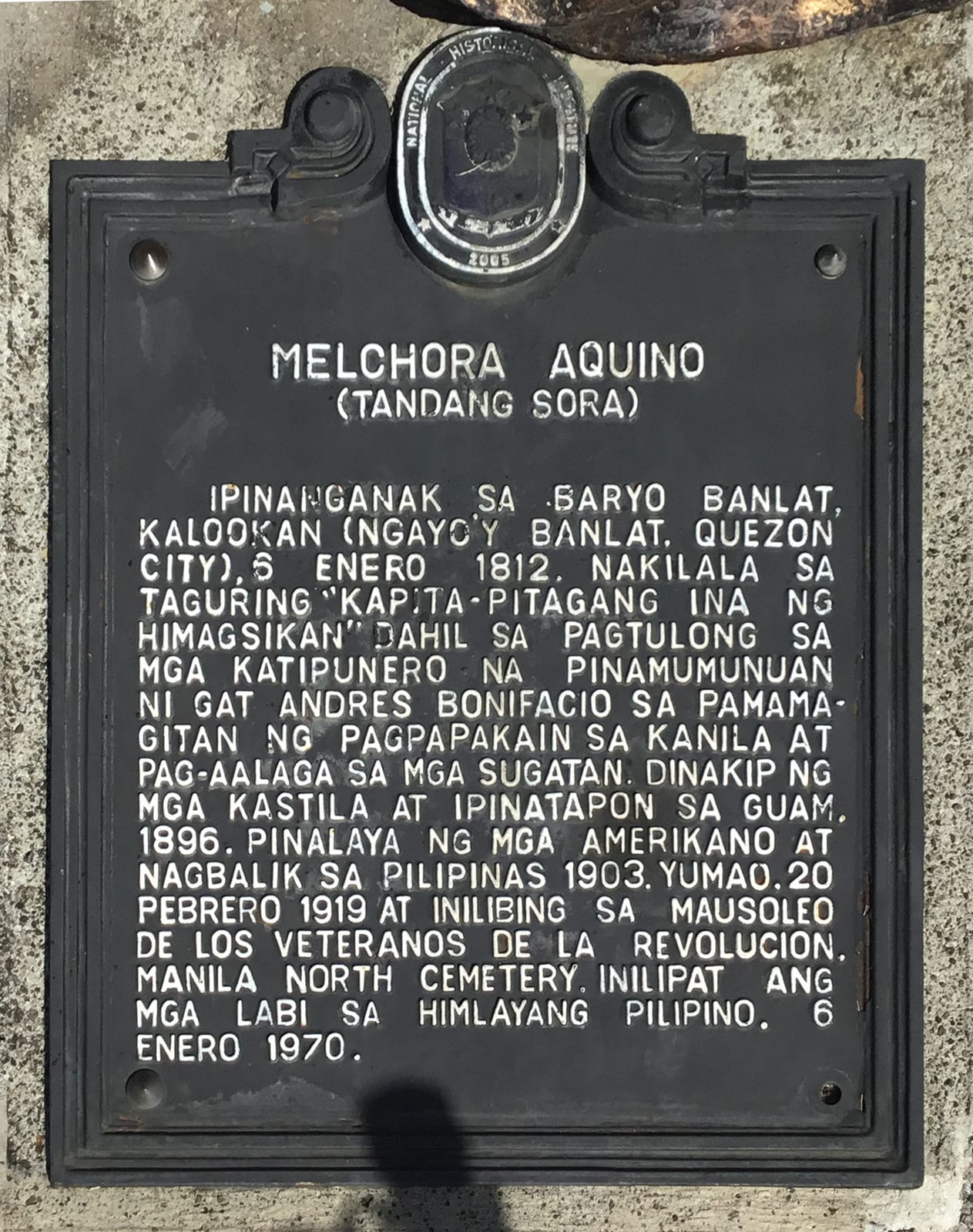
Melchora Aquino
Quezon City, Philippines
A Memory Realm virtual memorial place honoring Melchora Aquino, remembered for Philippine Revolution, Civic support, Public memory.
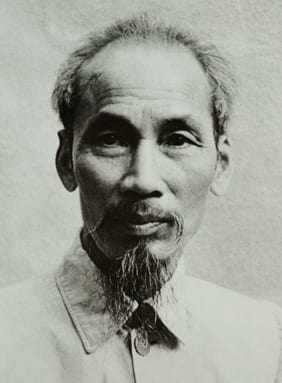
Ho Chi Minh
Hanoi, Vietnam
A Memory Realm virtual memorial place honoring Ho Chi Minh, remembered for Vietnamese independence, Anti-colonial politics, Public memory.
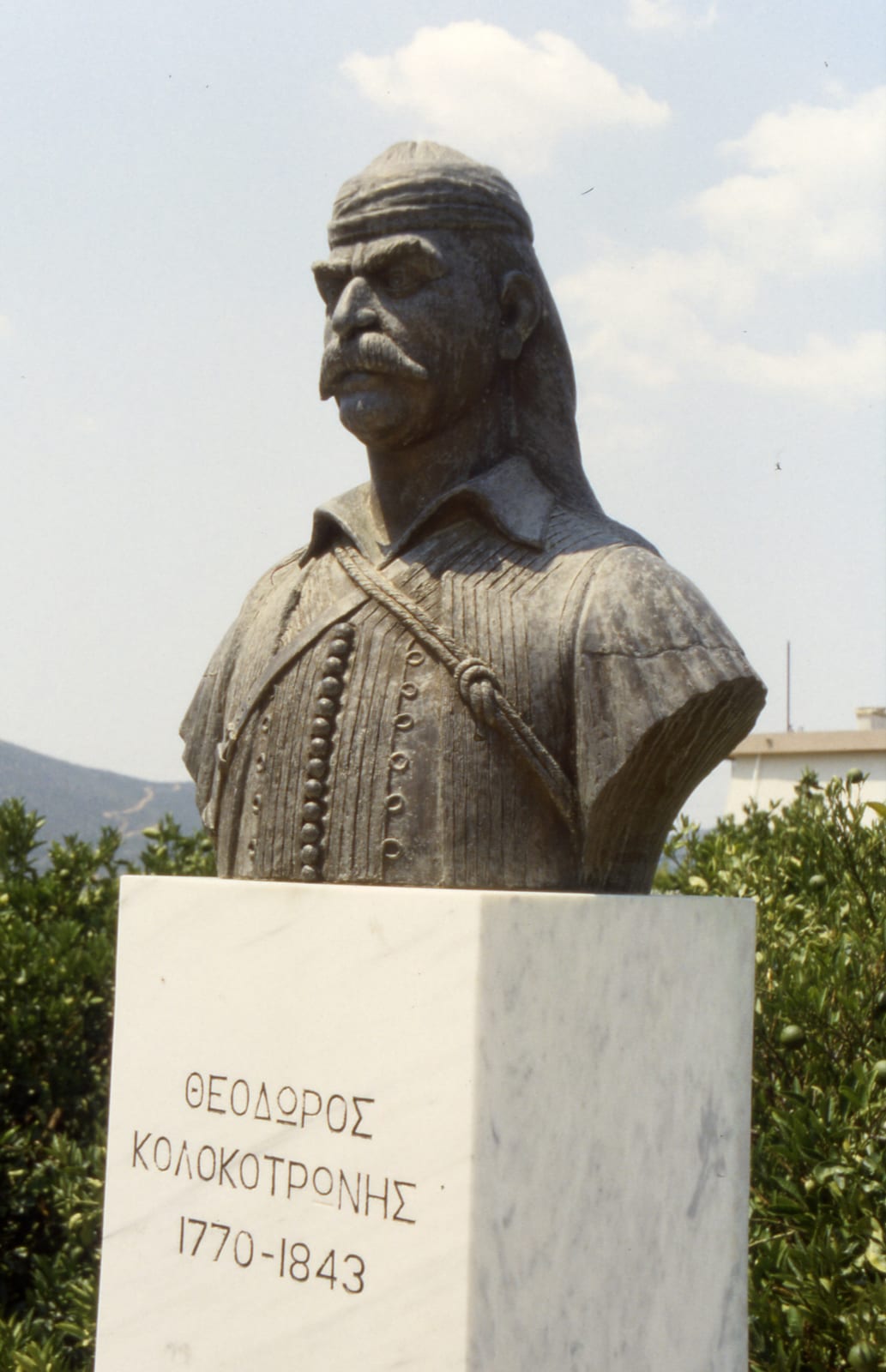
Theodoros Kolokotronis
Tripoli, Greece
A Memory Realm virtual memorial place honoring Theodoros Kolokotronis, remembered for Greek War of Independence, Military leadership, Public memory.
Damdin Sükhbaatar
Ulaanbaatar, Mongolia
A Memory Realm virtual memorial place honoring Damdin Sükhbaatar, remembered for Mongolian revolution, Independence, Public memory.
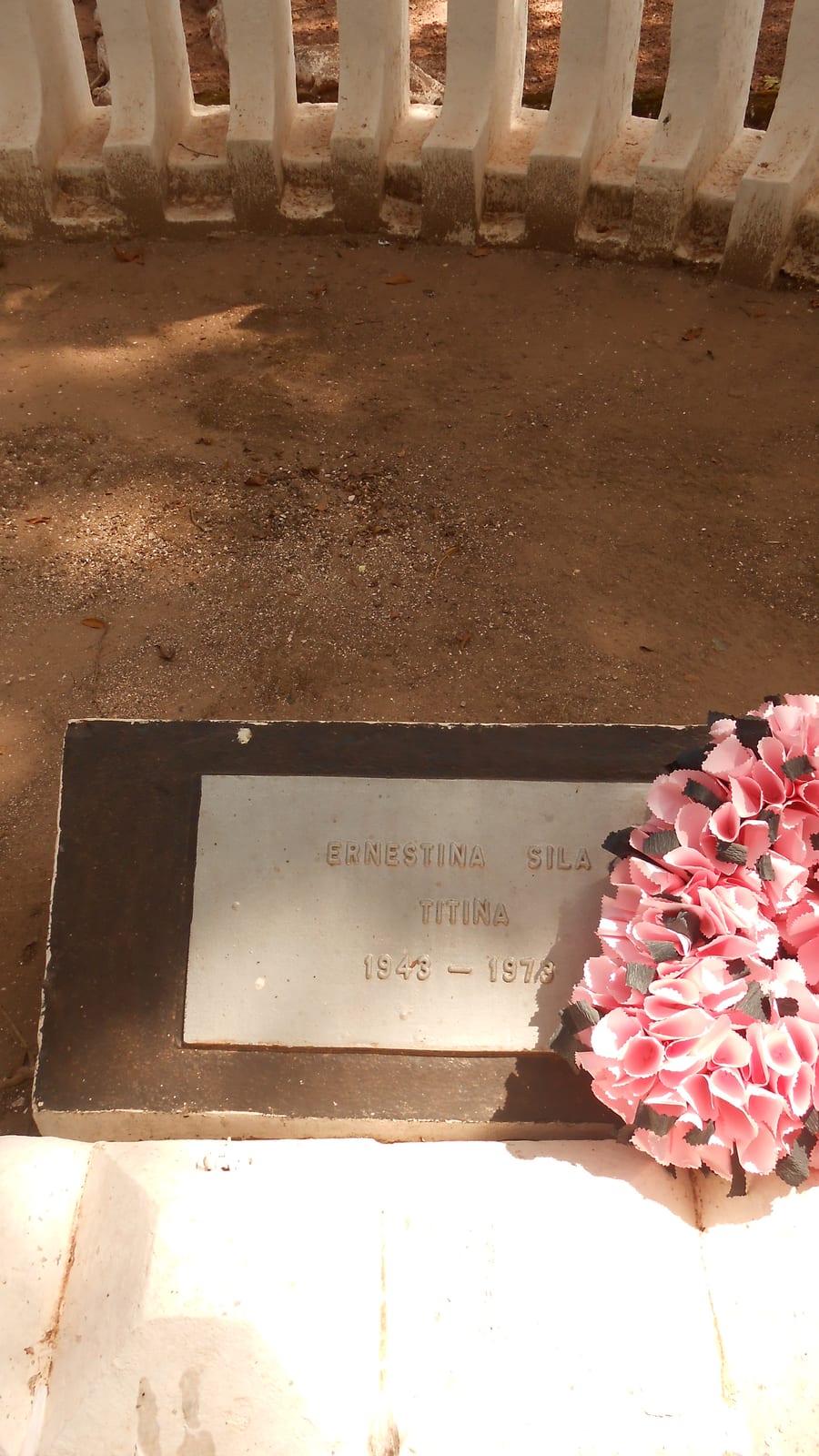
Titina Sila
Bissau, Guinea-Bissau
A Memory Realm virtual memorial place honoring Titina Sila, remembered for Guinea-Bissau independence, Women's resistance history, Public memory.