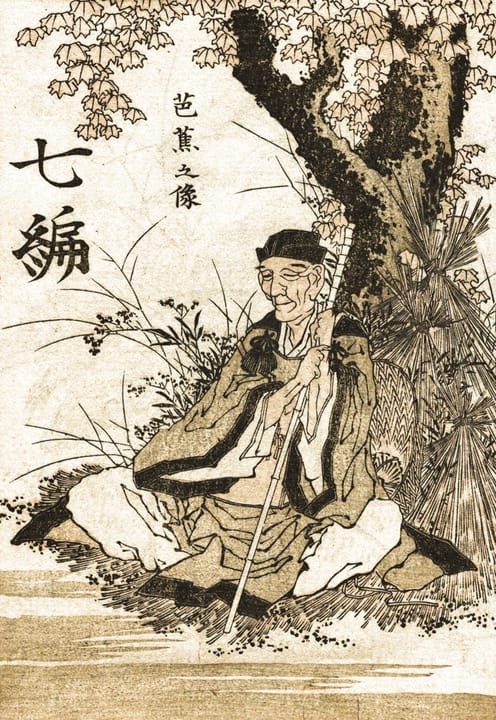
Virtual Memorial
Matsuo Basho
A Memory Realm virtual memorial place honoring Matsuo Basho, remembered for Haiku, Oku no Hosomichi, Edo literature.
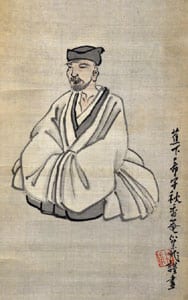
Why Matsuo Basho Is Remembered
Matsuo Basho is remembered for haiku, oku no hosomichi, edo literature. This public page gives visitors a concise starting point for understanding why this figure remains part of cultural, civic, scientific, or literary memory.
The page is designed as an accessible introduction rather than an exhaustive account, with source links and image credits kept visible for further reading.
A Virtual Memorial in Memory Realm
This Memory Realm memorial hall turns a map reference into a virtual place for discovery. Visitors can move from the public page to the map and then into a 3D memorial hall connected to Matsuo Basho.
The place is part of Memory Realm's virtual layer. It is not a physical marker and does not claim rights, control, access, endorsement, or affiliation connected to a real-world site.
Place Context
Iga, Mie, Japan is used as a broad spatial reference for this memorial hall because it is connected to Matsuo Basho's story, memory, or public legacy. The location is intentionally city-level or region-level so the page can provide orientation without implying a claim over a specific property or institution.
Historical Context
Matsuo Bashō ; born Matsuo Kinsaku , later known as Matsuo Chūemon Munefusa was the most famous Japanese poet of the Edo period. During his lifetime, Bashō was recognized for his works in the collaborative haikai no renga form; today, after centuries of commentary, he is recognized as the greatest master of haiku. He is also well known for his travel essays beginning with Records of a Weather-Exposed Skeleton (1684), written after his journey west to Kyoto and Nara.
Memory Realm presents this context for educational discovery and remembrance, with public source links and media attribution preserved alongside the page content.
Photos
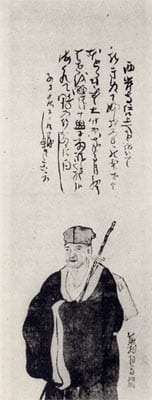
Portrait of Matsuo Basho by Buson
Buson, http://www.russianplanet.ru/filolog/vostok/nihon/images/042-043_portrait_of_basho.jpg, Public domain, via Wikimedia Commons
Source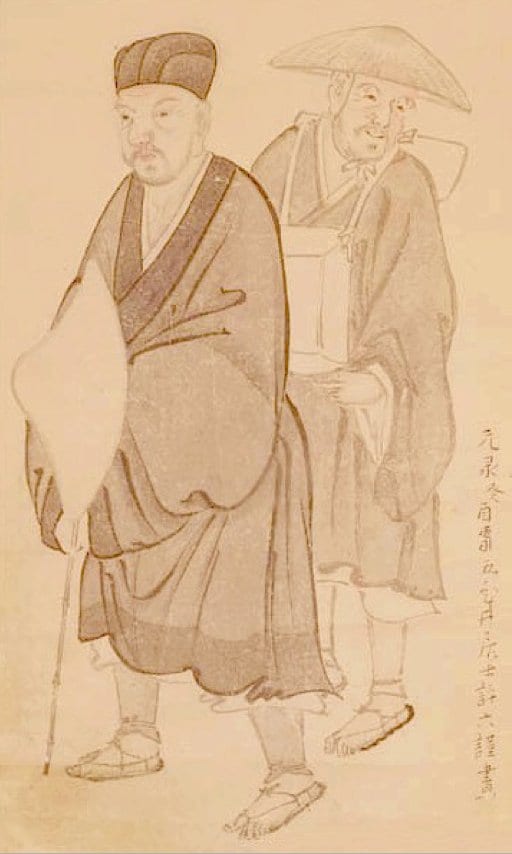
Matsuo Basho by Morikawa Kyoriku (1656-1715)
Morikawa Kyoriku (1656-1715), http://www.sonic.net/~tabine/SAABasho_etc_Spring_2005/basho_folder/SAASpring2005_Basho_01.html, Public domain, via Wikimedia Commons
Source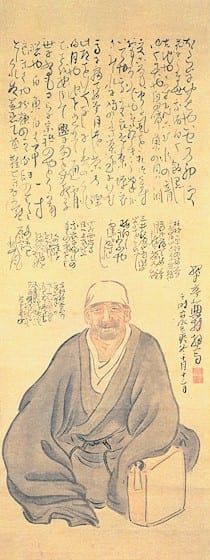
Portrait of Matsuo Basho
Yosa Buson, http://www.bashouan.com/psBashouNc02.htm, Public domain, via Wikimedia Commons
SourceSources
Related Memorials
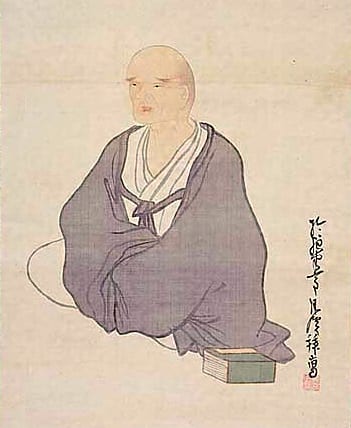
Yosa Buson
Kyoto, Japan
A Memory Realm virtual memorial place honoring Yosa Buson, remembered for Haiku, Literati painting, Edo arts.
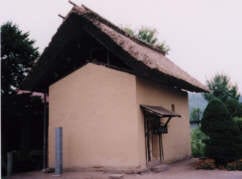
Kobayashi Issa
Shinano, Nagano, Japan
A Memory Realm virtual memorial place honoring Kobayashi Issa, remembered for Haiku, Edo poetry, Japanese literary memory.
Võ Nguyên Giáp
Hanoi, Vietnam
A Memory Realm virtual memorial place honoring Võ Nguyên Giáp, remembered for Military strategy, Vietnamese history, Dien Bien Phu.
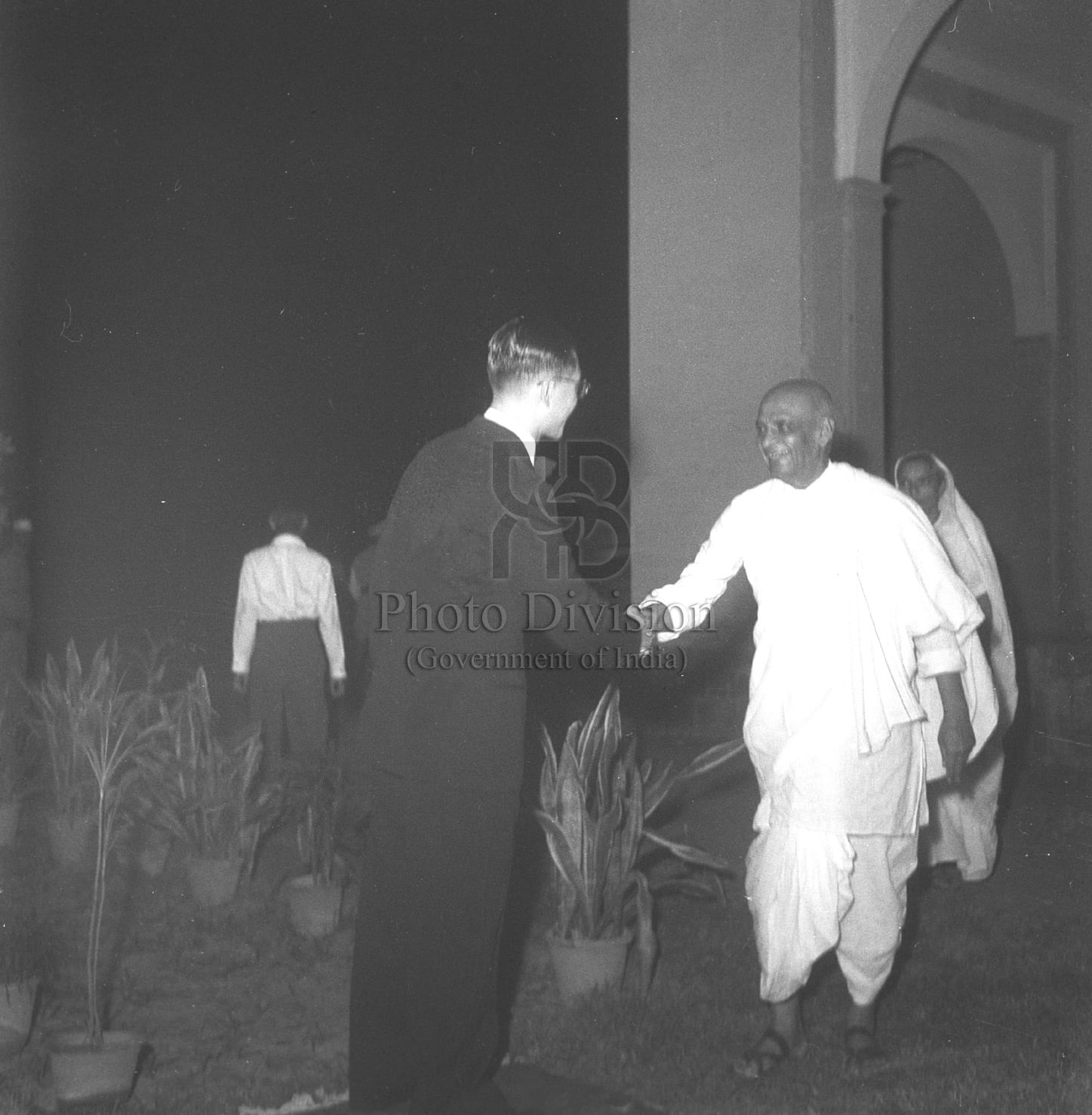
Vallabhbhai Patel
Ahmedabad, India
A Memory Realm virtual memorial place honoring Vallabhbhai Patel, remembered for Indian unification, Public administration, Independence movement.

U Thant
Yangon, Myanmar
A Memory Realm virtual memorial place honoring U Thant, remembered for United Nations, Diplomacy, Burmese public service.
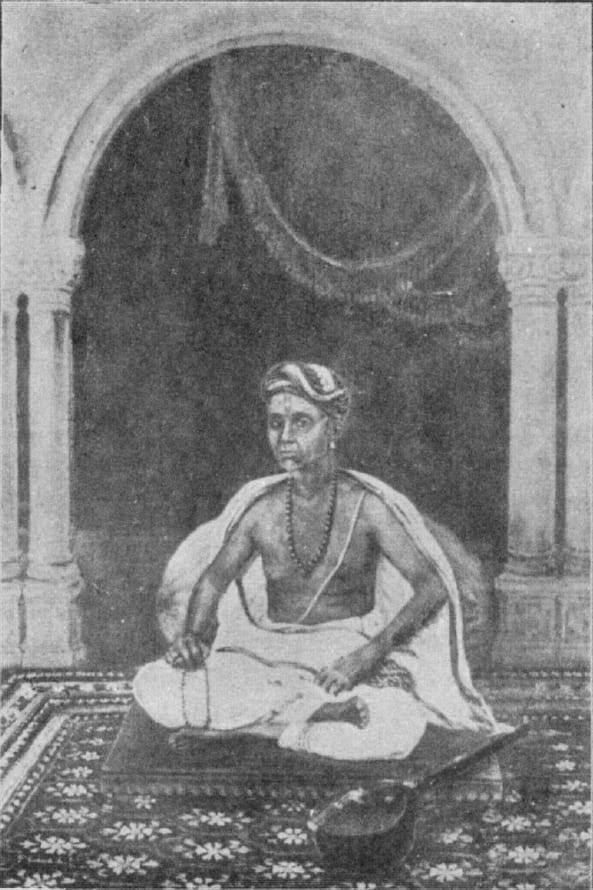
Tyagaraja
Thanjavur, India
A Memory Realm virtual memorial place honoring Tyagaraja, remembered for Carnatic music, Devotional composition, Telugu lyrics.