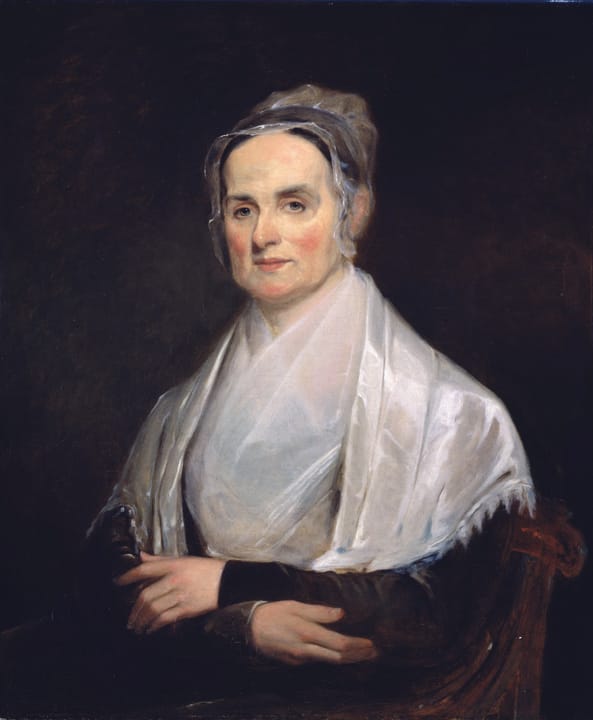
Virtual Memorial
Lucretia Mott
A Memory Realm virtual memorial place honoring Lucretia Mott, remembered for Abolition, Women's rights, Social reform.
Why Lucretia Mott Is Remembered
Lucretia Mott is remembered for abolition, women's rights, social reform. This public page gives visitors a concise starting point for understanding why this figure remains part of cultural, civic, scientific, or literary memory.
The page is designed as an accessible introduction rather than an exhaustive account, with source links and image credits kept visible for further reading.
A Virtual Memorial in Memory Realm
This Memory Realm memorial hall turns a map reference into a virtual place for discovery. Visitors can move from the public page to the map and then into a 3D memorial hall connected to Lucretia Mott.
The place is part of Memory Realm's virtual layer. It is not a physical marker and does not claim rights, control, access, endorsement, or affiliation connected to a real-world site.
Place Context
Philadelphia, Pennsylvania, United States is used as a broad spatial reference for this memorial hall because it is connected to Lucretia Mott's story, memory, or public legacy. The location is intentionally city-level or region-level so the page can provide orientation without implying a claim over a specific property or institution.
Historical Context
Lucretia Mott was an American Quaker, abolitionist, women's rights activist, and social reformer. She had formed the idea of reforming the position of women in society when she was amongst the women excluded from the World Anti-Slavery Convention held in London in 1840. In 1848, she was invited by Jane Hunt to a meeting that led to the first public gathering about women's rights, the Seneca Falls Convention, during which the Declaration of Sentiments was written.
Memory Realm presents this context for educational discovery and remembrance, with public source links and media attribution preserved alongside the page content.
Photos
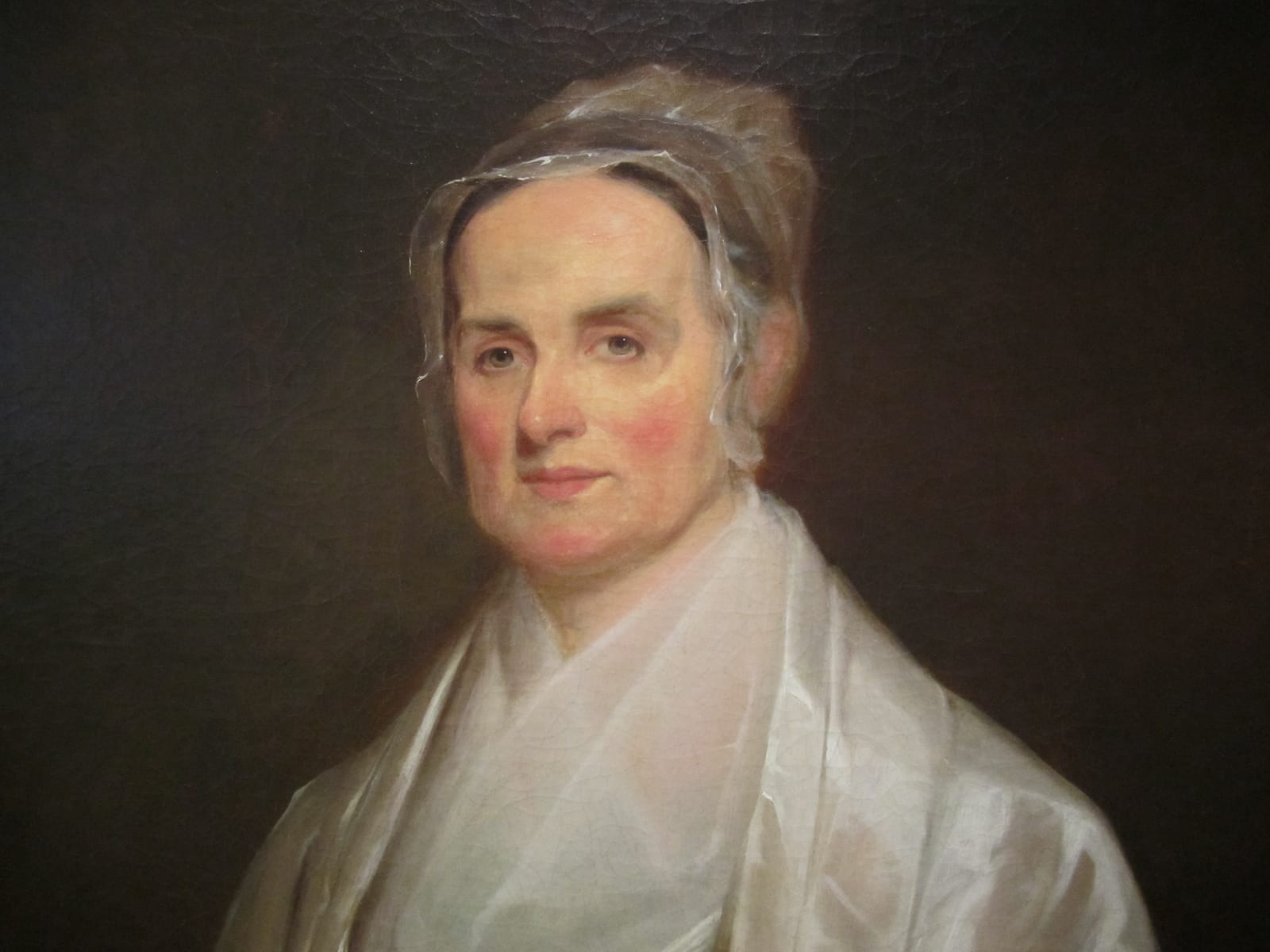
I took photo of Lucretia Mott at National Portrait Gallery with Canon Camera. Public domain. U.S. government property
Billy Hathorn, Own work, CC0, via Wikimedia Commons
Source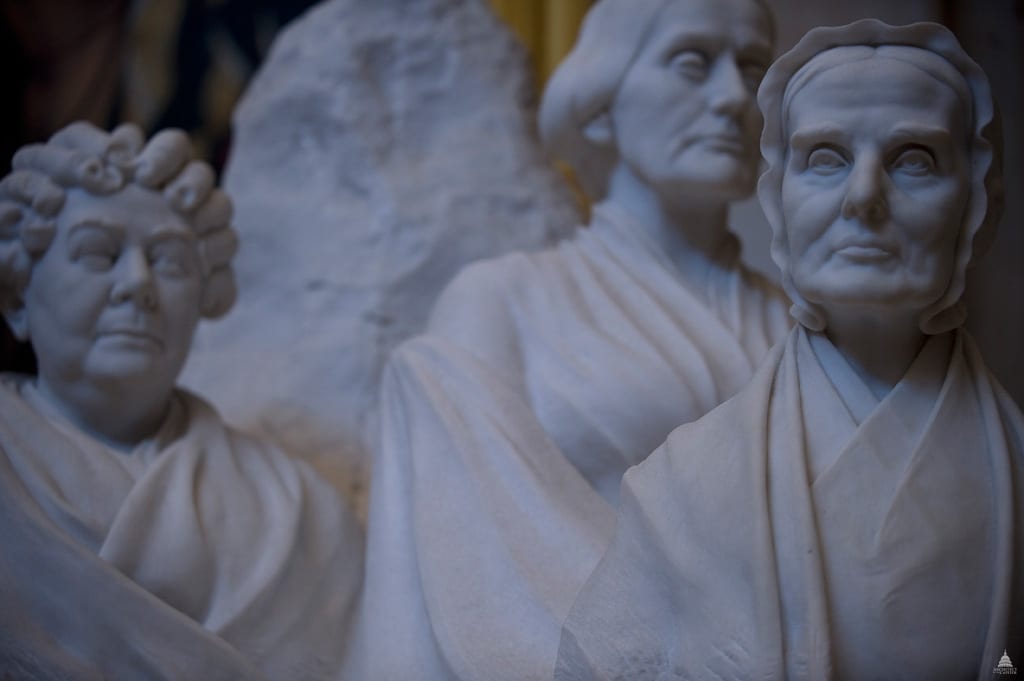
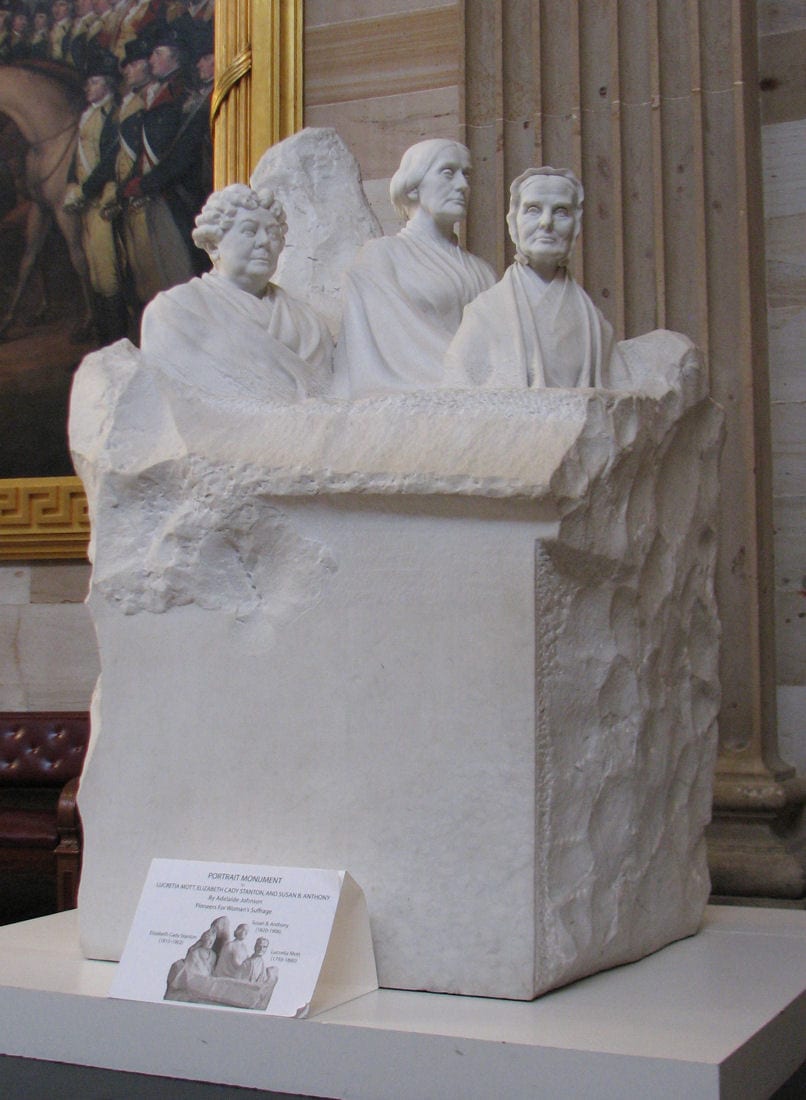
This group portrait monument to the pioneers of the woman suffrage movement, which won women the right to vote in 1920, was sculpted by Adelaide Johnson (1859-1955) from an 8-ton b
USCapitol, Portrait Monument to Lucretia Mott, Elizabeth Cady Stanton and Susan B. Anthony, Public domain, via Wikimedia Commons
Source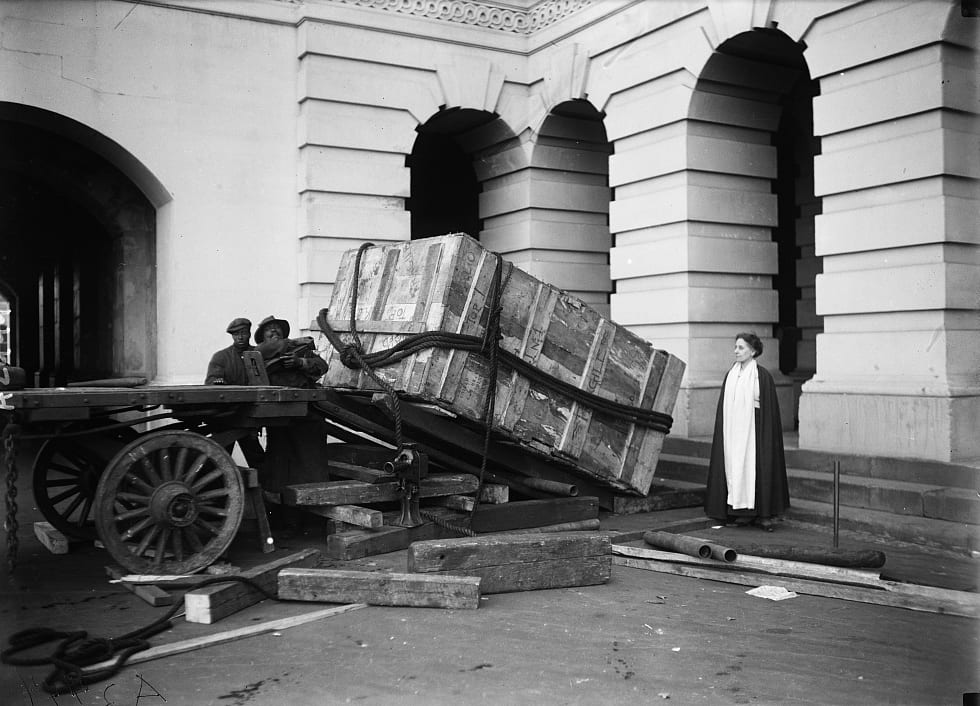
Portrait Monument to Lucretia Mott, Elizabeth Cady Stanton and Susan B. Anthony30678v
Harris & Ewing, This image is available from the United States Library of Congress 's Prints and Photographs division under the digital ID hec.30678 . This tag does not indicate the copyright status of the attached work. A normal copyright tag is still req
SourceSources
Related Memorials
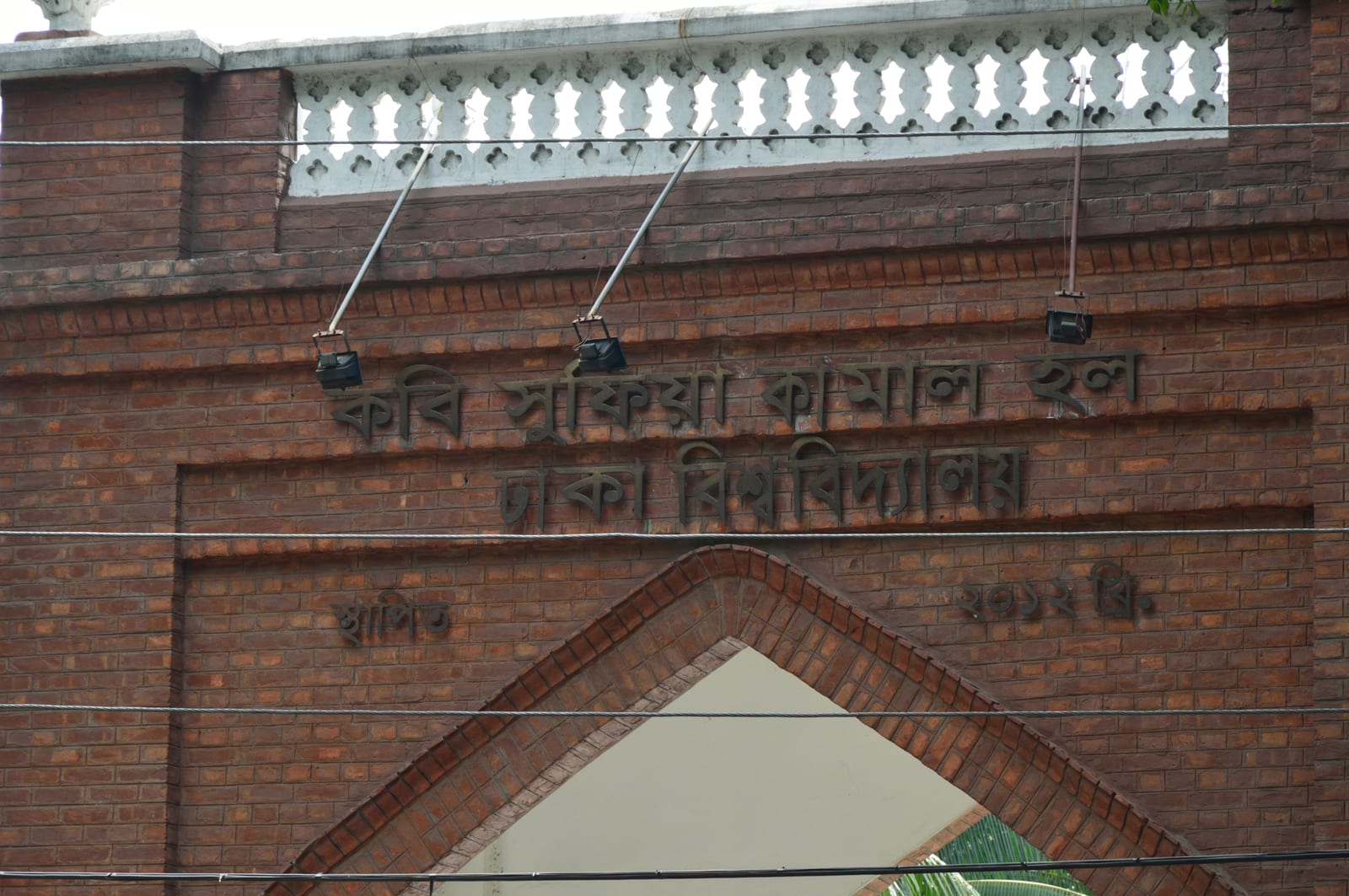
Sufia Kamal
Dhaka, Bangladesh
A Memory Realm virtual memorial place honoring Sufia Kamal, remembered for Bengali poetry, Women's rights, Cultural activism.
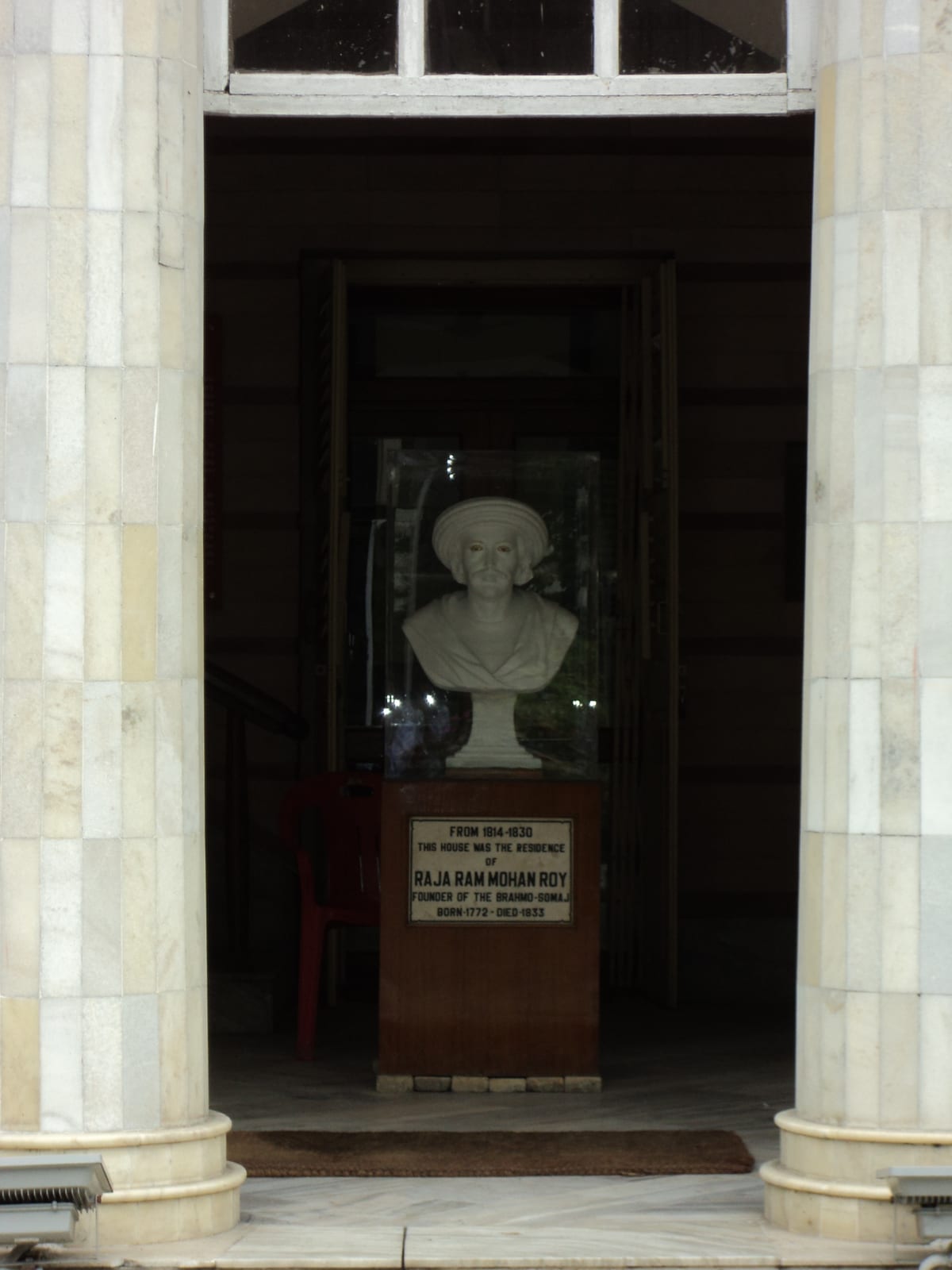
Raja Ram Mohan Roy
Kolkata, India
A Memory Realm virtual memorial place honoring Raja Ram Mohan Roy, remembered for Bengal Renaissance, Social reform, Brahmo Samaj.

Kabir
Varanasi, India
A Memory Realm virtual memorial place honoring Kabir, remembered for Bhakti poetry, Mysticism, Social reform.
Begum Rokeya
Rangpur, Bangladesh
A Memory Realm virtual memorial place honoring Begum Rokeya, remembered for Women's education, Bengali literature, Social reform.
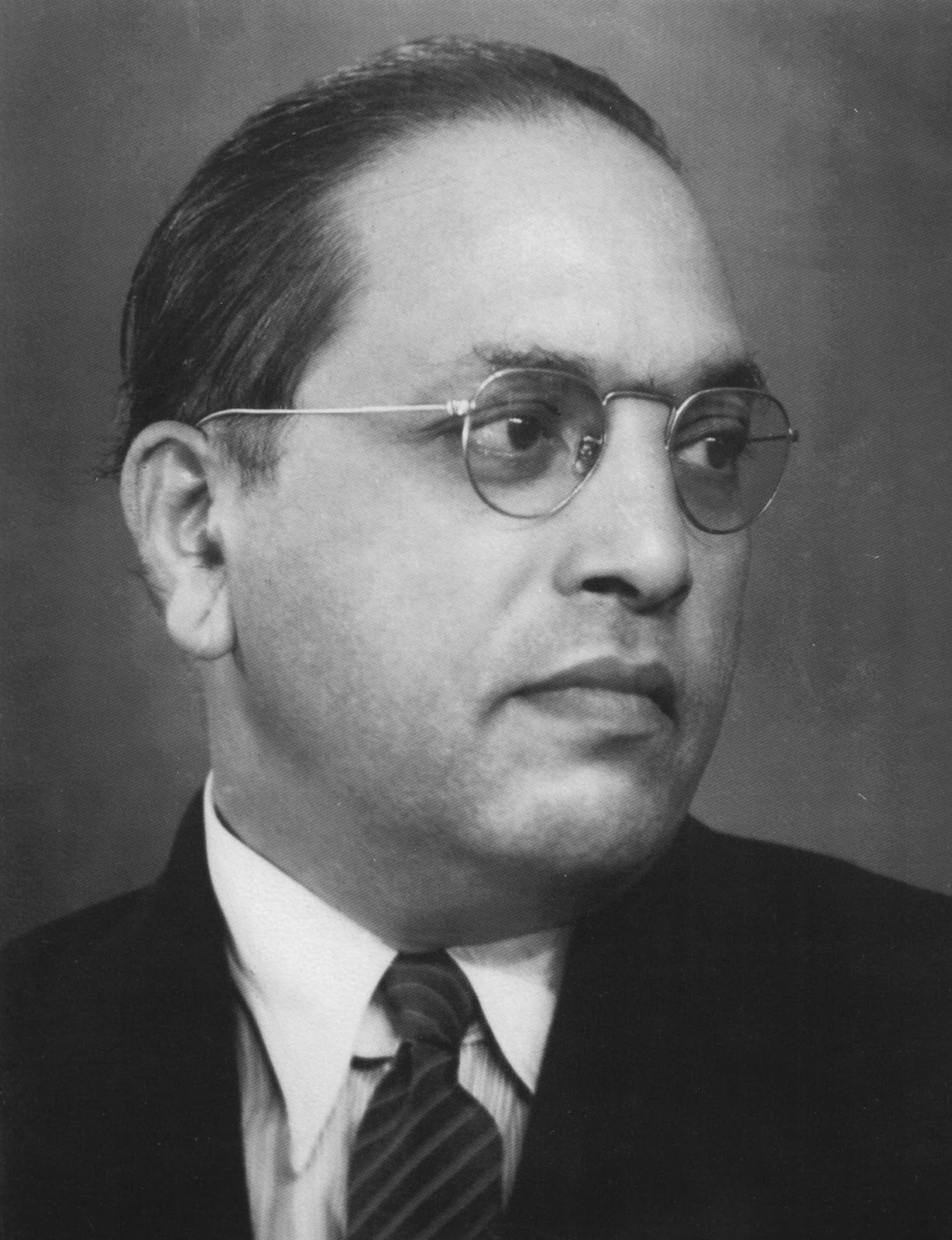
B. R. Ambedkar
Mumbai, India
A Memory Realm virtual memorial place honoring B. R. Ambedkar, remembered for Indian Constitution, Dalit rights, Social reform.
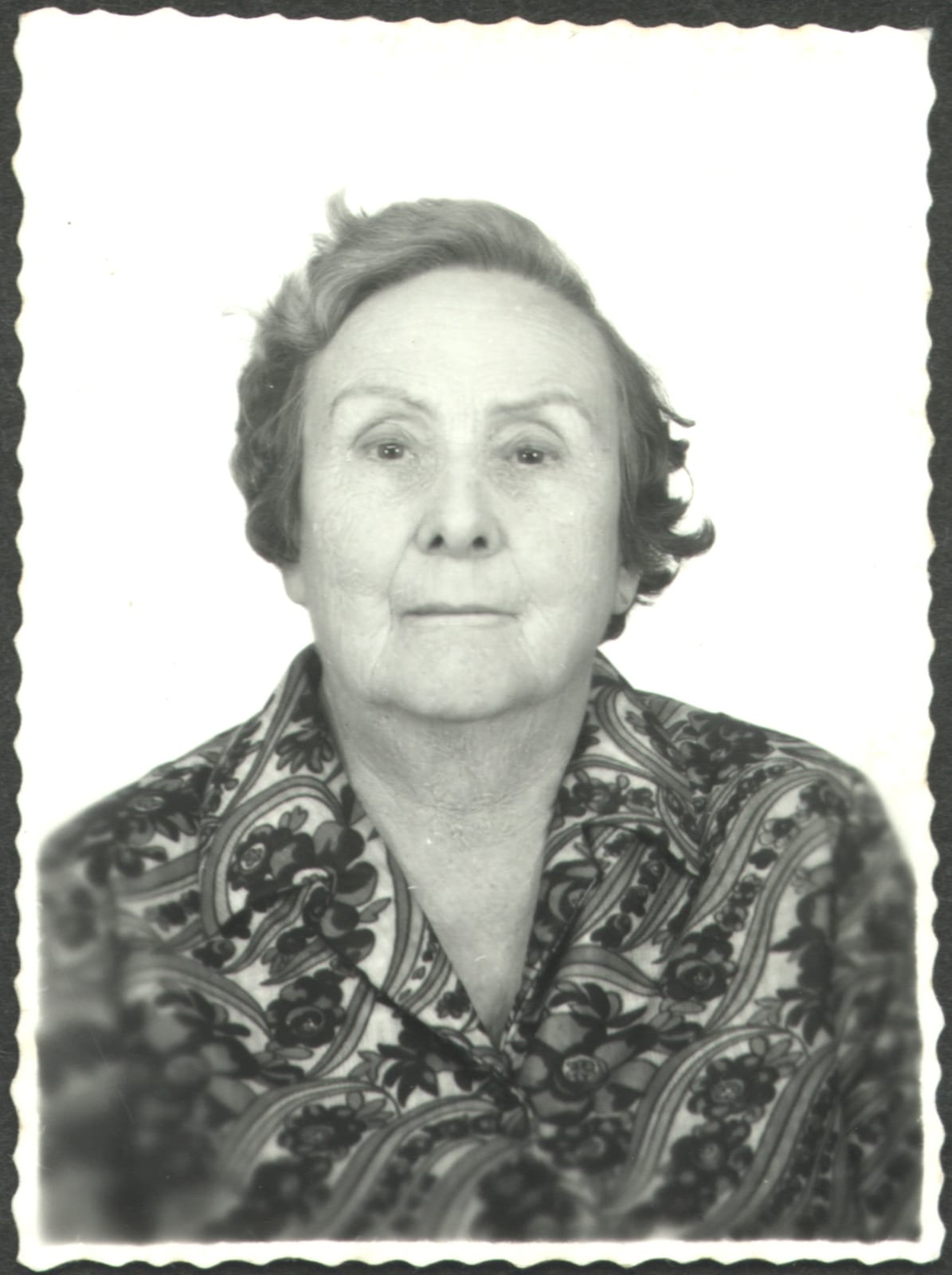
Bertha Lutz
Rio de Janeiro, Brazil
A Memory Realm virtual memorial place honoring Bertha Lutz, remembered for Women's rights, Brazilian feminism, Science and diplomacy.