Virtual Memorial
Lê Lợi
A Memory Realm virtual memorial place honoring Lê Lợi, remembered for Lam Sơn uprising, Lê dynasty, Vietnamese independence.
Why Lê Lợi Is Remembered
Lê Lợi is remembered for lam sơn uprising, lê dynasty, vietnamese independence. This public page gives visitors a concise starting point for understanding why this figure remains part of cultural, civic, scientific, or literary memory.
The page is designed as an accessible introduction rather than an exhaustive account, with source links and image credits kept visible for further reading.
A Virtual Memorial in Memory Realm
This Memory Realm memorial hall turns a map reference into a virtual place for discovery. Visitors can move from the public page to the map and then into a 3D memorial hall connected to Lê Lợi.
The place is part of Memory Realm's virtual layer. It is not a physical marker and does not claim rights, control, access, endorsement, or affiliation connected to a real-world site.
Place Context
Thanh Hóa, Vietnam is used as a broad spatial reference for this memorial hall because it is connected to Lê Lợi's story, memory, or public legacy. The location is intentionally city-level or region-level so the page can provide orientation without implying a claim over a specific property or institution.
Historical Context
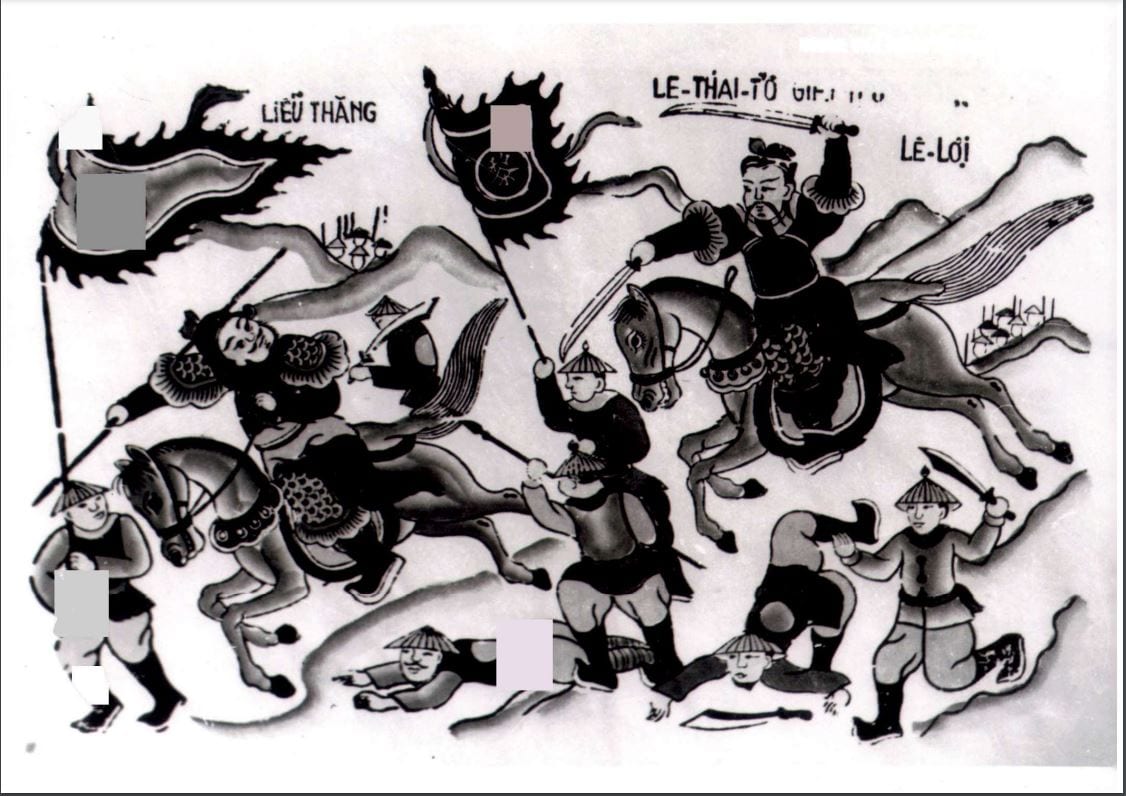
Lê Lợi, also known by his temple name as Lê Thái Tổ (黎太祖) and by his royal title Bình Định vương, was a Vietnamese rebel leader who founded the Later Lê dynasty and became the first emperor of the restored kingdom of Đại Việt following the conquest of Đại Ngu by the Ming dynasty. In 1418, Lê Lợi and his followers rose up against Ming rule. He was known for his effective guerrilla tactics, including constantly moving his camps and using small bands of irregulars to ambush the larger Ming forces. In 1427, Lê Lợi's resistance movement successfully drove the Ming armies out of Vietnam and restored Vietnamese independence. Lê Lợi is among the most famous figures of Vietnamese history and often considered one of its greatest national heroes.
Memory Realm presents this context for educational discovery and remembrance, with public source links and media attribution preserved alongside the page content.
Photos
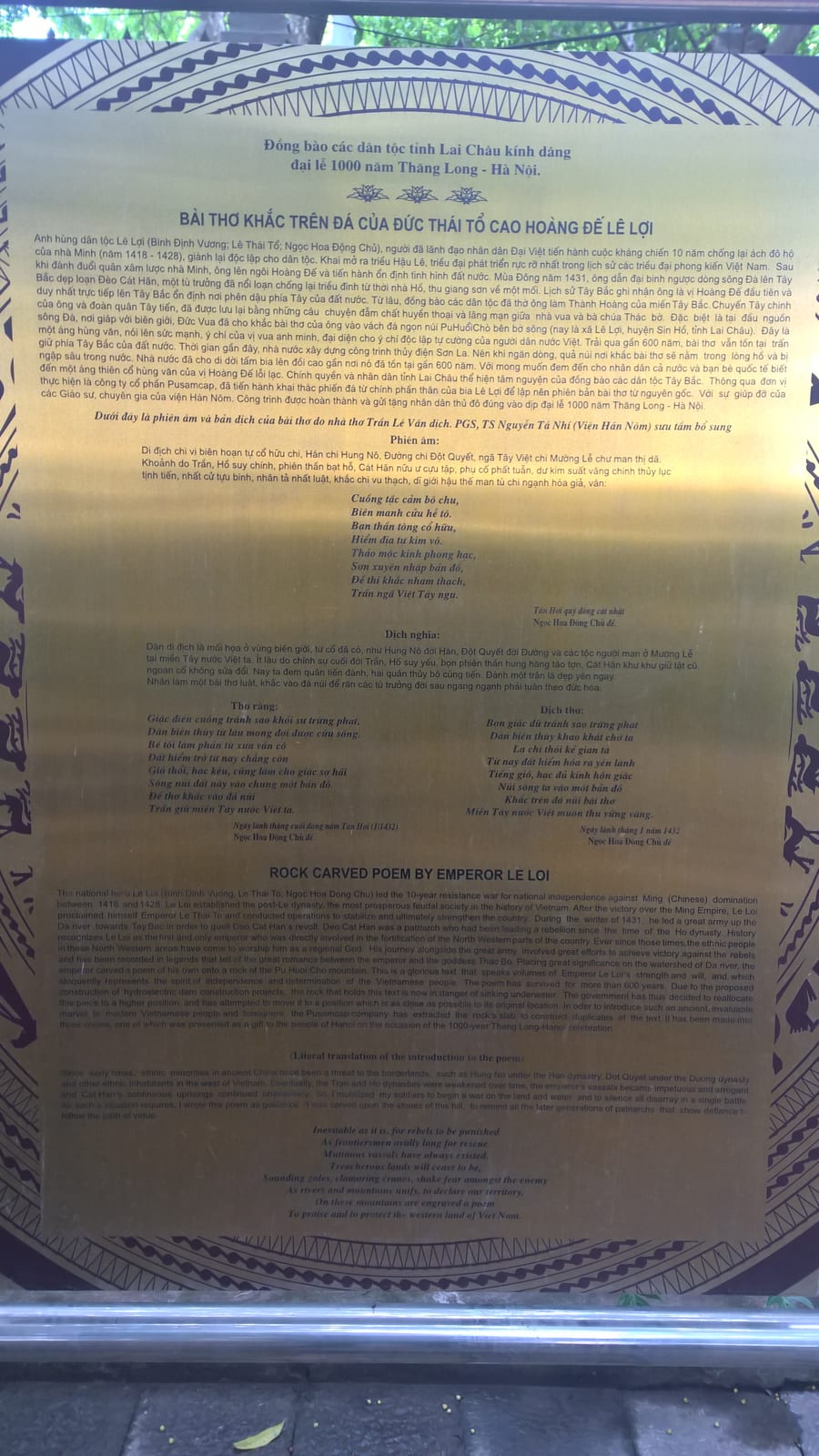
Information in 3 (three) languages on the rock carved by Lê Lợi.
Cookie Nguyen, Own work, CC BY-SA 4.0, via Wikimedia Commons
Source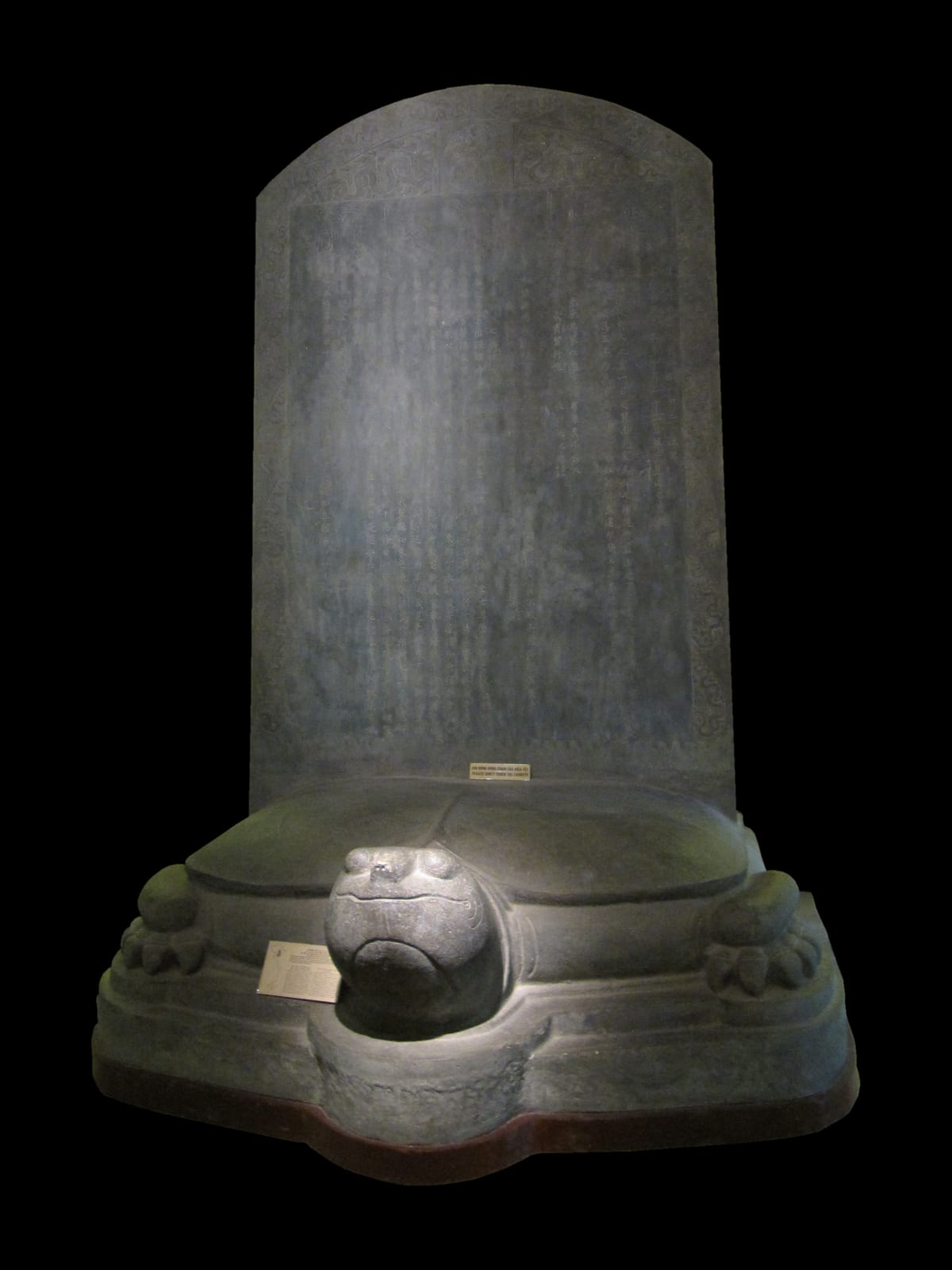
Vĩnh Lăng stele (replica). Height: 330 cm, breadth: 280 cm. Stone, erected in the 6th year of Thuận Thiên reign (1433). Early Lê dynasty, ancient capital of Lam Kinh, Thanh Hóa pro
National_Museum_Vietnamese_History_65.jpg : Gryffindor derivative work: Jbarta ( talk ), National_Museum_Vietnamese_History_65.jpg, CC BY-SA 3.0, via Wikimedia Commons
Source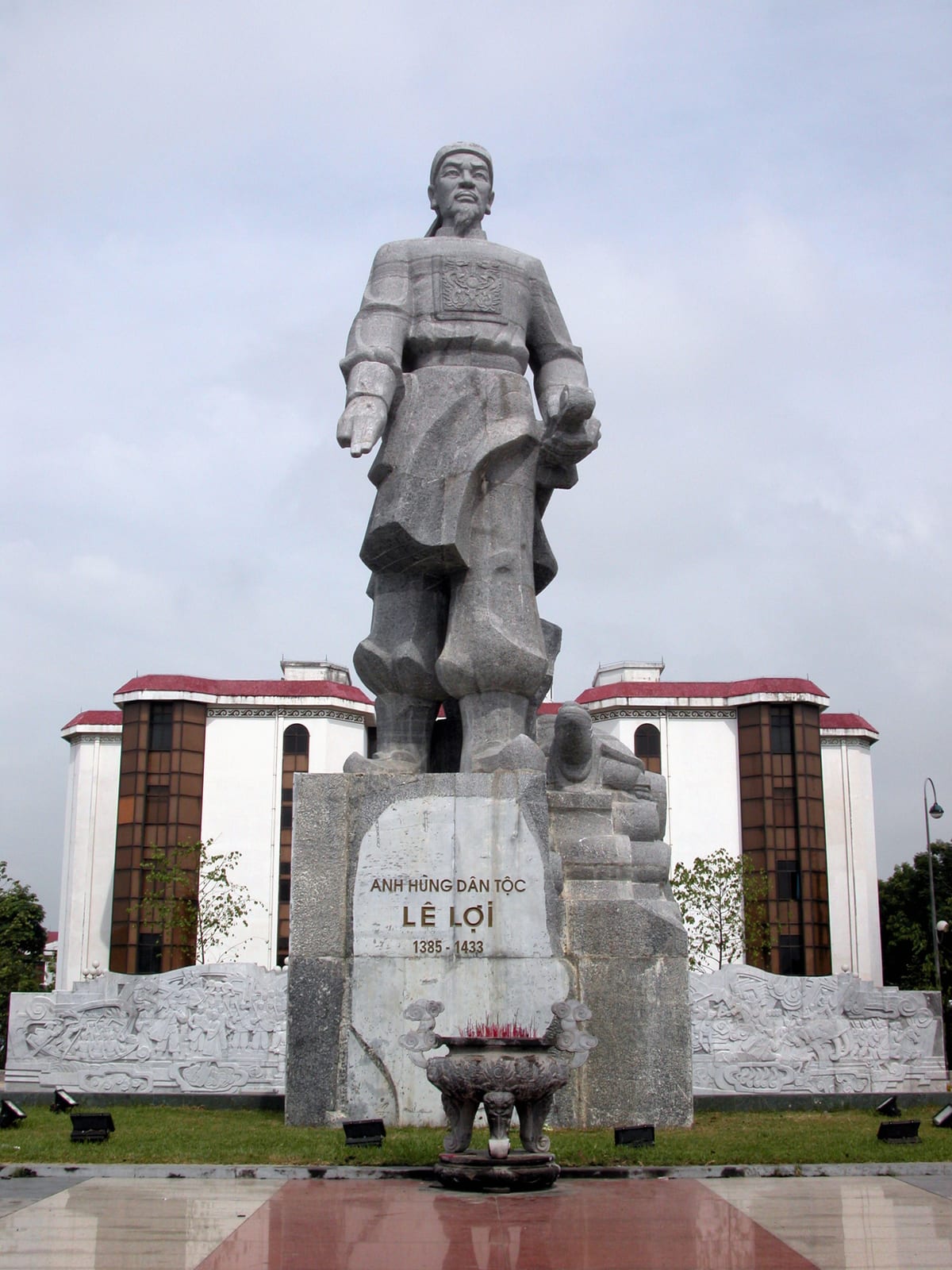
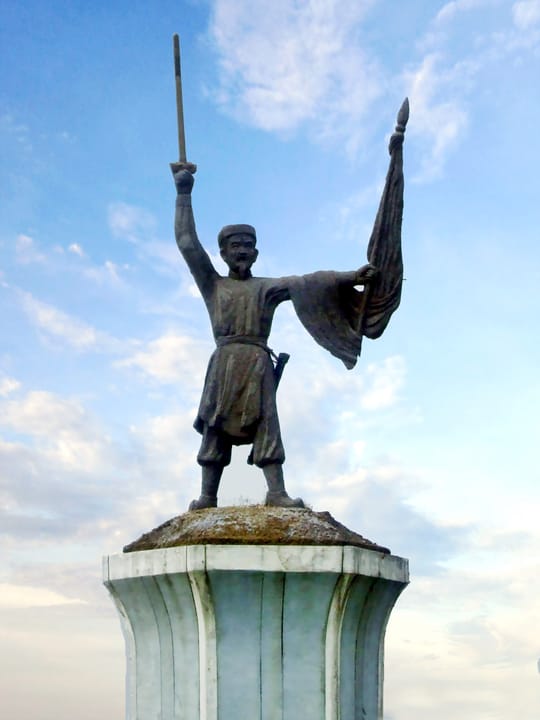
Le Loi statue in front of the City Hall of Thanh Hoa province.
Nguyễn Thanh Quang, Own work, CC BY-SA 3.0, via Wikimedia Commons
SourceSources
Related Memorials
Ngô Quyền
Hanoi, Vietnam
A Memory Realm virtual memorial place honoring Ngô Quyền, remembered for Battle of Bạch Đằng, Vietnamese independence, Dynastic history.
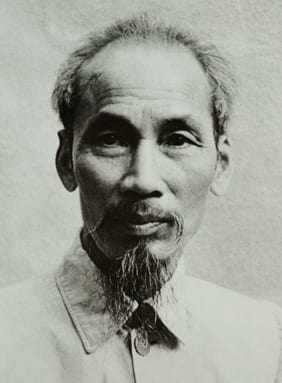
Ho Chi Minh
Hanoi, Vietnam
A Memory Realm virtual memorial place honoring Ho Chi Minh, remembered for Vietnamese independence, Anti-colonial politics, Public memory.
Võ Nguyên Giáp
Hanoi, Vietnam
A Memory Realm virtual memorial place honoring Võ Nguyên Giáp, remembered for Military strategy, Vietnamese history, Dien Bien Phu.
Vallabhbhai Patel
Ahmedabad, India
A Memory Realm virtual memorial place honoring Vallabhbhai Patel, remembered for Indian unification, Public administration, Independence movement.

U Thant
Yangon, Myanmar
A Memory Realm virtual memorial place honoring U Thant, remembered for United Nations, Diplomacy, Burmese public service.
Tyagaraja
Thanjavur, India
A Memory Realm virtual memorial place honoring Tyagaraja, remembered for Carnatic music, Devotional composition, Telugu lyrics.