Virtual Memorial
Kukai
A Memory Realm virtual memorial place honoring Kukai, remembered for Shingon Buddhism, Japanese calligraphy, Mount Koya.
Why Kukai Is Remembered
Kukai is remembered for shingon buddhism, japanese calligraphy, mount koya. This public page gives visitors a concise starting point for understanding why this figure remains part of cultural, civic, scientific, or literary memory.
The page is designed as an accessible introduction rather than an exhaustive account, with source links and image credits kept visible for further reading.
A Virtual Memorial in Memory Realm
This Memory Realm memorial hall turns a map reference into a virtual place for discovery. Visitors can move from the public page to the map and then into a 3D memorial hall connected to Kukai.
The place is part of Memory Realm's virtual layer. It is not a physical marker and does not claim rights, control, access, endorsement, or affiliation connected to a real-world site.
Place Context
Koyasan, Wakayama, Japan is used as a broad spatial reference for this memorial hall because it is connected to Kukai's story, memory, or public legacy. The location is intentionally city-level or region-level so the page can provide orientation without implying a claim over a specific property or institution.
Historical Context
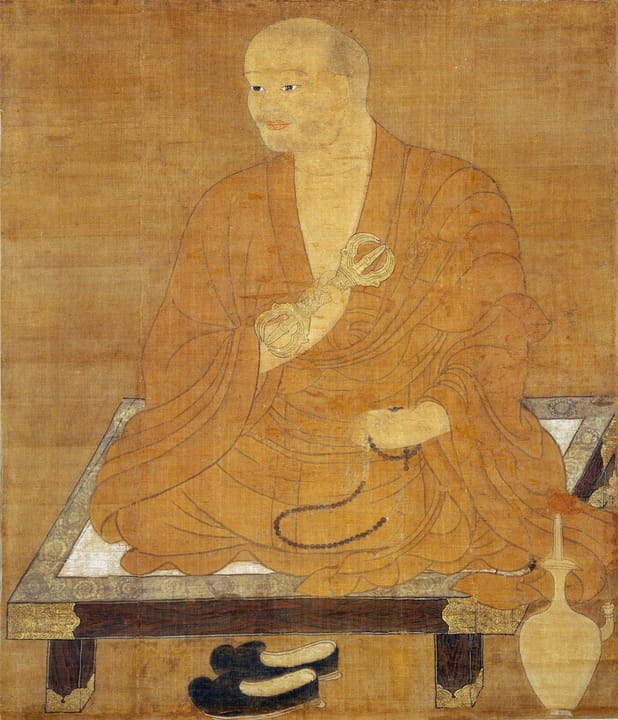
Kūkai , born Saeki no Mao posthumously called Kōbō Daishi , was a Japanese Buddhist monk, calligrapher, and poet who founded the esoteric Shingon school of Buddhism. He travelled to China, where he studied Tangmi under the monk Huiguo. Upon returning to Japan, he founded Shingon—the Japanese branch of Vajrayana Buddhism. With the blessing of several Emperors, Kūkai was able to preach Shingon teachings and found Shingon temples. Like other influential monks, Kūkai oversaw public works and constructions. Mount Kōya was chosen by him as a holy site, and he spent his later years there until his death in 835 CE.
Memory Realm presents this context for educational discovery and remembrance, with public source links and media attribution preserved alongside the page content.
Photos
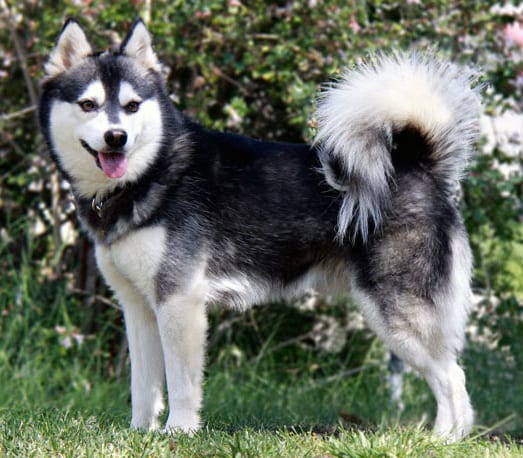
4 year old BIS winner Kukai, a standard, black and white Alaskan Klee Kai
Hyrel at English Wikipedia, Photograph taken by Jennifer Parks of World of Wonder Alaskan Klee Kai., CC BY-SA 3.0, via Wikimedia Commons
Source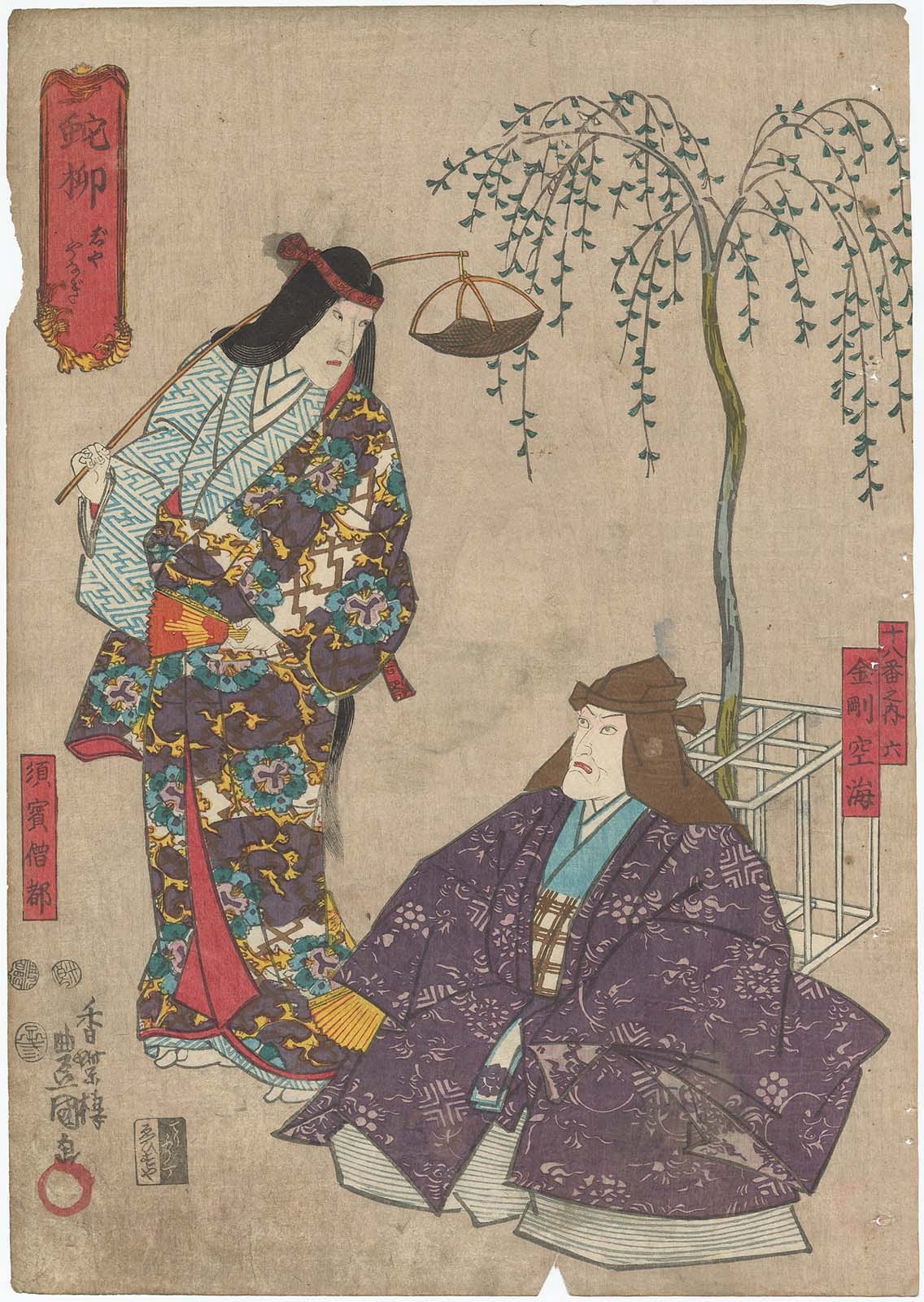
Part of the series The Eighteen Great Kabuki Plays , No. 06
Utagawa Kunisada, Museum of Fine Arts, Boston, online database, Public domain, via Wikimedia Commons
Source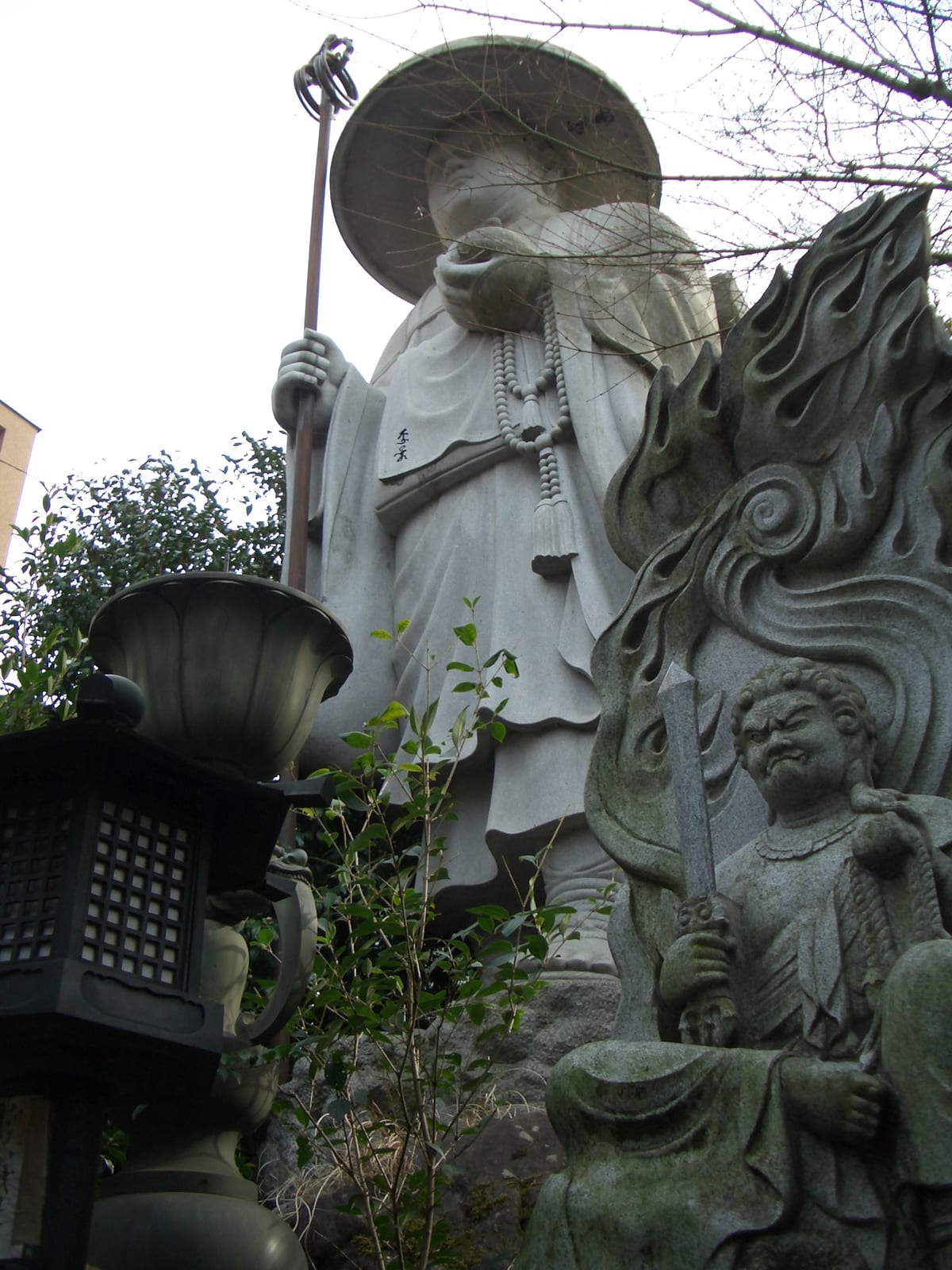
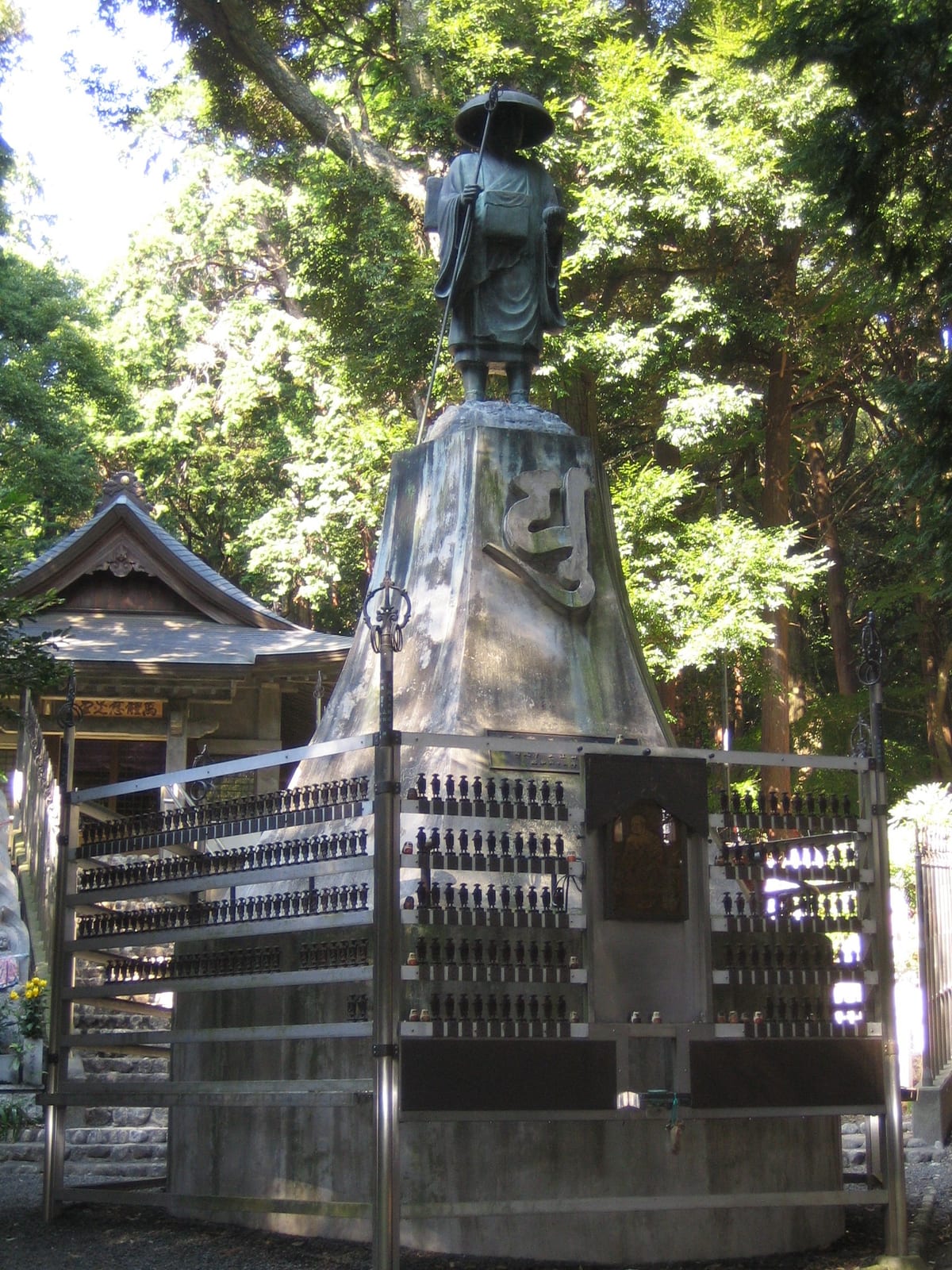
Statue of Kukai (空海) in "Tamagawa-Daishi" (玉川大師), Gyokushin'in Temple (玉真院)
phosphor, https://web.archive.org/web/20161015130945/http://www.panoramio.com/photo/33992125, CC BY 3.0, via Wikimedia Commons
SourceSources
Related Memorials
Võ Nguyên Giáp
Hanoi, Vietnam
A Memory Realm virtual memorial place honoring Võ Nguyên Giáp, remembered for Military strategy, Vietnamese history, Dien Bien Phu.
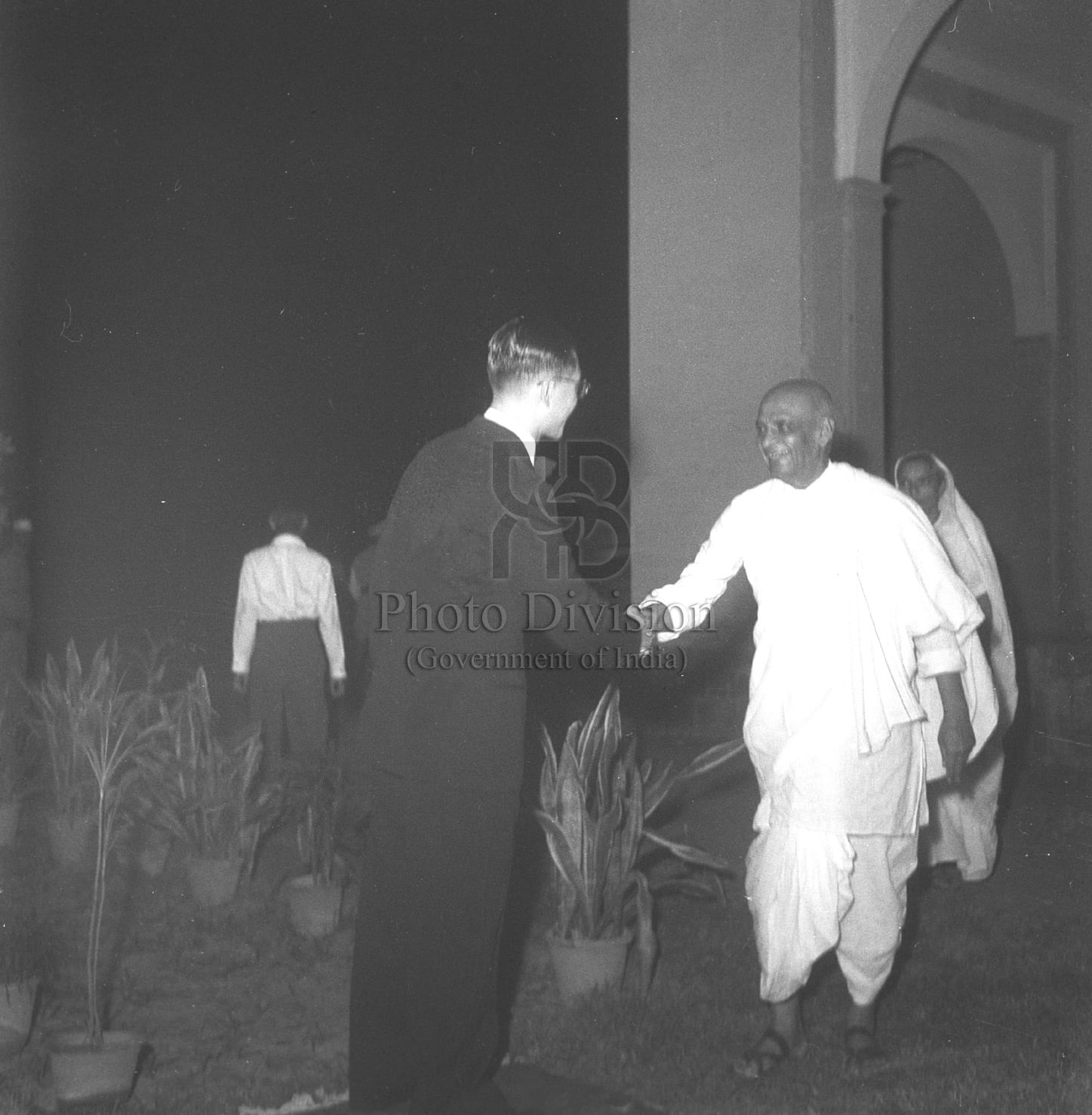
Vallabhbhai Patel
Ahmedabad, India
A Memory Realm virtual memorial place honoring Vallabhbhai Patel, remembered for Indian unification, Public administration, Independence movement.

U Thant
Yangon, Myanmar
A Memory Realm virtual memorial place honoring U Thant, remembered for United Nations, Diplomacy, Burmese public service.
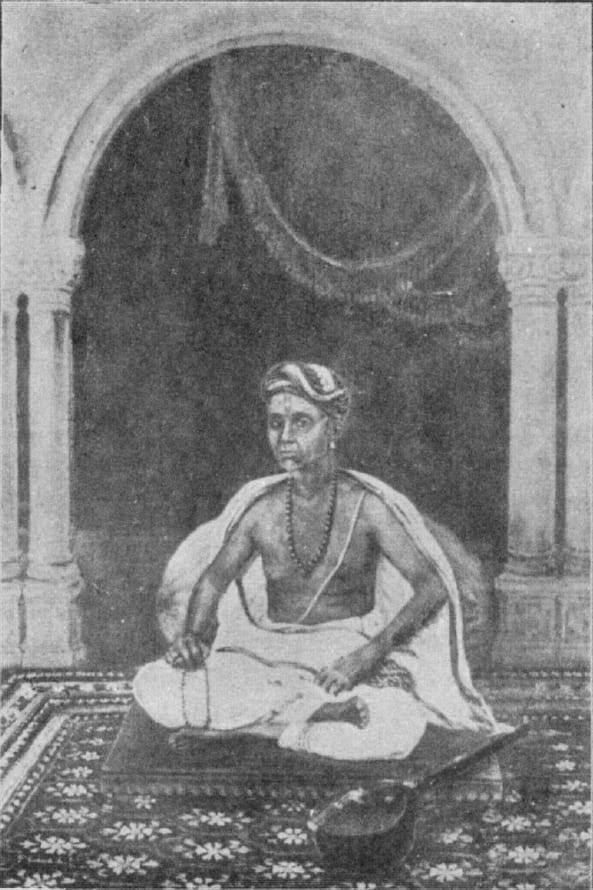
Tyagaraja
Thanjavur, India
A Memory Realm virtual memorial place honoring Tyagaraja, remembered for Carnatic music, Devotional composition, Telugu lyrics.
Tunku Abdul Rahman
Kuala Lumpur, Malaysia
A Memory Realm virtual memorial place honoring Tunku Abdul Rahman, remembered for Malayan independence, Prime ministership, Public leadership.
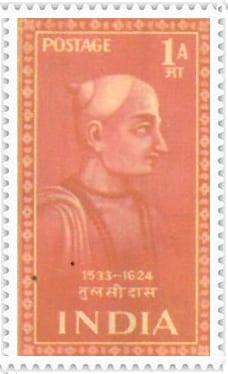
Tulsidas
Varanasi, India
A Memory Realm virtual memorial place honoring Tulsidas, remembered for Ramcharitmanas, Hindi literature, Devotional poetry.