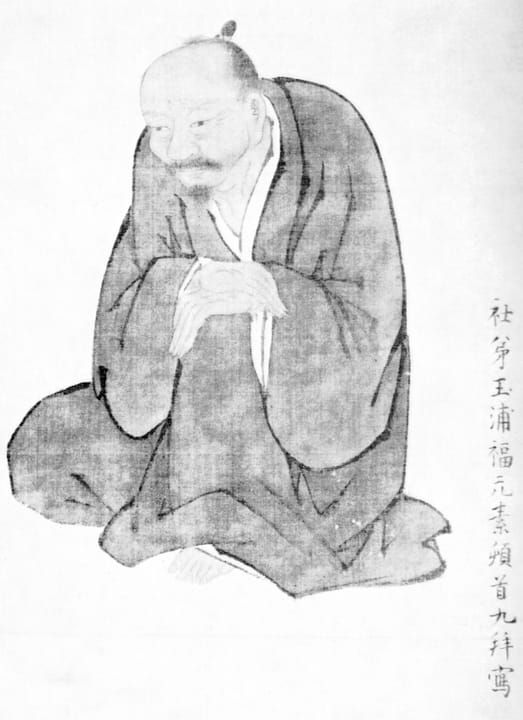
Virtual Memorial
Ike no Taiga
A Memory Realm virtual memorial place honoring Ike no Taiga, remembered for Nanga painting, Calligraphy, Edo literati culture.
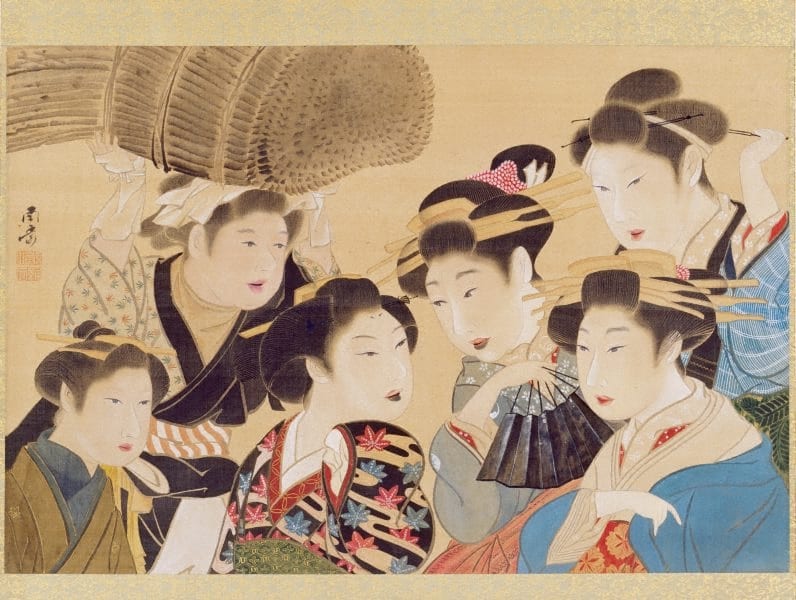
Why Ike no Taiga Is Remembered
Ike no Taiga is remembered for nanga painting, calligraphy, edo literati culture. This public page gives visitors a concise starting point for understanding why this figure remains part of cultural, civic, scientific, or literary memory.
The page is designed as an accessible introduction rather than an exhaustive account, with source links and image credits kept visible for further reading.
A Virtual Memorial in Memory Realm
This Memory Realm memorial hall turns a map reference into a virtual place for discovery. Visitors can move from the public page to the map and then into a 3D memorial hall connected to Ike no Taiga.
The place is part of Memory Realm's virtual layer. It is not a physical marker and does not claim rights, control, access, endorsement, or affiliation connected to a real-world site.
Place Context
Kyoto, Japan is used as a broad spatial reference for this memorial hall because it is connected to Ike no Taiga's story, memory, or public legacy. The location is intentionally city-level or region-level so the page can provide orientation without implying a claim over a specific property or institution.
Historical Context
Ike no Taiga was a Japanese painter and calligrapher born in Kyoto during the Edo period. Together with Yosa Buson, he perfected the bunjinga genre. The majority of his works reflected his passion for classical Chinese culture and painting techniques, though he also incorporated revolutionary and modern techniques into his otherwise very traditional paintings. As a bunjin, Ike was close to many of the prominent social and artistic circles in Kyoto, and in other parts of the country, throughout his lifetime.
Memory Realm presents this context for educational discovery and remembrance, with public source links and media attribution preserved alongside the page content.
Photos
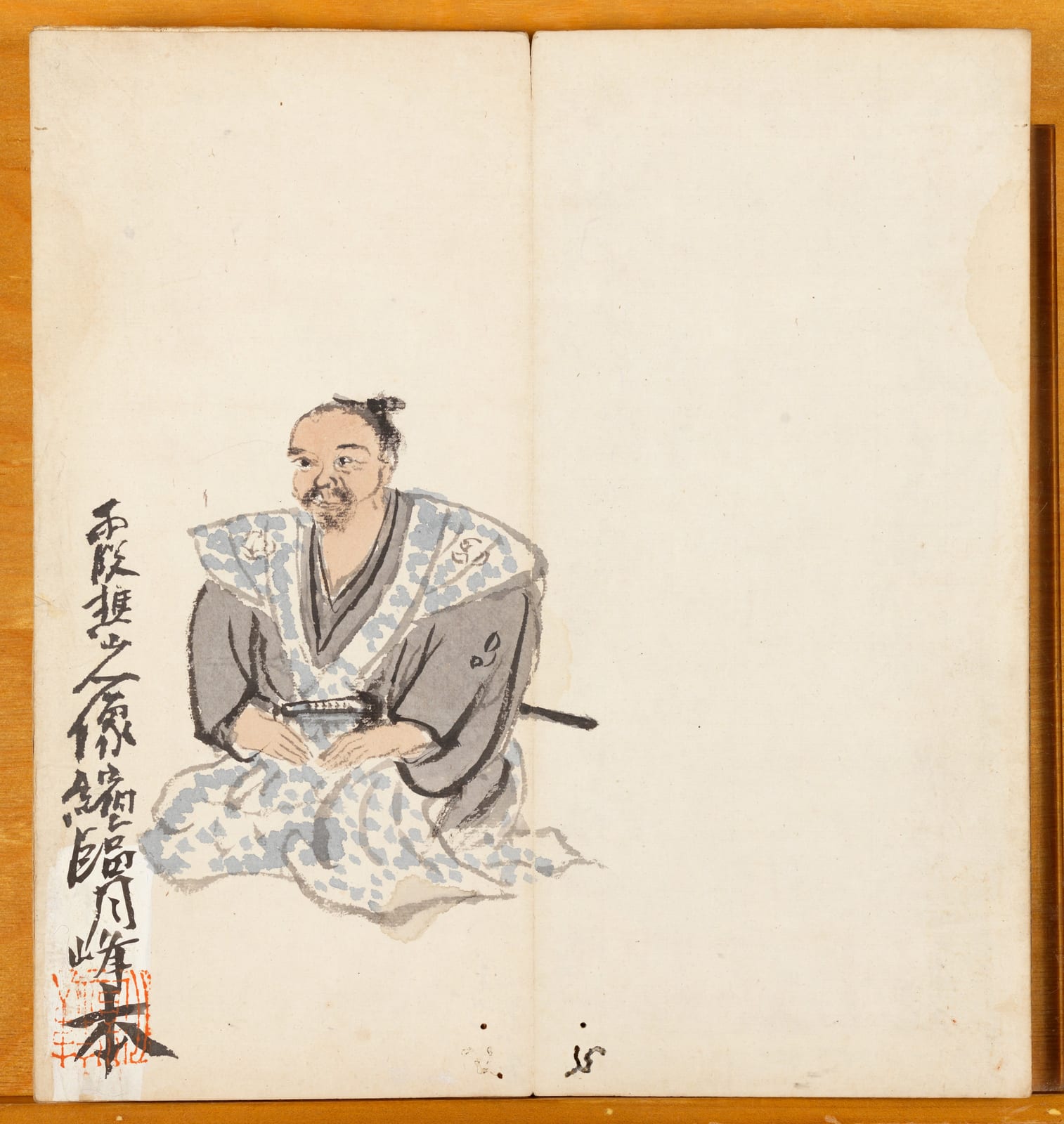
Tomioka Tessai - Portraits of Ike Taiga and His Calligraphies in Seal and Grass Styles - 2015.79.137 - Minneapolis Institute of Art
Tomioka Tessai, Minneapolis Institute of Art, Public domain, via Wikimedia Commons
Source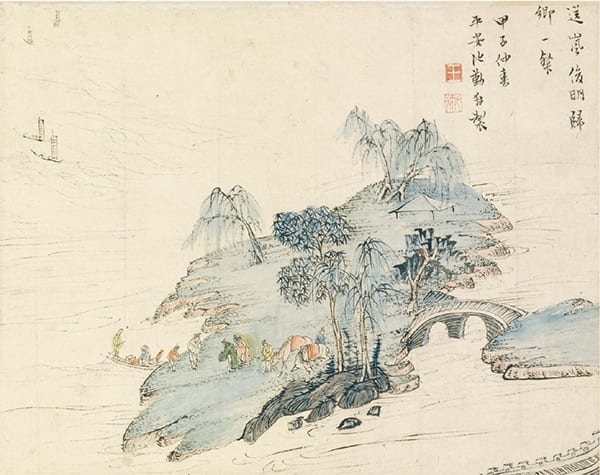
Willows at Weicheng by Ike no Taiga, Tsurui Museum of Art, Niigata, Niigata, Japan
Ike no Taiga, https://www.kyohaku.go.jp/jp/special/tenrankai/taiga2018.html ( http://www.tsurui.co.jp/museum/120collection/ ), Public domain, via Wikimedia Commons
Source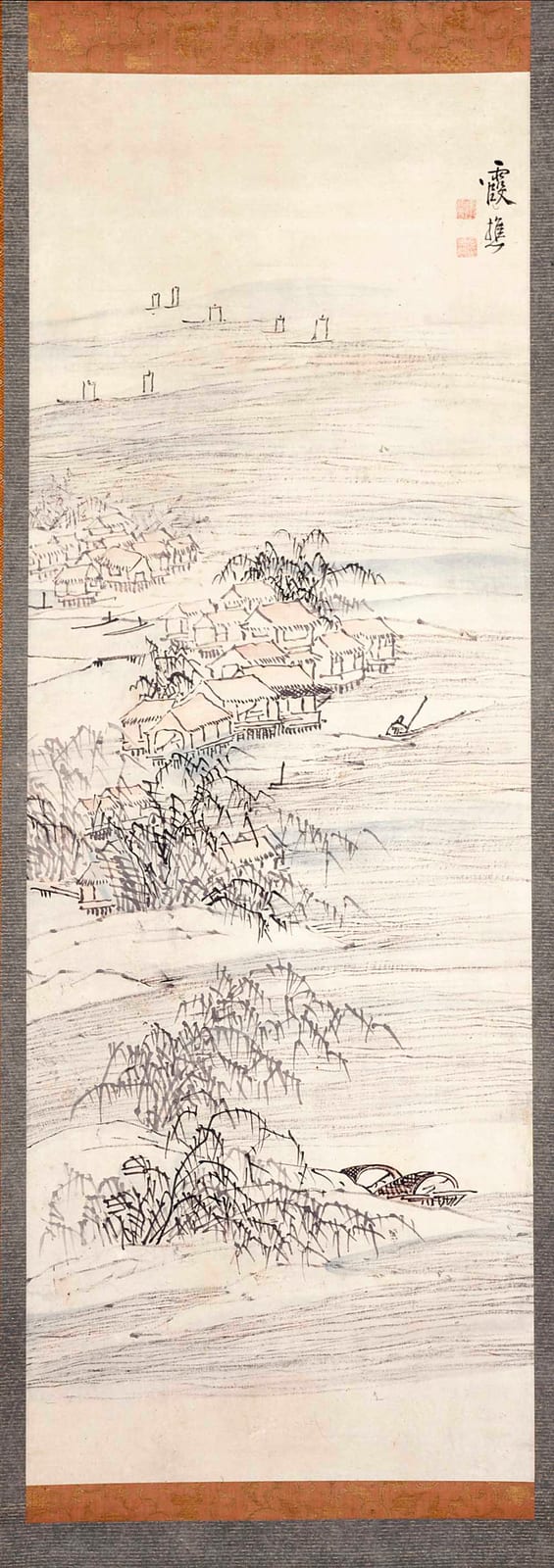
Ike no Taiga - River Village and Fishing Pleasure - 2000.62 - Indianapolis Museum of Art
Ike no Taiga, http://collection.imamuseum.org/artwork/70307/, Public domain, via Wikimedia Commons
SourceSources
Related Memorials
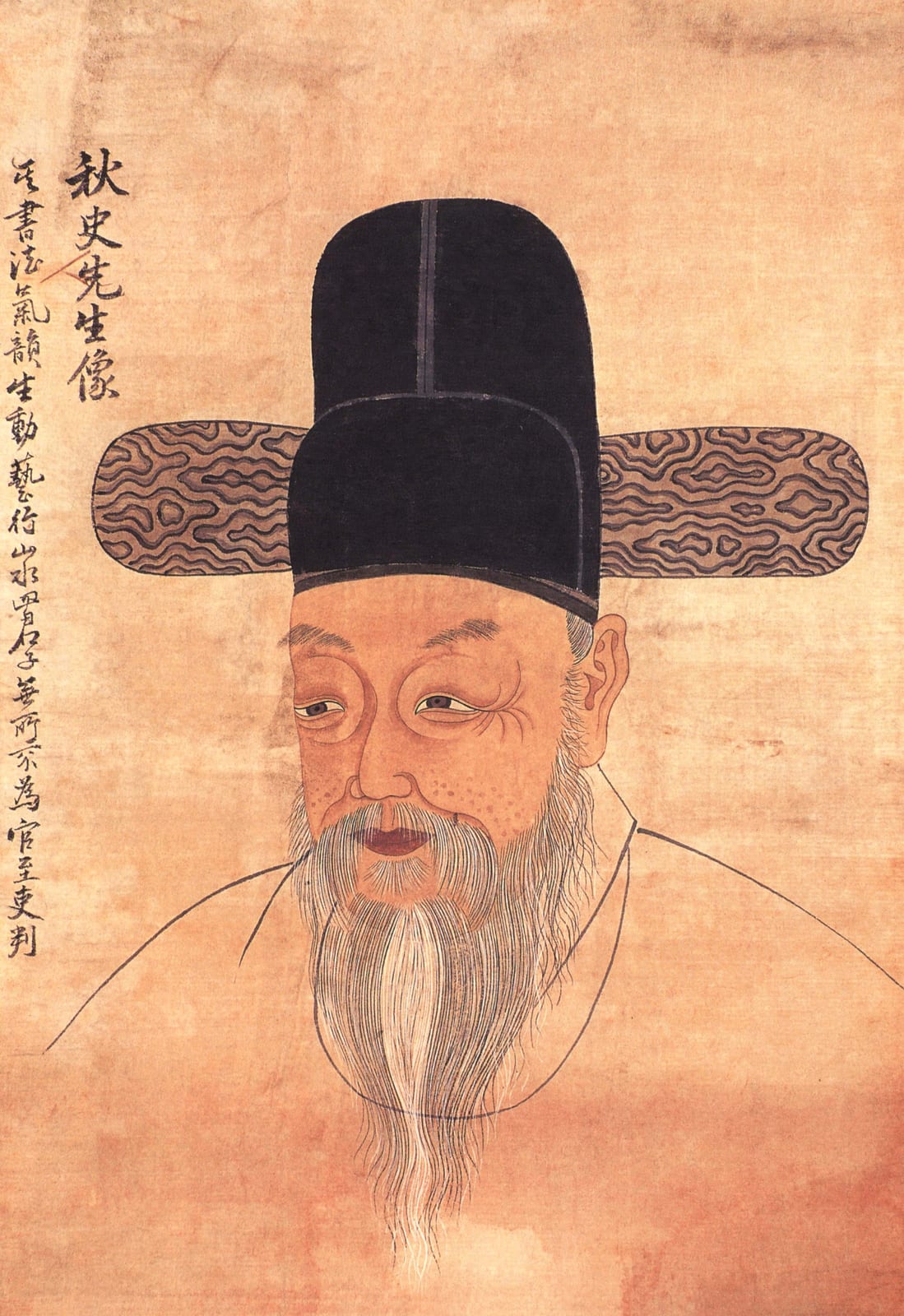
Kim Jeong-hui
Yesan, South Korea
A Memory Realm virtual memorial place honoring Kim Jeong-hui, remembered for Calligraphy, Epigraphy, Chusa style.

Ryokan
Niigata, Japan
A Memory Realm virtual memorial place honoring Ryokan, remembered for Zen poetry, Calligraphy, Edo religious culture.
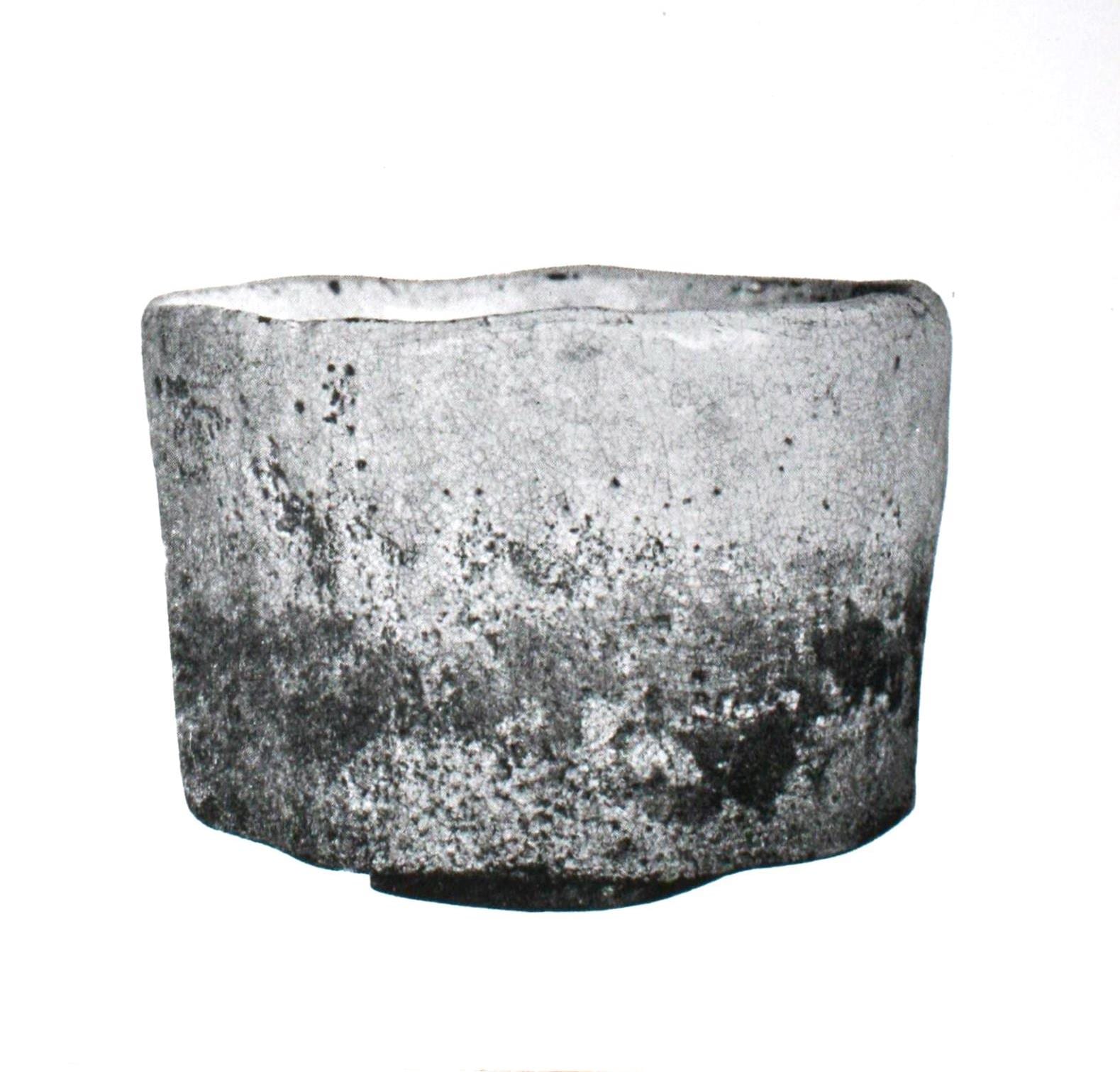
Honami Koetsu
Kyoto, Japan
A Memory Realm virtual memorial place honoring Honami Koetsu, remembered for Calligraphy, Raku ware, Rinpa culture.
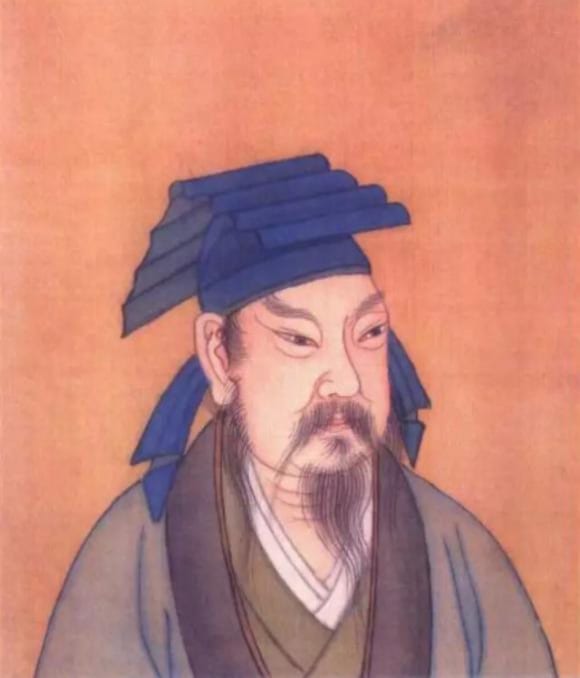
Wang Xizhi
Shaoxing, Zhejiang, China
A Memory Realm virtual memorial place honoring Wang Xizhi, remembered for Calligraphy, Chinese art, Eastern Jin culture.
Su Shi
Hangzhou, Zhejiang, China
A Memory Realm virtual memorial place honoring Su Shi, remembered for Poetry, Calligraphy, Song dynasty culture.
Võ Nguyên Giáp
Hanoi, Vietnam
A Memory Realm virtual memorial place honoring Võ Nguyên Giáp, remembered for Military strategy, Vietnamese history, Dien Bien Phu.