Virtual Memorial
Hiraga Gennai
A Memory Realm virtual memorial place honoring Hiraga Gennai, remembered for Edo science, Invention, Rangaku.
Why Hiraga Gennai Is Remembered
Hiraga Gennai is remembered for edo science, invention, rangaku. This public page gives visitors a concise starting point for understanding why this figure remains part of cultural, civic, scientific, or literary memory.
The page is designed as an accessible introduction rather than an exhaustive account, with source links and image credits kept visible for further reading.
A Virtual Memorial in Memory Realm
This Memory Realm memorial hall turns a map reference into a virtual place for discovery. Visitors can move from the public page to the map and then into a 3D memorial hall connected to Hiraga Gennai.
The place is part of Memory Realm's virtual layer. It is not a physical marker and does not claim rights, control, access, endorsement, or affiliation connected to a real-world site.
Place Context
Tokyo, Japan is used as a broad spatial reference for this memorial hall because it is connected to Hiraga Gennai's story, memory, or public legacy. The location is intentionally city-level or region-level so the page can provide orientation without implying a claim over a specific property or institution.
Historical Context
Hiraga Gennai was a Japanese polymath and rōnin of the Edo period. He was a pharmacologist, student of Rangaku, author, painter and inventor well known for his Erekiteru, Kandankei (thermometer) and Kakanpu. Gennai composed several works of literature, including the fictional satires Fūryū Shidōken den (1763), the Nenashigusa (1763), and the Nenashigusa kohen (1768), and the satirical essays On Farting and A Lousy Journey of Love. He also authored two guidebooks on the male prostitutes of Japan, the Kiku no en (1764) and the San no asa (1768). His birth name was Shiraishi Kunitomo, but he later used numerous pen names, including Kyūkei (鳩渓), Fūrai Sanjin (風来山人), Tenjiku rōnin (天竺浪人) and Fukuchi Kigai (福内鬼外). He is best known by the name Hiraga Gennai.
Memory Realm presents this context for educational discovery and remembrance, with public source links and media attribution preserved alongside the page content.
Photos
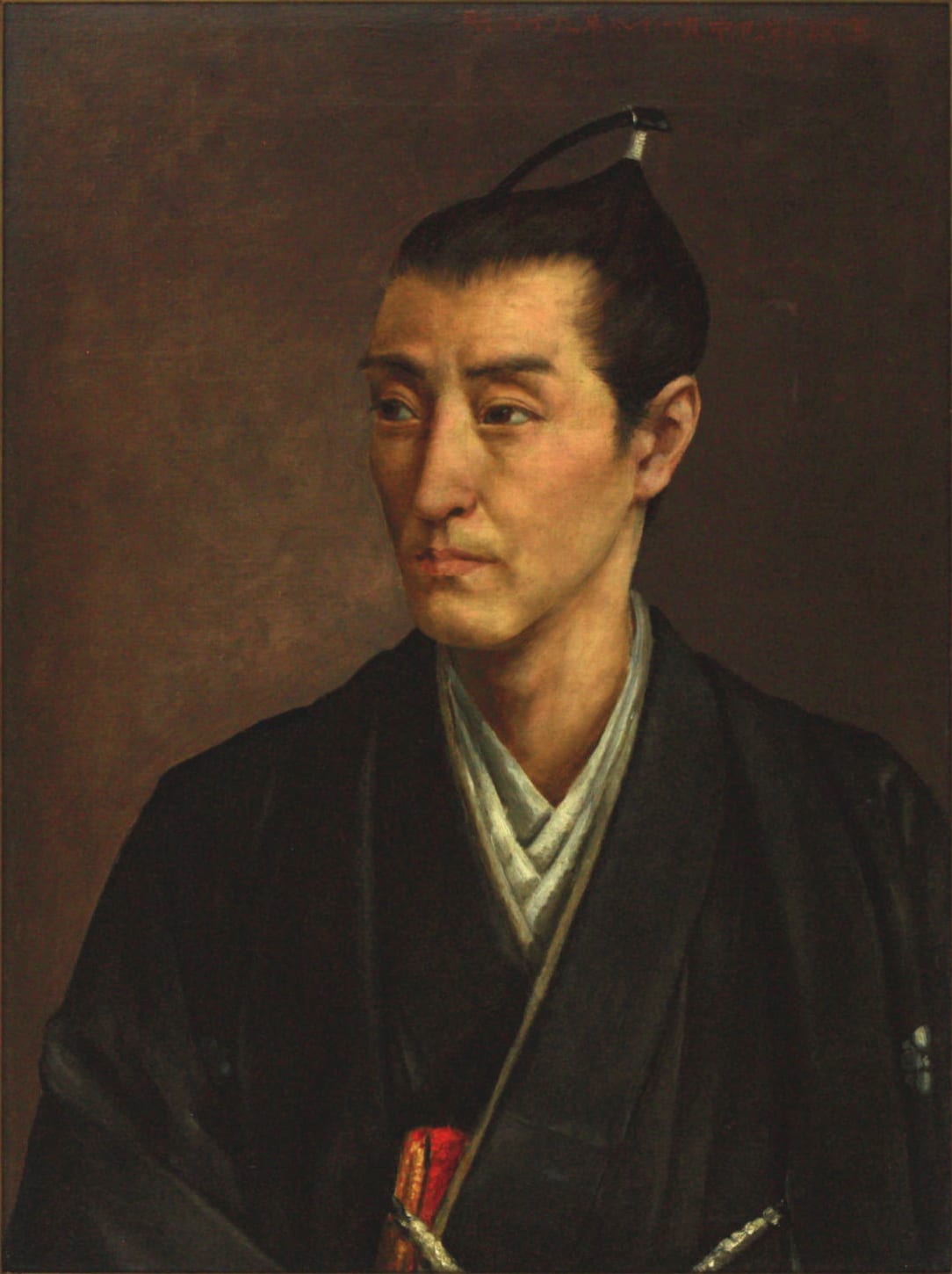
Portrait of Hiraga Gennai, by Nakamaru Seijuro, Waseda University Library, Japan
Nakamaru Seijuro 中丸精十郎 (1840-1895), http://www.wul.waseda.ac.jp/kotenseki/html/bunko08/bunko08_a0256/index.html, Public domain, via Wikimedia Commons
Source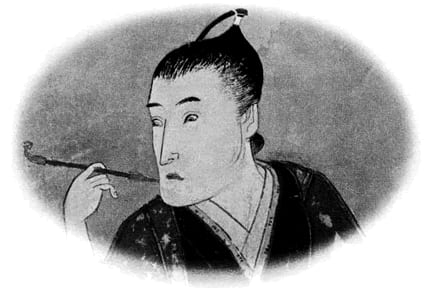
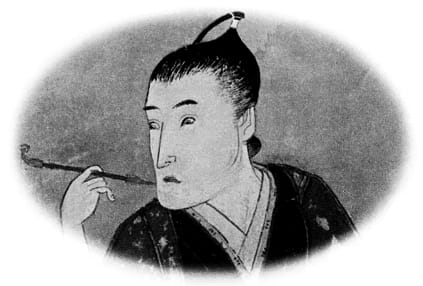
Portrait of Hiraga Gennai. From an 18th century book.
upload by nihonjoe, en:Image:HiragaGennai.gif, Public domain, via Wikimedia Commons
Source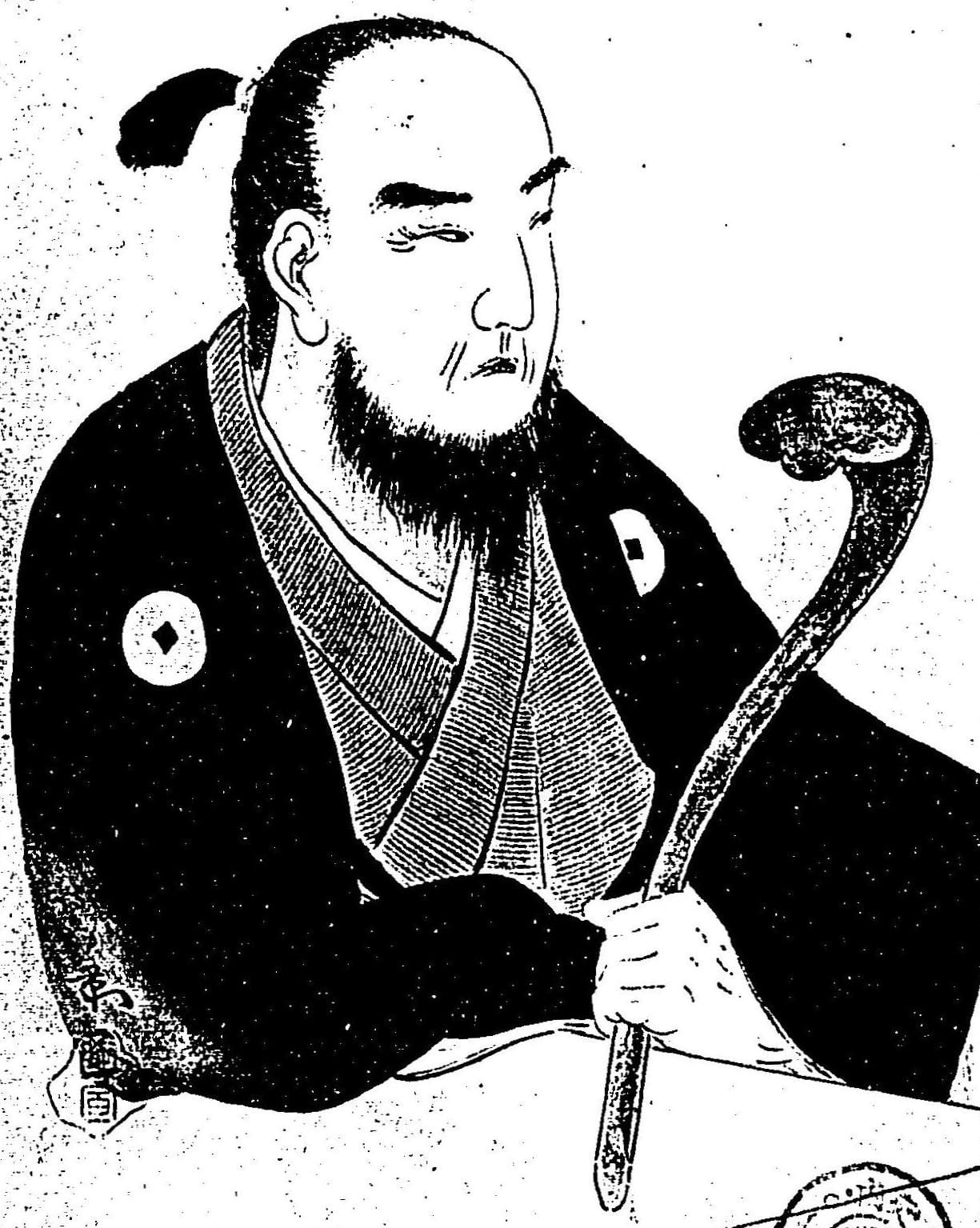
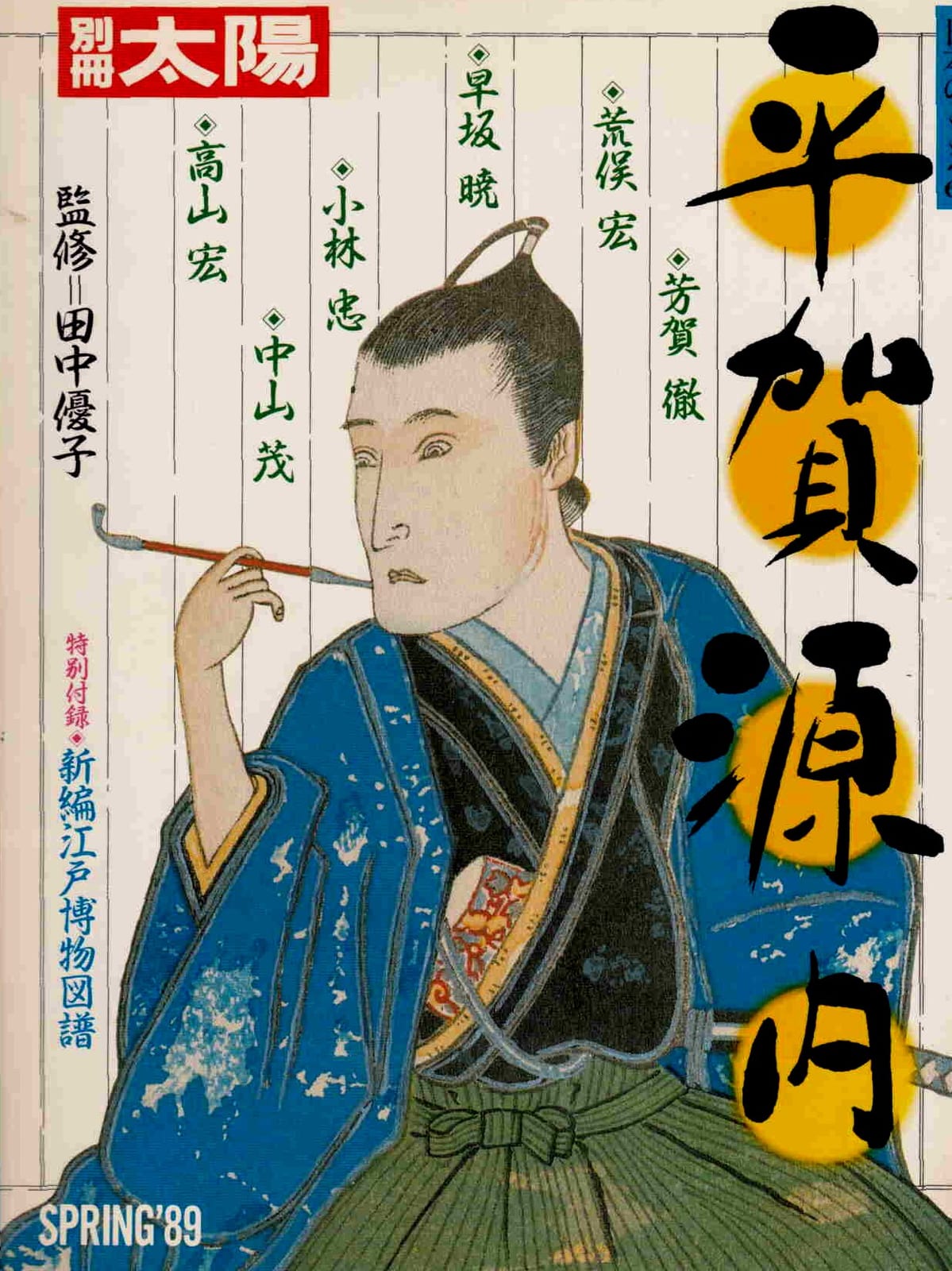
Portrait of en:Hiraga Gennai from 1899 Hiraga gennai
illustrator anonymous, Scan of a facsimile of the original work 獲麟, 野史 (1899) (in Japanese) 平賀源内 , Tokyo, Japan: 弘文館, p. frame 3/105 DOI : 10.11501/888008 . . Cropped and rotated by uploader., Public domain, via Wikimedia Commons
SourceSources
Related Memorials
Zhang Heng
Nanyang, Henan, China
A Memory Realm virtual memorial place honoring Zhang Heng, remembered for Astronomy, Invention, Han dynasty science.
Cai Lun
Leiyang, Hunan, China
A Memory Realm virtual memorial place honoring Cai Lun, remembered for Papermaking, Invention, Han dynasty history.
David Unaipon
Murray Bridge, South Australia, Australia
A Memory Realm virtual memorial place honoring David Unaipon, remembered for Invention, Writing, Ngarrindjeri history.
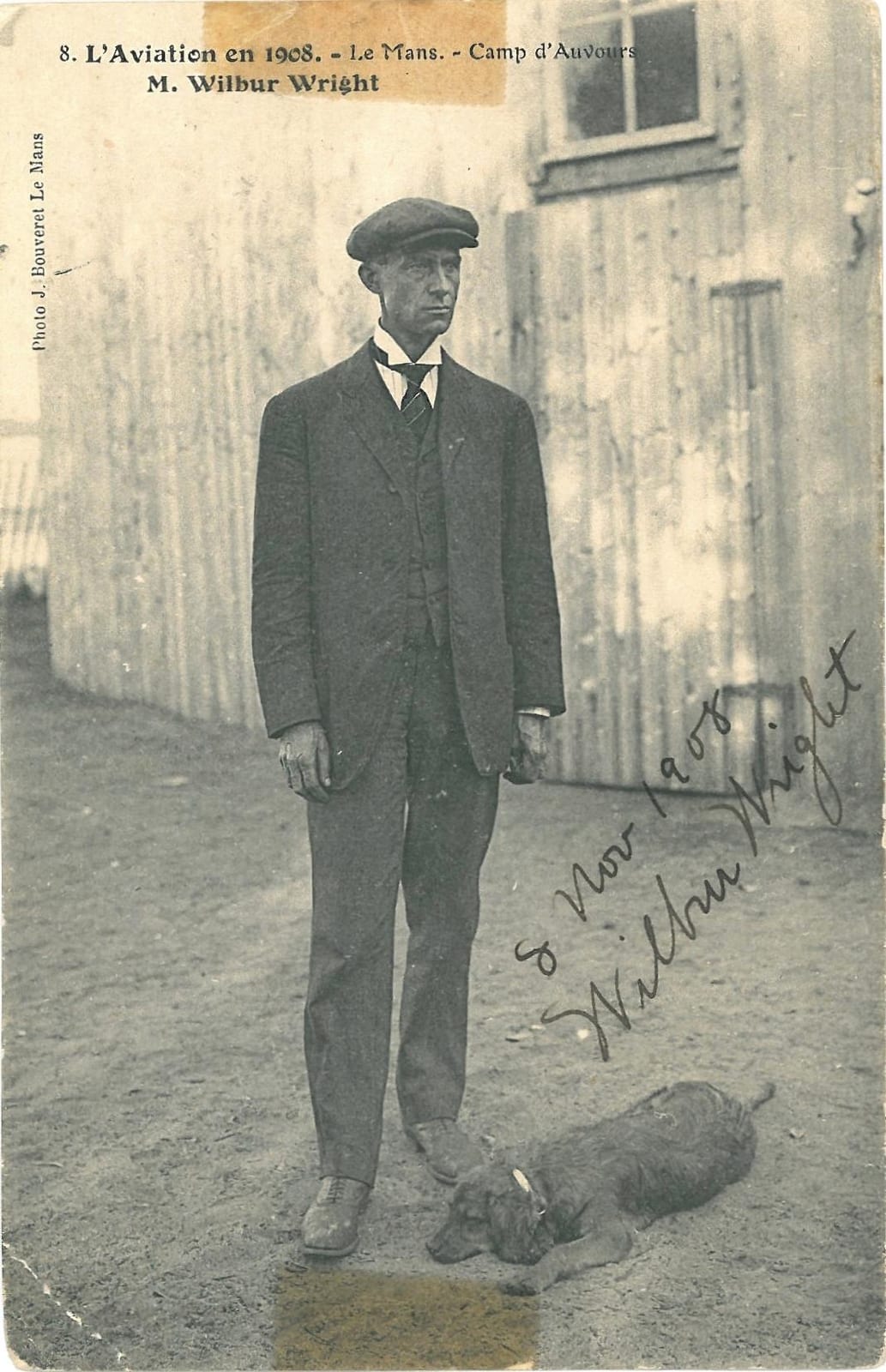
Wilbur Wright
Dayton, Ohio, United States
A Memory Realm virtual memorial place honoring Wilbur Wright, remembered for Aviation, Invention, Wright brothers.
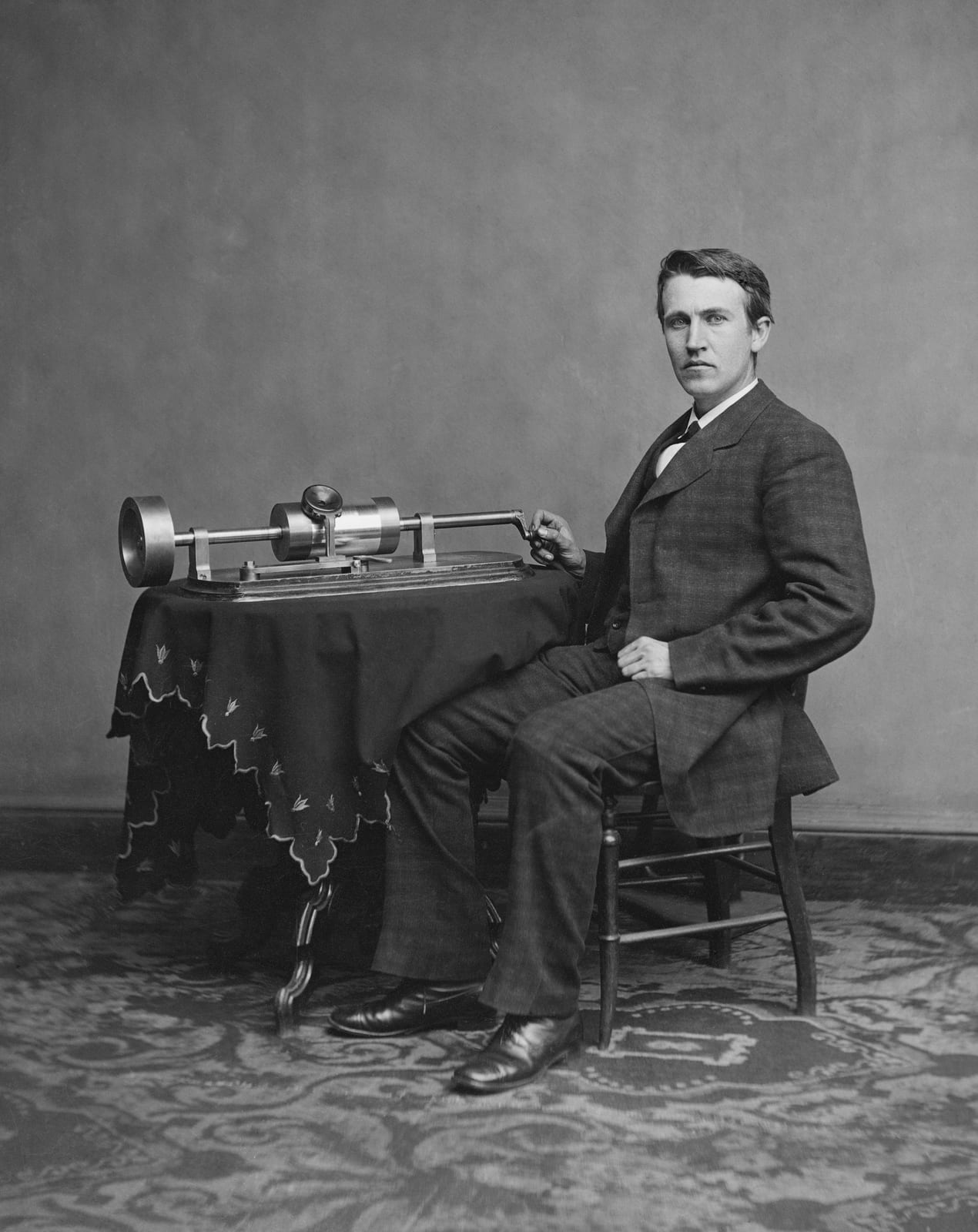
Thomas Edison
West Orange, New Jersey, United States
A Memory Realm virtual memorial place honoring Thomas Edison, remembered for Invention, Electric light, Phonograph.
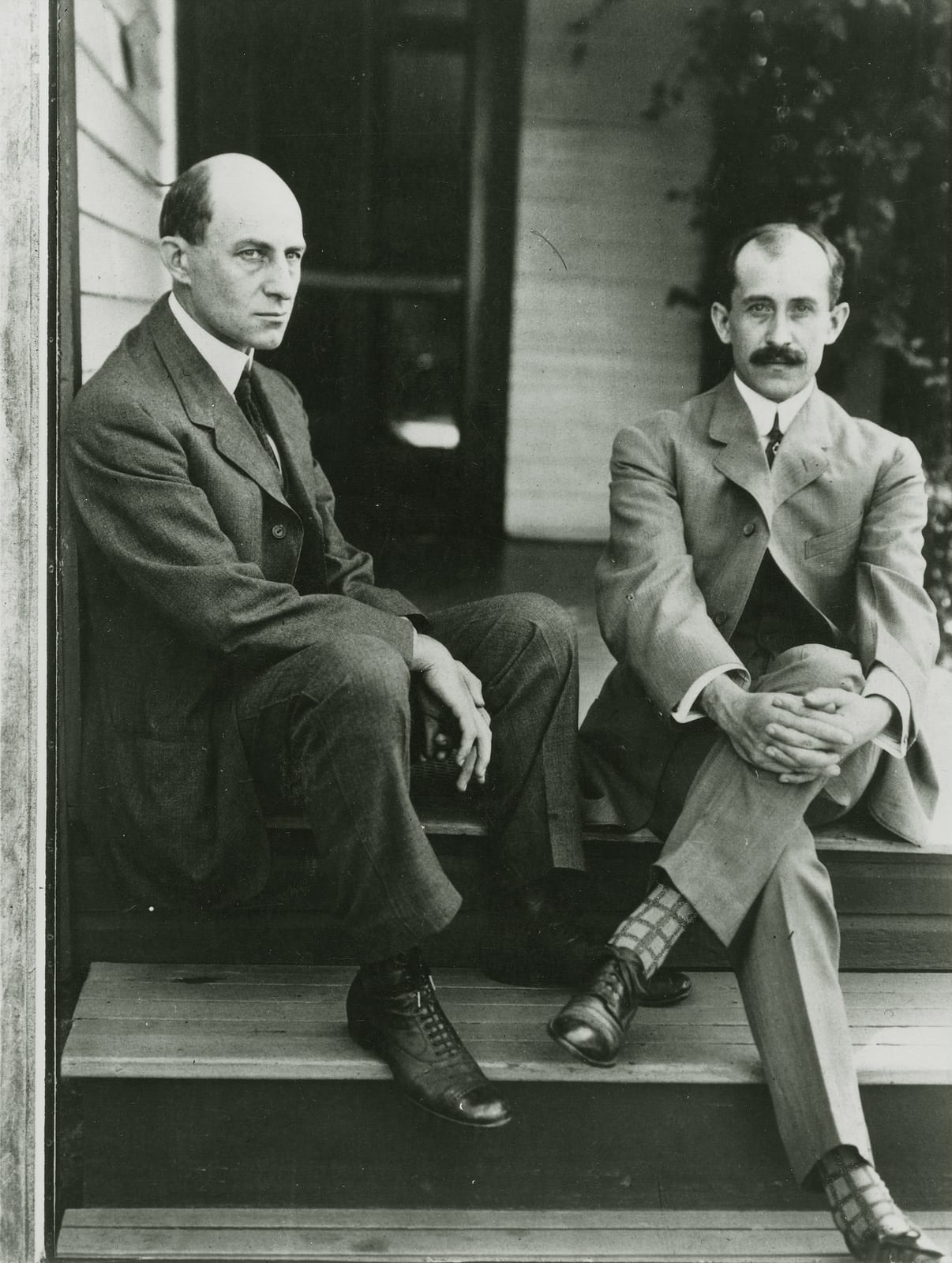
Orville Wright
Dayton, Ohio, United States
A Memory Realm virtual memorial place honoring Orville Wright, remembered for Aviation, Invention, Wright brothers.