Virtual Memorial
Harriet Tubman
A Memory Realm virtual memorial place honoring Harriet Tubman, remembered for Underground Railroad, Abolition, Civil rights.
Why Harriet Tubman Is Remembered
Harriet Tubman is remembered for underground railroad, abolition, civil rights. This public memorial page gives visitors a concise starting point for understanding why the figure remains part of cultural, civic, scientific, or literary memory.
The page is designed as an accessible introduction rather than an exhaustive biography, with source links and image credits kept visible for further reading.
A Virtual Memorial in Memory Realm
This Memory Realm memorial hall turns a map reference into a virtual place for discovery. Visitors can move from the public page to the map and then into a 3D memorial hall connected to Harriet Tubman.
The place is part of Memory Realm's virtual layer. It is not a physical marker and does not claim rights, control, access, endorsement, or affiliation connected to a real-world site.
Place Context
Auburn, New York, United States is used as a broad spatial reference for this memorial because it is connected to Harriet Tubman's life, work, memory, or public legacy. The location is intentionally city-level or region-level so the page can provide orientation without implying a claim over a specific property or institution.
Historical Context
Harriet Tubman was an American abolitionist and social activist. After escaping slavery, Tubman made some 13 missions to rescue approximately 70 enslaved people, including her family and friends, using the network of antislavery activists and safe houses known collectively as the Underground Railroad. During the American Civil War, she served as an armed scout and spy for the Union Army. In her later years, Tubman was an activist in the movement for women's suffrage.
Memory Realm presents this context for educational discovery and remembrance, with public source links and media attribution preserved alongside the page content.
Photos
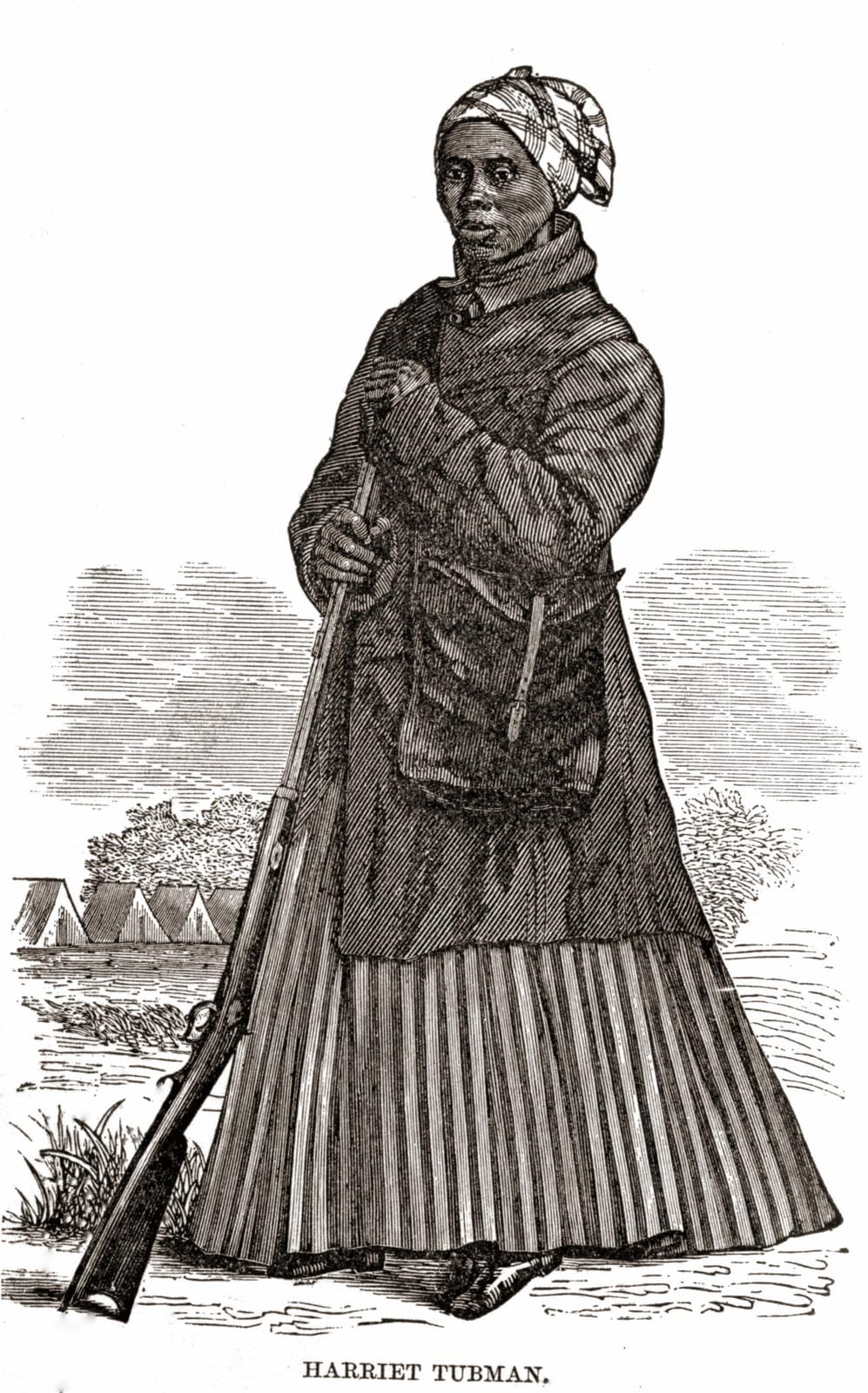
A woodcut image of Harriet Tubman
John G. Darby, illustrator; W.J. Moses, printer; stereotyped by Dennis Bro's & Co., Scenes in the Life of Harriet Tubman by Sarah H. Bradford, Public domain, via Wikimedia Commons
Source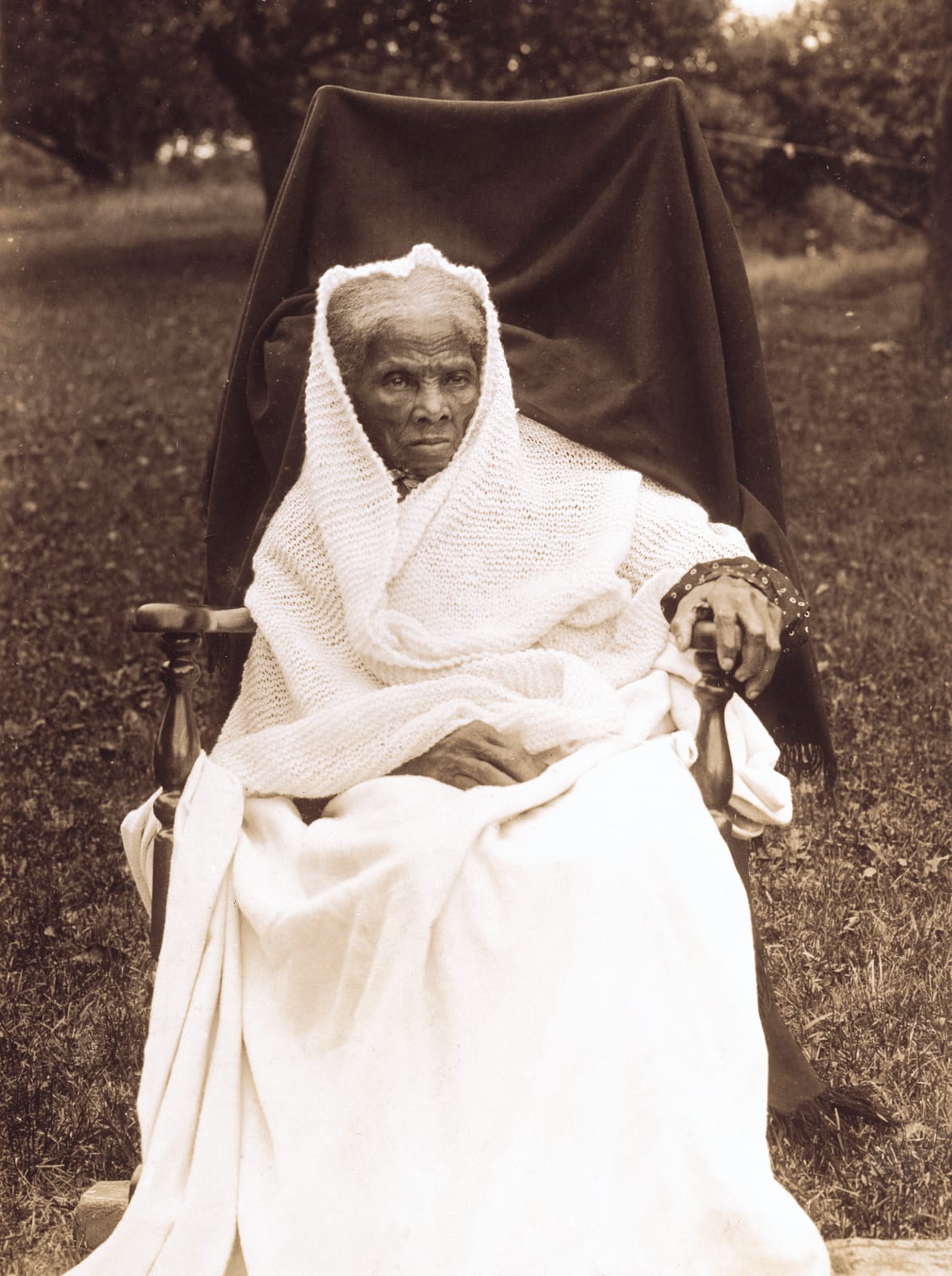
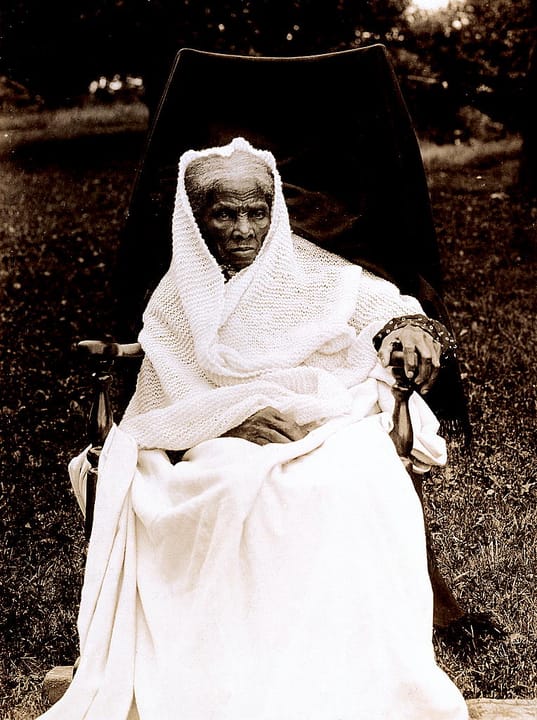
Harriet Tubman , full-length portrait, seated in chair, facing front, probably at her home in Auburn, New YorK
Unknown author Unknown author, Library of Congress CALL NUMBER: Illus. in JK1881 .N357 sec. 16, No. 9 NAWSA Coll [Rare Book RR], Public domain, via Wikimedia Commons
Source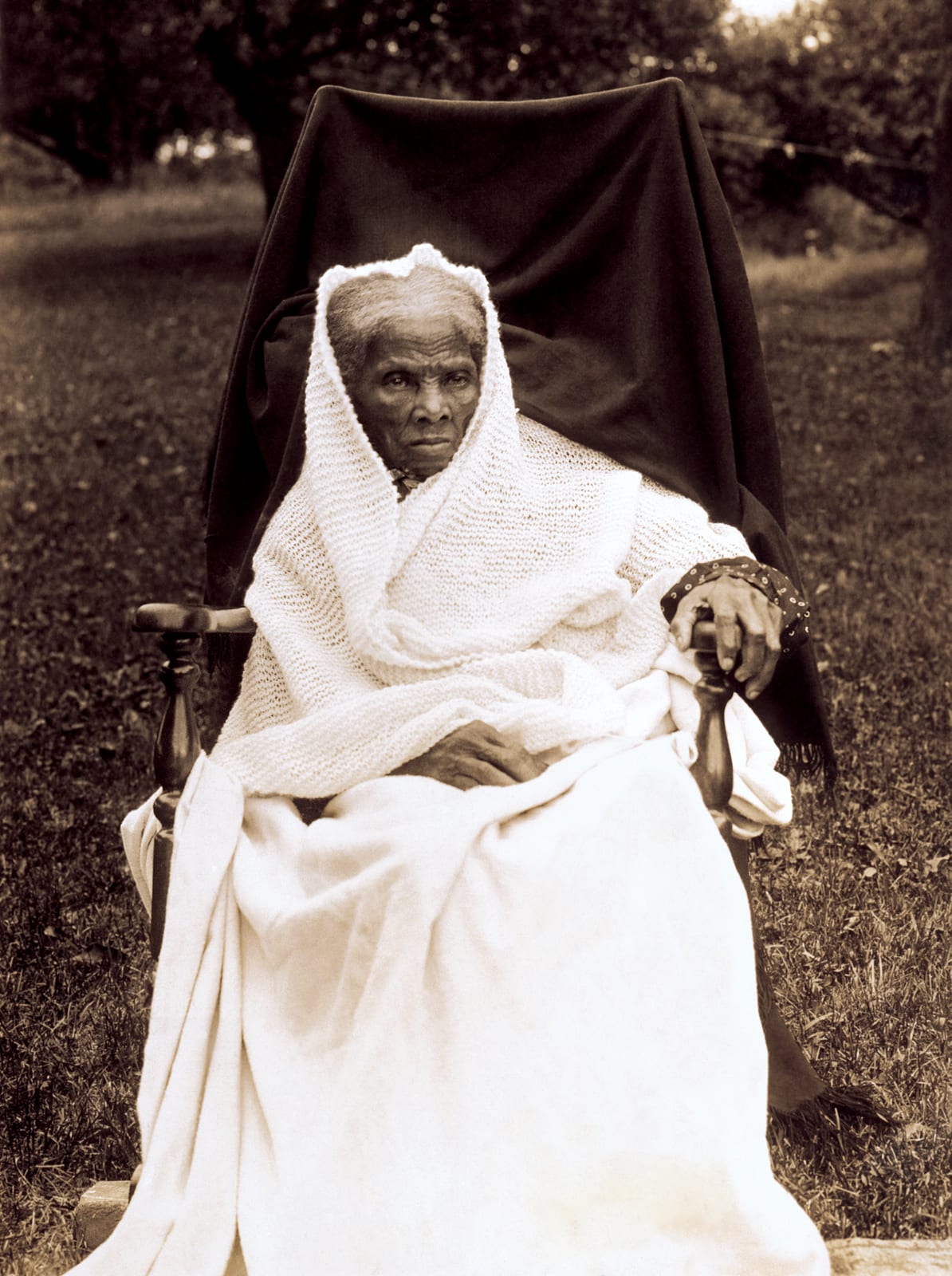
Harriet Tubman , full-length portrait, seated in chair, facing front, probably at her home in Auburn, New York
Unknown author Unknown author, Library of Congress CALL NUMBER: Illus. in JK1881 .N357 sec. 16, No. 9 NAWSA Coll [Rare Book RR], Public domain, via Wikimedia Commons
SourceSources
Related Memorials
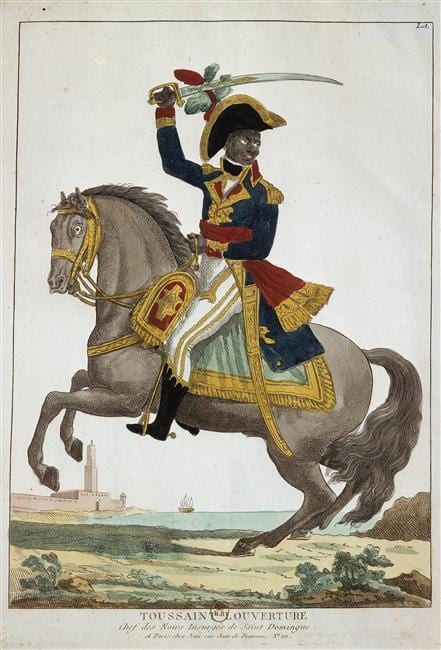
Toussaint Louverture
Cap-Haitien, Haiti
A Memory Realm virtual memorial place honoring Toussaint Louverture, remembered for Haitian Revolution, Abolition, Atlantic history.
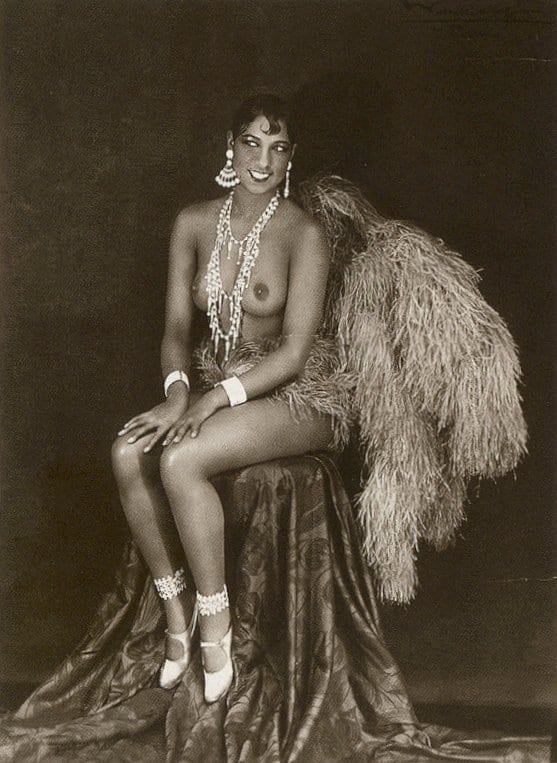
Josephine Baker
Paris, France
A Memory Realm virtual memorial place honoring Josephine Baker, remembered for Performance, French Resistance, Civil rights.
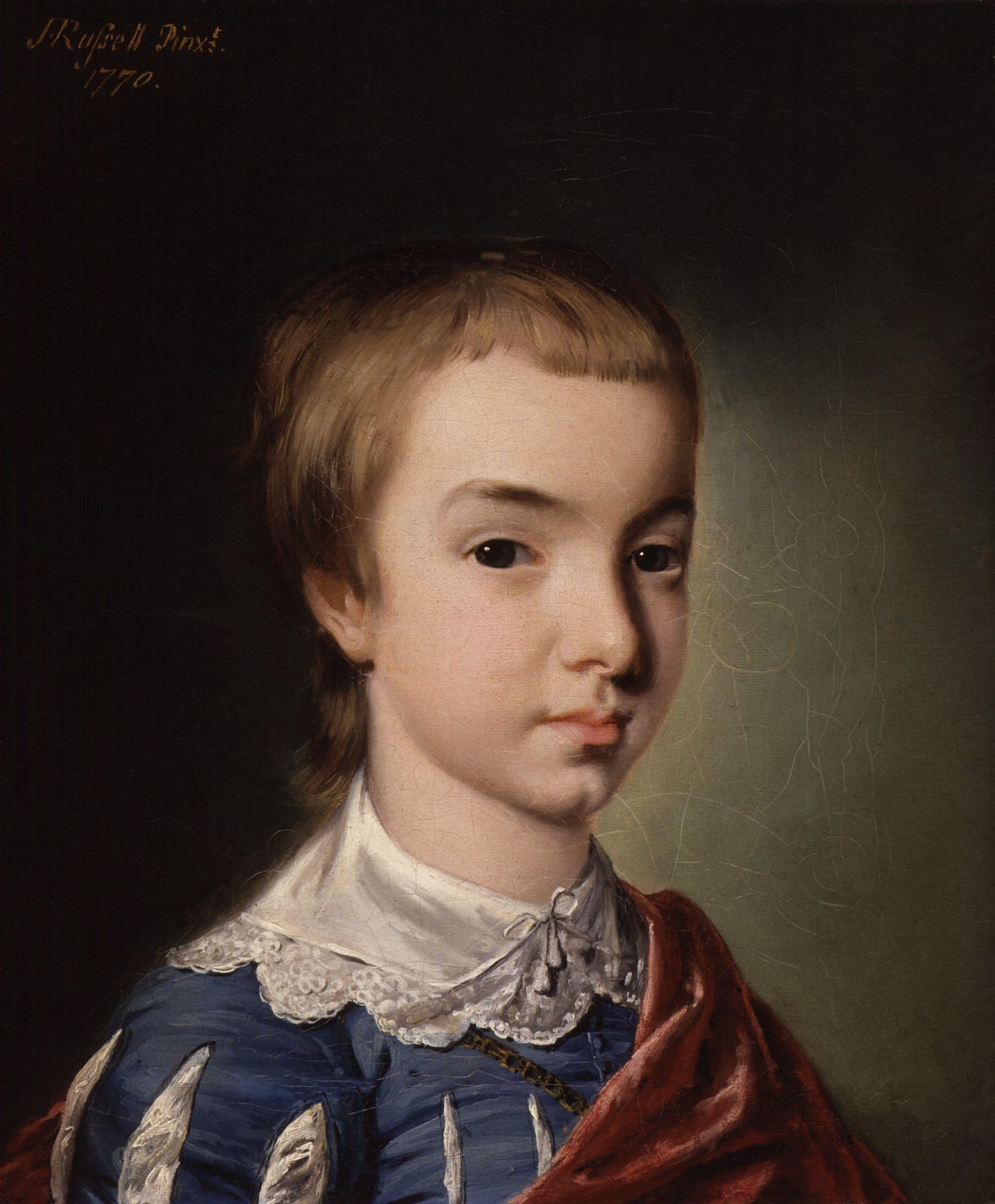
William Wilberforce
Hull, England, United Kingdom
A Memory Realm virtual memorial place honoring William Wilberforce, remembered for Abolition, Parliament, Social reform.
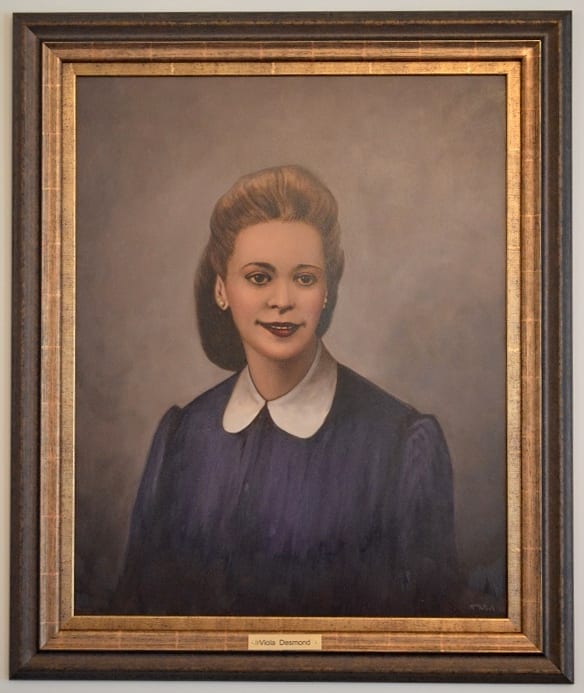
Viola Desmond
Halifax, Nova Scotia, Canada
A Memory Realm virtual memorial place honoring Viola Desmond, remembered for Civil rights, Canadian history, Business.
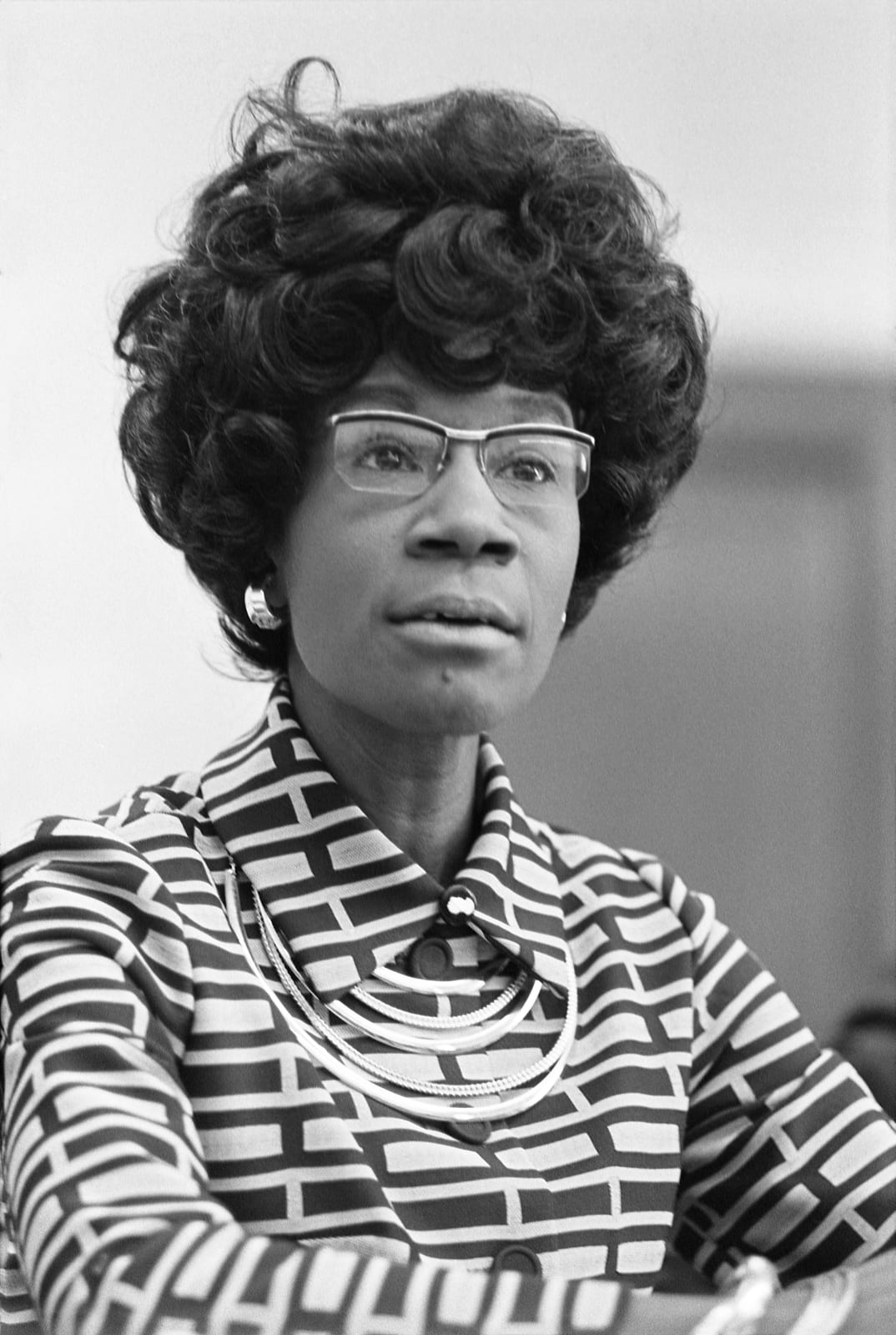
Shirley Chisholm
Brooklyn, New York, United States
A Memory Realm virtual memorial place honoring Shirley Chisholm, remembered for Congress, Civil rights, Presidential campaign.
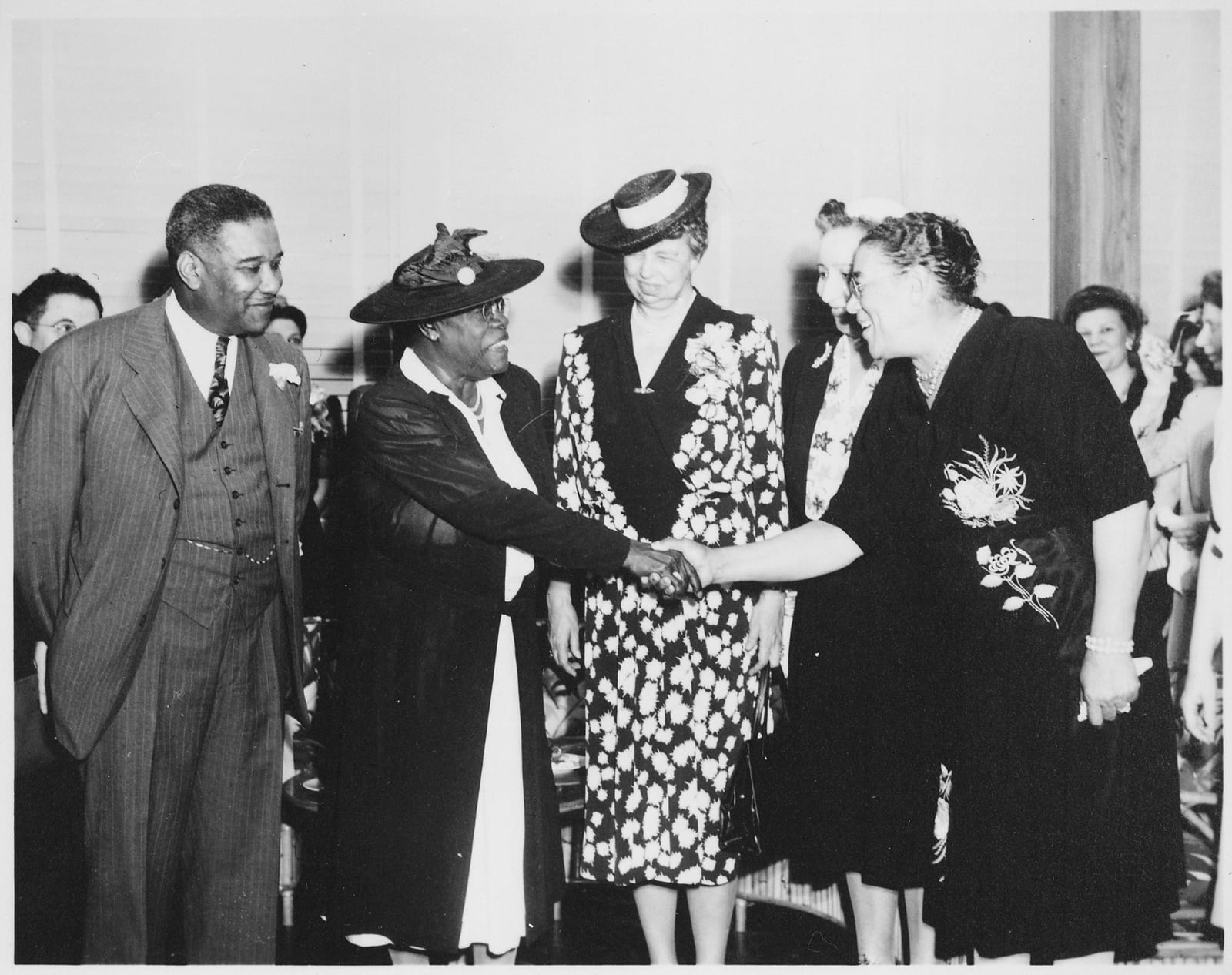
Mary McLeod Bethune
Daytona Beach, Florida, United States
A Memory Realm virtual memorial place honoring Mary McLeod Bethune, remembered for Education, Civil rights, Public service.