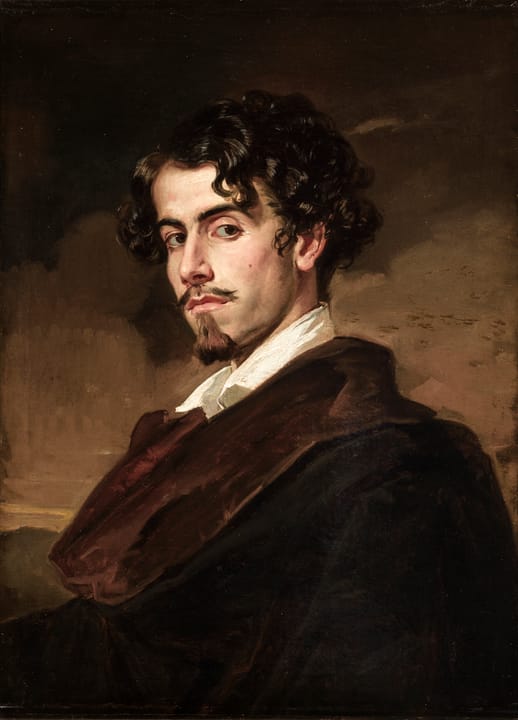
Virtual Memorial
Gustavo Adolfo Becquer
A Memory Realm virtual memorial place honoring Gustavo Adolfo Becquer, remembered for Poetry, Romanticism, Spanish literature.
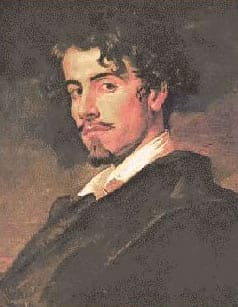
Why Gustavo Adolfo Becquer Is Remembered
Gustavo Adolfo Becquer is remembered for poetry, romanticism, spanish literature. This public page gives visitors a concise starting point for understanding why this figure remains part of cultural, civic, scientific, or literary memory.
The page is designed as an accessible introduction rather than an exhaustive account, with source links and image credits kept visible for further reading.
A Virtual Memorial in Memory Realm
This Memory Realm memorial hall turns a map reference into a virtual place for discovery. Visitors can move from the public page to the map and then into a 3D memorial hall connected to Gustavo Adolfo Becquer.
The place is part of Memory Realm's virtual layer. It is not a physical marker and does not claim rights, control, access, endorsement, or affiliation connected to a real-world site.
Place Context
Seville, Spain is used as a broad spatial reference for this memorial hall because it is connected to Gustavo Adolfo Becquer's story, memory, or public legacy. The location is intentionally city-level or region-level so the page can provide orientation without implying a claim over a specific property or institution.
Historical Context
Gustavo Adolfo Claudio Domínguez Bastida, better known as Gustavo Adolfo Bécquer, was a Spanish Romantic poet and writer, also a playwright, literary columnist, and talented in drawing. He is one of the most important figures in Spanish literature, with some considering him the most read Spanish writer after Miguel de Cervantes. He adopted the alias of Bécquer as his brother Valeriano Bécquer, a painter, had done earlier. He was associated with the romanticism and post-romanticism movements and wrote while realism enjoyed success in Spain. He was moderately well-known during his life, but it was after his death that most of his works were published. His best-known works are the Rhymes and the Legends, usually published together as Rimas y leyendas. These poems and tales are essential to studying Spanish literature and common reading for high-school students in Spanish-speaking countries.
Memory Realm presents this context for educational discovery and remembrance, with public source links and media attribution preserved alongside the page content.
Photos
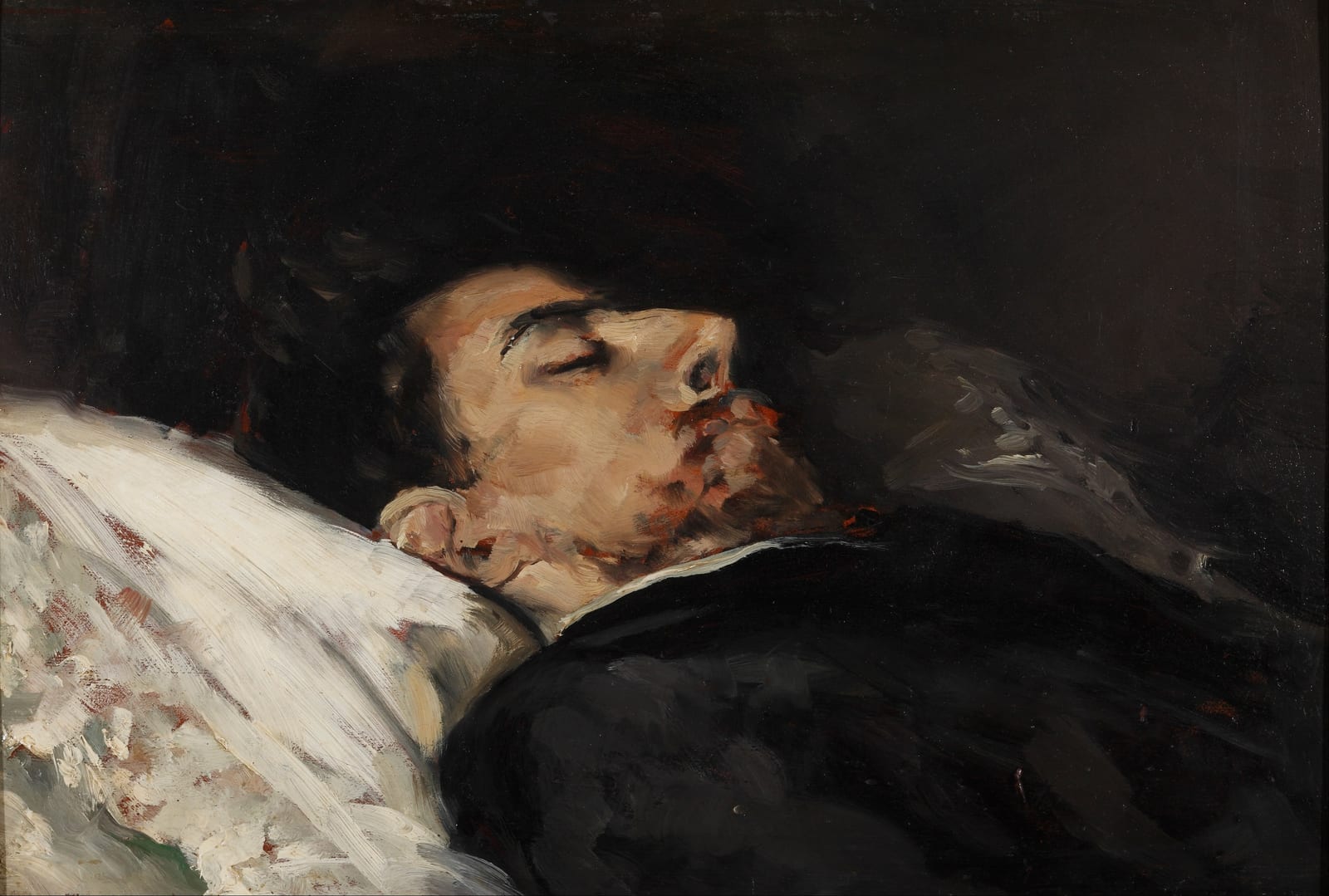
Vicente Palmaroli - Gustavo Adolfo Bécquer on his Death Bed - Google Art Project
Vicente Palmaroli (1834/1896), OQHhRO5OnHvpJA at Google Cultural Institute , zoom level maximum, Public domain, via Wikimedia Commons
Source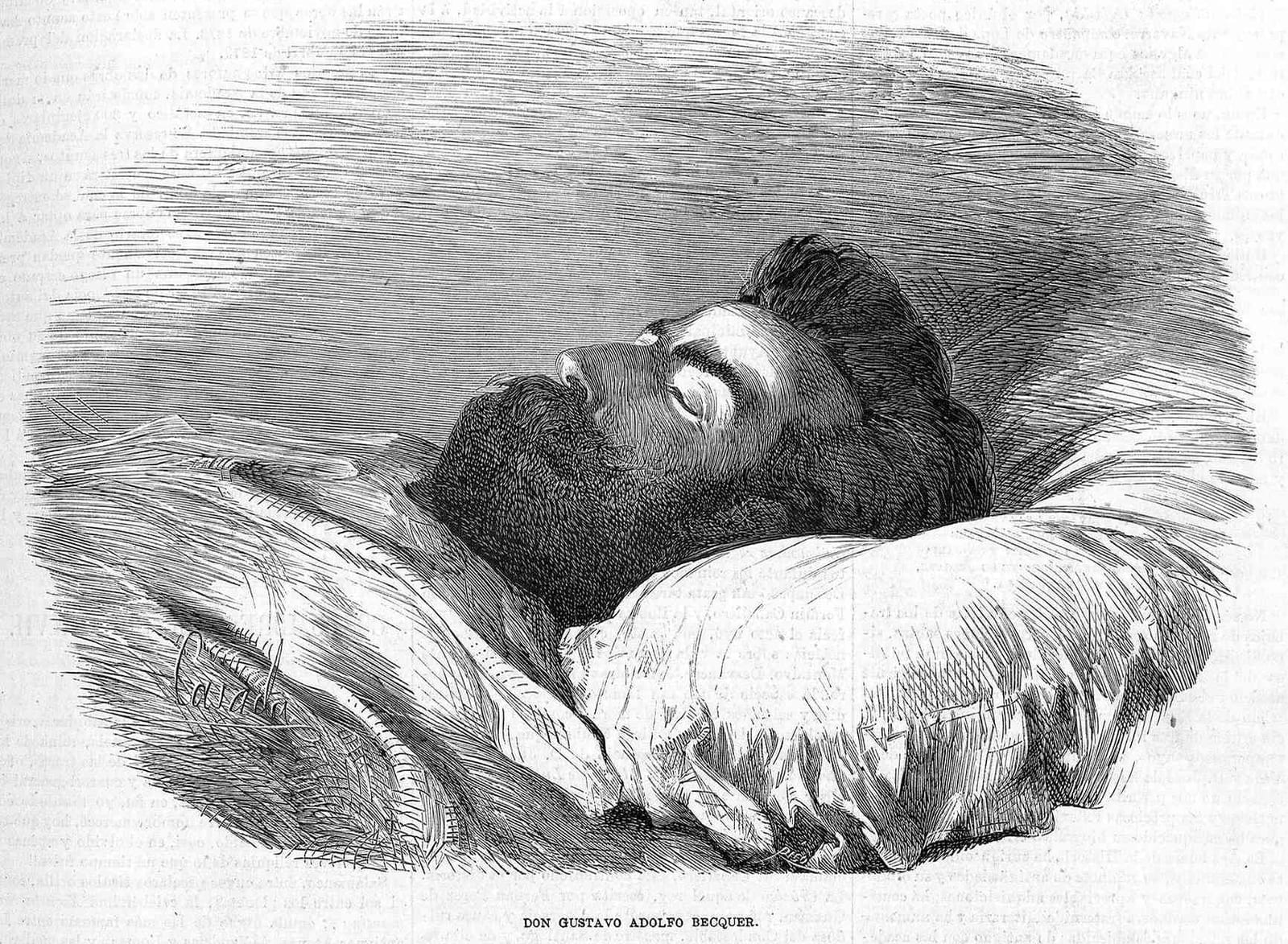
Gustavo Adolfo Bécquer en su lecho de muerte, en La Ilustración de Madrid .
José Casado del Alisal / Bernardo Rico, ( 15 January 1871 ). " Pascual Madoz ". La Ilustración de Madrid (25): 5., Public domain, via Wikimedia Commons
Source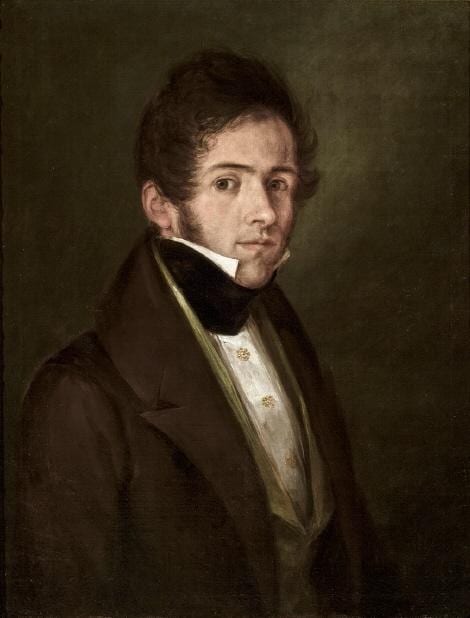
Retrato del pintor español José Domíguez Bécquer (1805-1841), que fue el padre del célebre escritor Gustavo Adolfo Bécquer y del pintor Valeriano Domínguez Bécquer .
Antonio María Esquivel, [2], Public domain, via Wikimedia Commons
SourceSources
Related Memorials
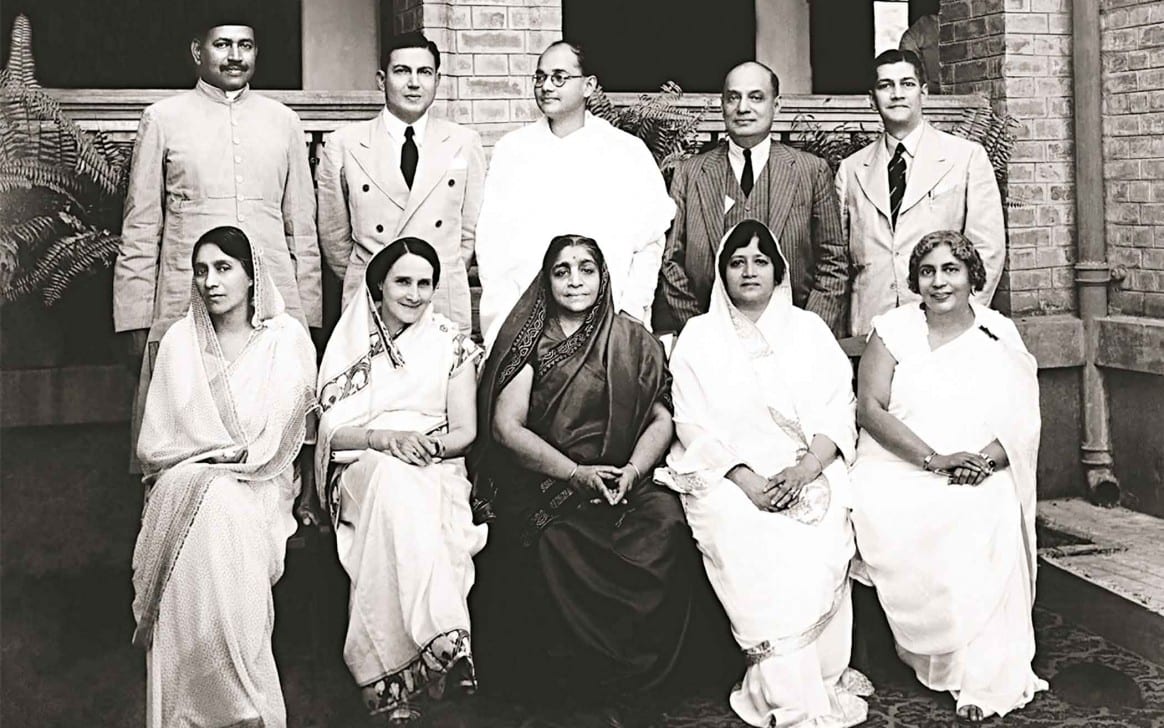
Sarojini Naidu
Hyderabad, India
A Memory Realm virtual memorial place honoring Sarojini Naidu, remembered for Poetry, Indian independence, Women's leadership.

Rabindranath Tagore
Kolkata, India
A Memory Realm virtual memorial place honoring Rabindranath Tagore, remembered for Poetry, Nobel Prize in Literature, Bengali literature.
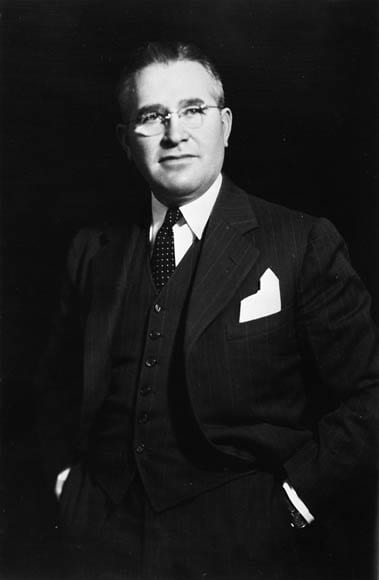
Solon
Athens, Greece
A Memory Realm virtual memorial place honoring Solon, remembered for Athenian law, Political reform, Poetry.
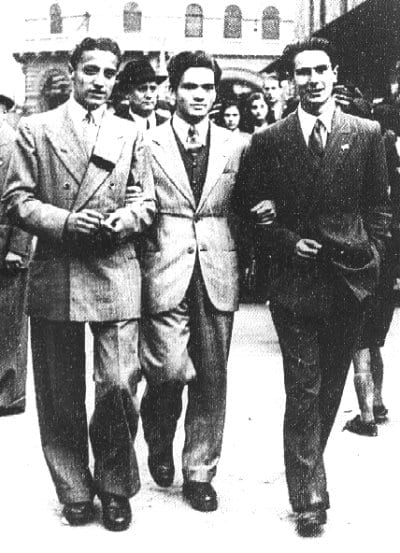
Pier Paolo Pasolini
Rome, Italy
A Memory Realm virtual memorial place honoring Pier Paolo Pasolini, remembered for Film, Poetry, Italian cultural criticism.
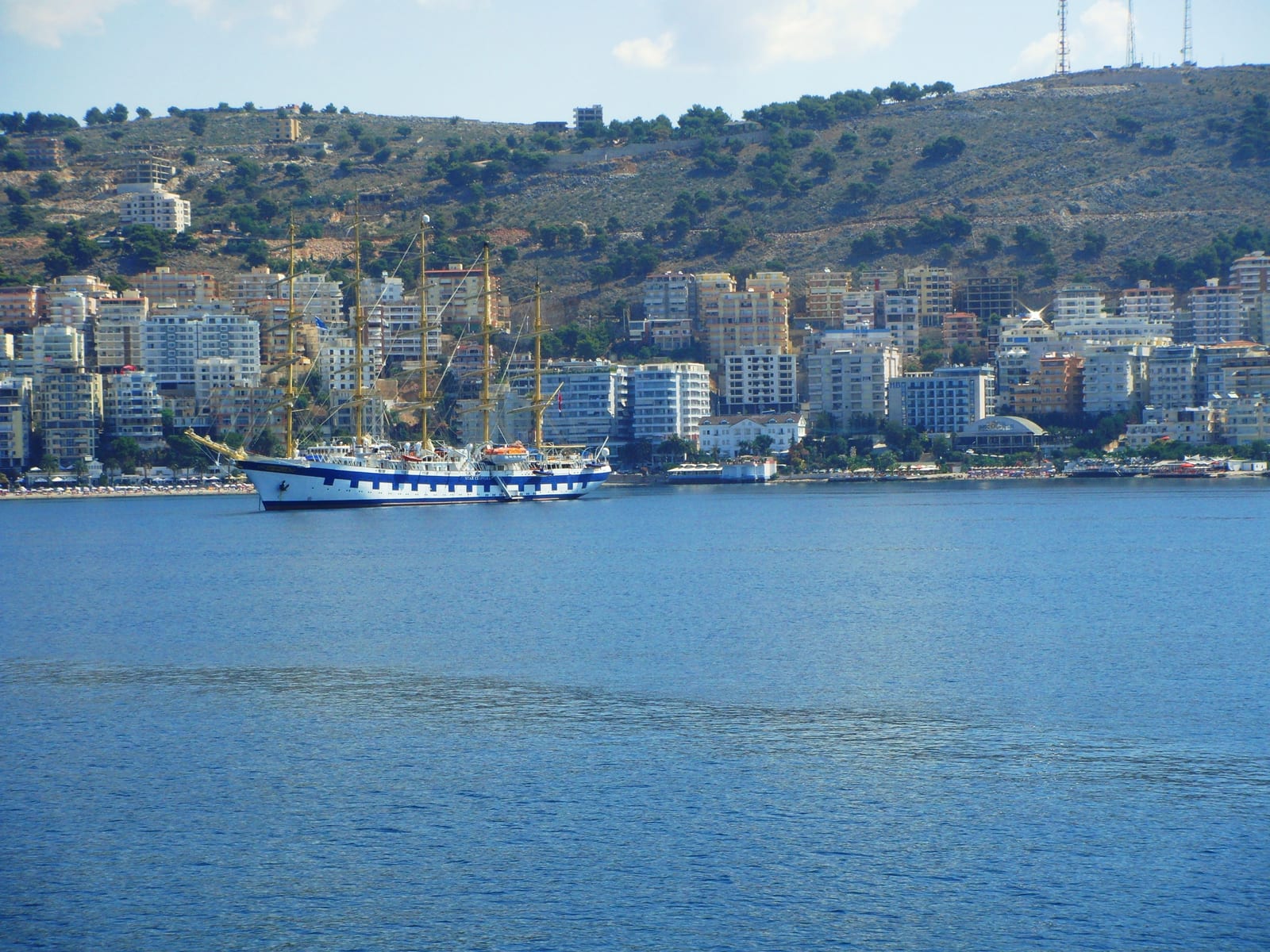
Naim Frashëri
Gjirokastër, Albania
A Memory Realm virtual memorial place honoring Naim Frashëri, remembered for Albanian literature, National awakening, Poetry.
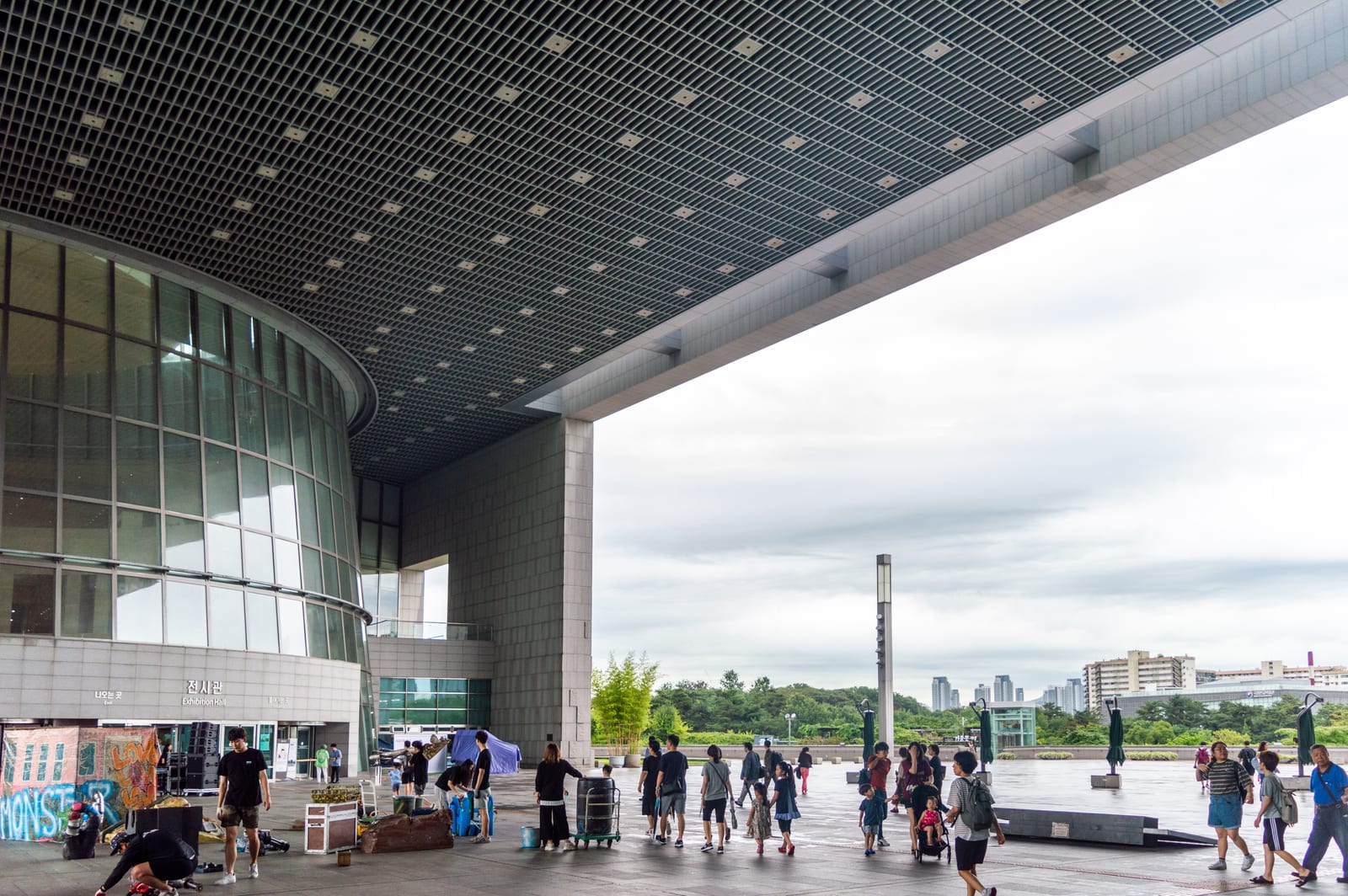
Yun Dong-ju
Seoul, South Korea
A Memory Realm virtual memorial place honoring Yun Dong-ju, remembered for Poetry, Korean literature, Colonial-era resistance.