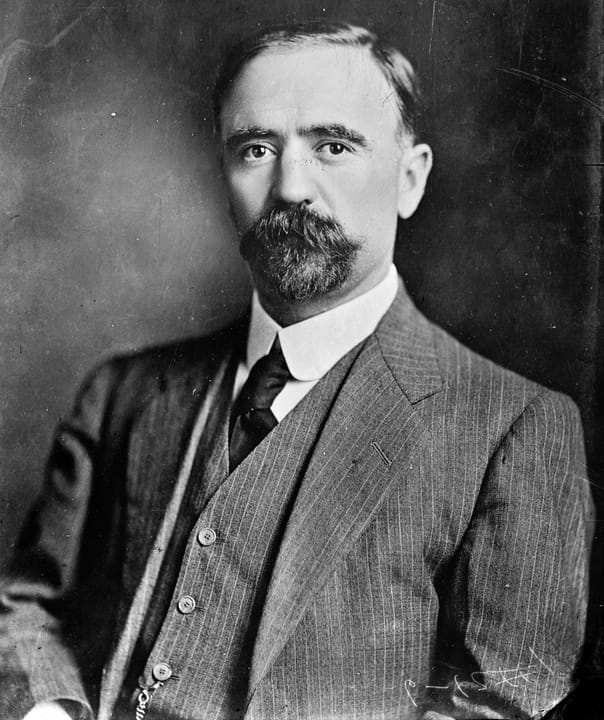
Virtual Memorial
Francisco I. Madero
A Memory Realm virtual memorial place honoring Francisco I. Madero, remembered for Mexican Revolution, Democracy movement, Presidency.
Why Francisco I. Madero Is Remembered
Francisco I. Madero is remembered for mexican revolution, democracy movement, presidency. This public page gives visitors a concise starting point for understanding why this figure remains part of cultural, civic, scientific, or literary memory.
The page is designed as an accessible introduction rather than an exhaustive account, with source links and image credits kept visible for further reading.
A Virtual Memorial in Memory Realm
This Memory Realm memorial hall turns a map reference into a virtual place for discovery. Visitors can move from the public page to the map and then into a 3D memorial hall connected to Francisco I. Madero.
The place is part of Memory Realm's virtual layer. It is not a physical marker and does not claim rights, control, access, endorsement, or affiliation connected to a real-world site.
Place Context
Parras, Coahuila, Mexico is used as a broad spatial reference for this memorial hall because it is connected to Francisco I. Madero's story, memory, or public legacy. The location is intentionally city-level or region-level so the page can provide orientation without implying a claim over a specific property or institution.
Historical Context
Francisco Ignacio Madero González was a Mexican businessman, revolutionary, writer, politician, and statesman who served as the 37th president of Mexico from 1911 until he was deposed and assassinated in a coup d'état in February 1913. He came to prominence as an advocate for democracy and as an opponent of President and dictator Porfirio Díaz. After Díaz claimed to have won the fraudulent election of 1910 despite promising a return to democracy, Madero started the Mexican Revolution to oust Díaz. The Mexican revolution would continue until 1920, well after Madero and Díaz's deaths, with hundreds of thousands dead.
Memory Realm presents this context for educational discovery and remembrance, with public source links and media attribution preserved alongside the page content.
Photos
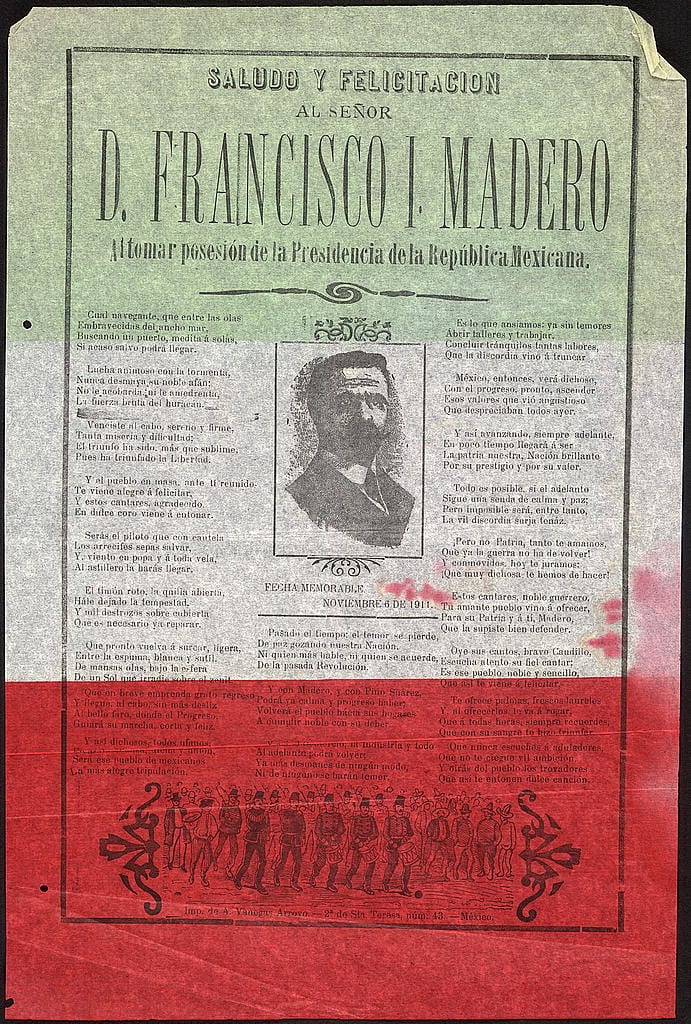
Title: Saludo y felicitación al Señor D. Francisco I. Madero al tomar posesión de la presidencia de la República Mexicana Abstract/medium: 1 print on green, white, red tissue paper
Antonio Vanegas Arroyo (Firm), publisher; Posada, José Guadalupe, 1852-1913, artist, Library of Congress Catalog: http://lccn.loc.gov/99615916 Image download: http://cdn.loc.gov/service/pnp/ppmsc/04500/04587v.jpg Original url: https://www.loc.gov/pictures/item
Source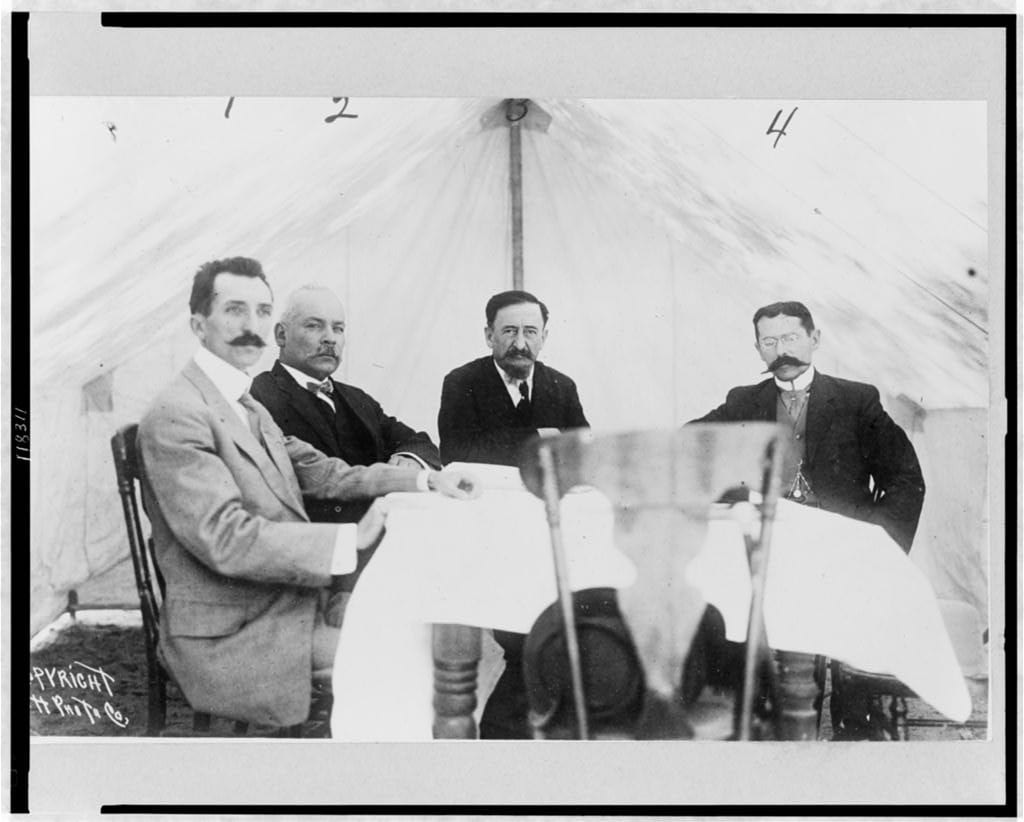
Title: Mexican Peace Commissioners José María Pino Suárez, Dr. Vazquez Gomez, Francisco I. Madero, and Judge Carbajal seated around table, during the Mexican Peace Commission at Ci
Scott Photo Co., photographer, Library of Congress Catalog: https://lccn.loc.gov/97508873 Image download: https://cdn.loc.gov/service/pnp/cph/3c10000/3c18000/3c18300/3c18311v.jpg Original url: https://www.loc.gov/pictures/item/97508873/, Public domain, via Wik
Source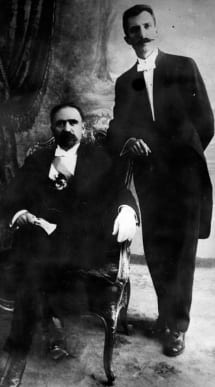
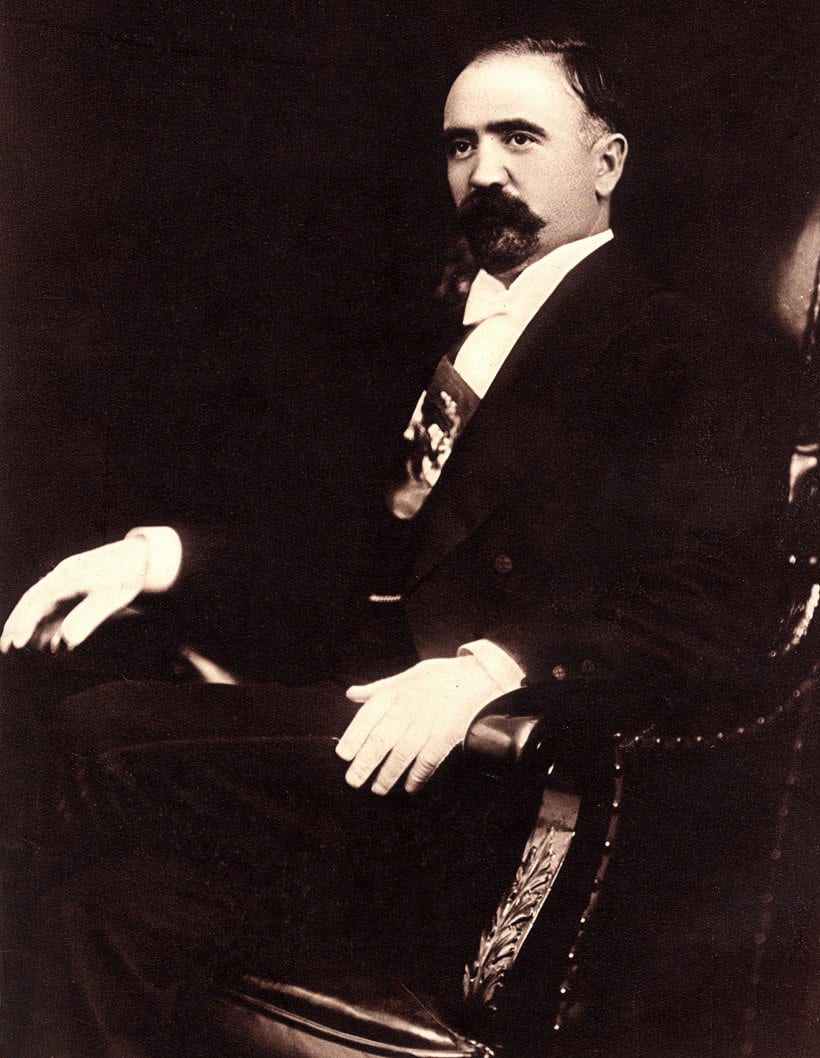
Official portrait taken in November 1911, after José María Pino Suárez had taken his oath of office as Vice-President of the Republic.
The author is the National Institute of Anthropology and History (INAH). According to their website, the information and files contained therein can be downloaded and shared without commercial purposes as long as their author is recognized and they are not alt
SourceSources
Related Memorials
Sukarno
Jakarta, Indonesia
A Memory Realm virtual memorial place honoring Sukarno, remembered for Indonesian independence, Presidency, Anti-colonial politics.
Venustiano Carranza
Cuatro Cienegas, Coahuila, Mexico
A Memory Realm virtual memorial place honoring Venustiano Carranza, remembered for Mexican Revolution, Constitutionalism, Presidency.
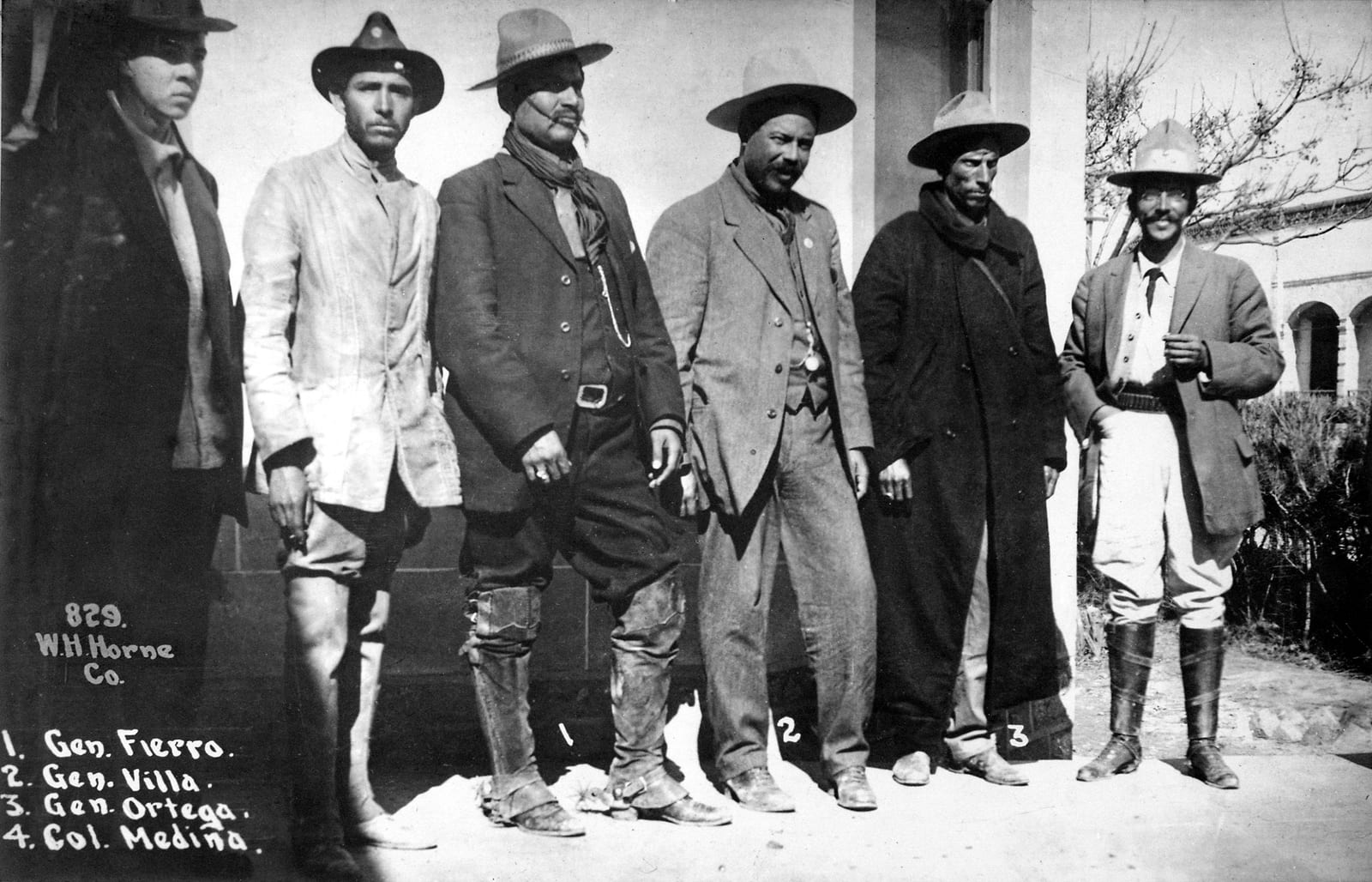
Pancho Villa
Chihuahua, Mexico
A Memory Realm virtual memorial place honoring Pancho Villa, remembered for Mexican Revolution, Military leadership, Northern Mexico history.
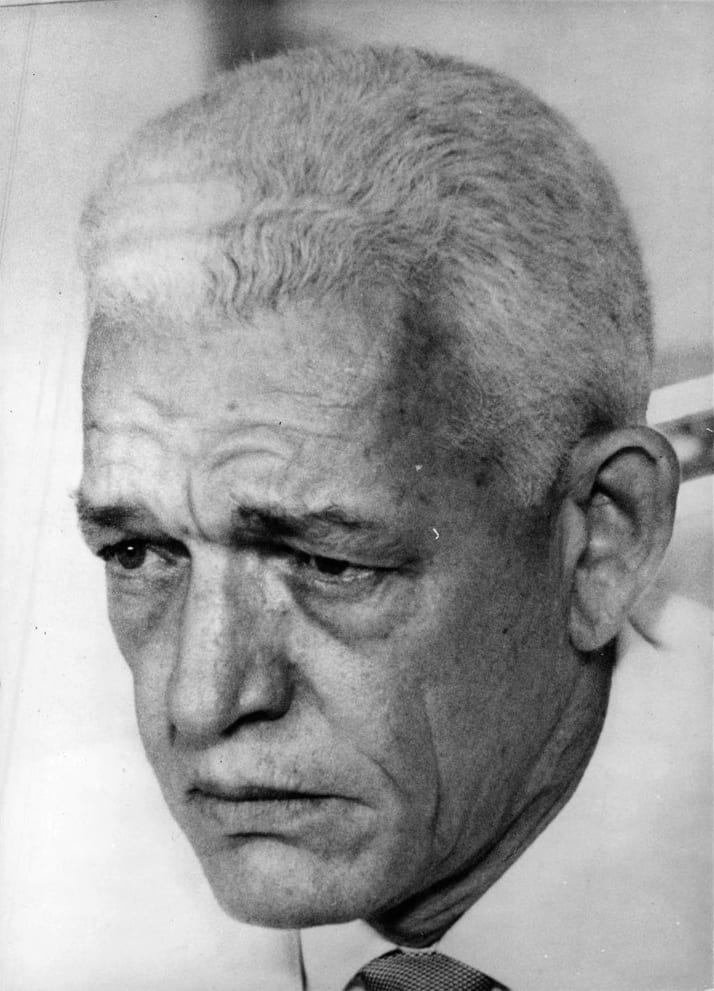
Juan Bosch
Santo Domingo, Dominican Republic
A Memory Realm virtual memorial place honoring Juan Bosch, remembered for Dominican literature, Presidency, Political thought.
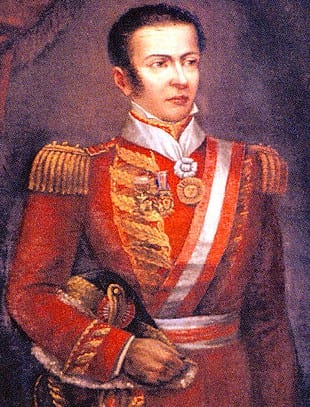
Jose de la Riva Aguero
Lima, Peru
A Memory Realm virtual memorial place honoring Jose de la Riva Aguero, remembered for Peruvian independence, Presidency, Public history.
Emiliano Zapata
Cuautla, Morelos, Mexico
A Memory Realm virtual memorial place honoring Emiliano Zapata, remembered for Mexican Revolution, Agrarian reform, Public memory.