Virtual Memorial
Francisco de Paula Santander
A Memory Realm virtual memorial place honoring Francisco de Paula Santander, remembered for Colombian politics, Independence history, Rule of law.
Why Francisco de Paula Santander Is Remembered
Francisco de Paula Santander is remembered for colombian politics, independence history, rule of law. This public page gives visitors a concise starting point for understanding why this figure remains part of cultural, civic, scientific, or literary memory.
The page is designed as an accessible introduction rather than an exhaustive account, with source links and image credits kept visible for further reading.
A Virtual Memorial in Memory Realm
This Memory Realm memorial hall turns a map reference into a virtual place for discovery. Visitors can move from the public page to the map and then into a 3D memorial hall connected to Francisco de Paula Santander.
The place is part of Memory Realm's virtual layer. It is not a physical marker and does not claim rights, control, access, endorsement, or affiliation connected to a real-world site.
Place Context
Bogota, Colombia is used as a broad spatial reference for this memorial hall because it is connected to Francisco de Paula Santander's story, memory, or public legacy. The location is intentionally city-level or region-level so the page can provide orientation without implying a claim over a specific property or institution.
Historical Context
Francisco José de Paula Santander y Omaña was a Neogranadine military and political leader who served as Vice-President of Gran Colombia between 1819 and 1826, and was later elected by Congress as the President of the Republic of New Granada between 1832 and 1837. Santander played a pivotal role in the Colombian War of Independence being one of the main leaders of the Patriot forces and helped lead the Patriot Army alongside Simón Bolívar to victory. He is often credited with creating the legal foundations for democracy in Colombia, as well as creating the country's first system of public education. For these reasons he is considered a National Hero in Colombia and has thus commonly been known as "The Man of the Laws" as well as the "Organizer of Victory".
Memory Realm presents this context for educational discovery and remembrance, with public source links and media attribution preserved alongside the page content.
Photos
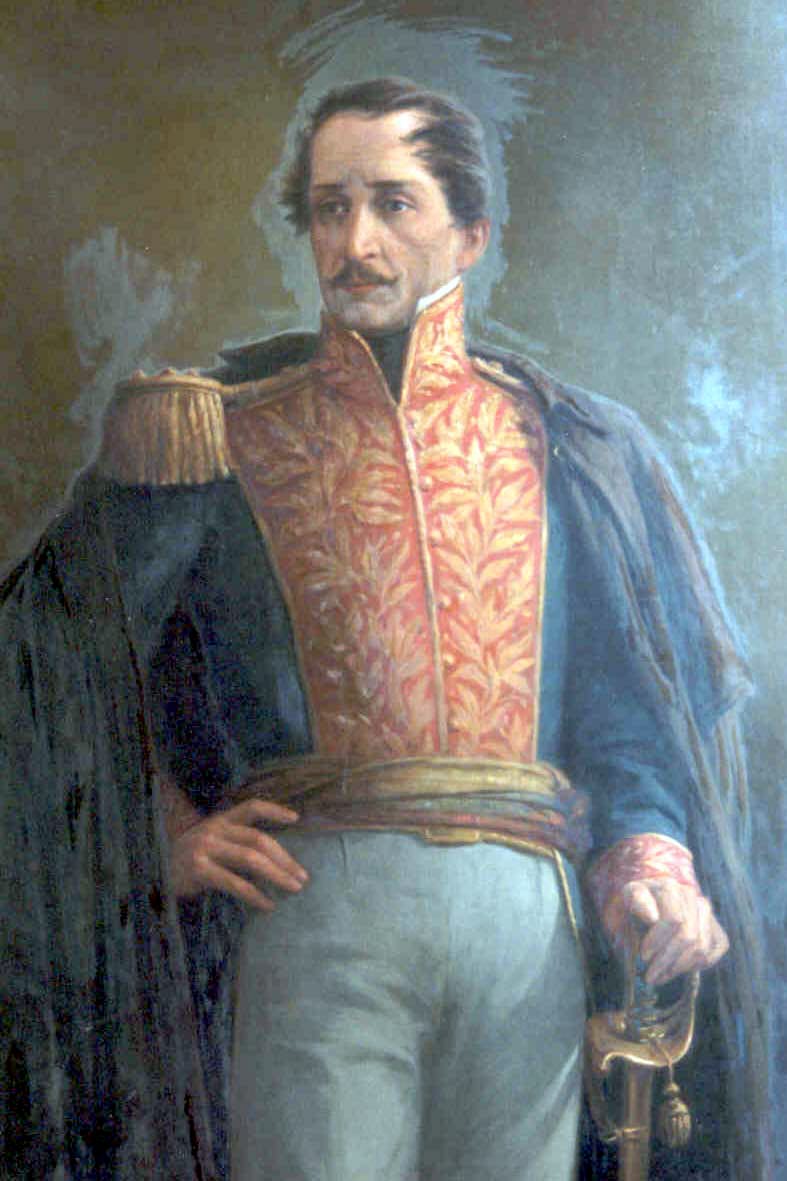
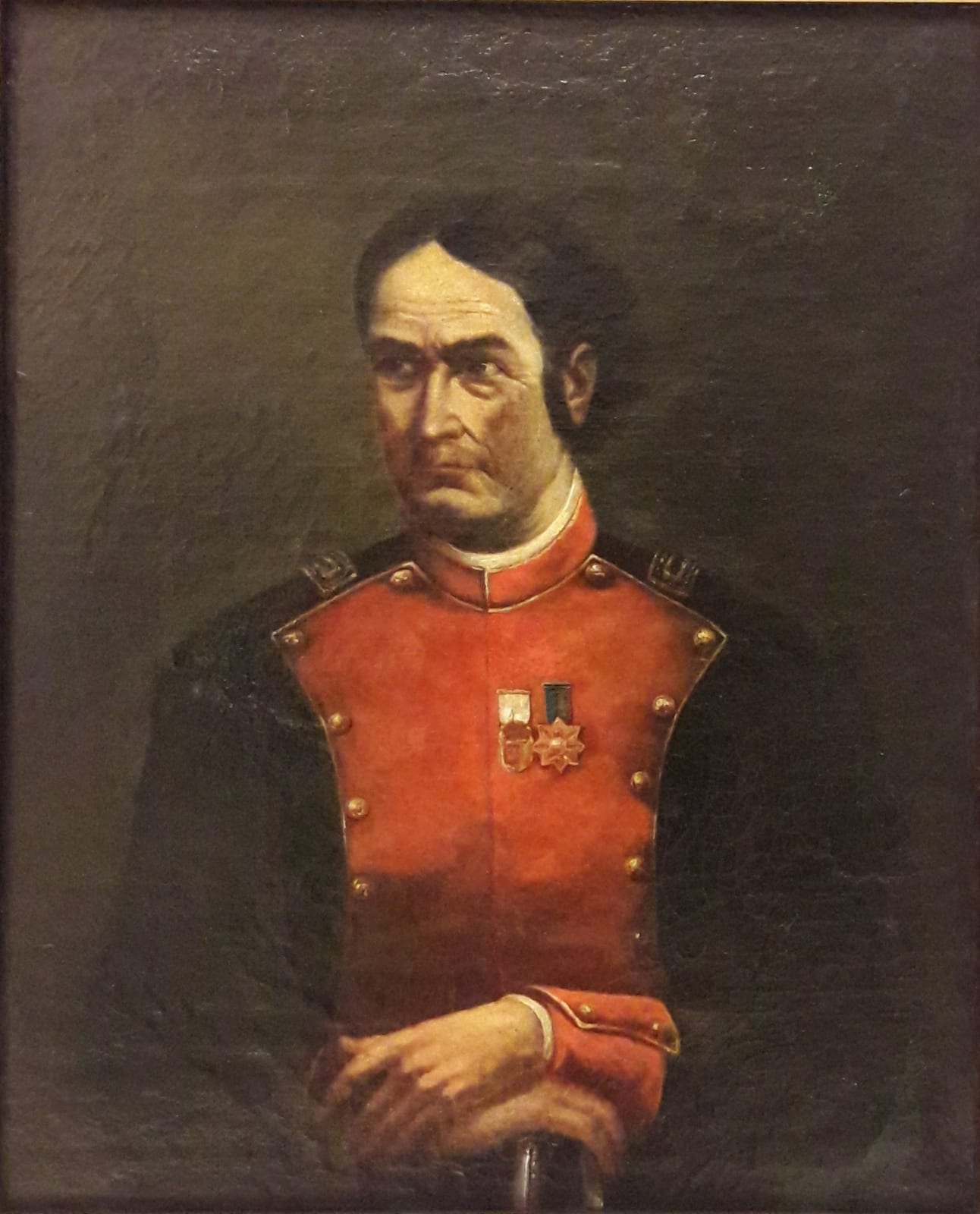
Oil painting of Francisco de Paula Santander. Original is located at the House of Nariño, Bogotá , Colombia .
Ricardo Acevedo Bernal, http://web.presidencia.gov.co/narino/folleto_tour.pdf, Public domain, via Wikimedia Commons
Source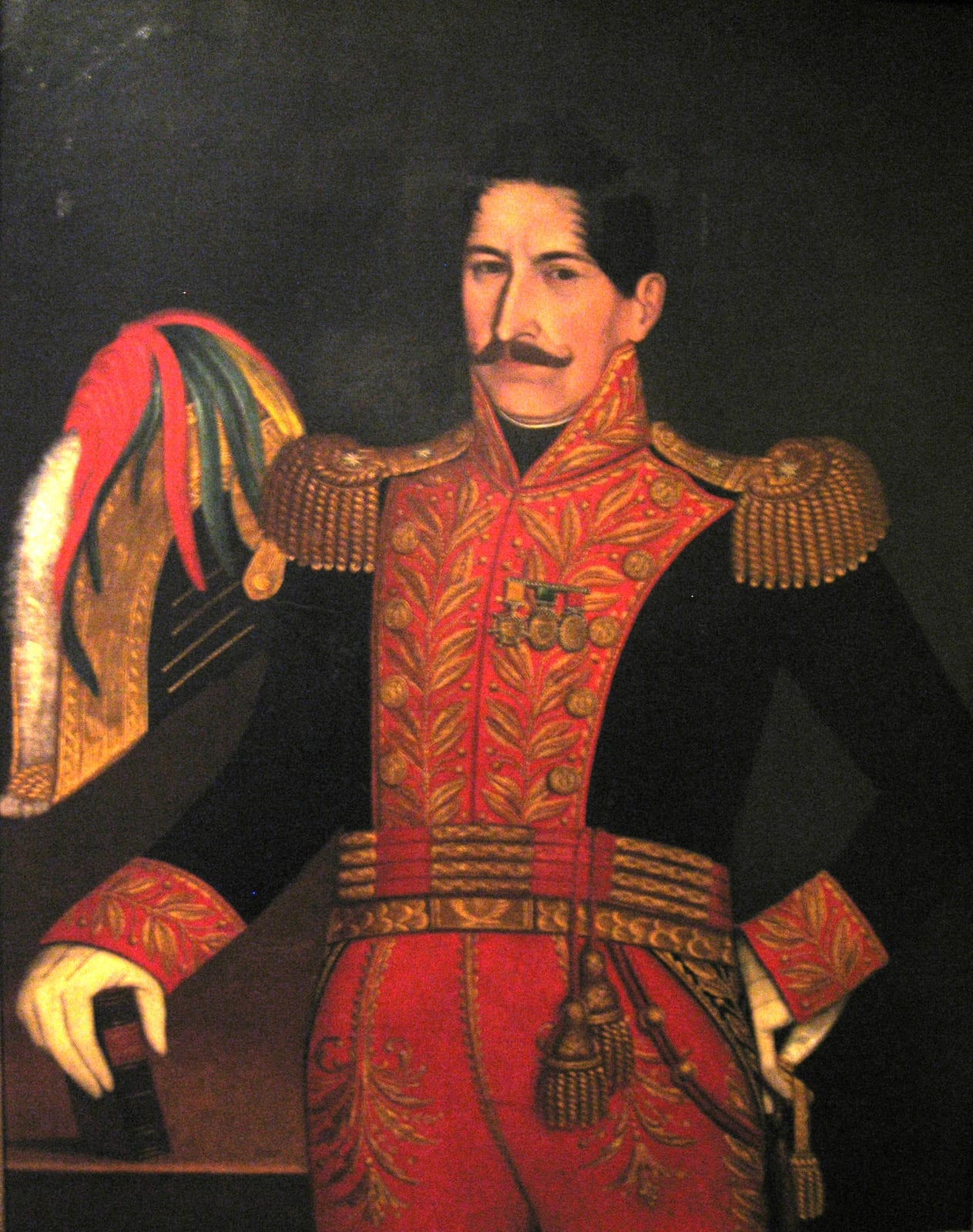
Francisco de Paula Santander (1792-1840)
Unidentified painter, originally uploaded to en.wikipedia by Luiscarlos ( talk · contribs ) on 27 December 2006, 07:31:02 under the file name Francisco de Paula Santander - Museo Nacional de Colombia.jpg . ( +/− ), Public domain, via Wikimedia Commons
Source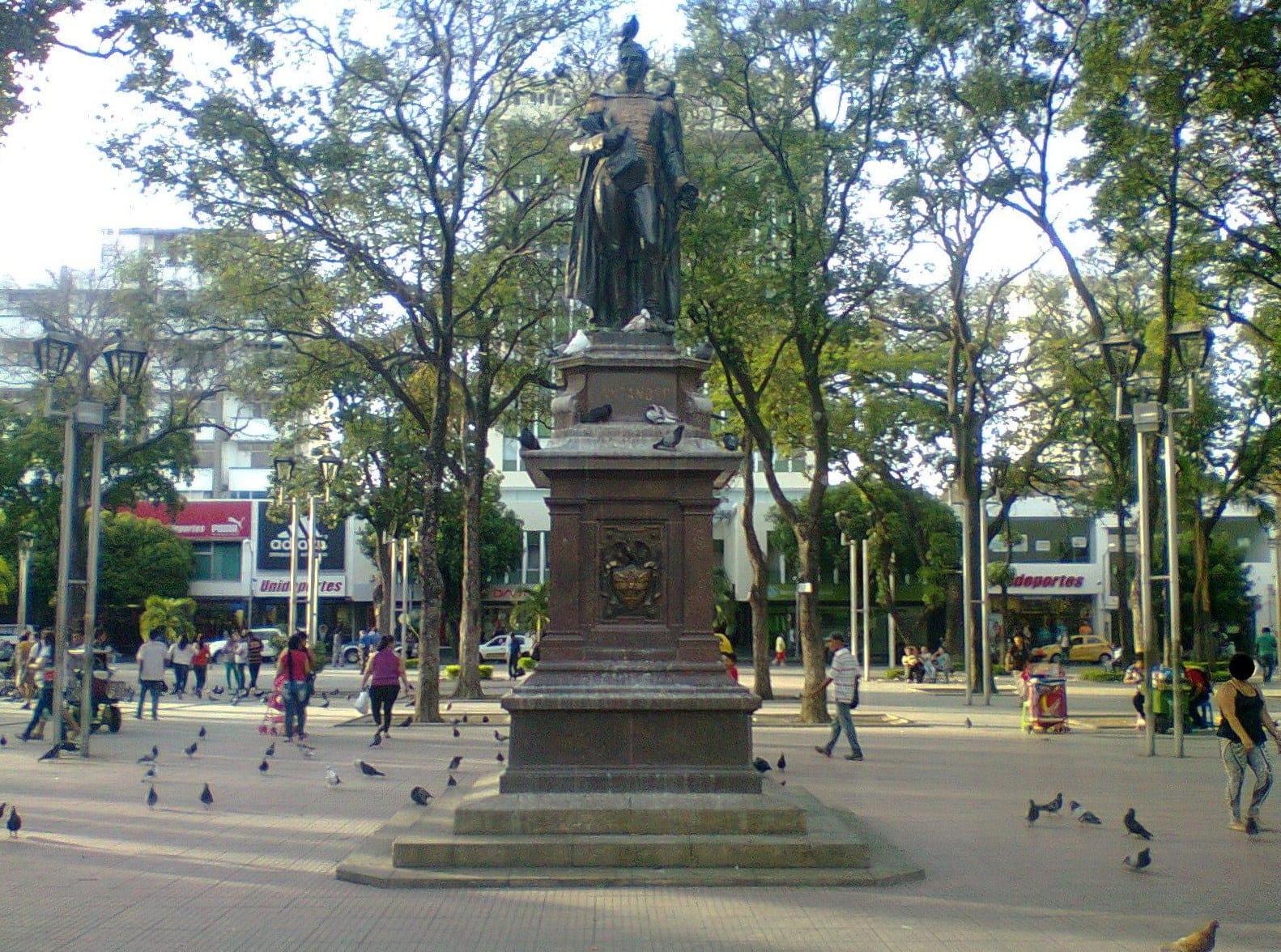
Sculptures of Francisco de Paula Santander in Cúcuta, Colombia
EEIM, Own work, CC BY-SA 4.0, via Wikimedia Commons
SourceSources
Related Memorials
Nicolau Lobato
Dili, Timor-Leste
A Memory Realm virtual memorial place honoring Nicolau Lobato, remembered for Timorese resistance, Independence history, Public leadership.
Policarpa Salavarrieta
Bogota, Colombia
A Memory Realm virtual memorial place honoring Policarpa Salavarrieta, remembered for Independence history, Women in public memory, Resistance.
Manuela Saenz
Quito, Ecuador
A Memory Realm virtual memorial place honoring Manuela Saenz, remembered for Independence history, Women in public memory, South American politics.
Juana Azurduy
Sucre, Bolivia
A Memory Realm virtual memorial place honoring Juana Azurduy, remembered for Independence history, Women in military history, Bolivian public memory.
Jorge Eliecer Gaitan
Bogota, Colombia
A Memory Realm virtual memorial place honoring Jorge Eliecer Gaitan, remembered for Colombian politics, Social reform, Public memory.
Võ Nguyên Giáp
Hanoi, Vietnam
A Memory Realm virtual memorial place honoring Võ Nguyên Giáp, remembered for Military strategy, Vietnamese history, Dien Bien Phu.