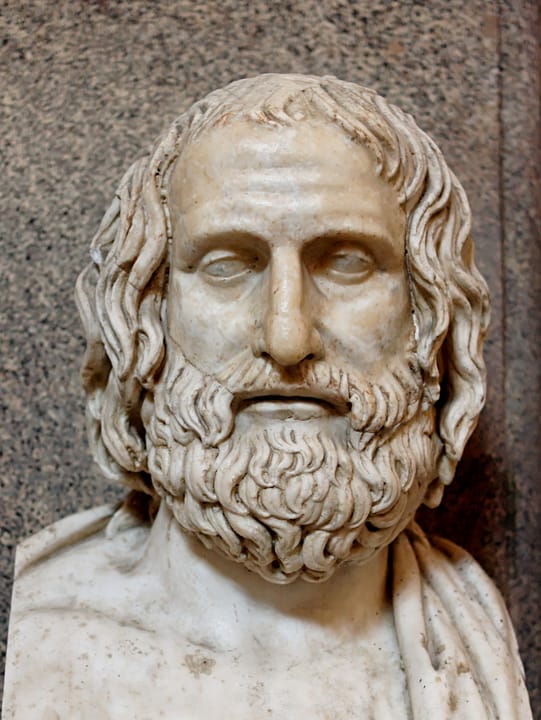
Virtual Memorial
Euripides
A Memory Realm virtual memorial place honoring Euripides, remembered for Greek tragedy, Medea, Theater.
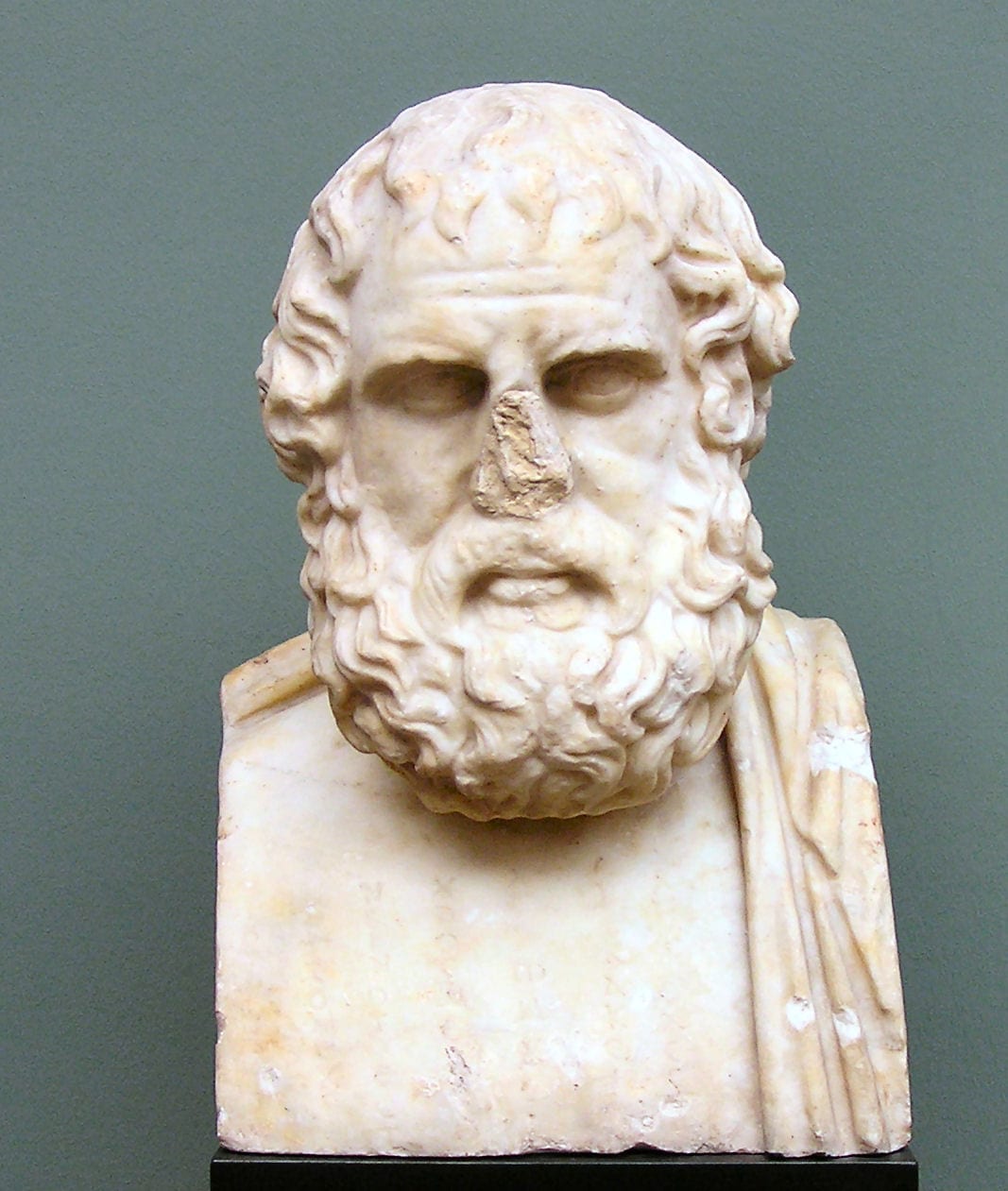
Why Euripides Is Remembered
Euripides is remembered for greek tragedy, medea, theater. This public page gives visitors a concise starting point for understanding why this figure remains part of cultural, civic, scientific, or literary memory.
The page is designed as an accessible introduction rather than an exhaustive account, with source links and image credits kept visible for further reading.
A Virtual Memorial in Memory Realm
This Memory Realm memorial hall turns a map reference into a virtual place for discovery. Visitors can move from the public page to the map and then into a 3D memorial hall connected to Euripides.
The place is part of Memory Realm's virtual layer. It is not a physical marker and does not claim rights, control, access, endorsement, or affiliation connected to a real-world site.
Place Context
Athens, Greece is used as a broad spatial reference for this memorial hall because it is connected to Euripides's story, memory, or public legacy. The location is intentionally city-level or region-level so the page can provide orientation without implying a claim over a specific property or institution.
Historical Context
Euripides was a Greek tragedian of classical Athens. Along with Aeschylus and Sophocles, he is one of the three authors of Greek tragedy whose name is ascribed to surviving plays. Some ancient scholars attributed ninety-five plays to him, but the Suda says it was ninety-two at most. Nineteen plays attributed to Euripides have survived more or less complete, although one of these (Rhesus) is often considered not to be genuinely his work. Many fragments survive from most of his other plays. More of his plays have survived intact than those of Aeschylus and Sophocles together, partly because his popularity grew as theirs declined: he became, in the Hellenistic Age, a cornerstone of ancient literary education, along with Homer, Demosthenes, and Menander.
Memory Realm presents this context for educational discovery and remembrance, with public source links and media attribution preserved alongside the page content.
Photos
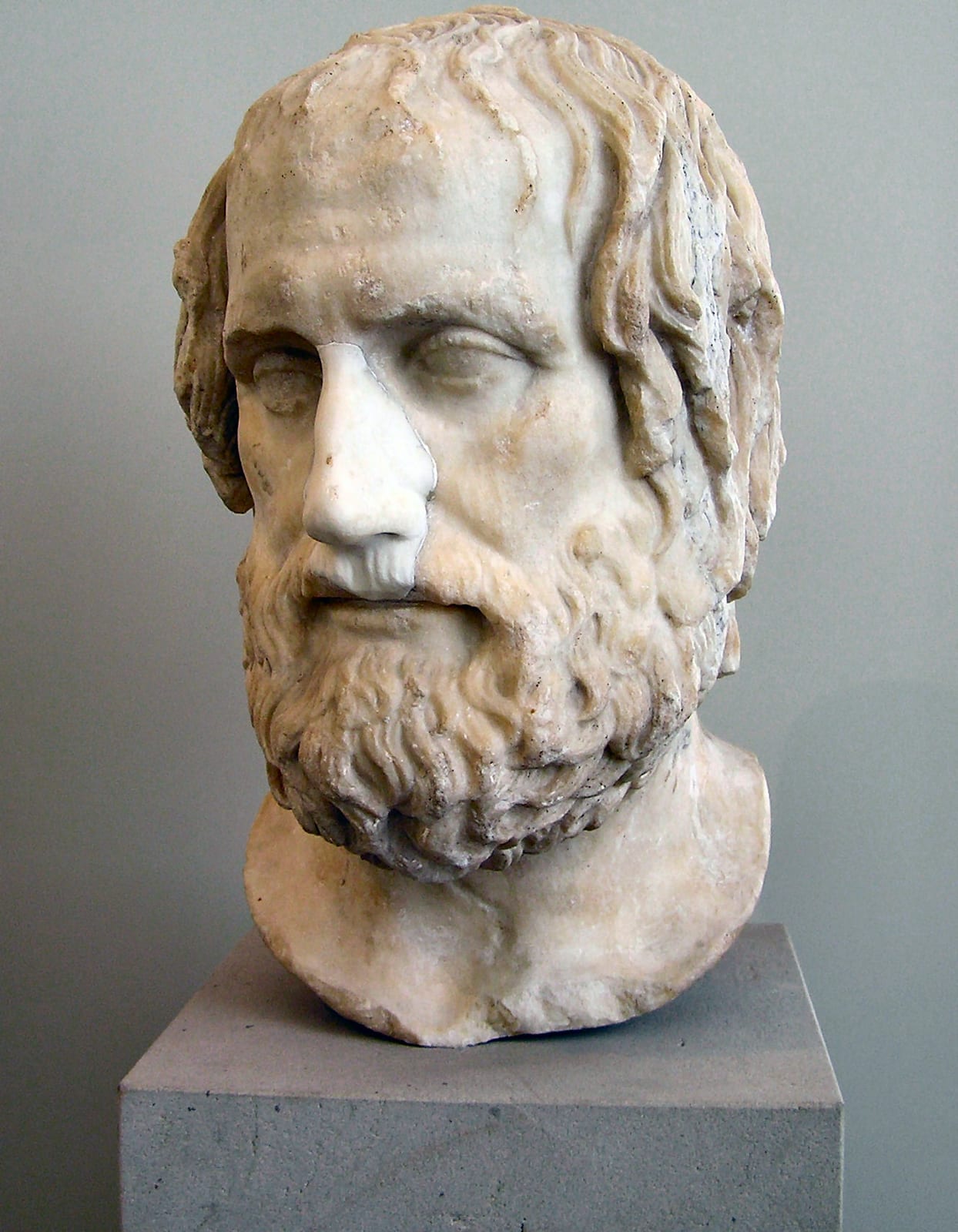
(Berlin, Altes Museum): Euripides , roman copy of greek work, Athens c. 330 BC
Gunnar Bach Pedersen, Self-photographed, Public domain, via Wikimedia Commons
Source
Bust of Euripides
Unknown author Unknown author, http://www.mlahanas.de/Greeks/Persons1a.htm, Public domain, via Wikimedia Commons
Source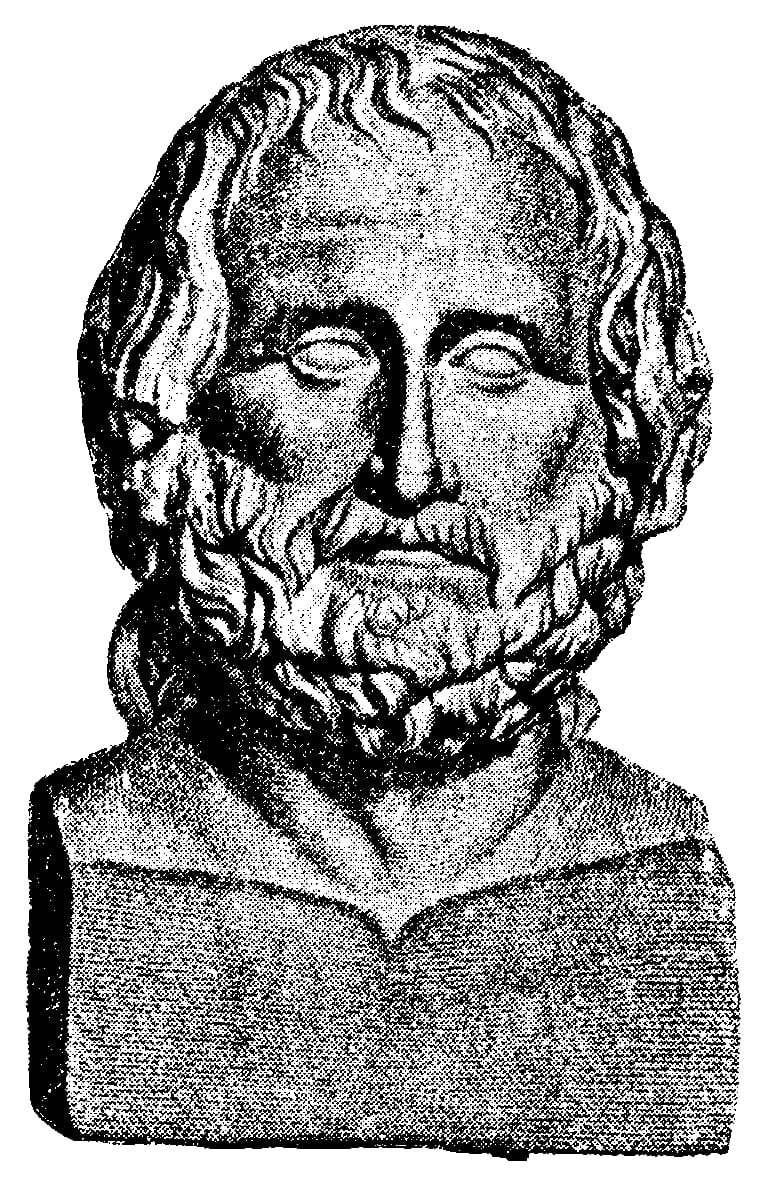
Euripides. (Antik byst i Mantua.)
Nordisk familjebok, https://runeberg.org/nfbg/0560.html, Public domain, via Wikimedia Commons
SourceSources
Related Memorials
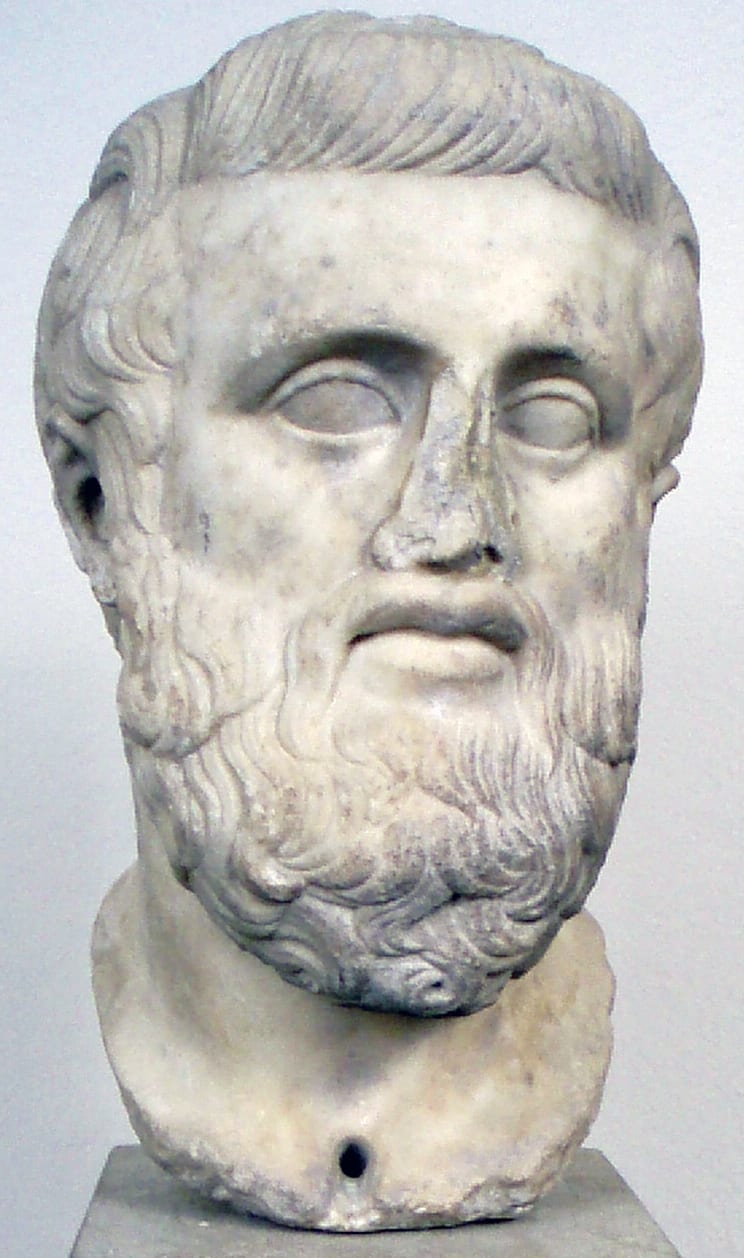
Sophocles
Athens, Greece
A Memory Realm virtual memorial place honoring Sophocles, remembered for Greek tragedy, Oedipus Rex, Theater.
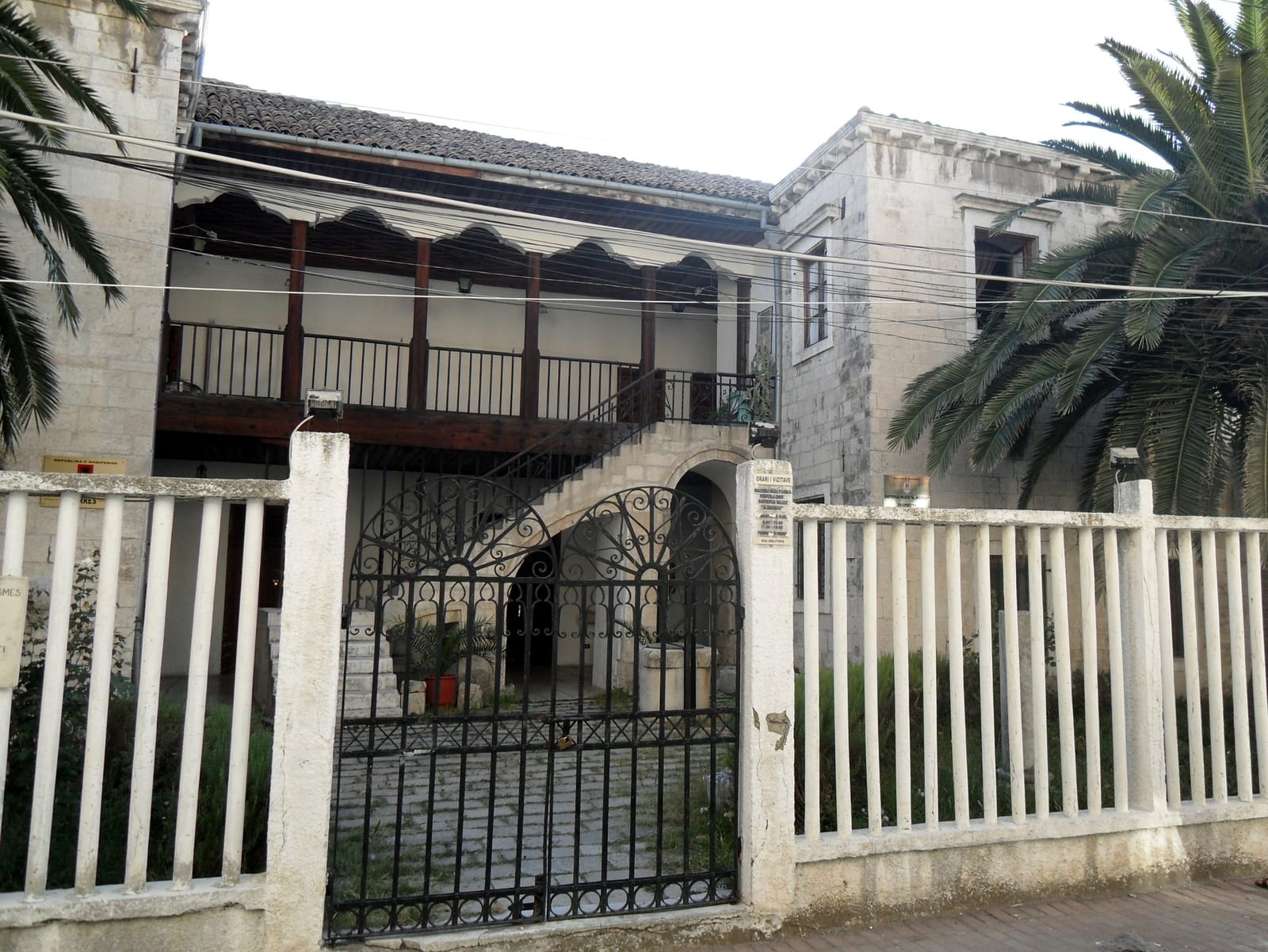
Aleksandër Moisiu
Durrës, Albania
A Memory Realm virtual memorial place honoring Aleksandër Moisiu, remembered for Theater, European stage acting, Albanian cultural history.
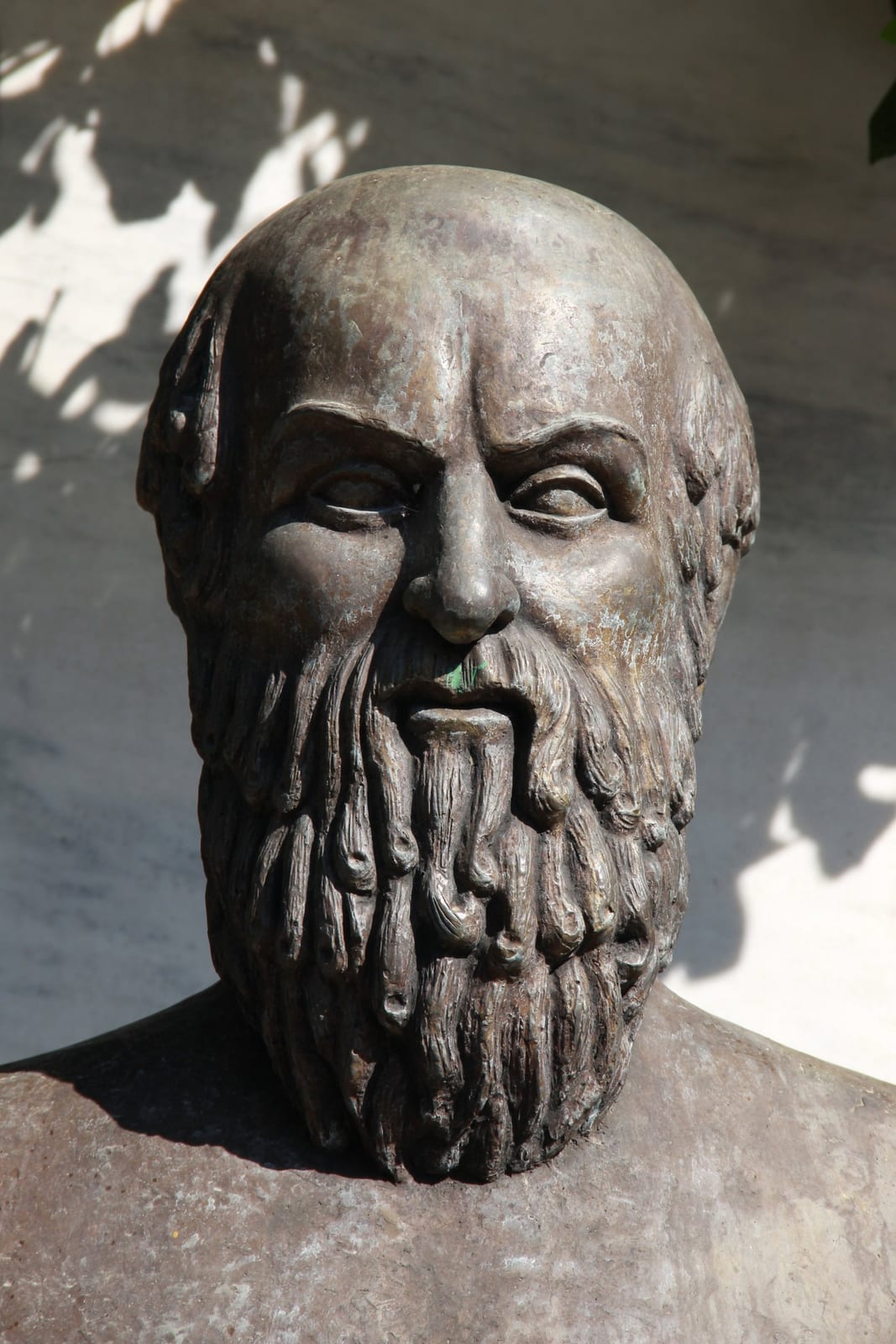
Aeschylus
Eleusis, Greece
A Memory Realm virtual memorial place honoring Aeschylus, remembered for Greek tragedy, Oresteia, Theater.
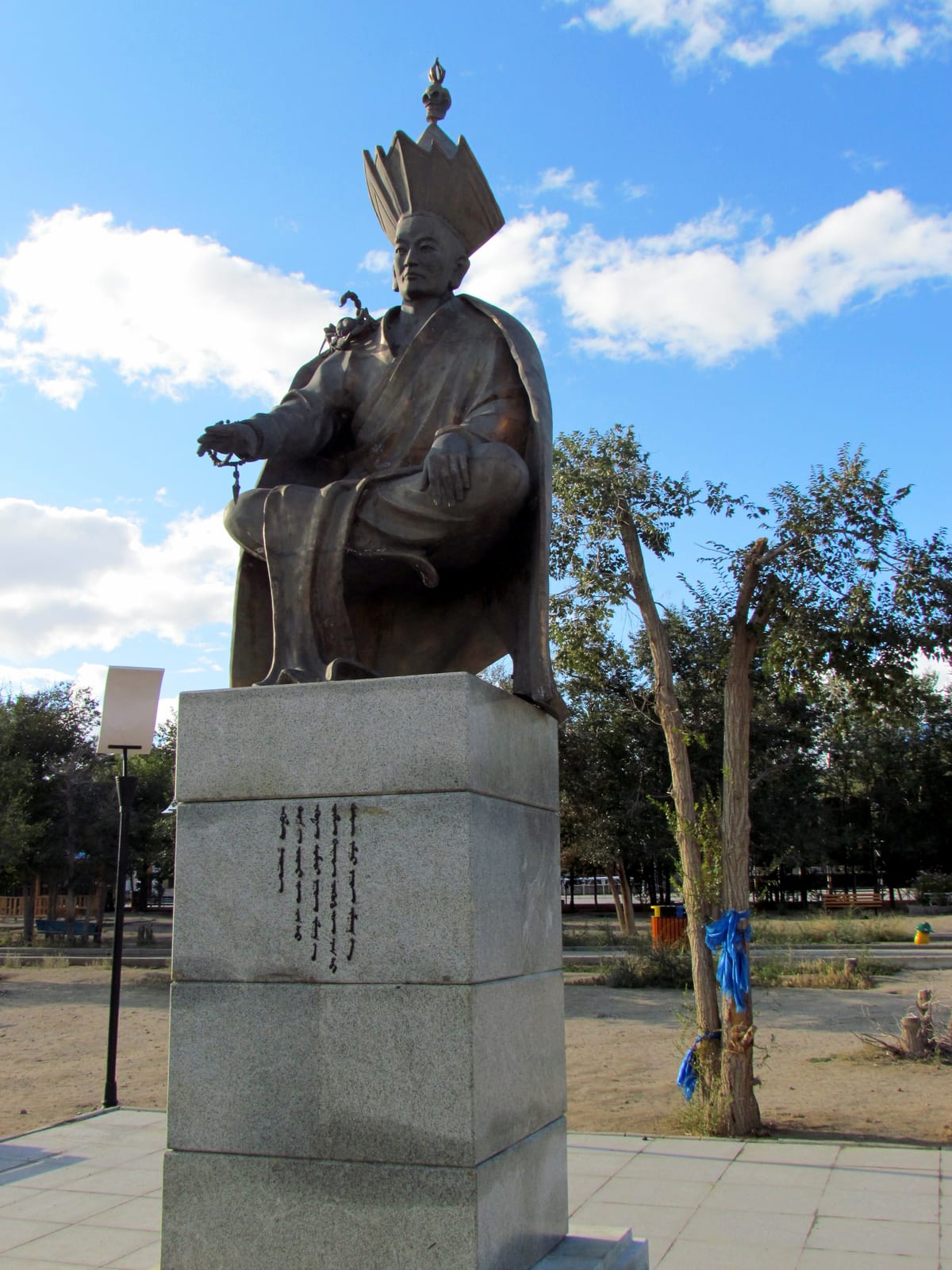
Danzanravjaa
Sainshand, Mongolia
A Memory Realm virtual memorial place honoring Danzanravjaa, remembered for Poetry, Mongolian Buddhism, Theater.
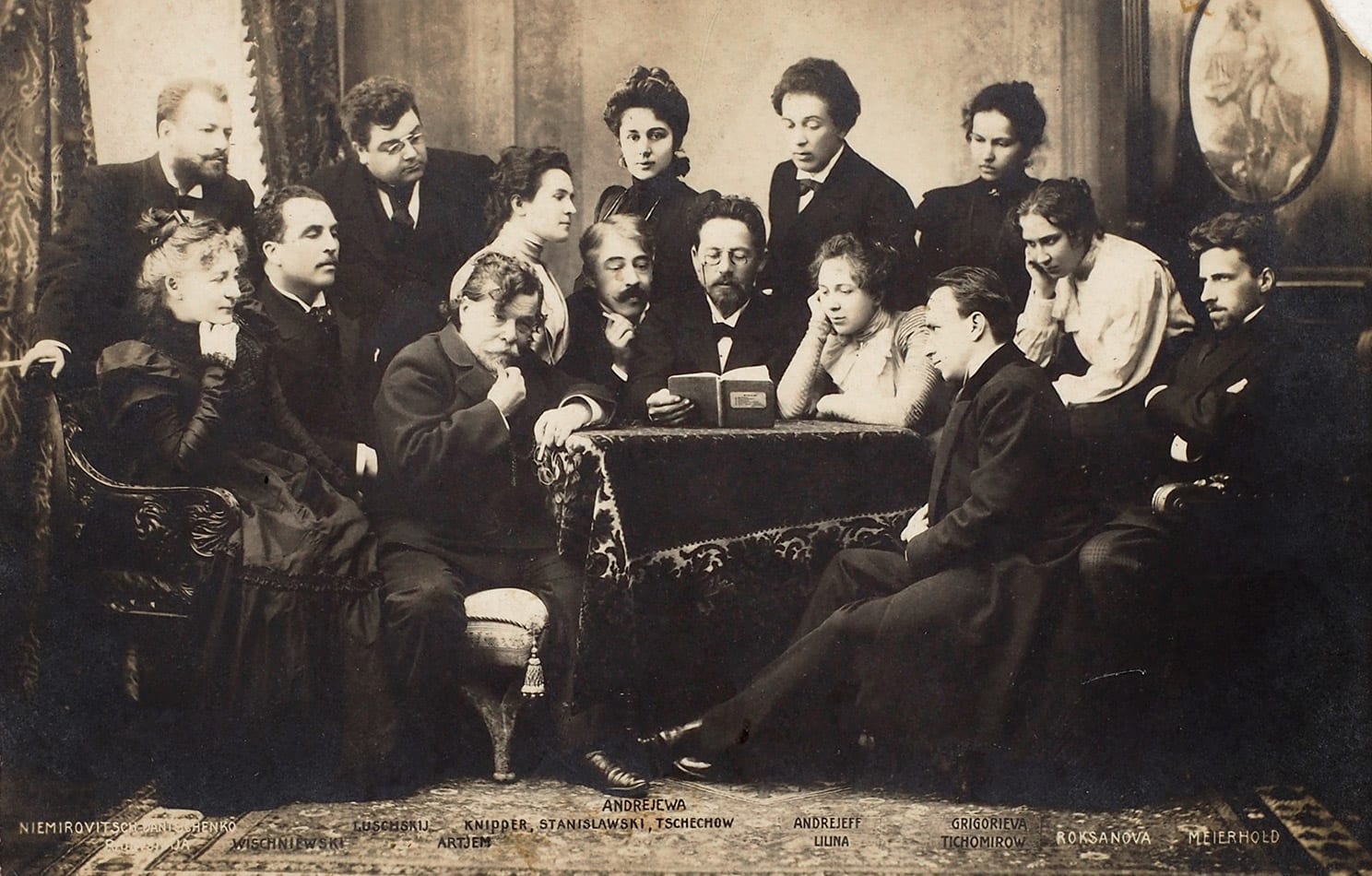
Konstantin Stanislavski
Moscow, Russia
A Memory Realm virtual memorial place honoring Konstantin Stanislavski, remembered for Theater, Acting system, Moscow Art Theatre.
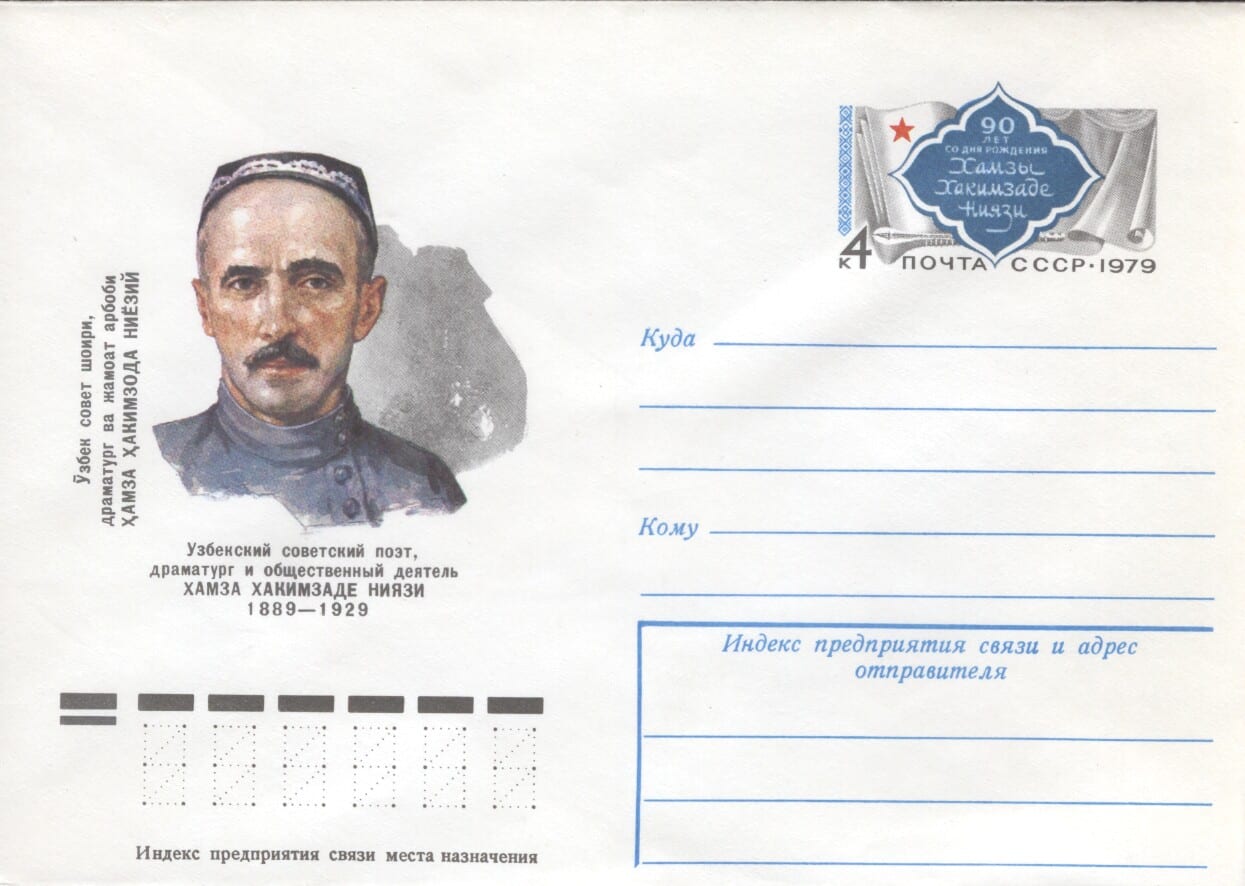
Hamza Hakimzade Niyazi
Tashkent, Uzbekistan
A Memory Realm virtual memorial place honoring Hamza Hakimzade Niyazi, remembered for Uzbek literature, Theater, Education reform.