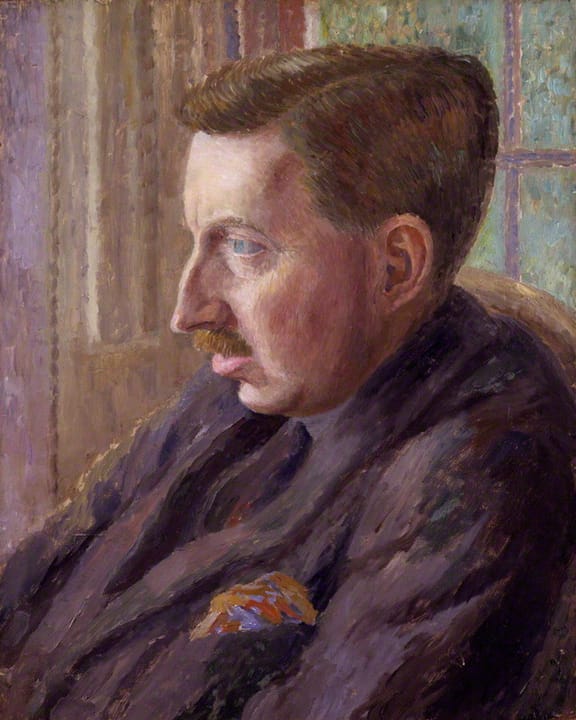
Virtual Memorial
E. M. Forster
A Memory Realm virtual memorial place honoring E. M. Forster, remembered for Literature, Novels, Humanist writing.
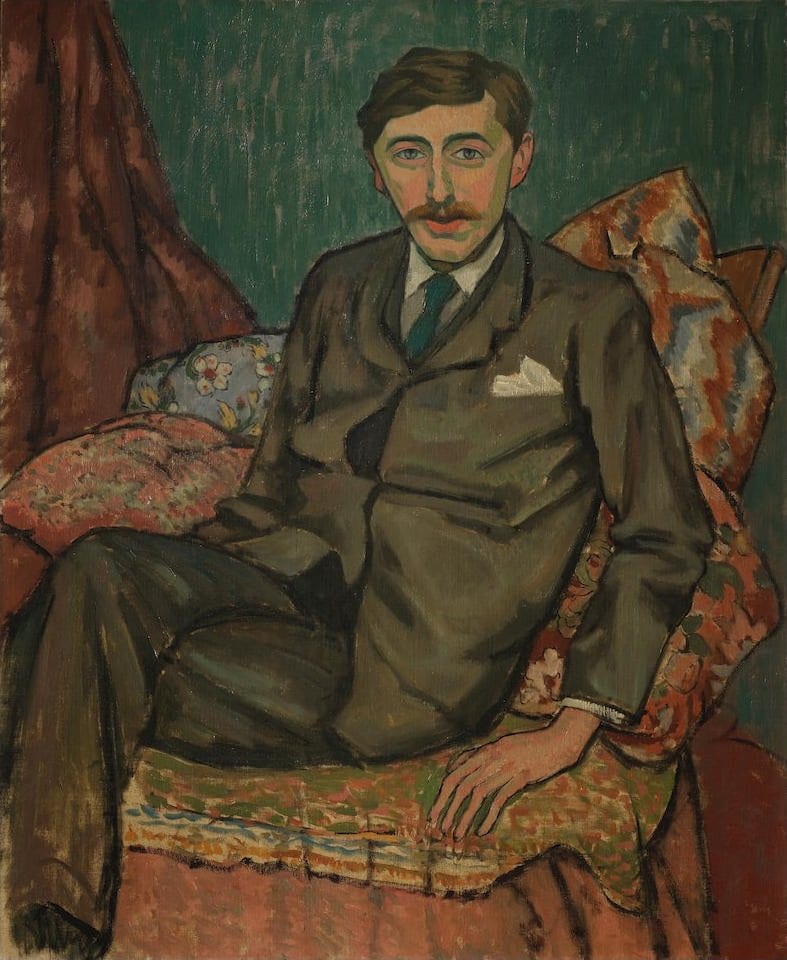
Why E. M. Forster Is Remembered
E. M. Forster is remembered for literature, novels, humanist writing. This public page gives visitors a concise starting point for understanding why this figure remains part of cultural, civic, scientific, or literary memory.
The page is designed as an accessible introduction rather than an exhaustive account, with source links and image credits kept visible for further reading.
A Virtual Memorial in Memory Realm
This Memory Realm memorial hall turns a map reference into a virtual place for discovery. Visitors can move from the public page to the map and then into a 3D memorial hall connected to E. M. Forster.
The place is part of Memory Realm's virtual layer. It is not a physical marker and does not claim rights, control, access, endorsement, or affiliation connected to a real-world site.
Place Context
Cambridge, England, United Kingdom is used as a broad spatial reference for this memorial hall because it is connected to E. M. Forster's story, memory, or public legacy. The location is intentionally city-level or region-level so the page can provide orientation without implying a claim over a specific property or institution.
Historical Context
Edward Morgan Forster was an English author. He is best known for his novels, particularly A Room with a View (1908), Howards End (1910) and A Passage to India (1924). He also wrote numerous short stories, essays, speeches and broadcasts, as well as biographies and pageant plays. His short story "The Machine Stops" (1909) is often viewed as the beginning of technological dystopian fiction. He also co-authored the libretto to Benjamin Britten's opera Billy Budd (1951). Many of his novels examine class differences and hypocrisy. His views as a humanist are at the heart of his work.
Memory Realm presents this context for educational discovery and remembrance, with public source links and media attribution preserved alongside the page content.
Photos
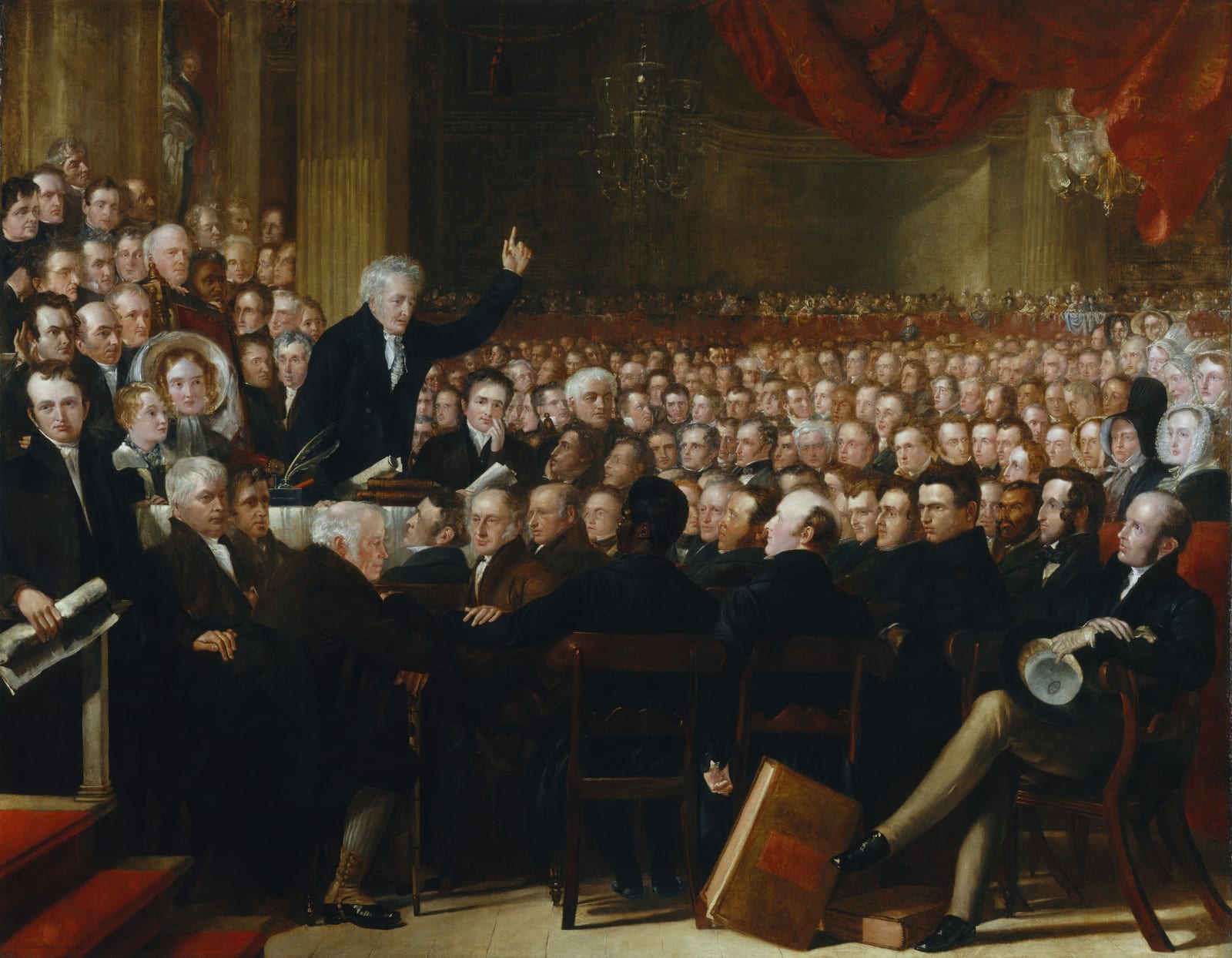
The Anti-Slavery Society Convention, 1840 , by Benjamin Robert Haydon (died 1846), given to the National Portrait Gallery, London in 1880 by the British and Foreign Anti-Slavery So
Benjamin Haydon, one or more third parties have made copyright claims against Wikimedia Commons in relation to the work from which this is sourced or a purely mechanical reproduction thereof . This may be due to recognition of the " sweat of the brow " doctrin
Source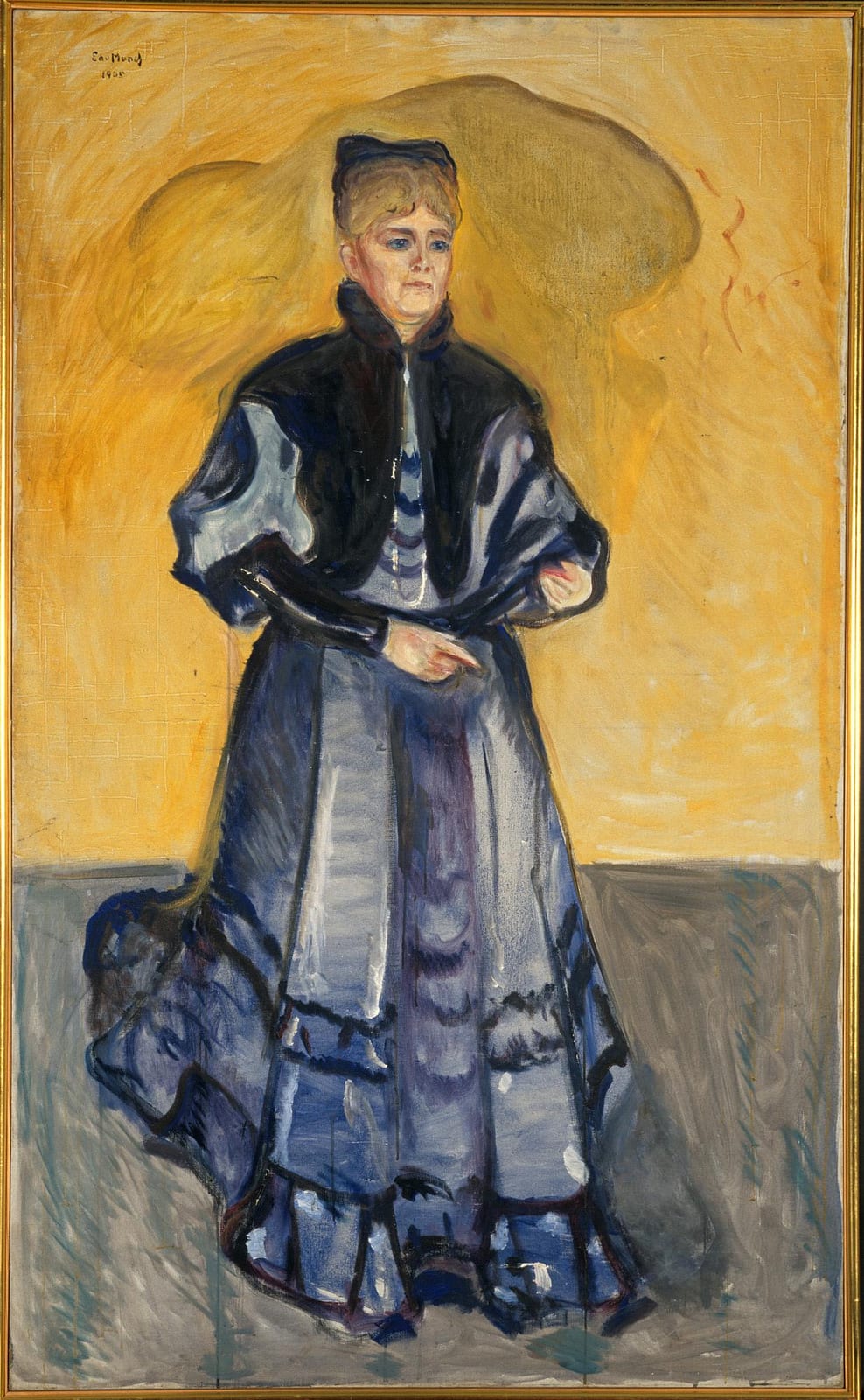
Edvard Munch - Elisabeth Förster-Nietzsche - MM.M.00378 - Munch Museum
Edvard Munch, Munch Museum, Public domain, via Wikimedia Commons
Source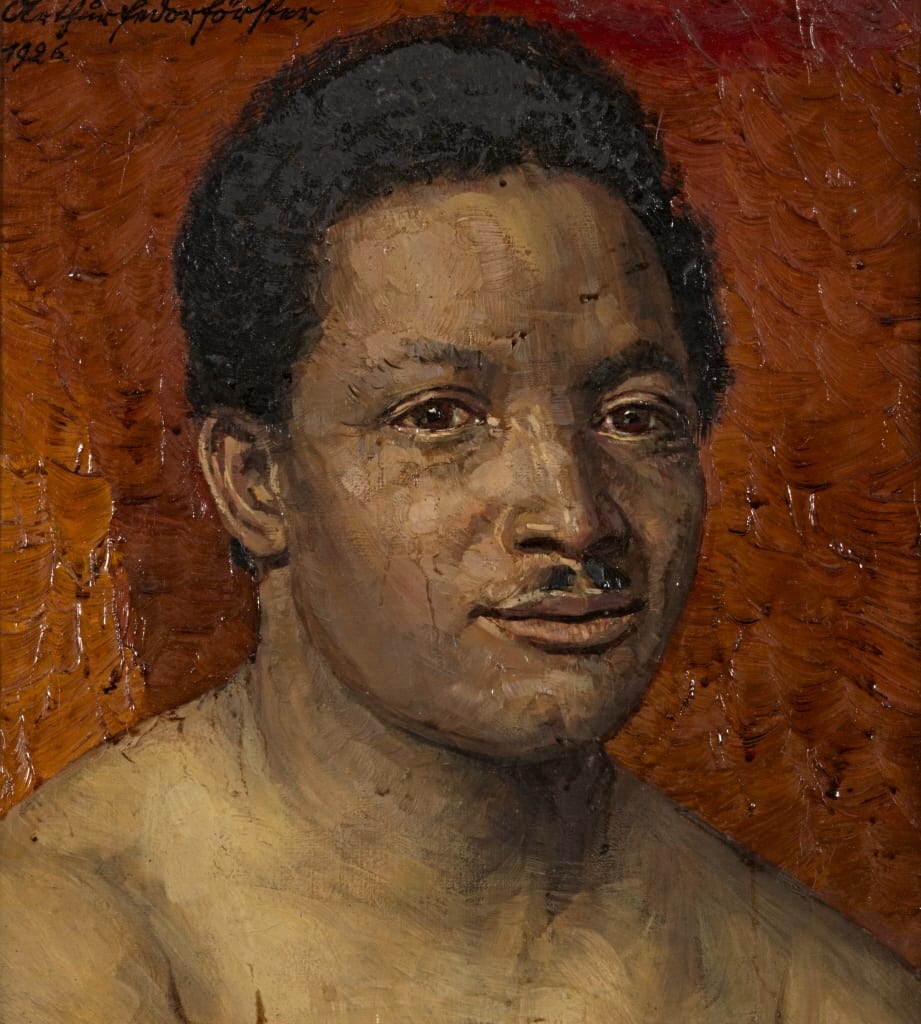
Arthur Fedor Förster - Negerportrait - BG-M-SG 5708-92 - Berlinische Galerie
Arthur Fedor Förster, http://sammlung-online.berlinischegalerie.de/eMuseumPlus?service=ExternalInterface&module=collection&objectId=140862&viewType=detailView, Public domain, via Wikimedia Commons
SourceSources
Related Memorials
Nikolai Gogol
Moscow, Russia
A Memory Realm virtual memorial place honoring Nikolai Gogol, remembered for Literature, Satire, Dead Souls.
Maxim Gorky
Nizhny Novgorod, Russia
A Memory Realm virtual memorial place honoring Maxim Gorky, remembered for Literature, Social realism, Public memory.
Leo Tolstoy
Yasnaya Polyana, Russia
A Memory Realm virtual memorial place honoring Leo Tolstoy, remembered for Novels, War and Peace, Moral philosophy.
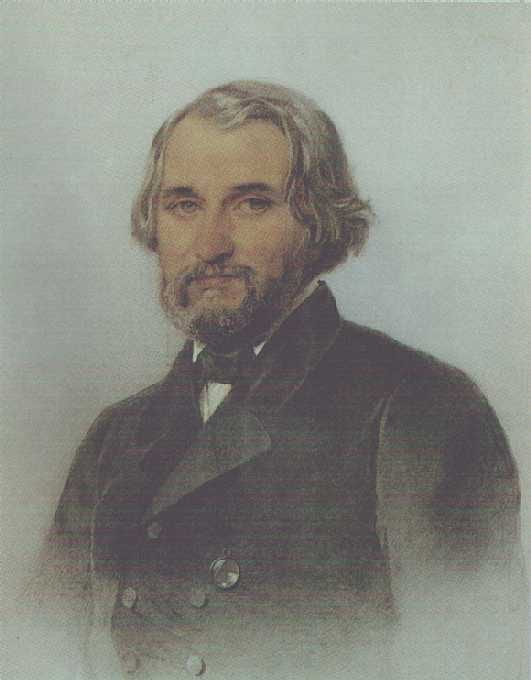
Ivan Turgenev
Oryol, Russia
A Memory Realm virtual memorial place honoring Ivan Turgenev, remembered for Novels, Fathers and Sons, Russian literature.
Ivan Franko
Lviv, Ukraine
A Memory Realm virtual memorial place honoring Ivan Franko, remembered for Literature, Scholarship, Ukrainian culture.
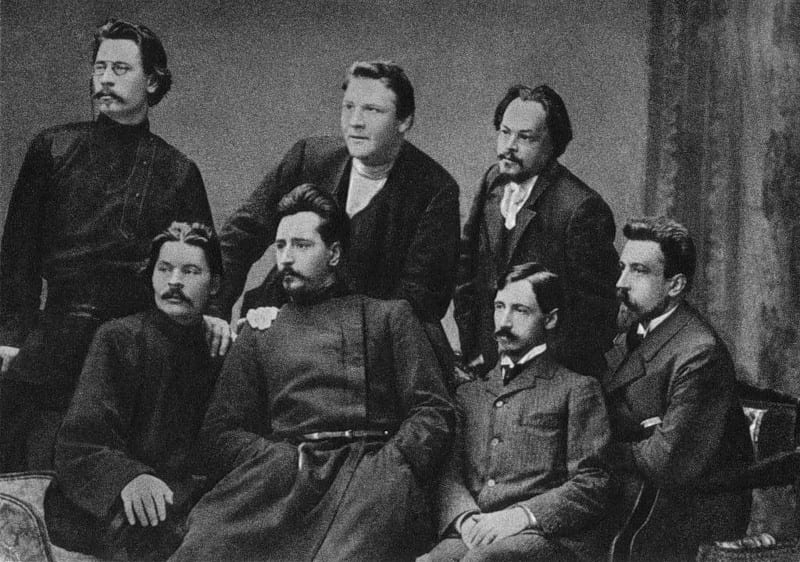
Ivan Bunin
Voronezh, Russia
A Memory Realm virtual memorial place honoring Ivan Bunin, remembered for Literature, Nobel Prize, Russian prose.