Virtual Memorial
Dorothea Dix
A Memory Realm virtual memorial place honoring Dorothea Dix, remembered for Mental health reform, Civil War nursing, Social reform.
Why Dorothea Dix Is Remembered
Dorothea Dix is remembered for mental health reform, civil war nursing, social reform. This public page gives visitors a concise starting point for understanding why this figure remains part of cultural, civic, scientific, or literary memory.
The page is designed as an accessible introduction rather than an exhaustive account, with source links and image credits kept visible for further reading.
A Virtual Memorial in Memory Realm
This Memory Realm memorial hall turns a map reference into a virtual place for discovery. Visitors can move from the public page to the map and then into a 3D memorial hall connected to Dorothea Dix.
The place is part of Memory Realm's virtual layer. It is not a physical marker and does not claim rights, control, access, endorsement, or affiliation connected to a real-world site.
Place Context
Boston, Massachusetts, United States is used as a broad spatial reference for this memorial hall because it is connected to Dorothea Dix's story, memory, or public legacy. The location is intentionally city-level or region-level so the page can provide orientation without implying a claim over a specific property or institution.
Historical Context
Dorothea Lynde Dix was an American advocate on behalf of the poor mentally ill. By her vigorous and sustained program of lobbying state legislatures and the United States Congress, she helped create the first generation of American mental asylums. During the Civil War, she served as a Superintendent of Army Nurses.
Memory Realm presents this context for educational discovery and remembrance, with public source links and media attribution preserved alongside the page content.
Photos
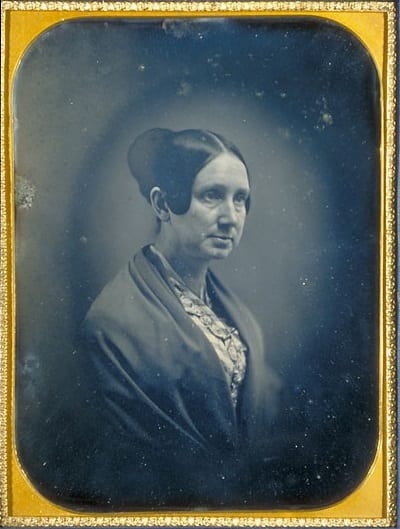
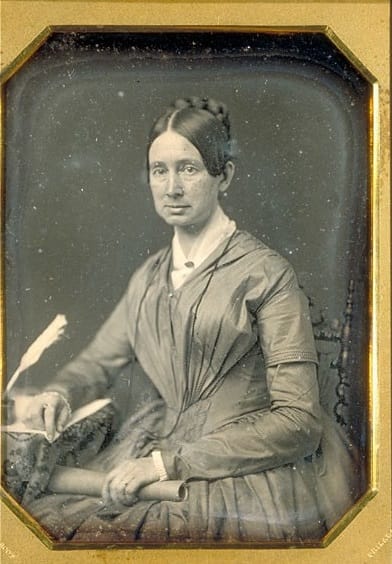
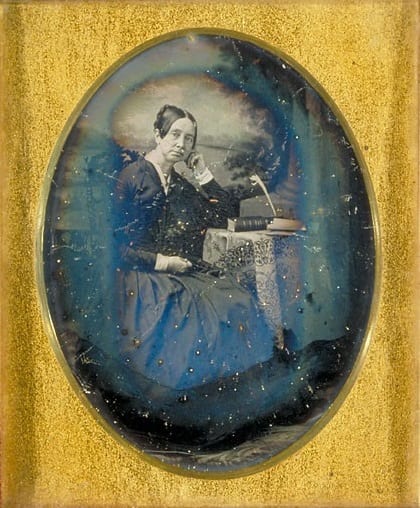
Daguerreotype of American activist Dorothea Dix (1802-1887). Dated by source as between 1840 and 1860. bMS Am 1838 (994.2), Houghton Library , Harvard University
Photographer unidentified, bMS Am 1838 (994.2), Houghton Library, Harvard University, Public domain, via Wikimedia Commons
Source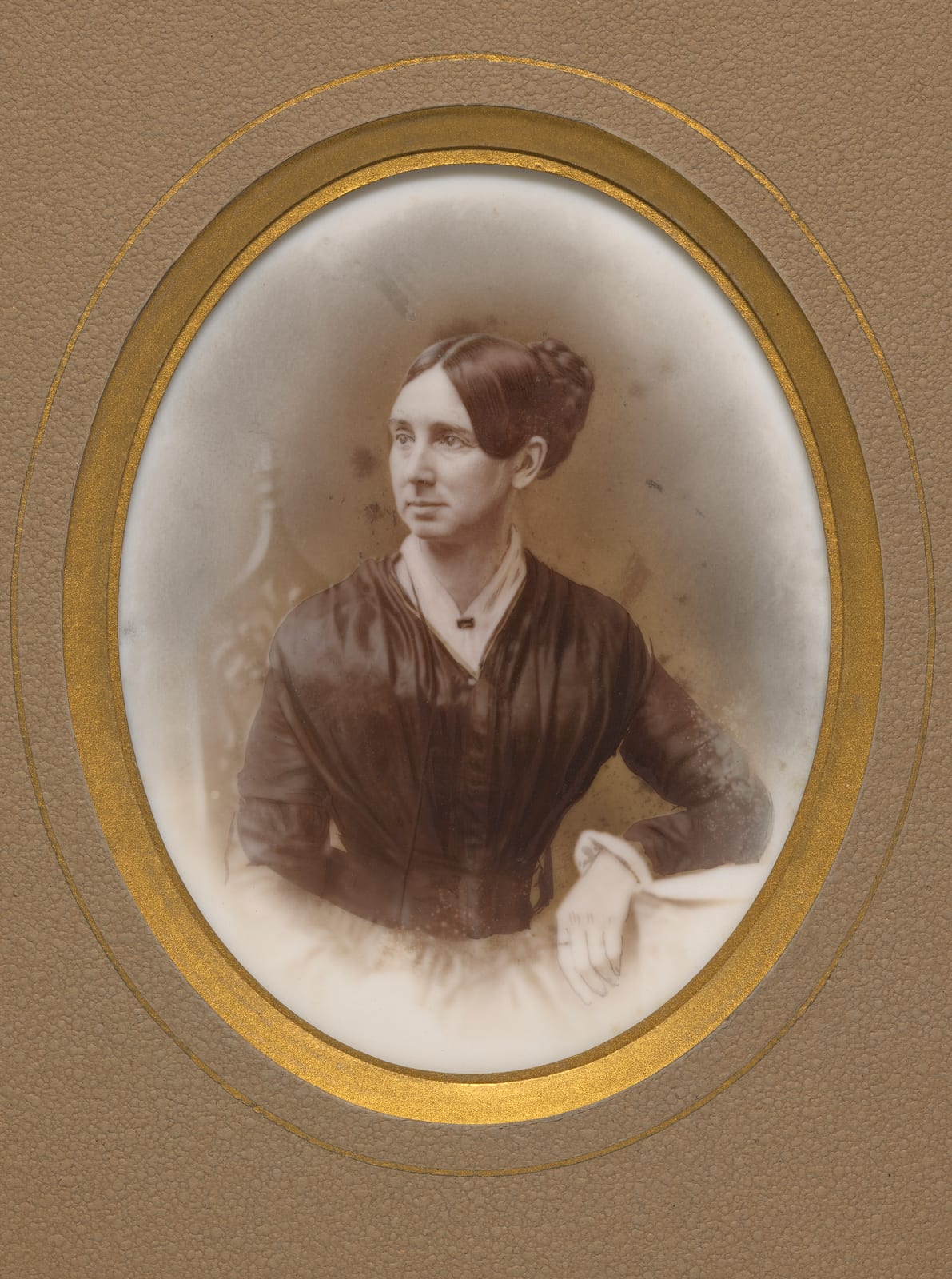
Dorothea Dix
Unidentified Artist, https://npg.si.edu/object/npg_NPG.97.137, CC0, via Wikimedia Commons
Source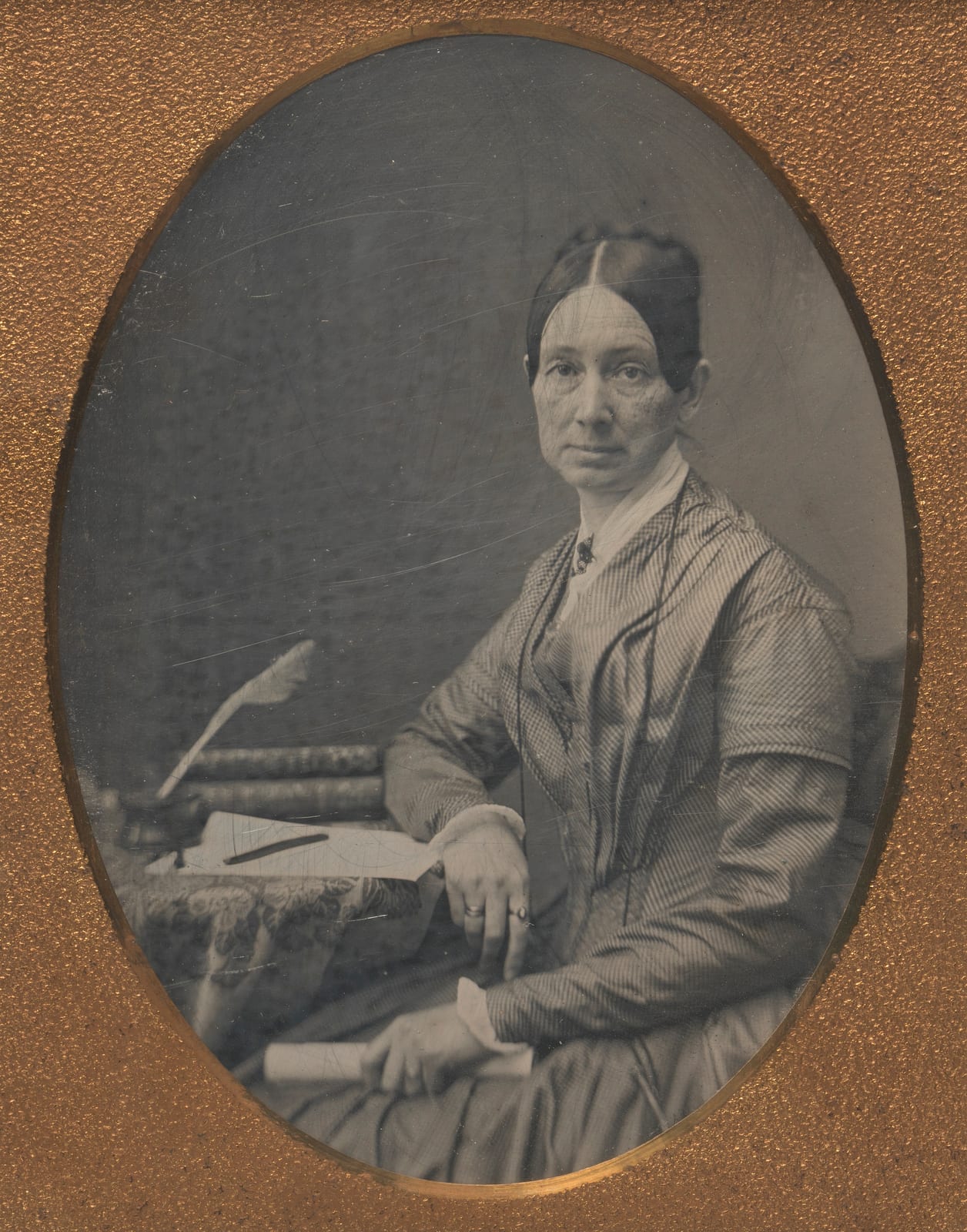
Unidentified Artist Half-plate daguerreotype, c. 1849 National Portrait Gallery, Smithsonian Institution
Unidentified Artist, https://npg.si.edu/exhibition/women-progress-early-camera-portraits, Public domain, via Wikimedia Commons
SourceSources
Related Memorials
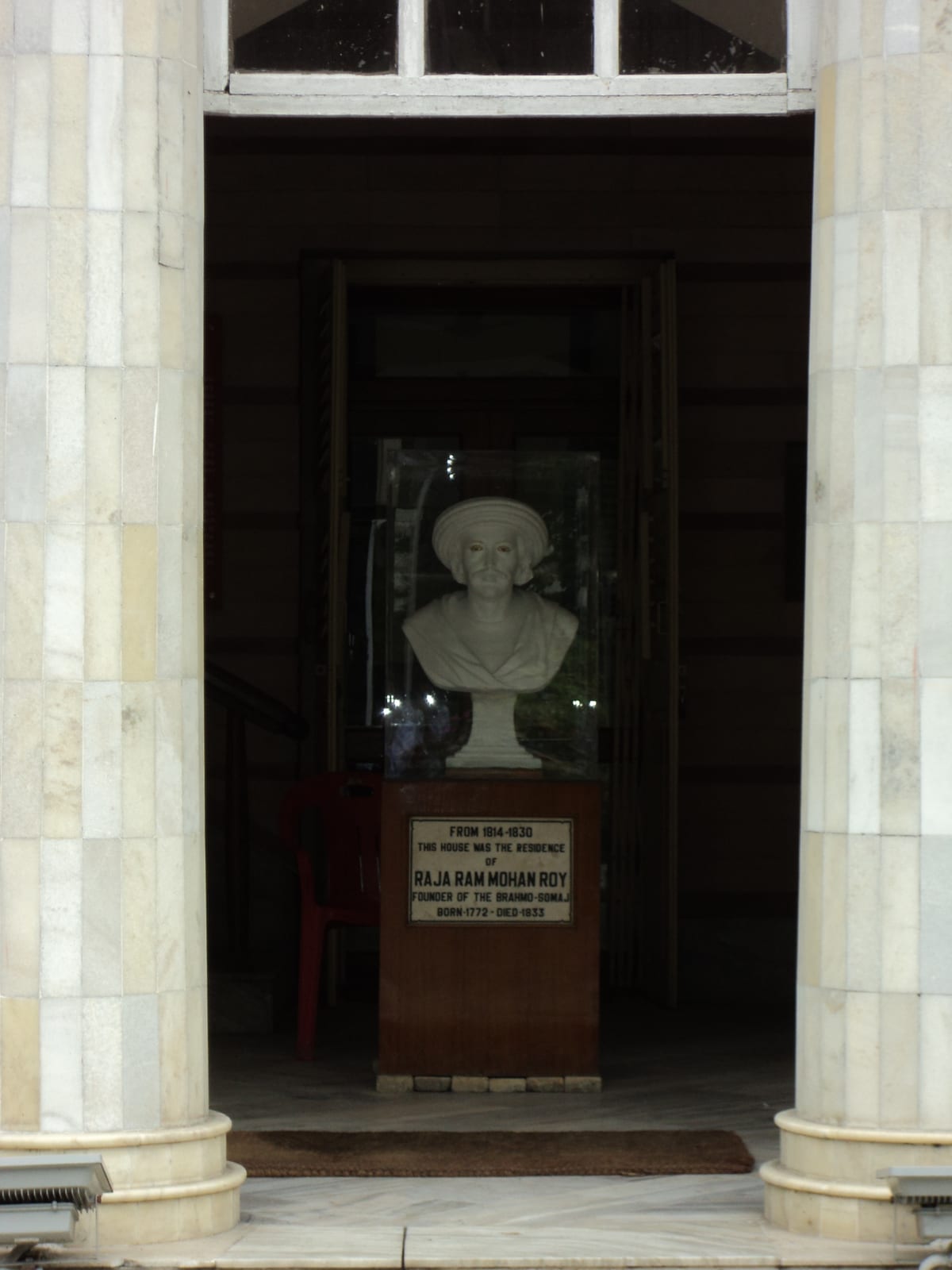
Raja Ram Mohan Roy
Kolkata, India
A Memory Realm virtual memorial place honoring Raja Ram Mohan Roy, remembered for Bengal Renaissance, Social reform, Brahmo Samaj.

Kabir
Varanasi, India
A Memory Realm virtual memorial place honoring Kabir, remembered for Bhakti poetry, Mysticism, Social reform.
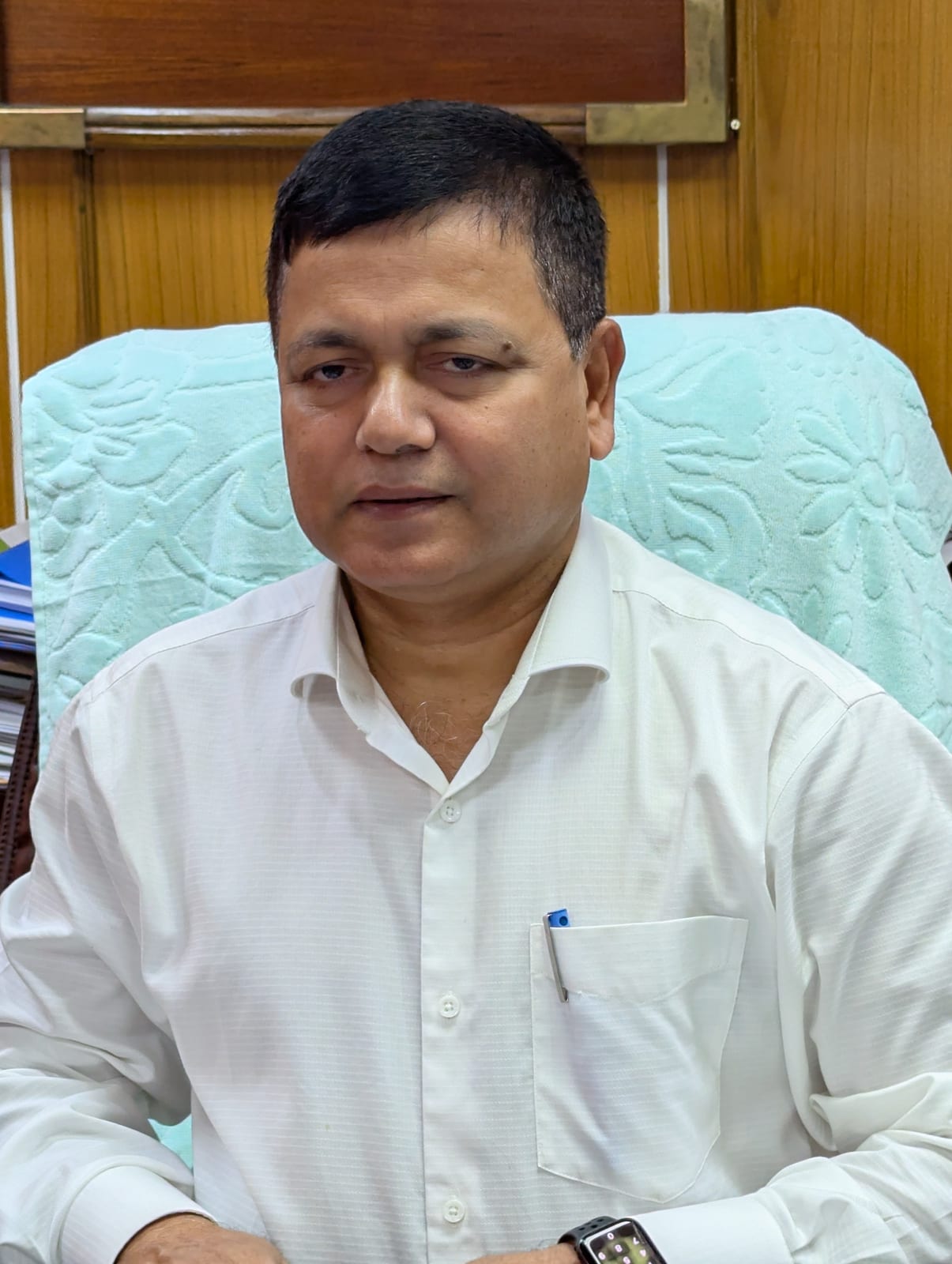
Begum Rokeya
Rangpur, Bangladesh
A Memory Realm virtual memorial place honoring Begum Rokeya, remembered for Women's education, Bengali literature, Social reform.
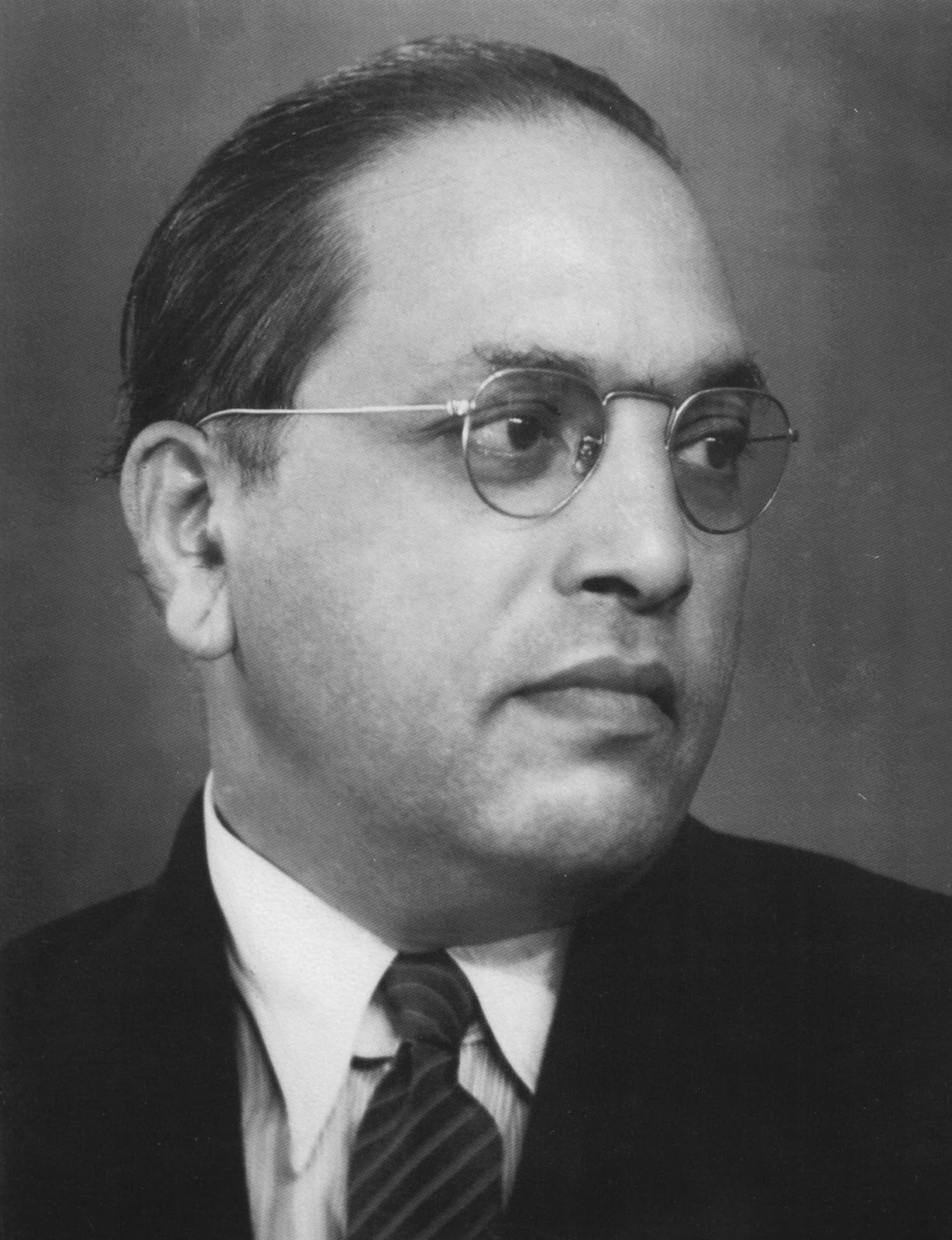
B. R. Ambedkar
Mumbai, India
A Memory Realm virtual memorial place honoring B. R. Ambedkar, remembered for Indian Constitution, Dalit rights, Social reform.
Jorge Eliecer Gaitan
Bogota, Colombia
A Memory Realm virtual memorial place honoring Jorge Eliecer Gaitan, remembered for Colombian politics, Social reform, Public memory.
William Wilberforce
Hull, England, United Kingdom
A Memory Realm virtual memorial place honoring William Wilberforce, remembered for Abolition, Parliament, Social reform.