Virtual Memorial
Date Masamune
A Memory Realm virtual memorial place honoring Date Masamune, remembered for Sendai domain, Sengoku leadership, Tohoku history.
Why Date Masamune Is Remembered
Date Masamune is remembered for sendai domain, sengoku leadership, tohoku history. This public page gives visitors a concise starting point for understanding why this figure remains part of cultural, civic, scientific, or literary memory.
The page is designed as an accessible introduction rather than an exhaustive account, with source links and image credits kept visible for further reading.
A Virtual Memorial in Memory Realm
This Memory Realm memorial hall turns a map reference into a virtual place for discovery. Visitors can move from the public page to the map and then into a 3D memorial hall connected to Date Masamune.
The place is part of Memory Realm's virtual layer. It is not a physical marker and does not claim rights, control, access, endorsement, or affiliation connected to a real-world site.
Place Context
Sendai, Miyagi, Japan is used as a broad spatial reference for this memorial hall because it is connected to Date Masamune's story, memory, or public legacy. The location is intentionally city-level or region-level so the page can provide orientation without implying a claim over a specific property or institution.
Historical Context
Date Masamune was a Japanese samurai and daimyō during the Azuchi–Momoyama period through the early Edo period. Heir to a long line of powerful feudal lords in the Tōhoku region, he went on to found the modern-day city of Sendai. An outstanding tactician, he was made all the more iconic for his missing eye, as Masamune was often called dokuganryū (独眼竜), or the "One-Eyed Dragon of Ōshū". As a legendary warrior and leader, Masamune is a character in a number of Japanese period dramas.
Memory Realm presents this context for educational discovery and remembrance, with public source links and media attribution preserved alongside the page content.
Photos
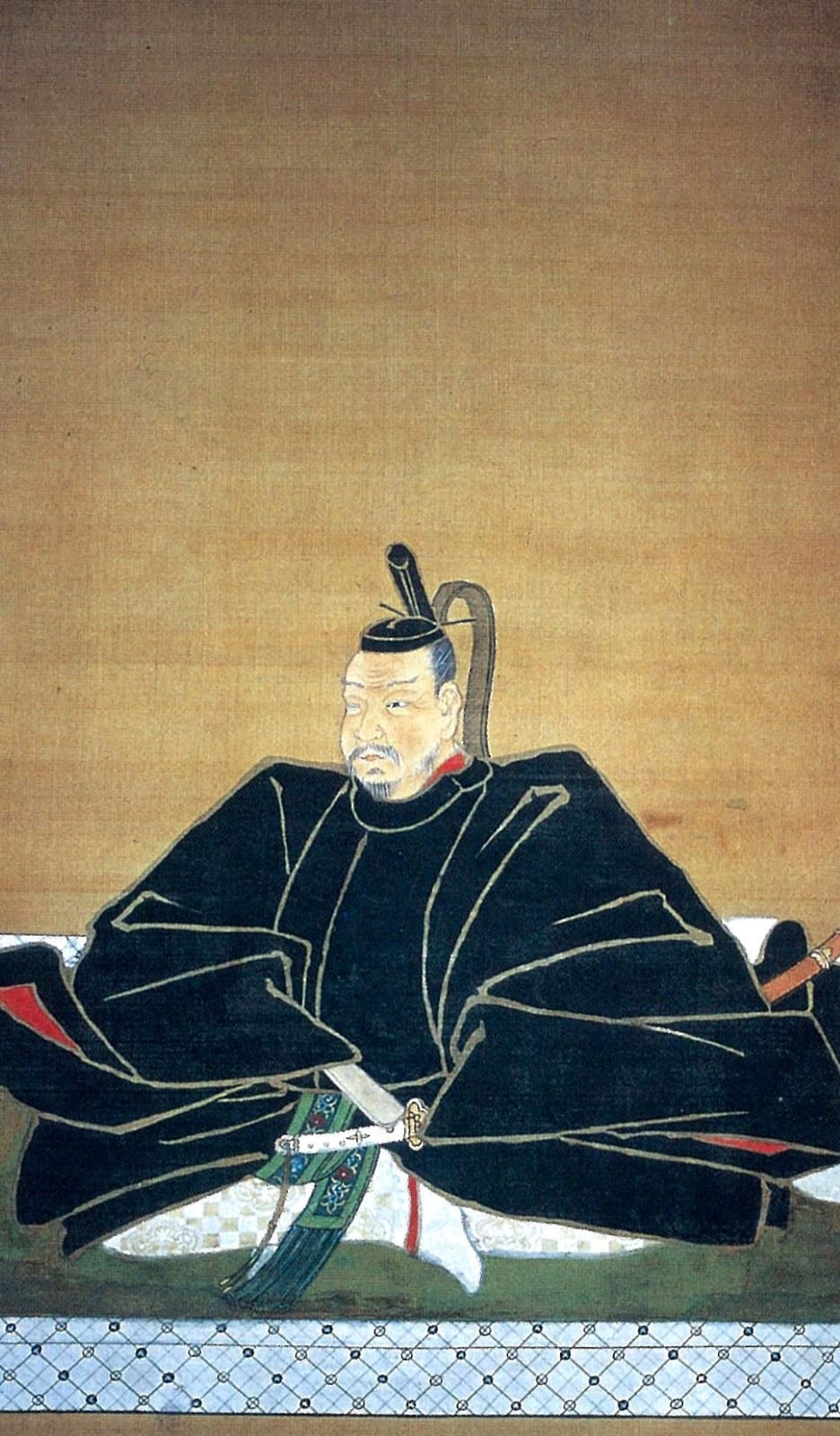
Portrait of Date Masamune (1567-1636). Made by Tosa Mitsusada (1738 - 1806).
Tosa Mitsusada, 東福寺塔中霊源院, Public domain, via Wikimedia Commons
Source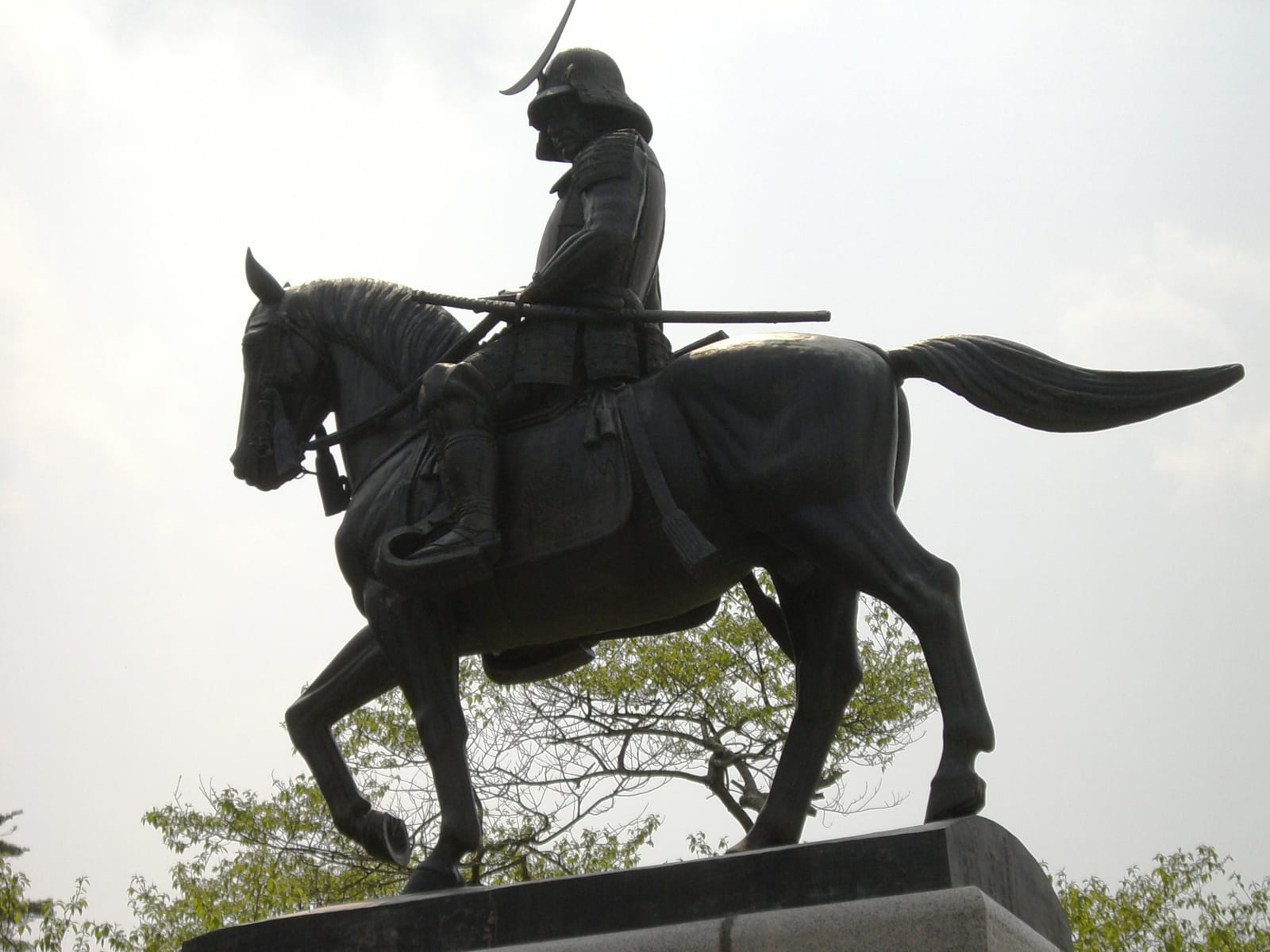
ja:青葉城の伊達政宗像。 en:Aobajyo's Date Masamune statue.
Tōru Komuro, Own work, Public domain, via Wikimedia Commons
Source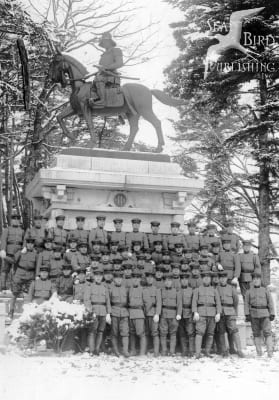
Japanese soldiers in front of the statue of Date Masamune that was placed in Aoba Castle , in May 1940
Unknown author Unknown author, http://www.grafixnpix.com/wwii/group4.jpg, Public domain, via Wikimedia Commons
SourceSources
Related Memorials
Võ Nguyên Giáp
Hanoi, Vietnam
A Memory Realm virtual memorial place honoring Võ Nguyên Giáp, remembered for Military strategy, Vietnamese history, Dien Bien Phu.
Vallabhbhai Patel
Ahmedabad, India
A Memory Realm virtual memorial place honoring Vallabhbhai Patel, remembered for Indian unification, Public administration, Independence movement.

U Thant
Yangon, Myanmar
A Memory Realm virtual memorial place honoring U Thant, remembered for United Nations, Diplomacy, Burmese public service.
Tyagaraja
Thanjavur, India
A Memory Realm virtual memorial place honoring Tyagaraja, remembered for Carnatic music, Devotional composition, Telugu lyrics.
Tunku Abdul Rahman
Kuala Lumpur, Malaysia
A Memory Realm virtual memorial place honoring Tunku Abdul Rahman, remembered for Malayan independence, Prime ministership, Public leadership.
Tulsidas
Varanasi, India
A Memory Realm virtual memorial place honoring Tulsidas, remembered for Ramcharitmanas, Hindi literature, Devotional poetry.