Virtual Memorial
Confucius
A Memory Realm virtual memorial place honoring Confucius, remembered for Philosophy, Confucianism, Chinese classics.
Why Confucius Is Remembered
Confucius is remembered for philosophy, confucianism, chinese classics. This public page gives visitors a concise starting point for understanding why this figure remains part of cultural, civic, scientific, or literary memory.
The page is designed as an accessible introduction rather than an exhaustive account, with source links and image credits kept visible for further reading.
A Virtual Memorial in Memory Realm
This Memory Realm memorial hall turns a map reference into a virtual place for discovery. Visitors can move from the public page to the map and then into a 3D memorial hall connected to Confucius.
The place is part of Memory Realm's virtual layer. It is not a physical marker and does not claim rights, control, access, endorsement, or affiliation connected to a real-world site.
Place Context
Qufu, Shandong, China is used as a broad spatial reference for this memorial hall because it is connected to Confucius's story, memory, or public legacy. The location is intentionally city-level or region-level so the page can provide orientation without implying a claim over a specific property or institution.
Historical Context
Confucius, born Kong Qiu, was a Chinese philosopher of the Spring and Autumn period who is traditionally considered the paragon of Chinese sages. Much of the shared cultural heritage of the Sinosphere originates in the philosophy and teachings of Confucius. His philosophical teachings, called Confucianism, emphasized personal and governmental morality, harmonious social relationships, righteousness, kindness, sincerity, and a ruler's responsibilities to lead by virtue.
Memory Realm presents this context for educational discovery and remembrance, with public source links and media attribution preserved alongside the page content.
Photos
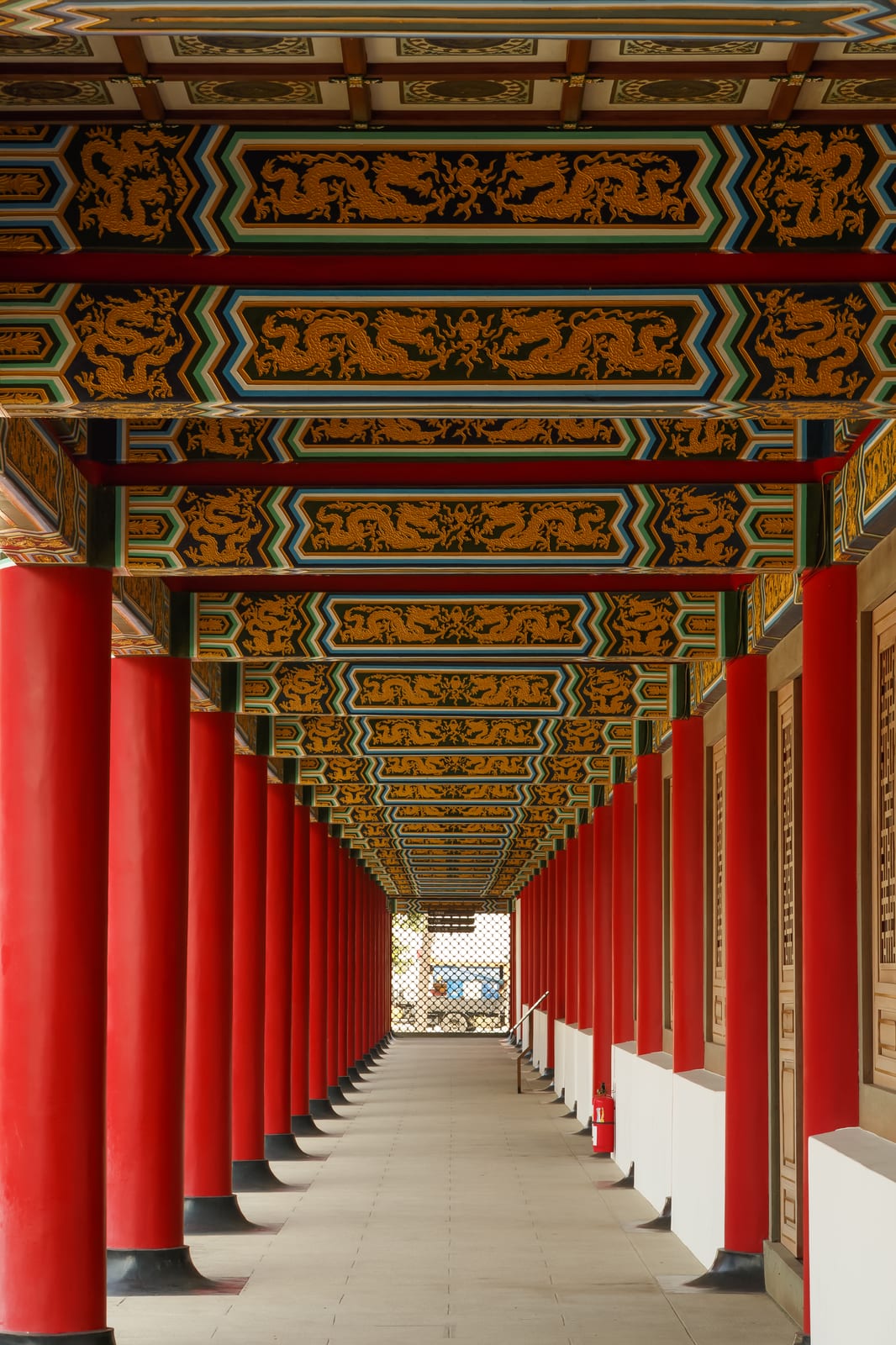
Kaohsiung, Taiwan: Colonnade of Kaohsiung Confucius Temple. Focus stacking of 5 pictures. Manually focussed with camera mounted on tripod.
CEphoto, Uwe Aranas, Own work, CC BY-SA 3.0, via Wikimedia Commons
Source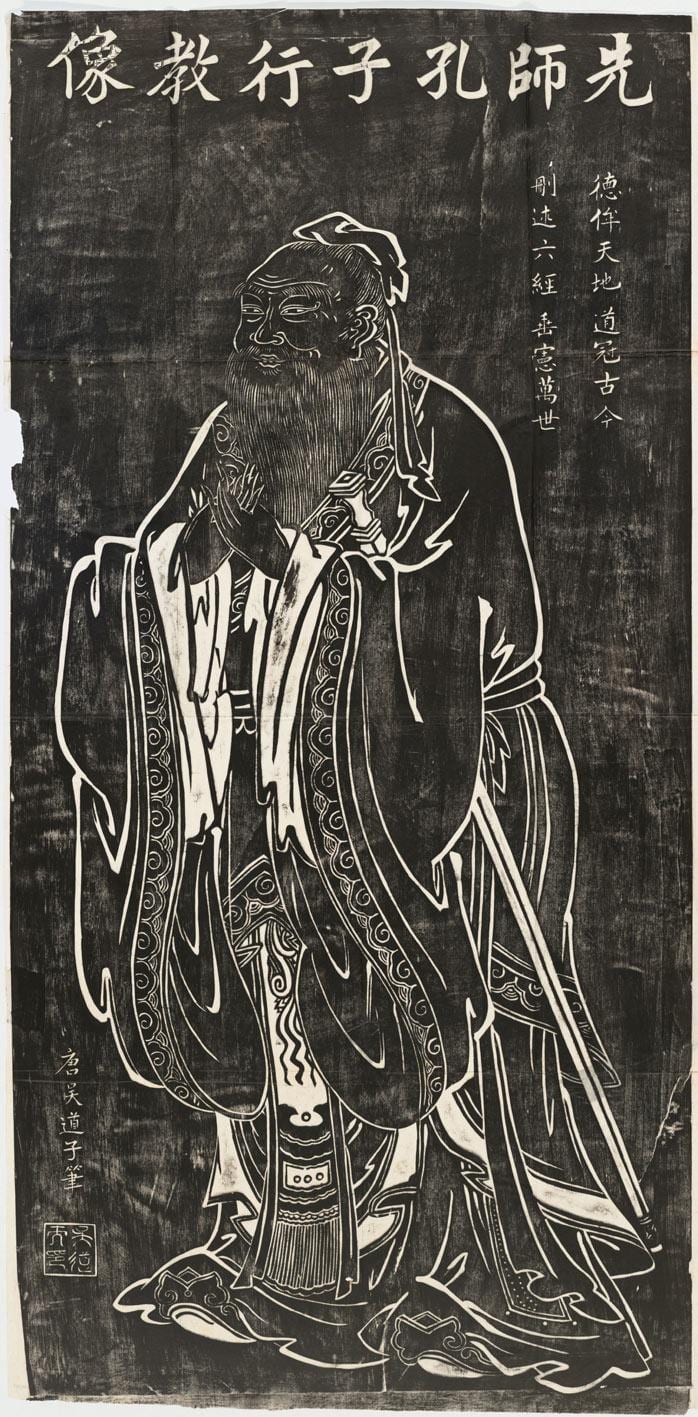
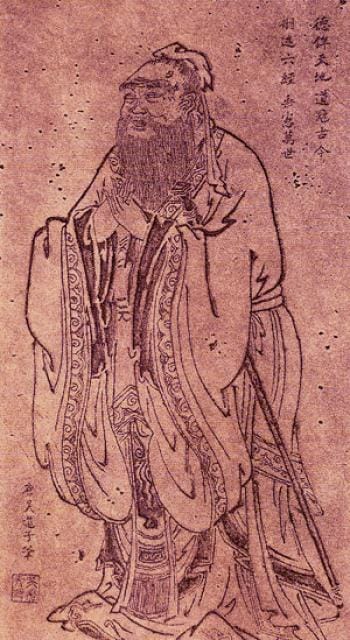
The teaching Confucius. Portrait by Wu Daozi , 685-758, Tang Dynasty.
Wu Daozi , 685-758, Tang Dynasty., http://sinocul.com/uploads/image/20170523/先师孔子行教像.jpg Alt: http://www.alamy.com/stock-photo-a-portrait-of-confucius-by-the-tang-dynasty-artist-wu-daozi-680740-104486869.html Alt2 in color: https://i.pinimg.com/originals/77/95
Source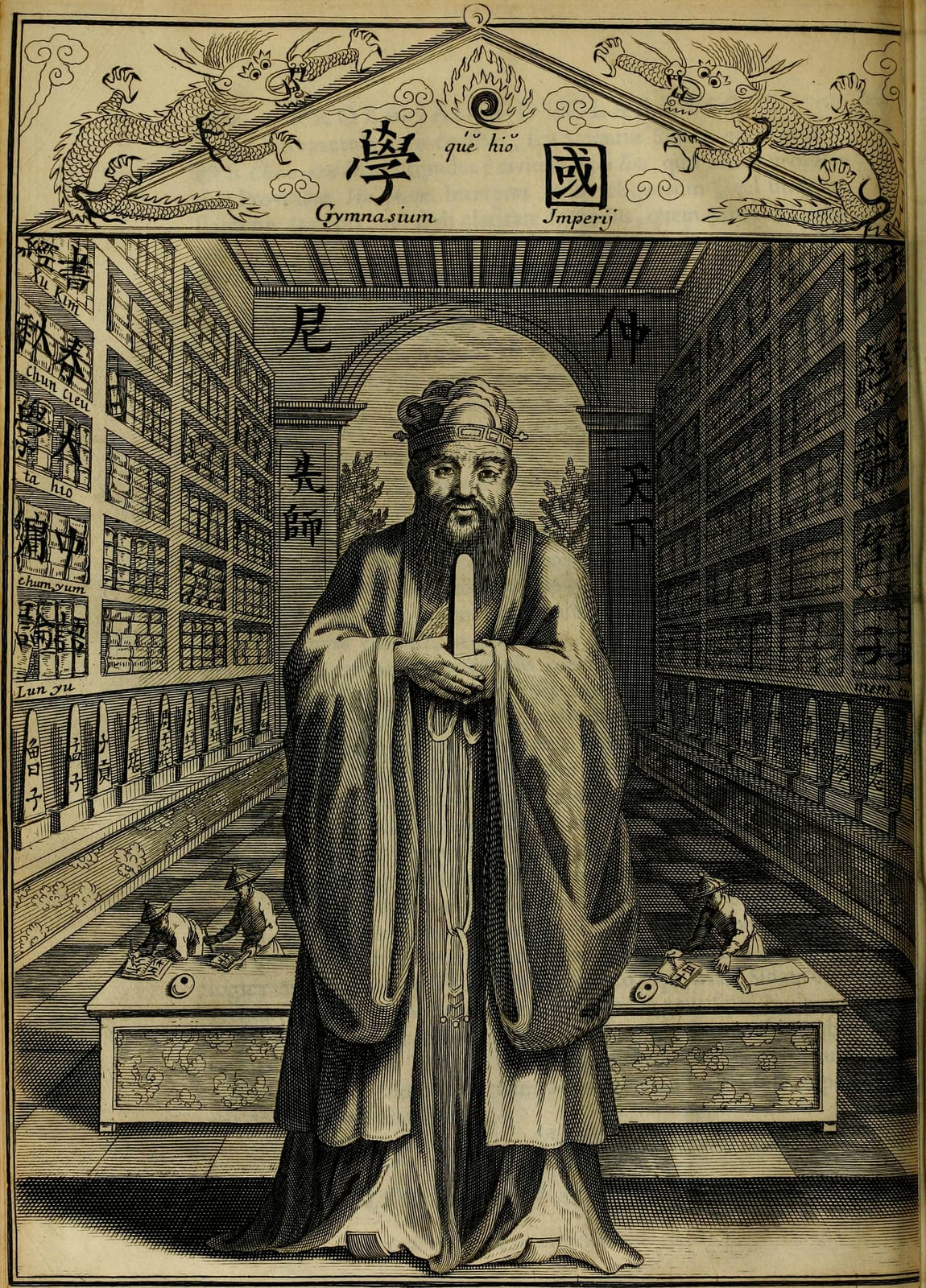
The portrait of Confucius from Confucius, Philosopher of the Chinese .
Anonymous Unknown author, Confucius Sinarum Philosophus at the Internet Archive, Public domain, via Wikimedia Commons
SourceSources
Related Memorials
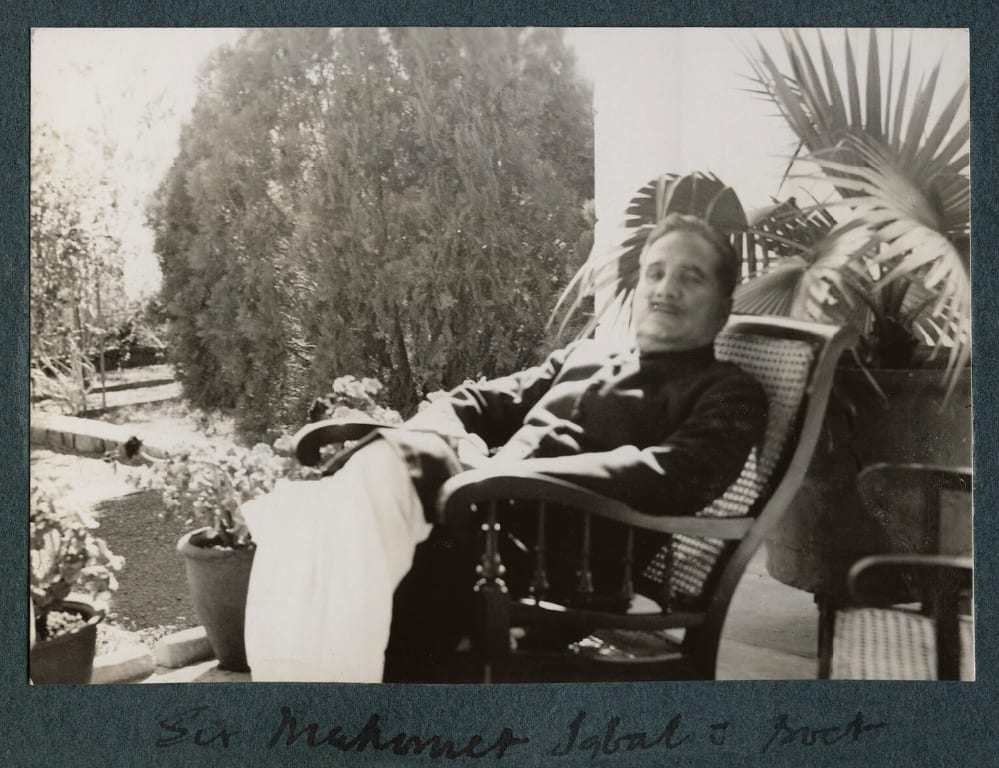
Muhammad Iqbal
Lahore, Pakistan
A Memory Realm virtual memorial place honoring Muhammad Iqbal, remembered for Urdu poetry, Philosophy, Pakistan movement.
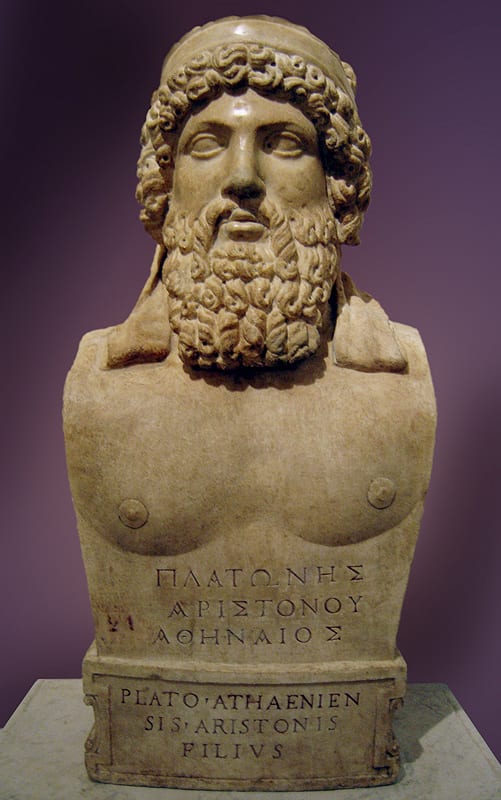
Plato
Athens, Greece
A Memory Realm virtual memorial place honoring Plato, remembered for Philosophy, Academy, Dialogues.
Giordano Bruno
Nola, Italy
A Memory Realm virtual memorial place honoring Giordano Bruno, remembered for Philosophy, Cosmology, Free thought.
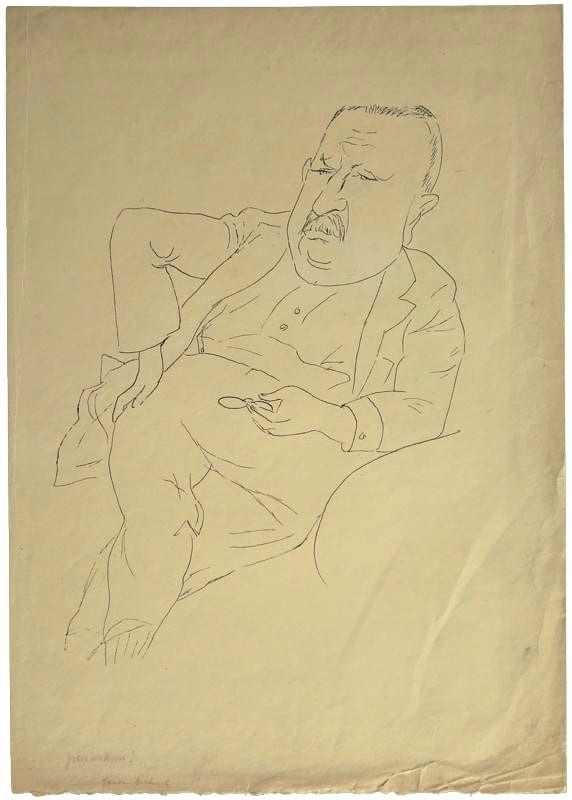
Benedetto Croce
Naples, Italy
A Memory Realm virtual memorial place honoring Benedetto Croce, remembered for Philosophy, Liberal thought, Aesthetics.
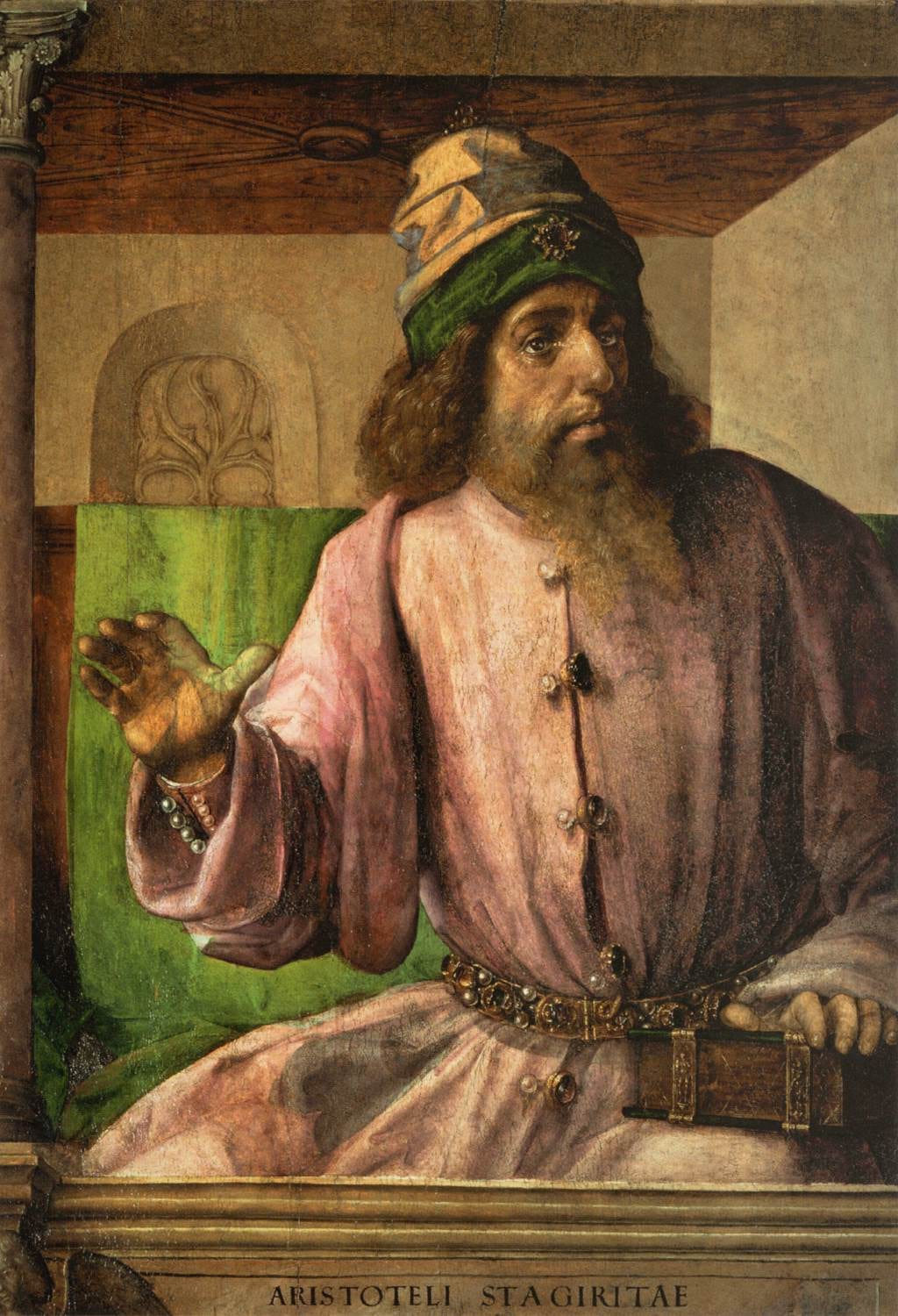
Aristotle
Athens, Greece
A Memory Realm virtual memorial place honoring Aristotle, remembered for Philosophy, Logic, Lyceum.
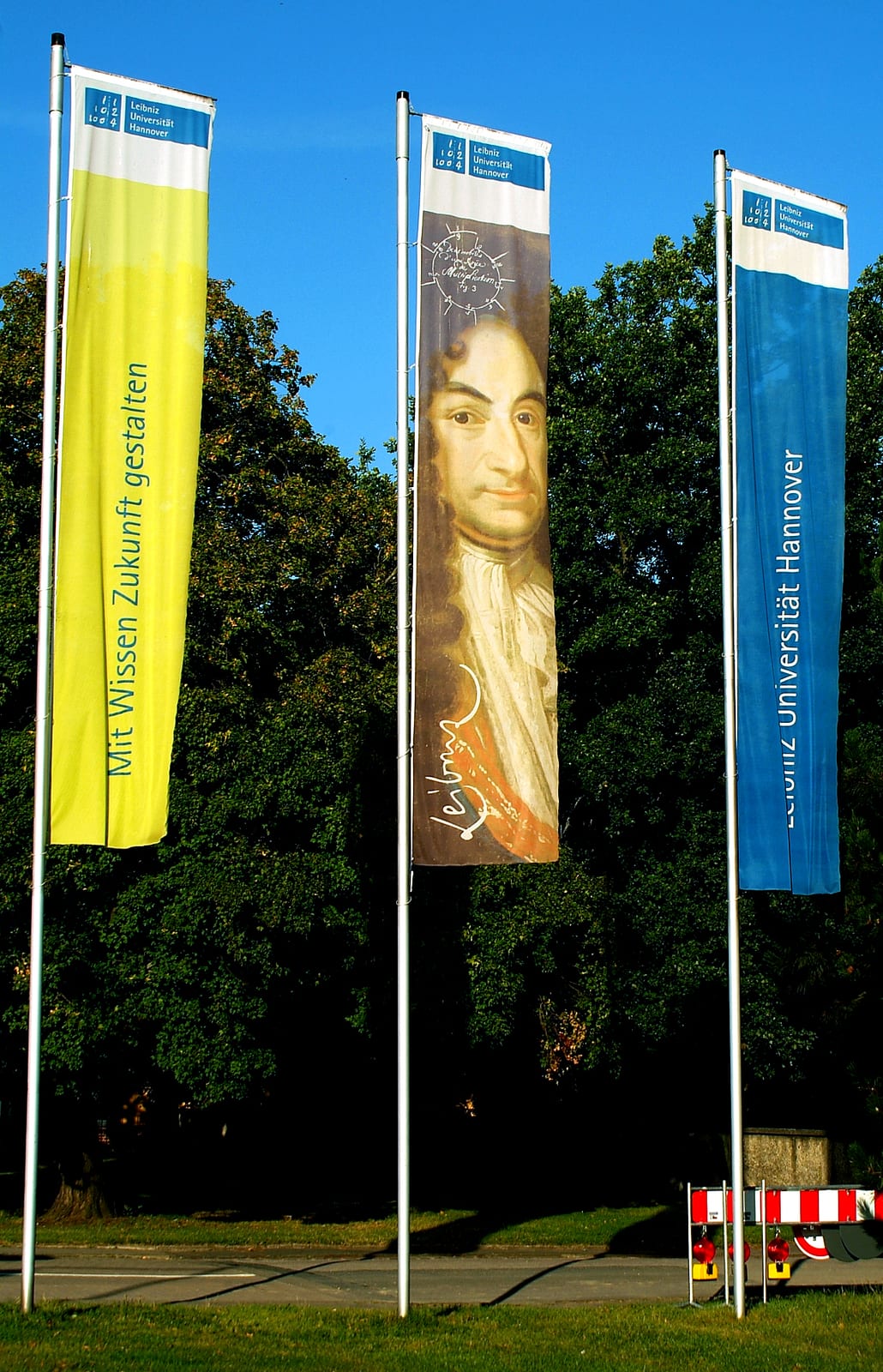
Gottfried Wilhelm Leibniz
Hanover, Germany
A Memory Realm virtual memorial place honoring Gottfried Wilhelm Leibniz, remembered for Calculus, Philosophy, Universal language.