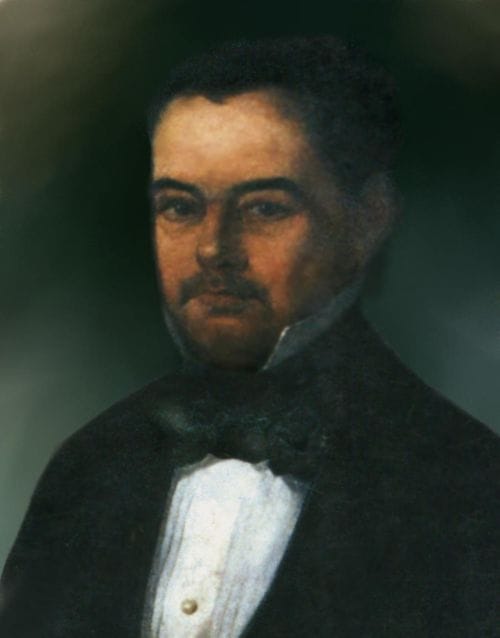
Virtual Memorial
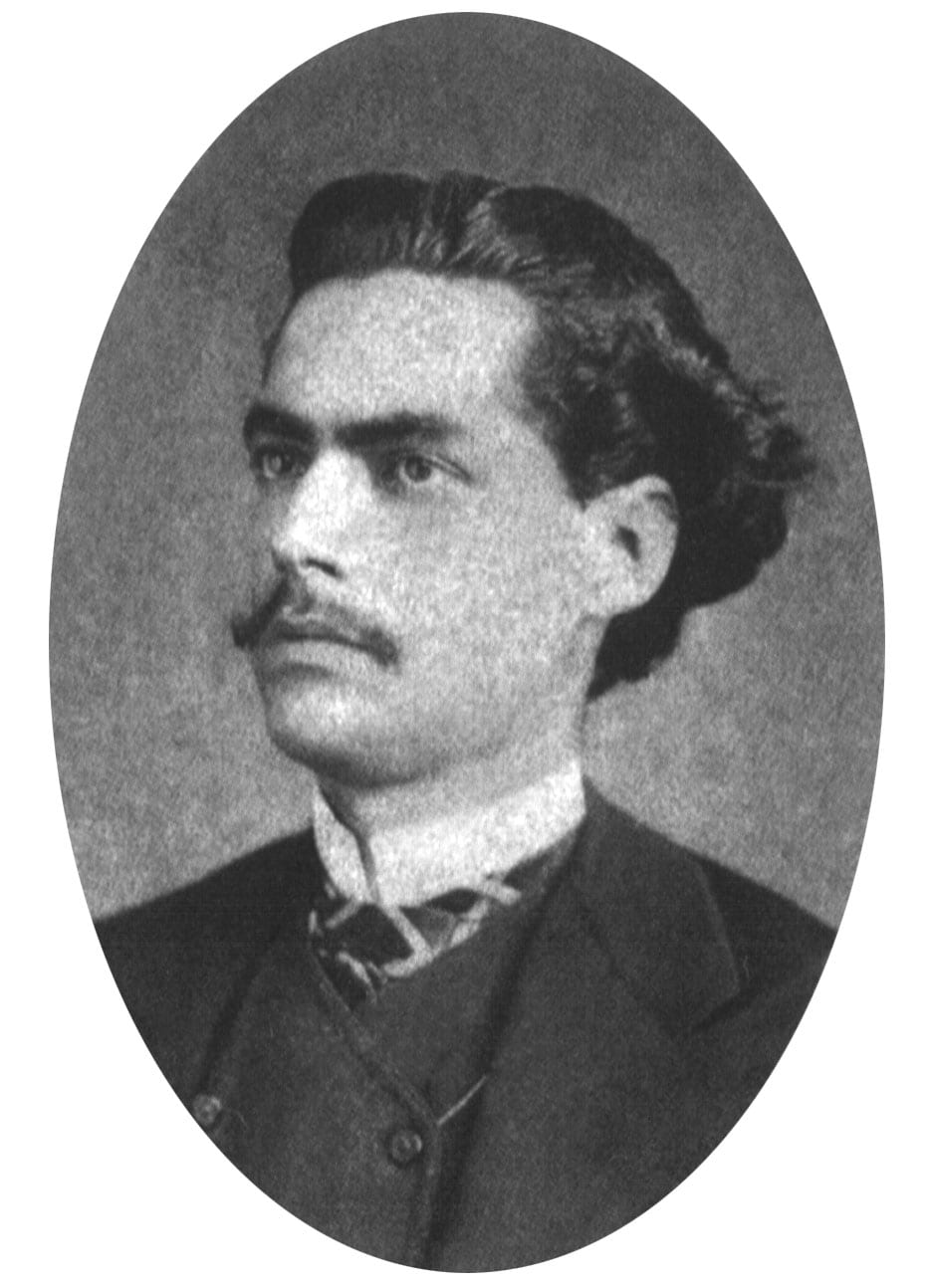
Castro Alves
A Memory Realm virtual memorial place honoring Castro Alves, remembered for Abolitionist poetry, Romantic literature, Brazilian civic memory.
Why Castro Alves Is Remembered
Castro Alves is remembered for abolitionist poetry, romantic literature, brazilian civic memory. This public page gives visitors a concise starting point for understanding why this figure remains part of cultural, civic, scientific, or literary memory.
The page is designed as an accessible introduction rather than an exhaustive account, with source links and image credits kept visible for further reading.
A Virtual Memorial in Memory Realm
This Memory Realm memorial hall turns a map reference into a virtual place for discovery. Visitors can move from the public page to the map and then into a 3D memorial hall connected to Castro Alves.
The place is part of Memory Realm's virtual layer. It is not a physical marker and does not claim rights, control, access, endorsement, or affiliation connected to a real-world site.
Place Context
Salvador, Bahia, Brazil is used as a broad spatial reference for this memorial hall because it is connected to Castro Alves's story, memory, or public legacy. The location is intentionally city-level or region-level so the page can provide orientation without implying a claim over a specific property or institution.
Historical Context
Antônio Frederico de Castro Alves was a Brazilian poet and playwright famous for his abolitionist and republican poems. One of the most famous poets of the Condorist movement, he wrote classics such as Espumas Flutuantes and Hinos do Equador, which elevated him to the position of greatest among his contemporaries, as well as verses from poems such as "Os Escravos" and "A Cachoeira de Paulo Afonso", in addition to the play Gonzaga, which earned him epithets such as "O Poeta dos Escravos" and "republican poet" by Machado de Assis, or descriptions of being "a national poet, if not more, nationalist, social, human and humanitarian poet", in the words of Joaquim Nabuco, of being "the greatest Brazilian poet, lyric and epic", in the words of Afrânio Peixoto, or even of being the "walking apostle of Condorism" and "a volcanic talent, the most enraptured of all Brazilian poets", in the words of José Marques da Cruz. He was part of the romantic movement, being part of what scholars call the "third romantic generation" in Brazil.
Memory Realm presents this context for educational discovery and remembrance, with public source links and media attribution preserved alongside the page content.
Photos
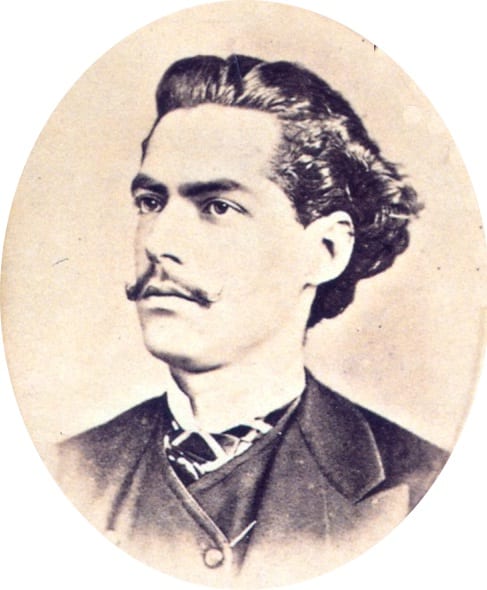
Castro ALves, c.1870
Alberto Henschel, Vasquez, Pedro Karp. O Brasil na fotografia oitocentista . São Paulo: Metalivros, 2003. ISBN 85-85371-49-8, Public domain, via Wikimedia Commons
Source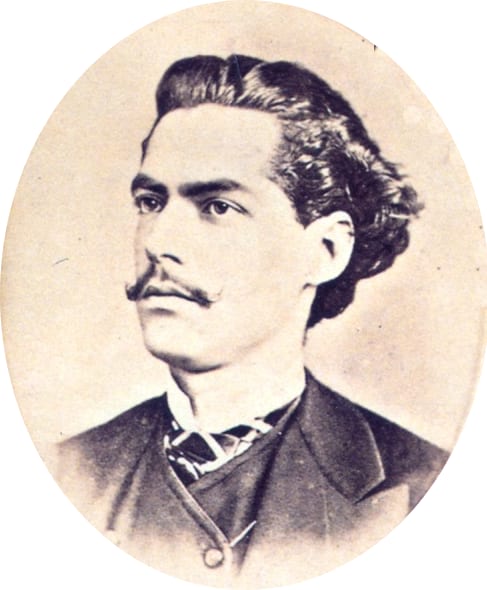
IMG_20210914_175755_929
Alberto Henschel, This file was derived from: Castro Alves.jpg :, Public domain, via Wikimedia Commons
Source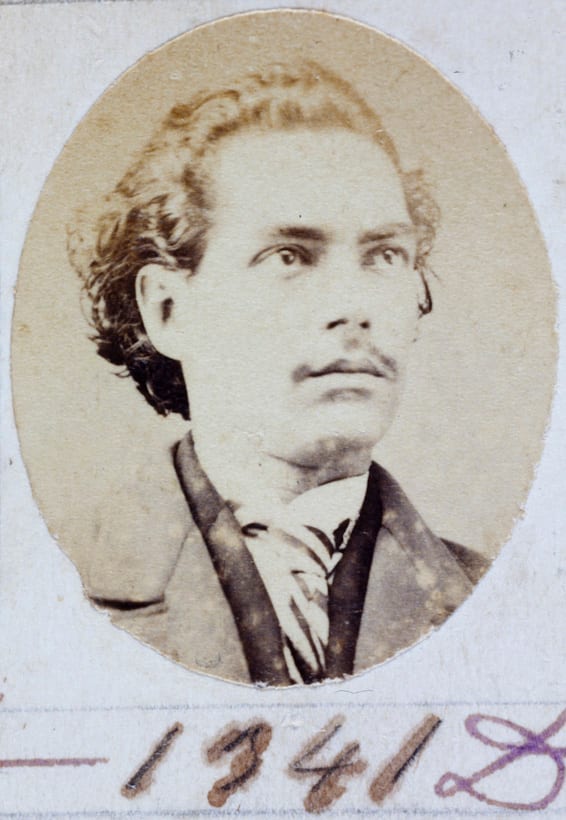
Obra que integra o acervo do Museu Paulista da USP. Coleção Militão Augusto de Azevedo.
José Rosael/HélioNobre/Museu Paulista da USP, Museu Paulista, Public domain, via Wikimedia Commons
SourceSources
Related Memorials
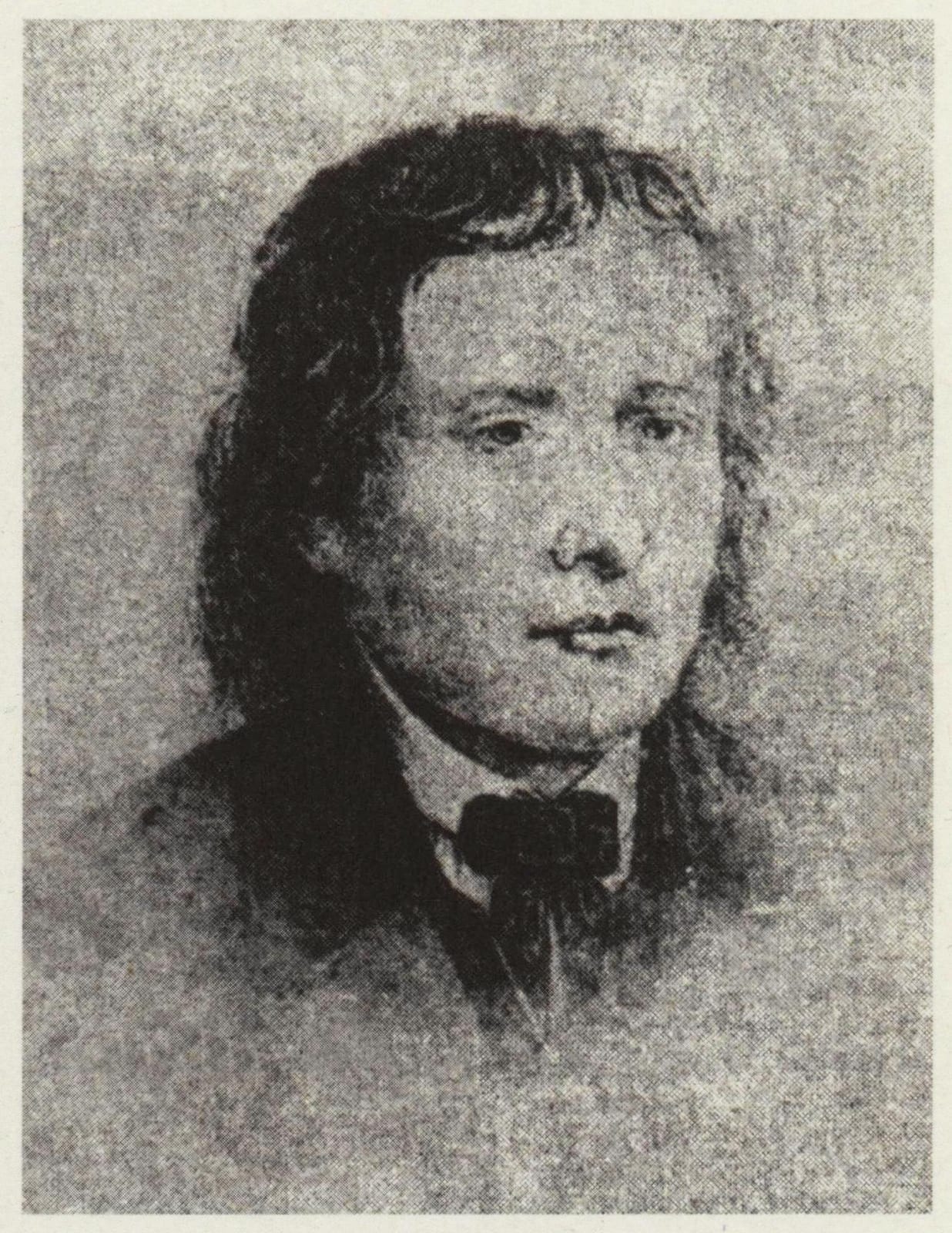
France Prešeren
Ljubljana, Slovenia
A Memory Realm virtual memorial place honoring France Prešeren, remembered for Slovene poetry, Romantic literature, National literature.
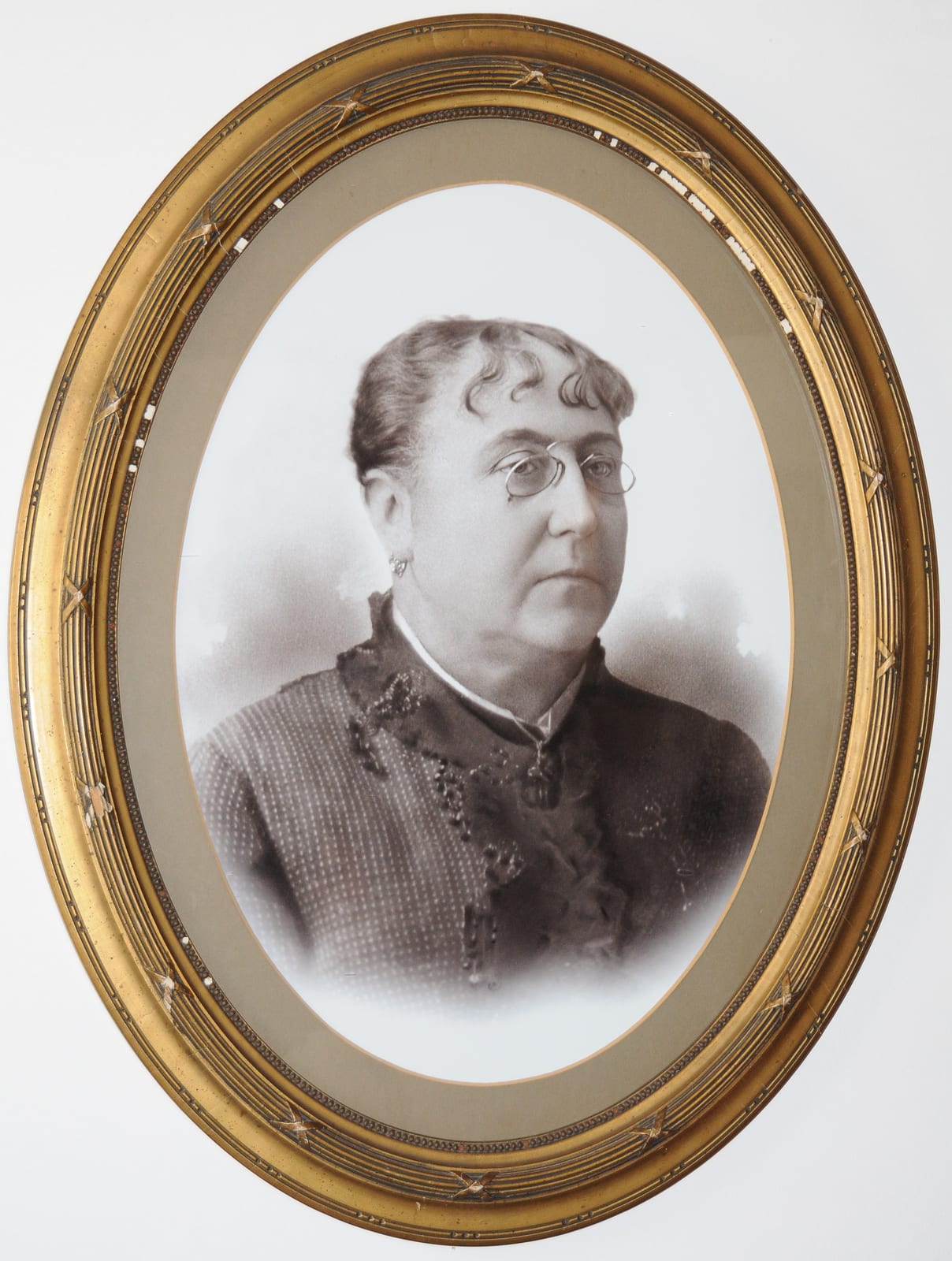
Camilo Castelo Branco
Porto, Portugal
A Memory Realm virtual memorial place honoring Camilo Castelo Branco, remembered for Portuguese novels, Amor de Perdicao, Romantic literature.
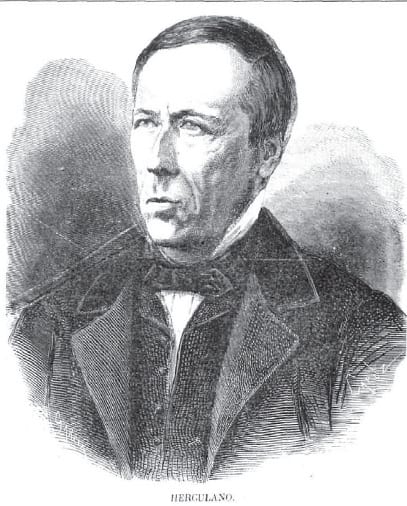
Alexandre Herculano
Lisbon, Portugal
A Memory Realm virtual memorial place honoring Alexandre Herculano, remembered for Portuguese historiography, Romantic literature, Liberal thought.
Võ Nguyên Giáp
Hanoi, Vietnam
A Memory Realm virtual memorial place honoring Võ Nguyên Giáp, remembered for Military strategy, Vietnamese history, Dien Bien Phu.
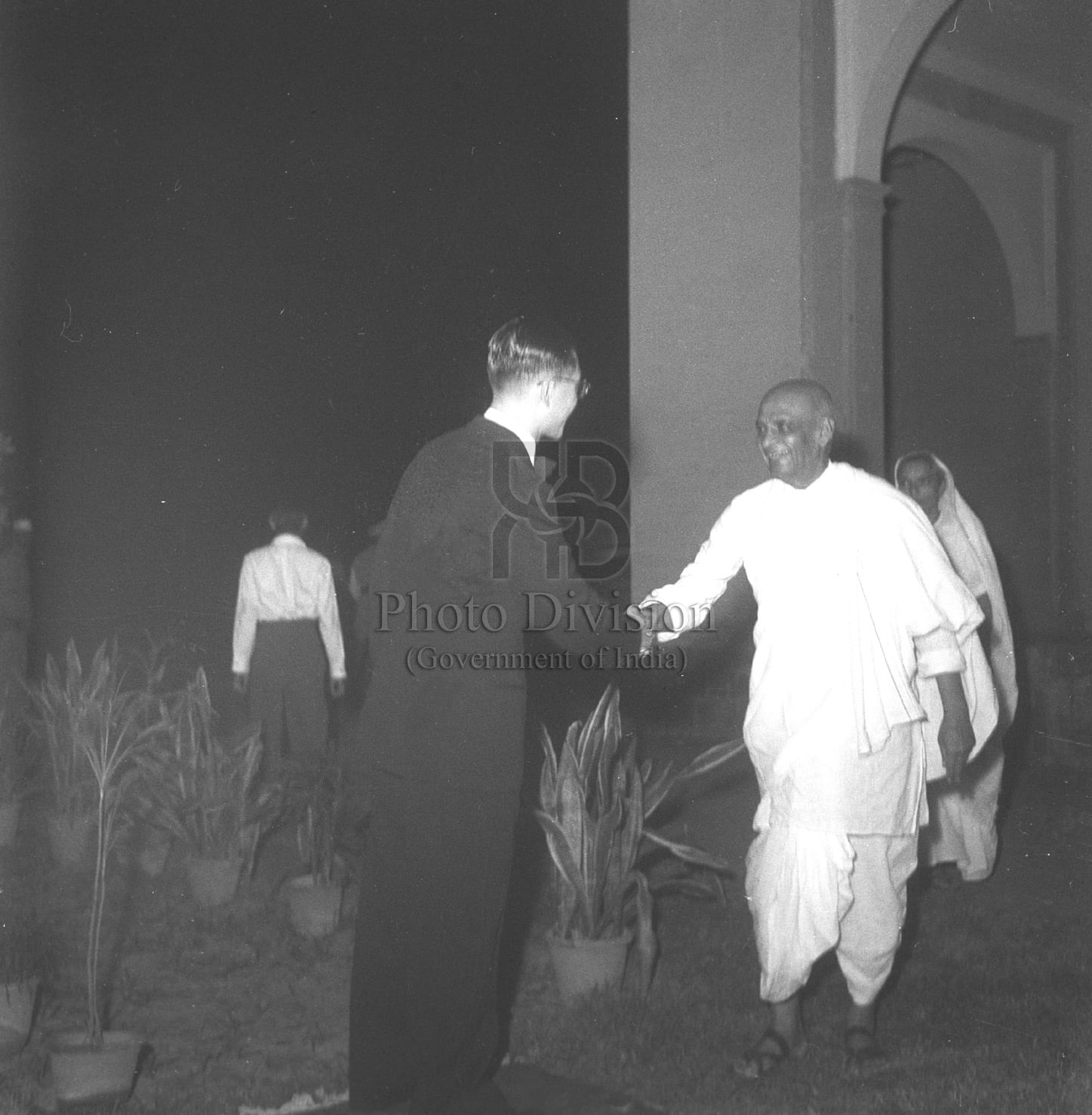
Vallabhbhai Patel
Ahmedabad, India
A Memory Realm virtual memorial place honoring Vallabhbhai Patel, remembered for Indian unification, Public administration, Independence movement.

U Thant
Yangon, Myanmar
A Memory Realm virtual memorial place honoring U Thant, remembered for United Nations, Diplomacy, Burmese public service.