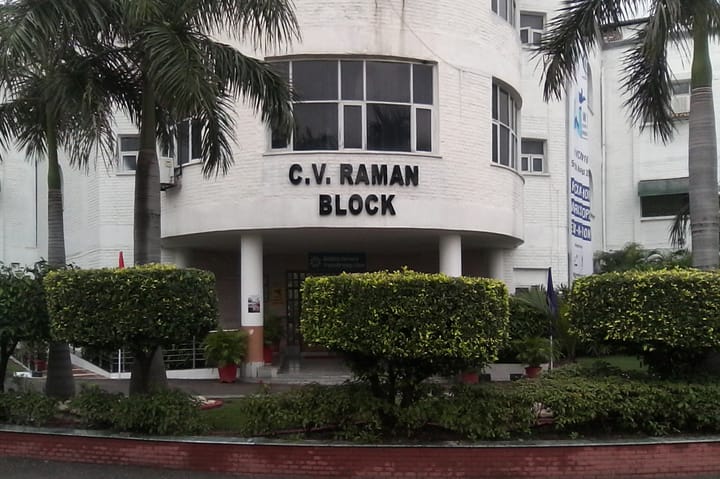
Virtual Memorial
C. V. Raman
A Memory Realm virtual memorial place honoring C. V. Raman, remembered for Raman effect, Physics, Nobel Prize.
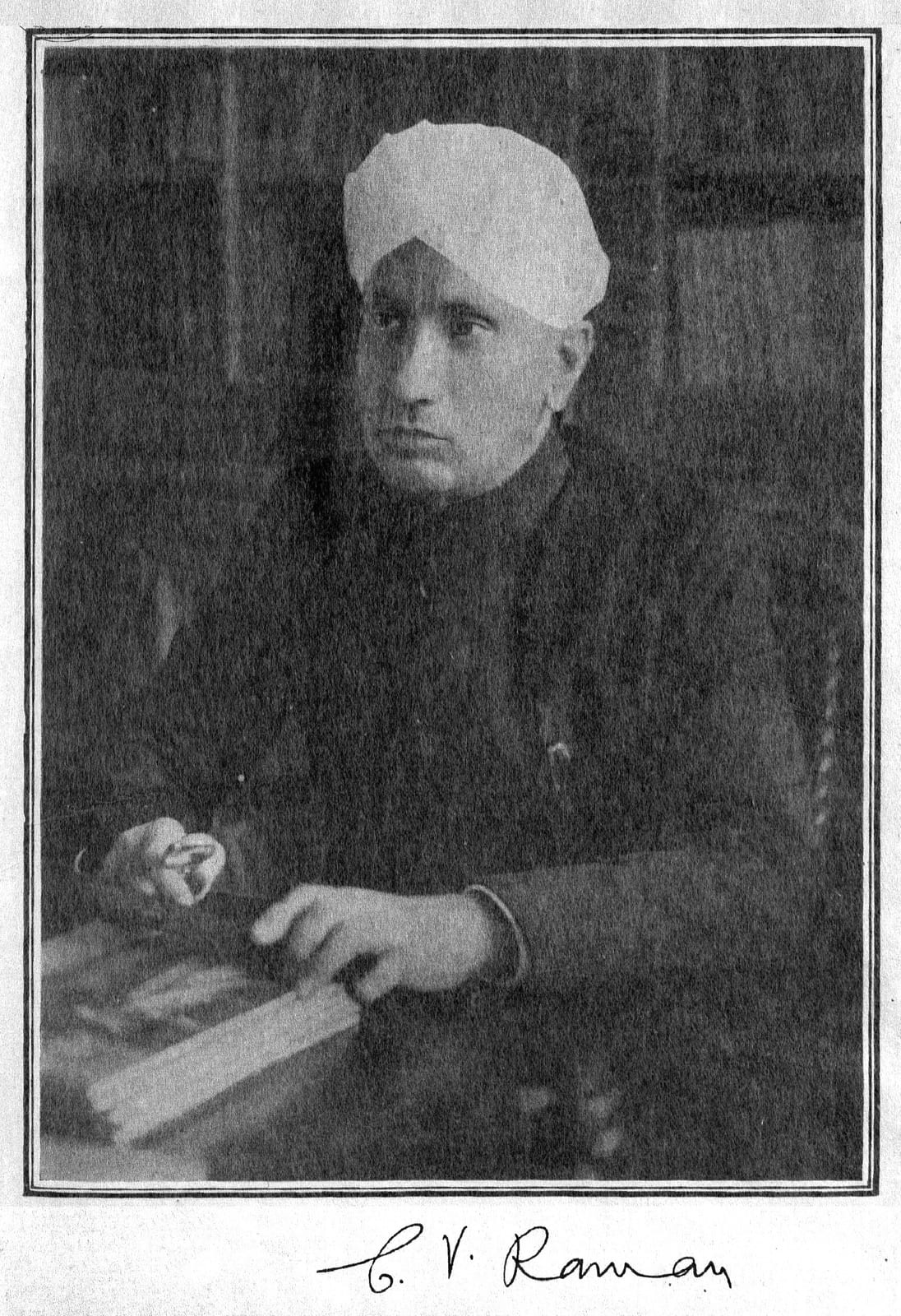
Why C. V. Raman Is Remembered
C. V. Raman is remembered for raman effect, physics, nobel prize. This public page gives visitors a concise starting point for understanding why this figure remains part of cultural, civic, scientific, or literary memory.
The page is designed as an accessible introduction rather than an exhaustive account, with source links and image credits kept visible for further reading.
A Virtual Memorial in Memory Realm
This Memory Realm memorial hall turns a map reference into a virtual place for discovery. Visitors can move from the public page to the map and then into a 3D memorial hall connected to C. V. Raman.
The place is part of Memory Realm's virtual layer. It is not a physical marker and does not claim rights, control, access, endorsement, or affiliation connected to a real-world site.
Place Context
Bengaluru, India is used as a broad spatial reference for this memorial hall because it is connected to C. V. Raman's story, memory, or public legacy. The location is intentionally city-level or region-level so the page can provide orientation without implying a claim over a specific property or institution.
Historical Context
Chandrasekhara Venkata Raman was an Indian physicist known for his work in the field of light scattering. Using a spectrograph that he developed, he and his student K. S. Krishnan discovered that when light traverses a transparent material, the deflected light changes its wavelength. This phenomenon, a hitherto unknown type of scattering of light they called modified scattering, was subsequently termed the Raman effect or Raman scattering. In 1930, Raman received the Nobel Prize in Physics "for his work on the scattering of light and for the discovery of the effect named after him" and became the first Asian and non-White person to receive a Nobel Prize in Physics.
Memory Realm presents this context for educational discovery and remembrance, with public source links and media attribution preserved alongside the page content.
Photos
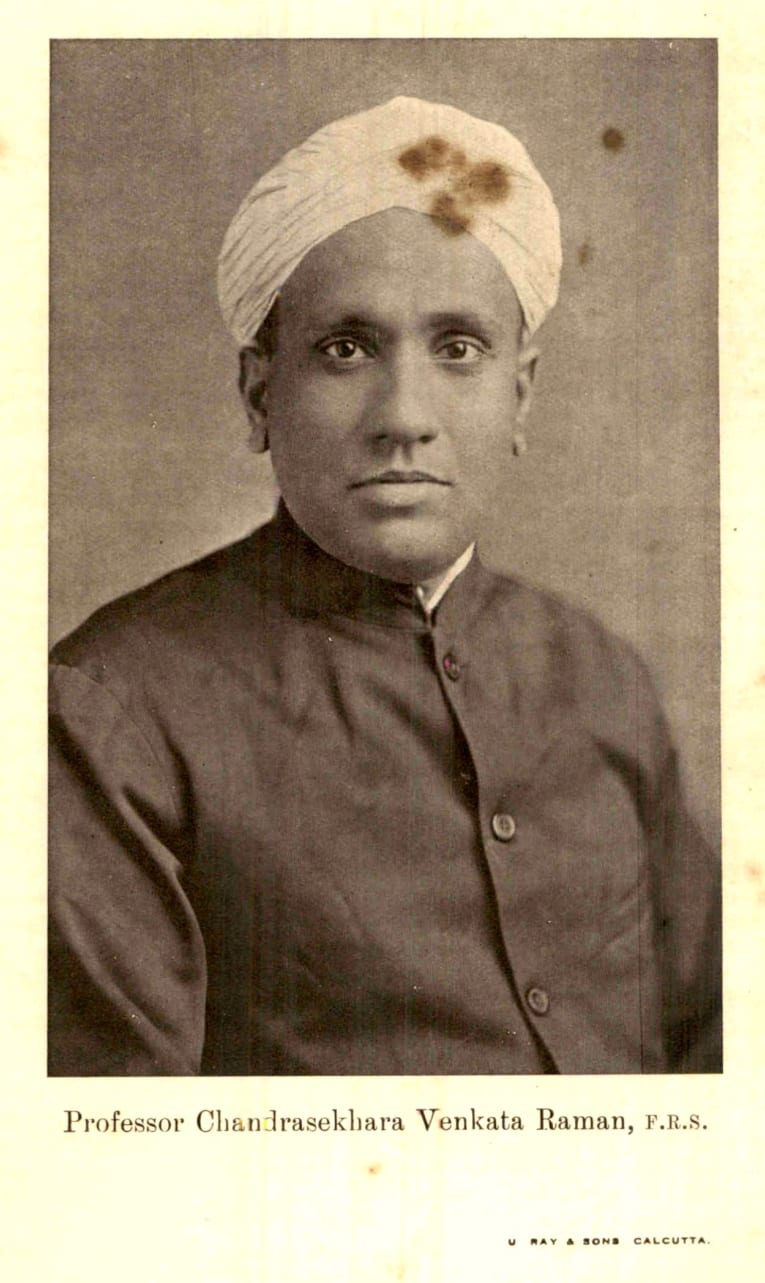
C V Raman
Unknown author Unknown author, The Modern Review. March 1924, Public domain, via Wikimedia Commons
Source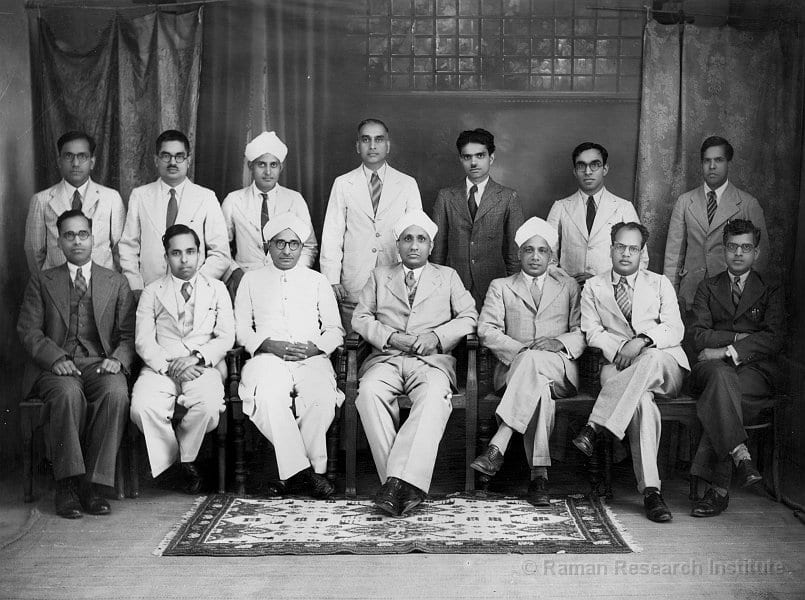
C V Raman and other scientists of the IACS c. 1929. Sitting (left to right) : A.S. Ganesan, L.A. Ramdas, K.S. Krishnan, C.V. Raman, K.R. Ramanathan, S. Venkateswaran, S.S. Moorthy
Unknown author Unknown author, Raman Research Institute Archives, Public domain, via Wikimedia Commons
Source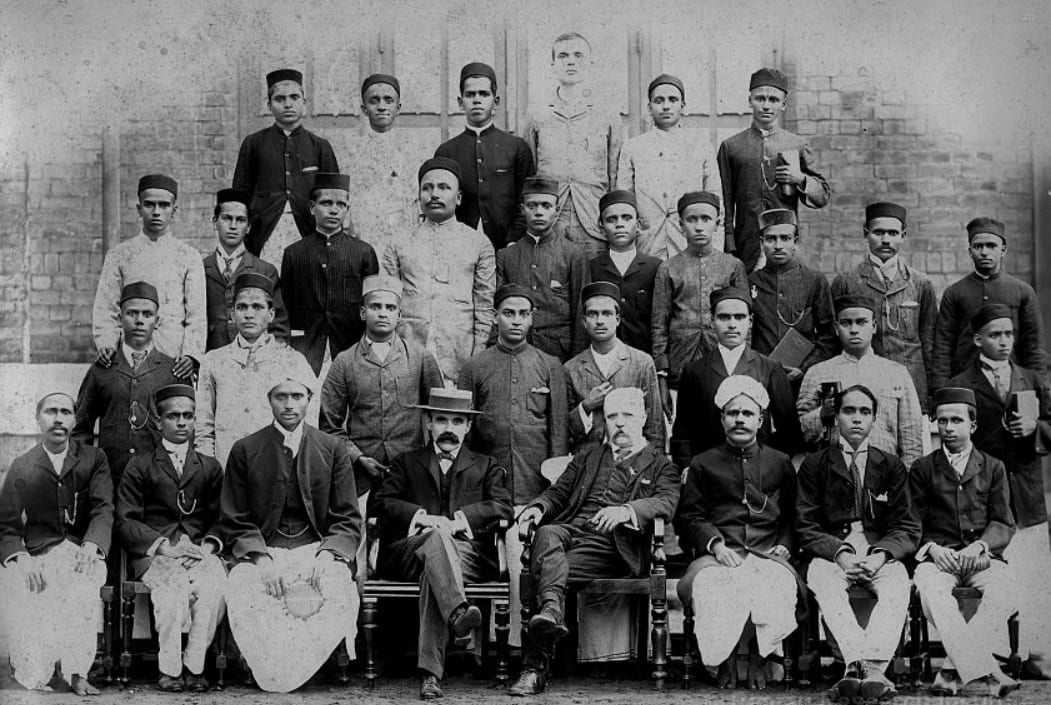
BA class of 1903, Presidency College, Madras. C. V. Raman is seen in the second row from the top, fourth from the right
Unknown, https://wwws.rri.res.in/photogallery/Group%20Photos%20and%20Raman%20Album%20-%201/index.html#, Public domain, via Wikimedia Commons
SourceSources
Related Memorials
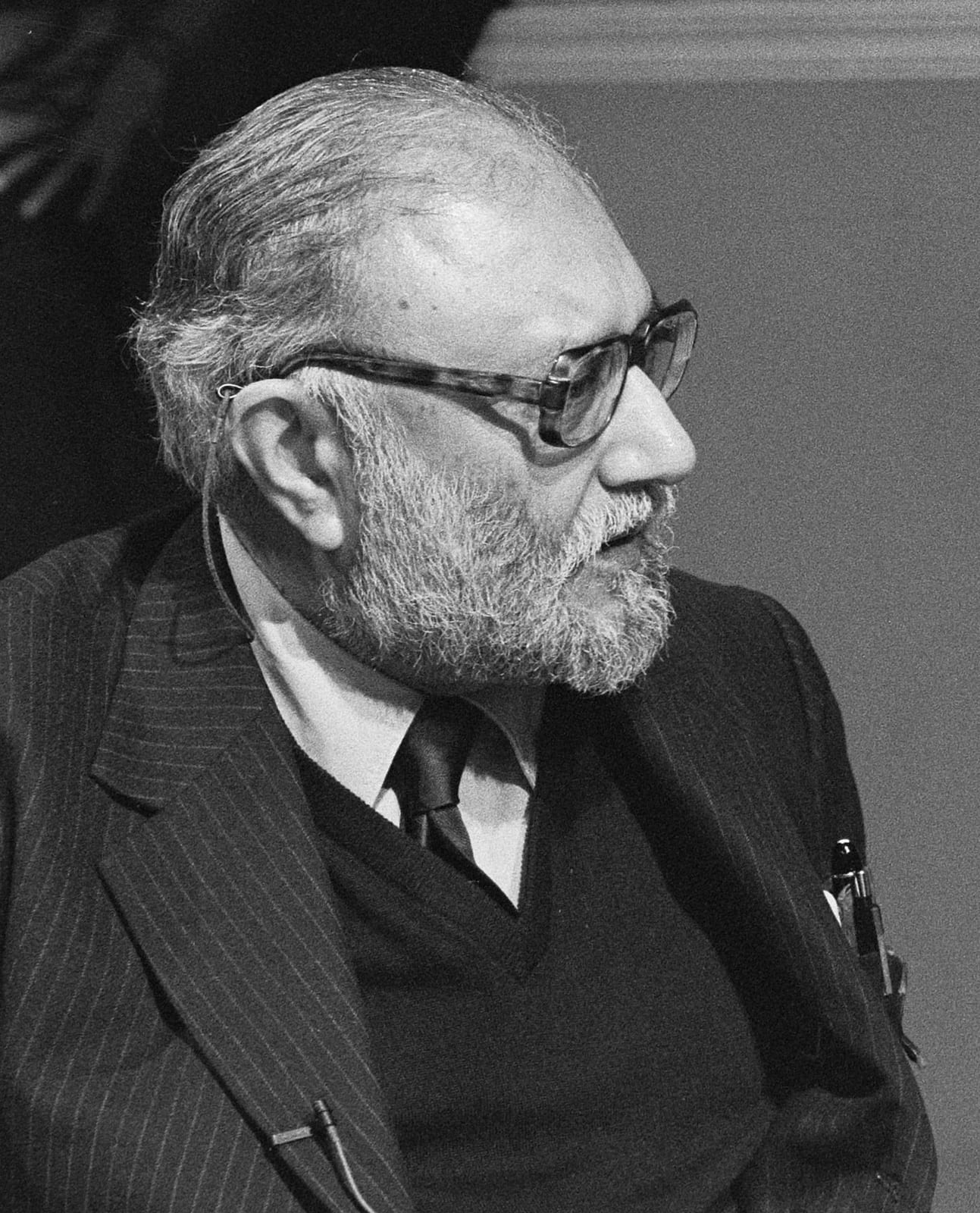
Abdus Salam
Lahore, Pakistan
A Memory Realm virtual memorial place honoring Abdus Salam, remembered for Theoretical physics, Nobel Prize, Electroweak theory.
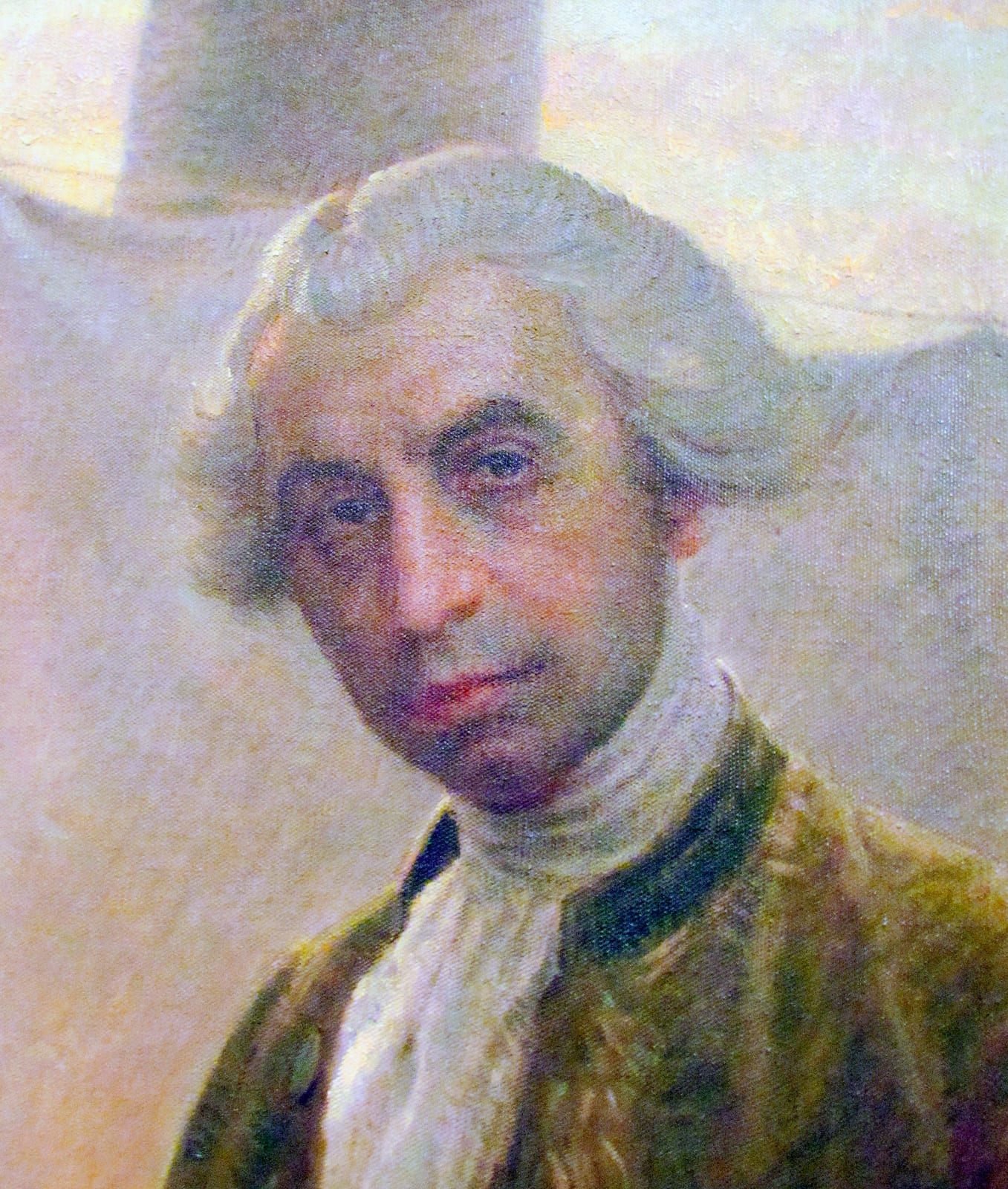
Ruđer Bošković
Dubrovnik, Croatia
A Memory Realm virtual memorial place honoring Ruđer Bošković, remembered for Physics, Astronomy, Jesuit scholarship.

Evangelista Torricelli
Florence, Italy
A Memory Realm virtual memorial place honoring Evangelista Torricelli, remembered for Barometer, Physics, Mathematics.
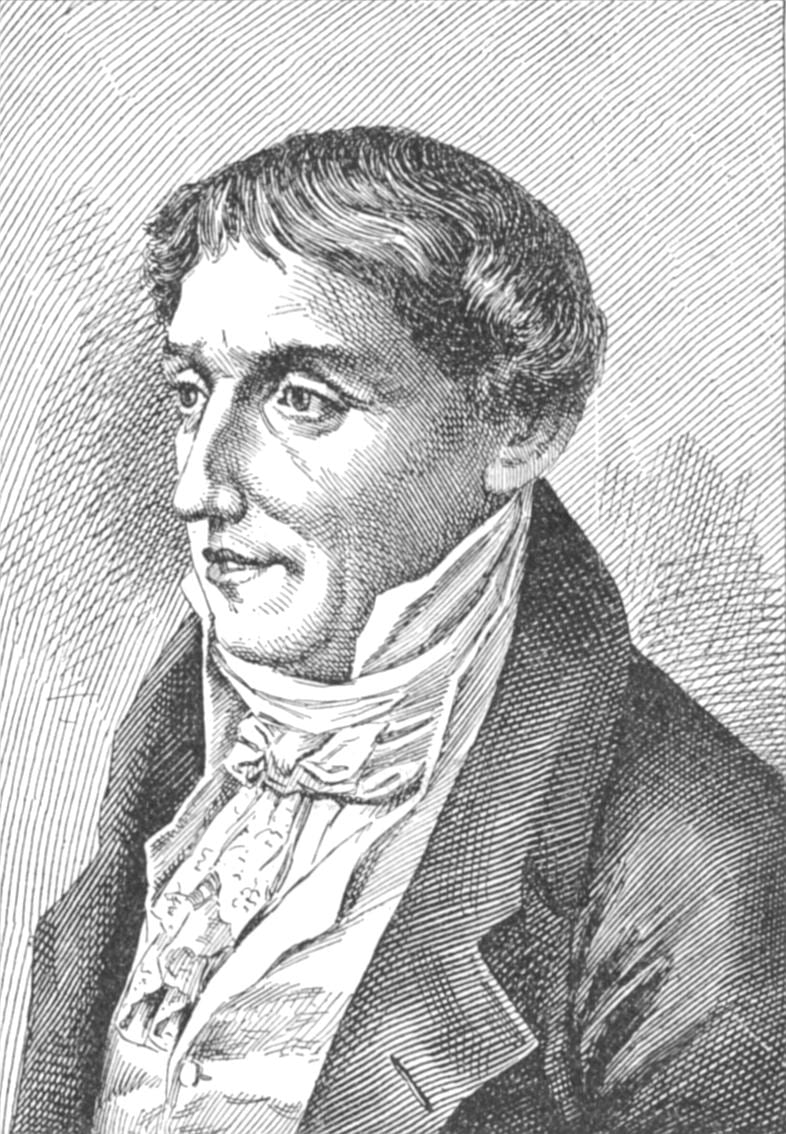
Alessandro Volta
Como, Italy
A Memory Realm virtual memorial place honoring Alessandro Volta, remembered for Electric battery, Physics, Voltaic pile.
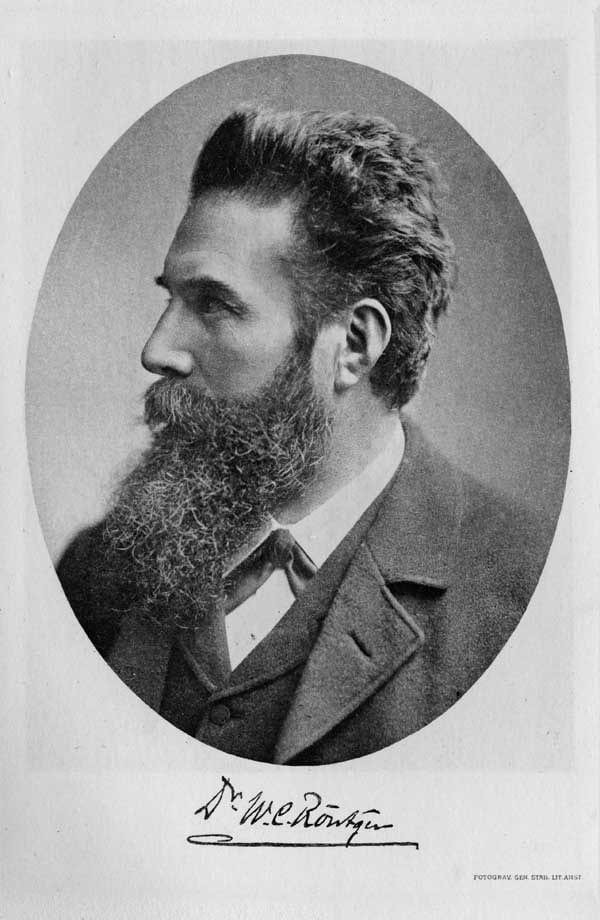
Wilhelm Conrad Röntgen
Würzburg, Germany
A Memory Realm virtual memorial place honoring Wilhelm Conrad Röntgen, remembered for X-rays, Physics, First Nobel Prize in Physics.
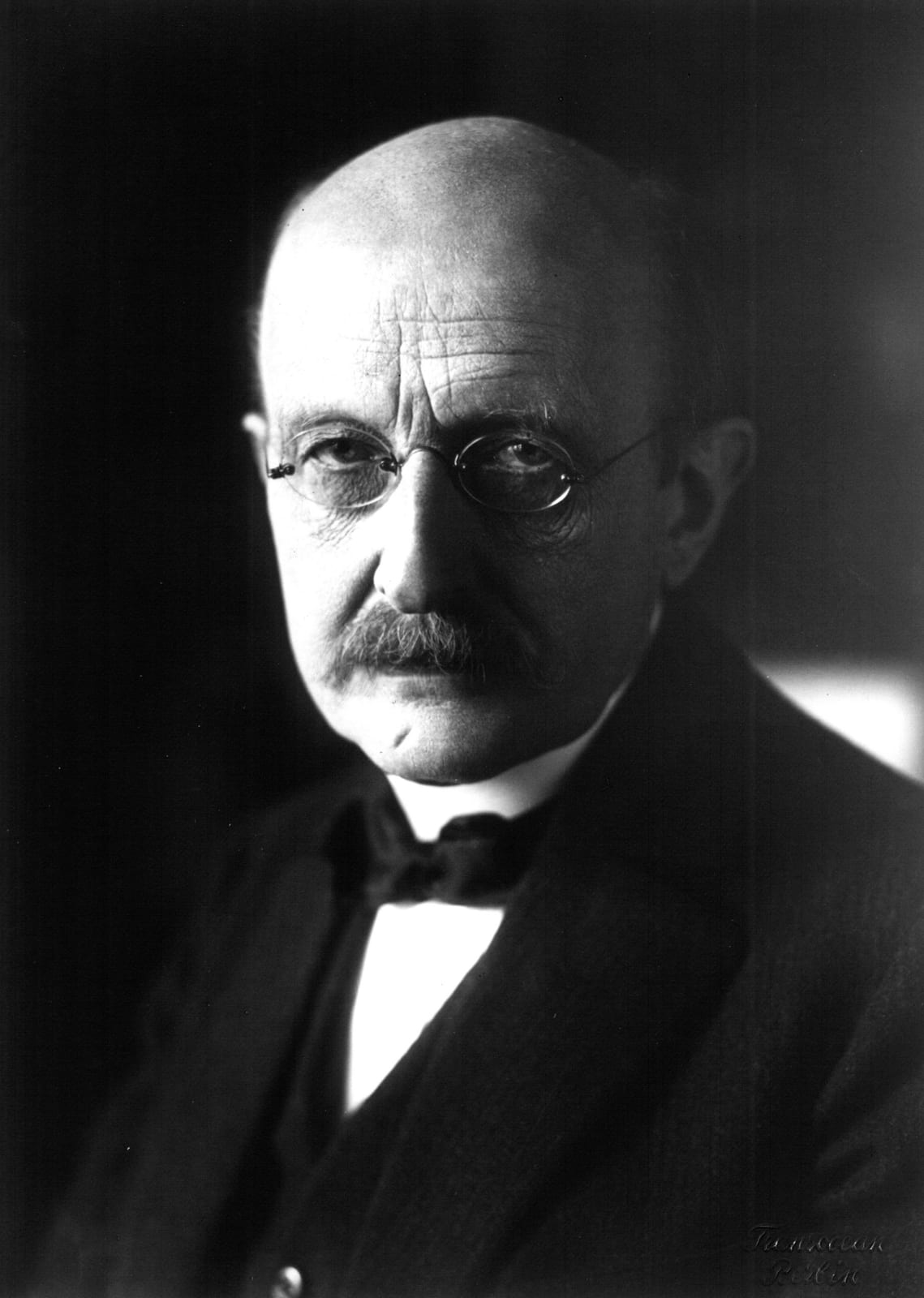
Max Planck
Berlin, Germany
A Memory Realm virtual memorial place honoring Max Planck, remembered for Quantum theory, Physics, Planck constant.