Virtual Memorial
Alexander the Great
A Memory Realm virtual memorial place honoring Alexander the Great, remembered for Macedonian empire, Hellenistic world, Military campaigns.
Why Alexander the Great Is Remembered
Alexander the Great is remembered for macedonian empire, hellenistic world, military campaigns. This public page gives visitors a concise starting point for understanding why this figure remains part of cultural, civic, scientific, or literary memory.
The page is designed as an accessible introduction rather than an exhaustive account, with source links and image credits kept visible for further reading.
A Virtual Memorial in Memory Realm
This Memory Realm memorial hall turns a map reference into a virtual place for discovery. Visitors can move from the public page to the map and then into a 3D memorial hall connected to Alexander the Great.
The place is part of Memory Realm's virtual layer. It is not a physical marker and does not claim rights, control, access, endorsement, or affiliation connected to a real-world site.
Place Context
Thessaloniki, Greece is used as a broad spatial reference for this memorial hall because it is connected to Alexander the Great's story, memory, or public legacy. The location is intentionally city-level or region-level so the page can provide orientation without implying a claim over a specific property or institution.
Historical Context
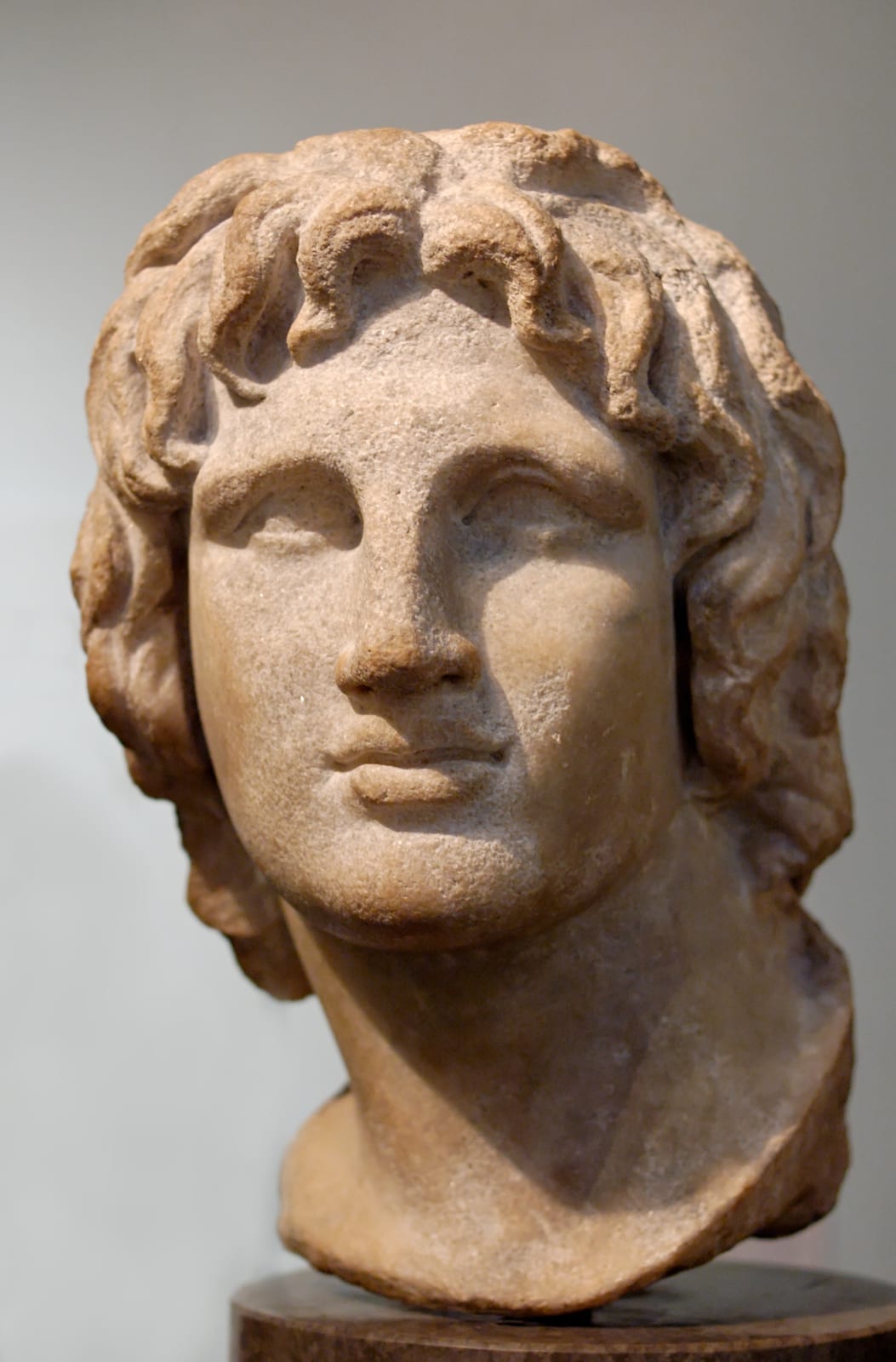
Alexander III of Macedon, most commonly known as Alexander the Great, was king of the ancient Greek kingdom of Macedon from 336 BC until his death. He was the son of Philip II, born to him by his fourth wife, Olympias, and ascended to the throne at the age of 20 after Philip was assassinated. Alexander spent most of his reign conducting a lengthy military campaign throughout Asia and Egypt, and by the age of 30, he had created one of the largest empires in history, stretching from Greece to northwestern India. He was undefeated in battle and is widely considered to be one of history's greatest and most successful military commanders.
Memory Realm presents this context for educational discovery and remembrance, with public source links and media attribution preserved alongside the page content.
Photos
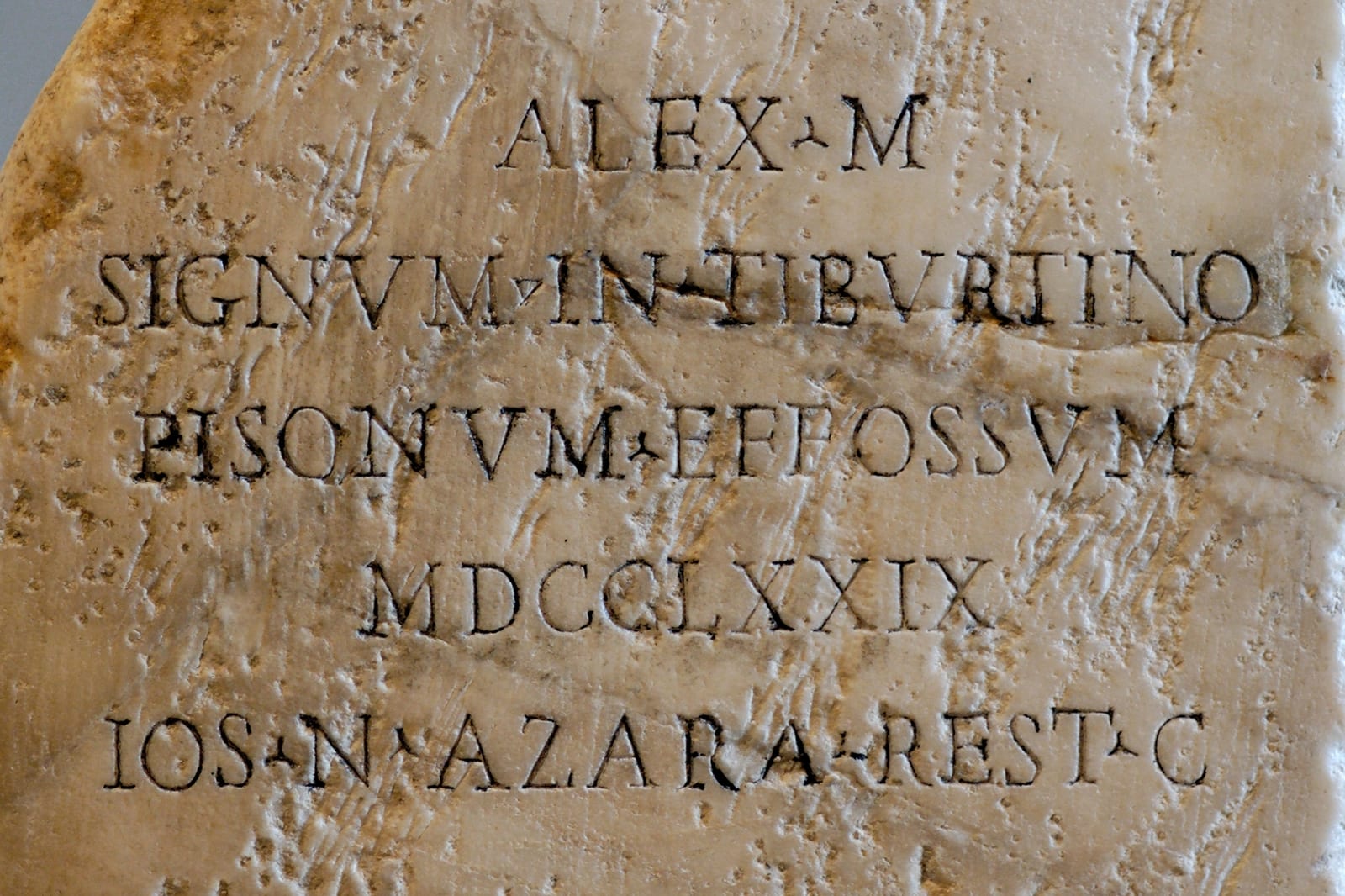
Modern Latin inscription on the left side of the Azara Herm representing Alexander the Great: “ALEX・M / SIGNVM・IN・TIBURTINO / PISONVM・EFFOSSUM / MDCCLXXIX / IOS・N・AZARA・REST・C” (“T
Copy after Lysippos, Jastrow (2007), Public domain, via Wikimedia Commons
Source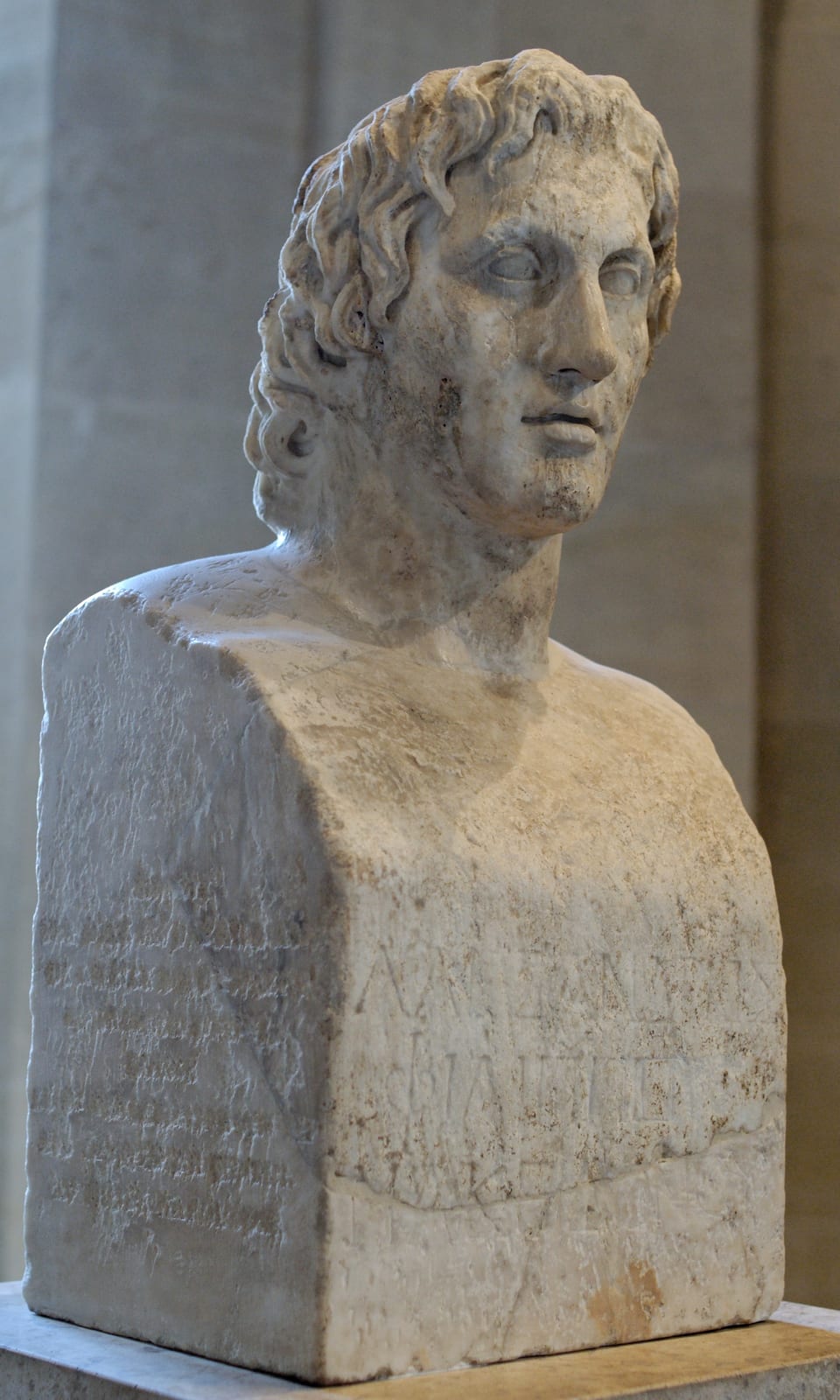
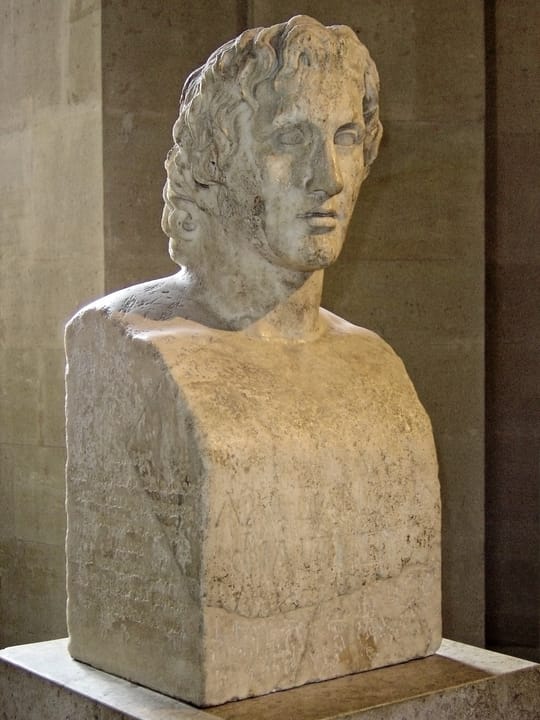
So-called “Azara Herm”: portrait of Alexander the Great. Pentelic marble, Attic copy of the 1st-2nd century CE adter a Greek original of the late 4th century BC.
Copy after Lysippos, Jastrow (2007), Public domain, via Wikimedia Commons
Source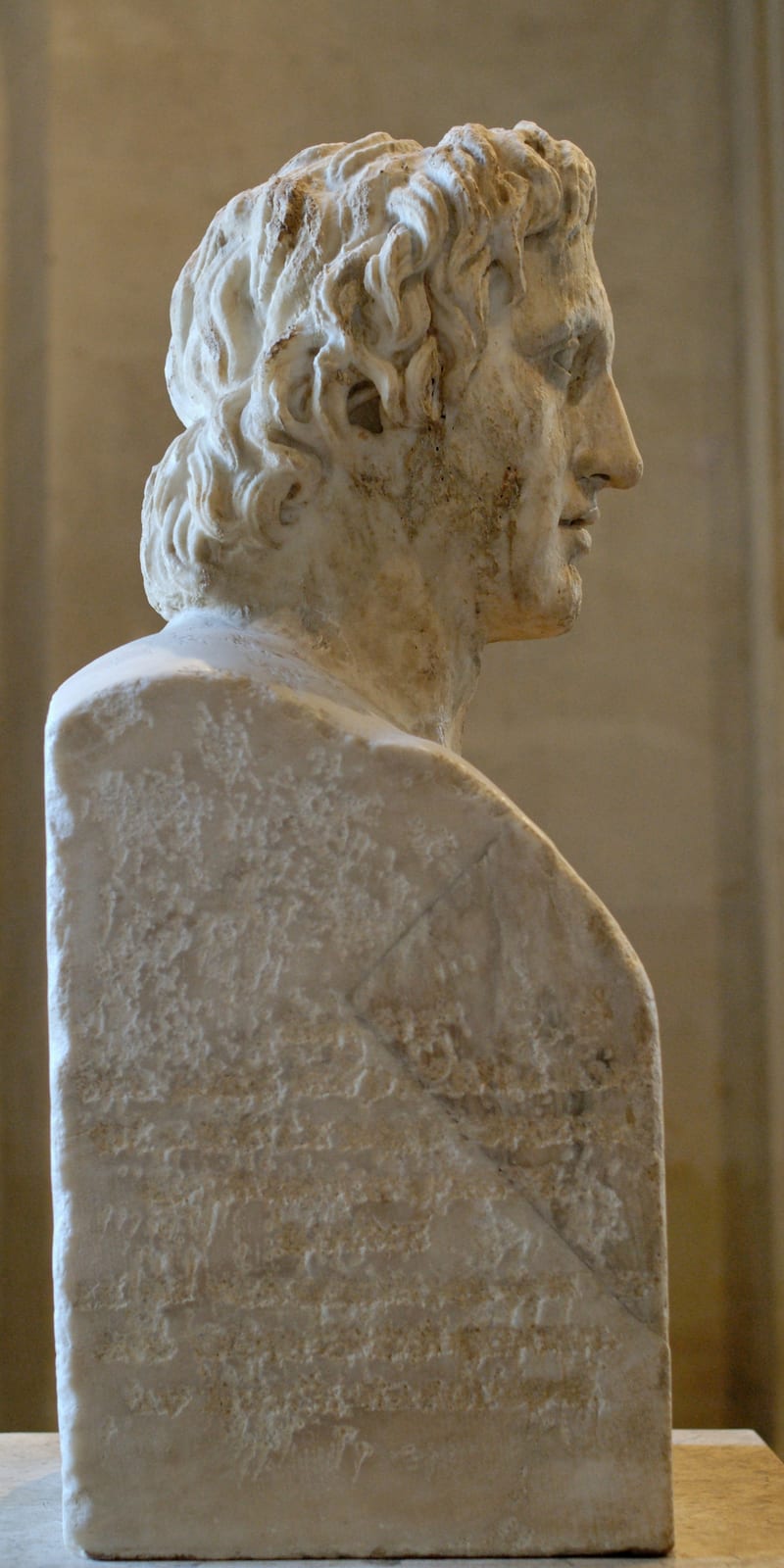
So-called “Azara Herm”: portrait of Alexander the Great. Pentelic marble, Attic copy of the 1st-2nd century CE adter a Greek original of the late 4th century BC.
Copy after Lysippos, Jastrow (2007), Public domain, via Wikimedia Commons
SourceSources
Related Memorials
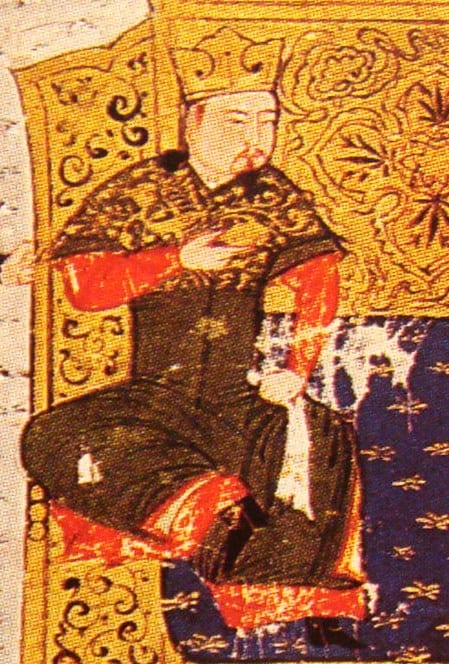
Tolui
Kharkhorin, Mongolia
A Memory Realm virtual memorial place honoring Tolui, remembered for Mongol imperial family, Military campaigns, Toluid lineage.

Subutai
Ulaanbaatar, Mongolia
A Memory Realm virtual memorial place honoring Subutai, remembered for Mongol strategy, Military campaigns, Steppe warfare.
Võ Nguyên Giáp
Hanoi, Vietnam
A Memory Realm virtual memorial place honoring Võ Nguyên Giáp, remembered for Military strategy, Vietnamese history, Dien Bien Phu.
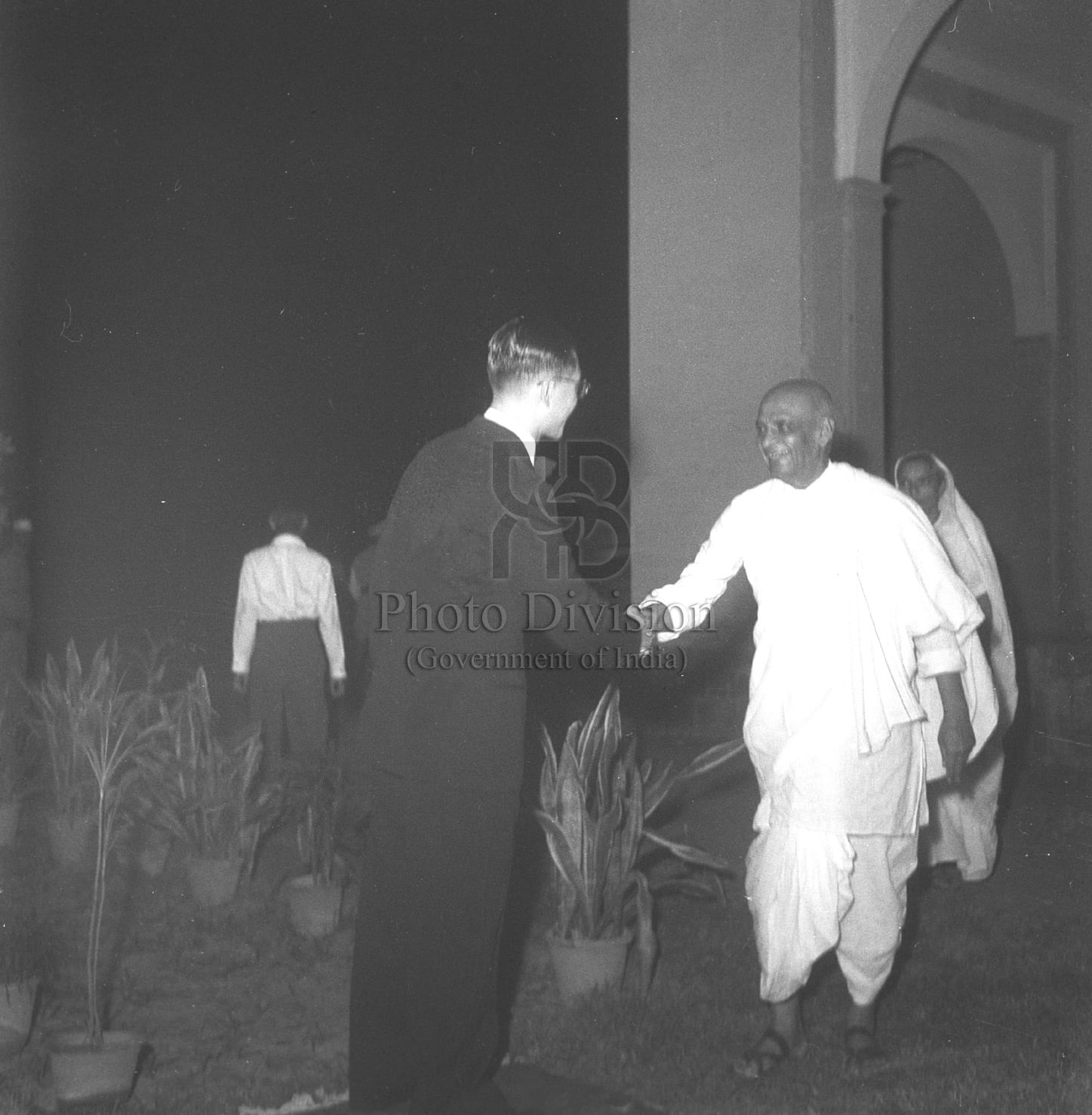
Vallabhbhai Patel
Ahmedabad, India
A Memory Realm virtual memorial place honoring Vallabhbhai Patel, remembered for Indian unification, Public administration, Independence movement.

U Thant
Yangon, Myanmar
A Memory Realm virtual memorial place honoring U Thant, remembered for United Nations, Diplomacy, Burmese public service.
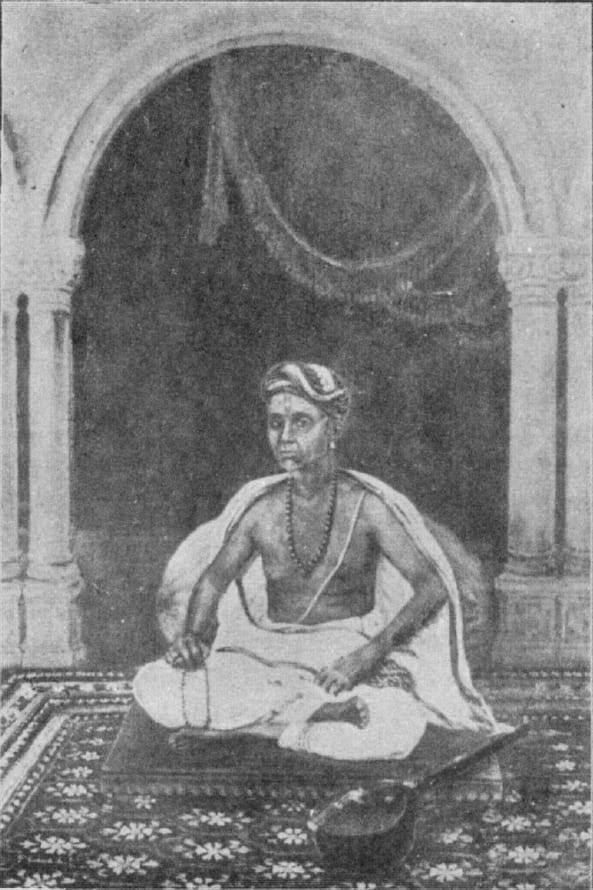
Tyagaraja
Thanjavur, India
A Memory Realm virtual memorial place honoring Tyagaraja, remembered for Carnatic music, Devotional composition, Telugu lyrics.