Virtual Memorial
Alexander Scriabin
A Memory Realm virtual memorial place honoring Alexander Scriabin, remembered for Classical music, Piano, Mystic chord.
Why Alexander Scriabin Is Remembered
Alexander Scriabin is remembered for classical music, piano, mystic chord. This public page gives visitors a concise starting point for understanding why this figure remains part of cultural, civic, scientific, or literary memory.
The page is designed as an accessible introduction rather than an exhaustive account, with source links and image credits kept visible for further reading.
A Virtual Memorial in Memory Realm
This Memory Realm memorial hall turns a map reference into a virtual place for discovery. Visitors can move from the public page to the map and then into a 3D memorial hall connected to Alexander Scriabin.
The place is part of Memory Realm's virtual layer. It is not a physical marker and does not claim rights, control, access, endorsement, or affiliation connected to a real-world site.
Place Context
Moscow, Russia is used as a broad spatial reference for this memorial hall because it is connected to Alexander Scriabin's story, memory, or public legacy. The location is intentionally city-level or region-level so the page can provide orientation without implying a claim over a specific property or institution.
Historical Context
Alexander Nikolayevich Scriabin was a Russian composer and pianist. Initially influenced by Frédéric Chopin, he composed in a relatively tonal, late-Romantic idiom. Later, independently of his contemporary Arnold Schoenberg, Scriabin developed a highly dissonant musical language that transcended traditional tonality without being strictly atonal, aligning with his personal brand of metaphysics. He embraced the concepts of Gesamtkunstwerk and synesthesia, creating a colour-coded circle of fifths inspired by theosophy to associate colours with harmonies. Scriabin is widely considered the primary Russian symbolist composer and a major figure of the Silver Age of Russian Poetry.
Memory Realm presents this context for educational discovery and remembrance, with public source links and media attribution preserved alongside the page content.
Photos
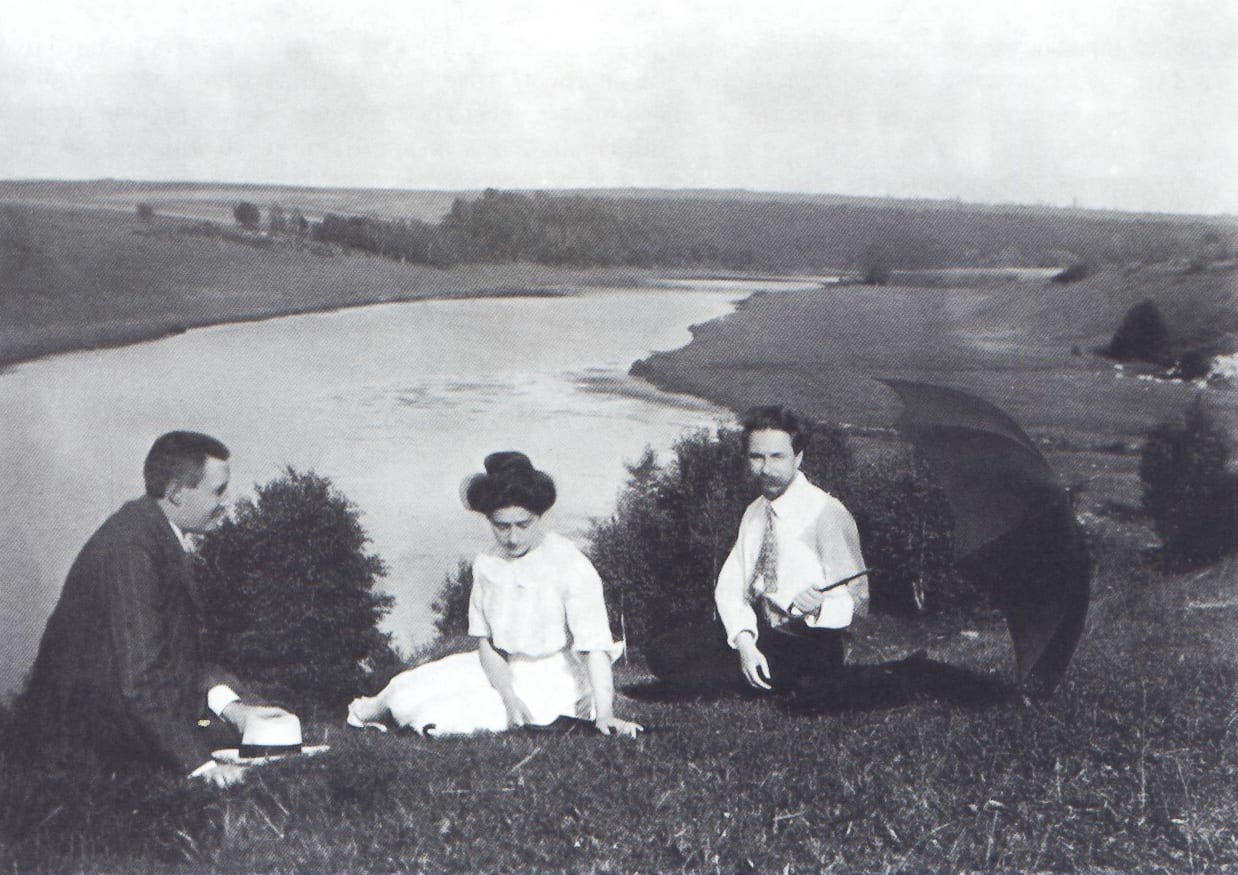
Александр Скрябин, Татьяна Шлёцер и Леонид Сабанеев на берегу Оки, 1912
А. Н. Скрябин в пространствах культуры ХХ века. — М.: Композитор, 2009. — 368 с. — ISBN 5-85285-313-5 . С. 147, Unknown source Unknown source, Public domain, via Wikimedia Commons
Source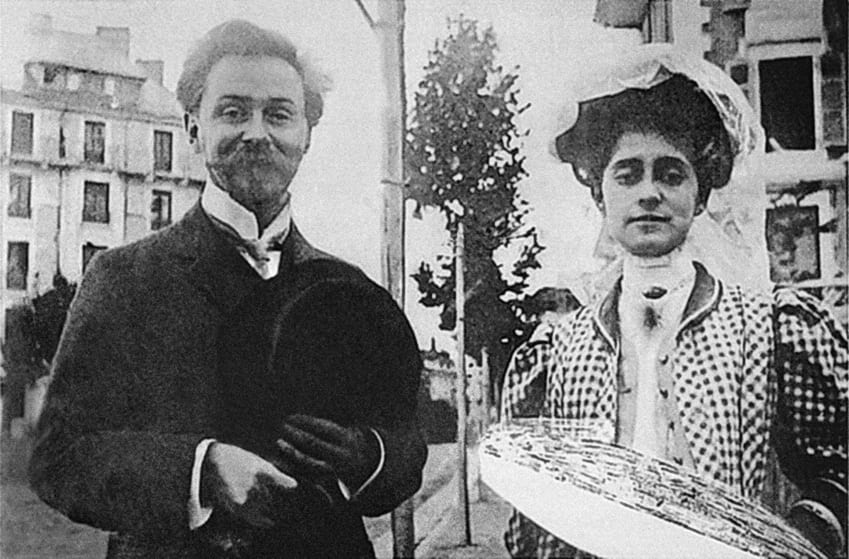
Александр Скрябин и Татьяна Шлецер в Брюсселе, 1909
Unknown author Unknown author, Бандура А. И. Александр Скрябин — Татьяна Шлёцер. — М.: Классика-XXI, 2007. — 128 с. — (Opus d’amour). — ISBN 5-89817-153-3, Public domain, via Wikimedia Commons
Source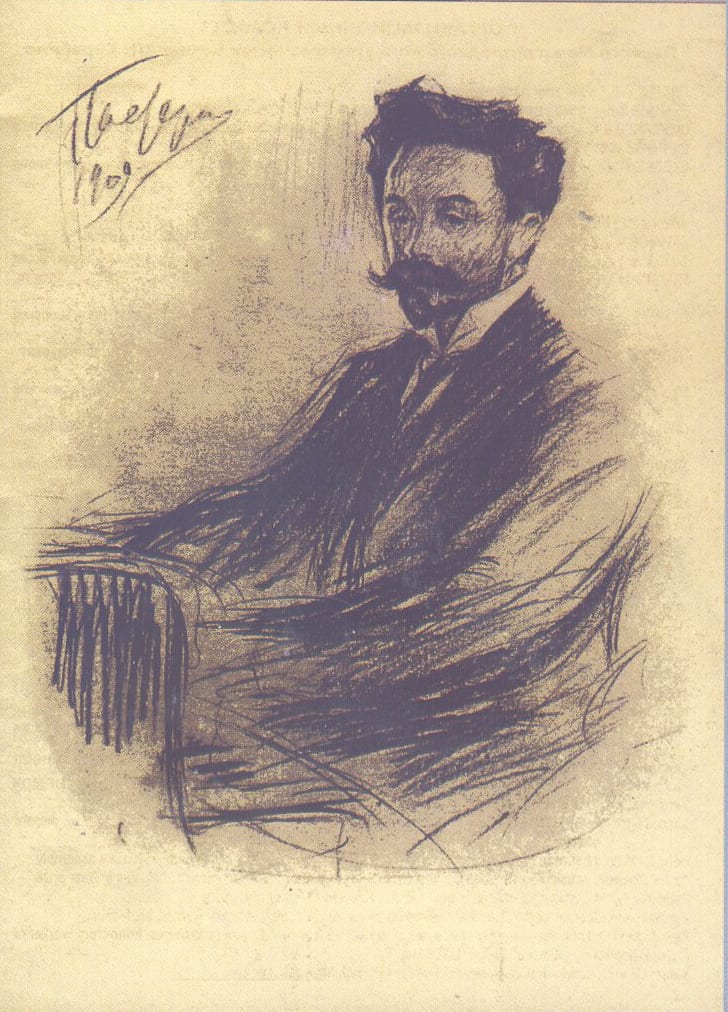
Портрет Александра Скрябина, сделанный Леонидом Пастернаком
Leonid Pasternak, А. Н. Скрябин в пространствах культуры ХХ века. — М.: Композитор, 2009. — 368 с. — ISBN 5-85285-313-5 ., Public domain, via Wikimedia Commons
SourceSources
Related Memorials
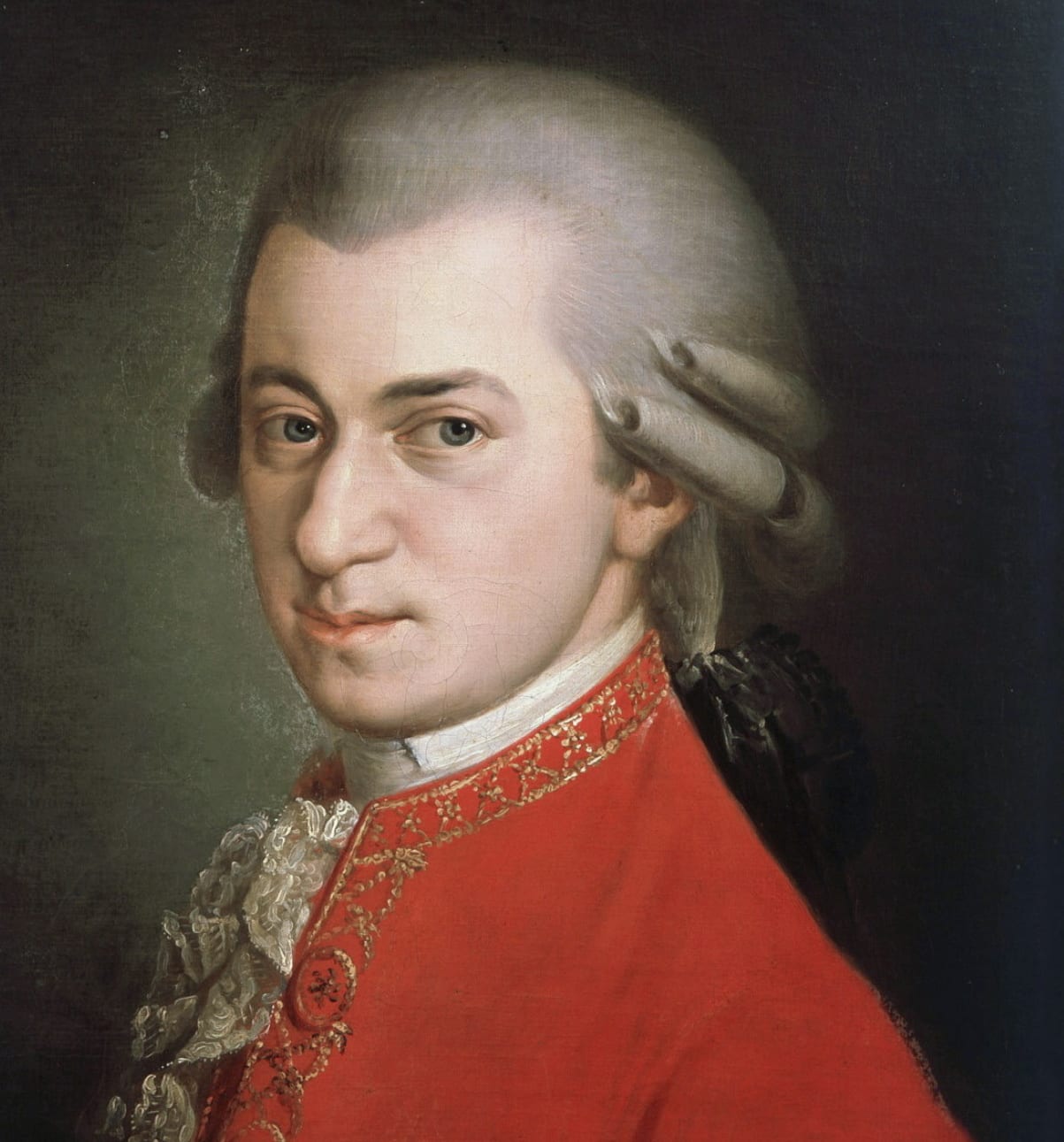
Wolfgang Amadeus Mozart
Salzburg, Austria
A Memory Realm virtual memorial place honoring Wolfgang Amadeus Mozart, remembered for Classical music, Opera, Symphonies.
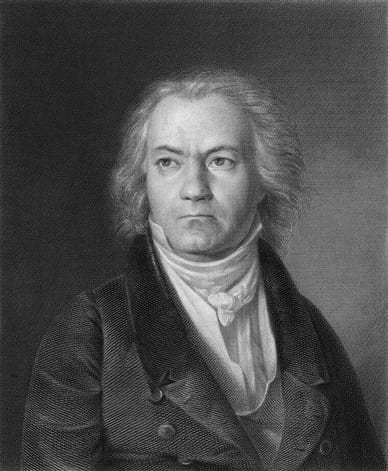
Ludwig van Beethoven
Bonn, Germany
A Memory Realm virtual memorial place honoring Ludwig van Beethoven, remembered for Classical music, Symphonies, Piano sonatas.
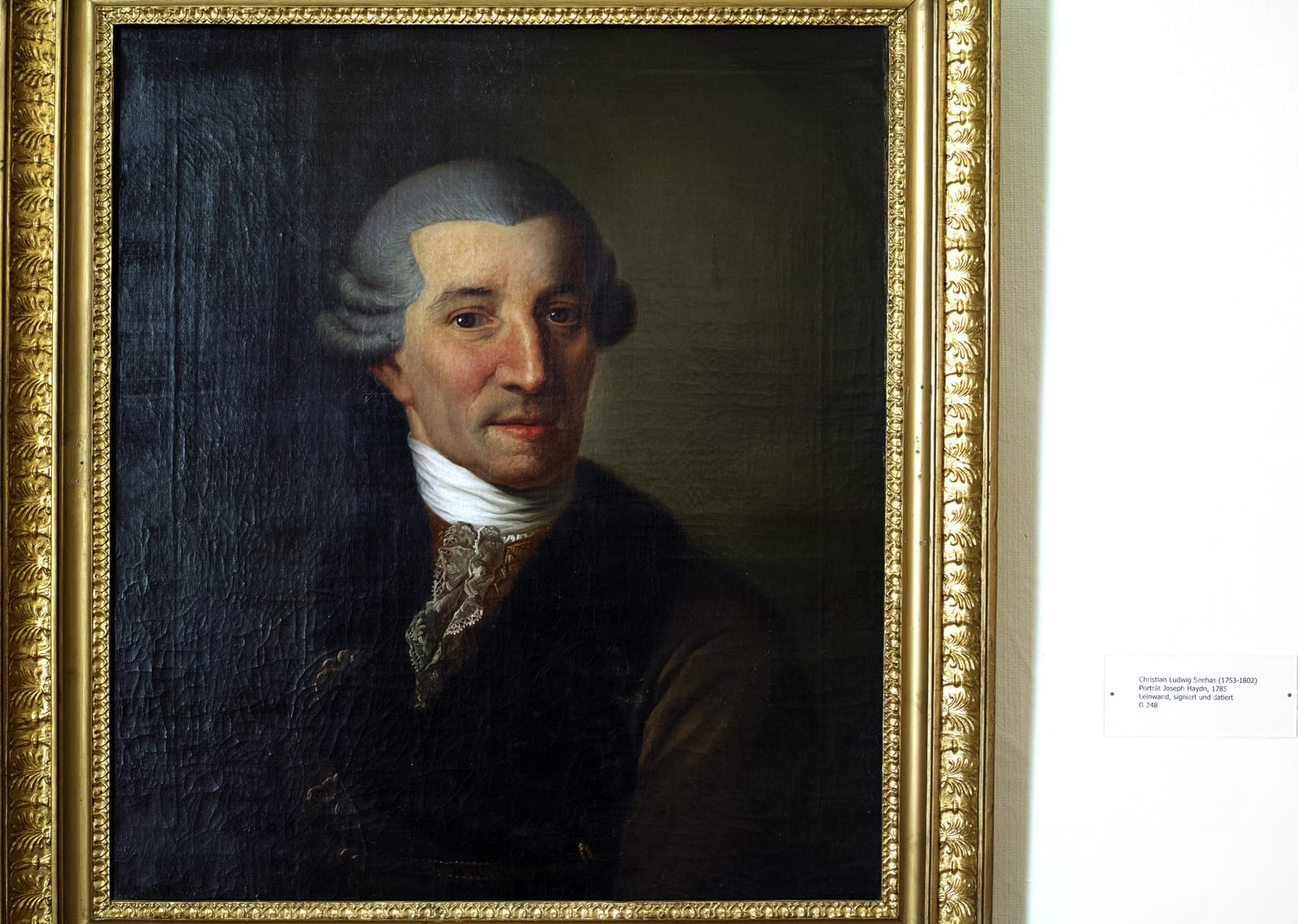
Joseph Haydn
Eisenstadt, Austria
A Memory Realm virtual memorial place honoring Joseph Haydn, remembered for Classical music, Symphonies, String quartets.
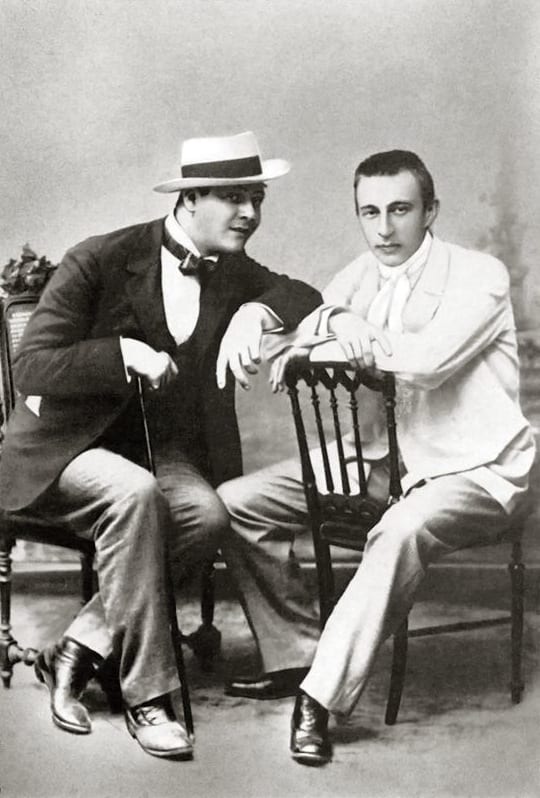
Sergei Rachmaninoff
Moscow, Russia
A Memory Realm virtual memorial place honoring Sergei Rachmaninoff, remembered for Classical music, Piano, Composition.
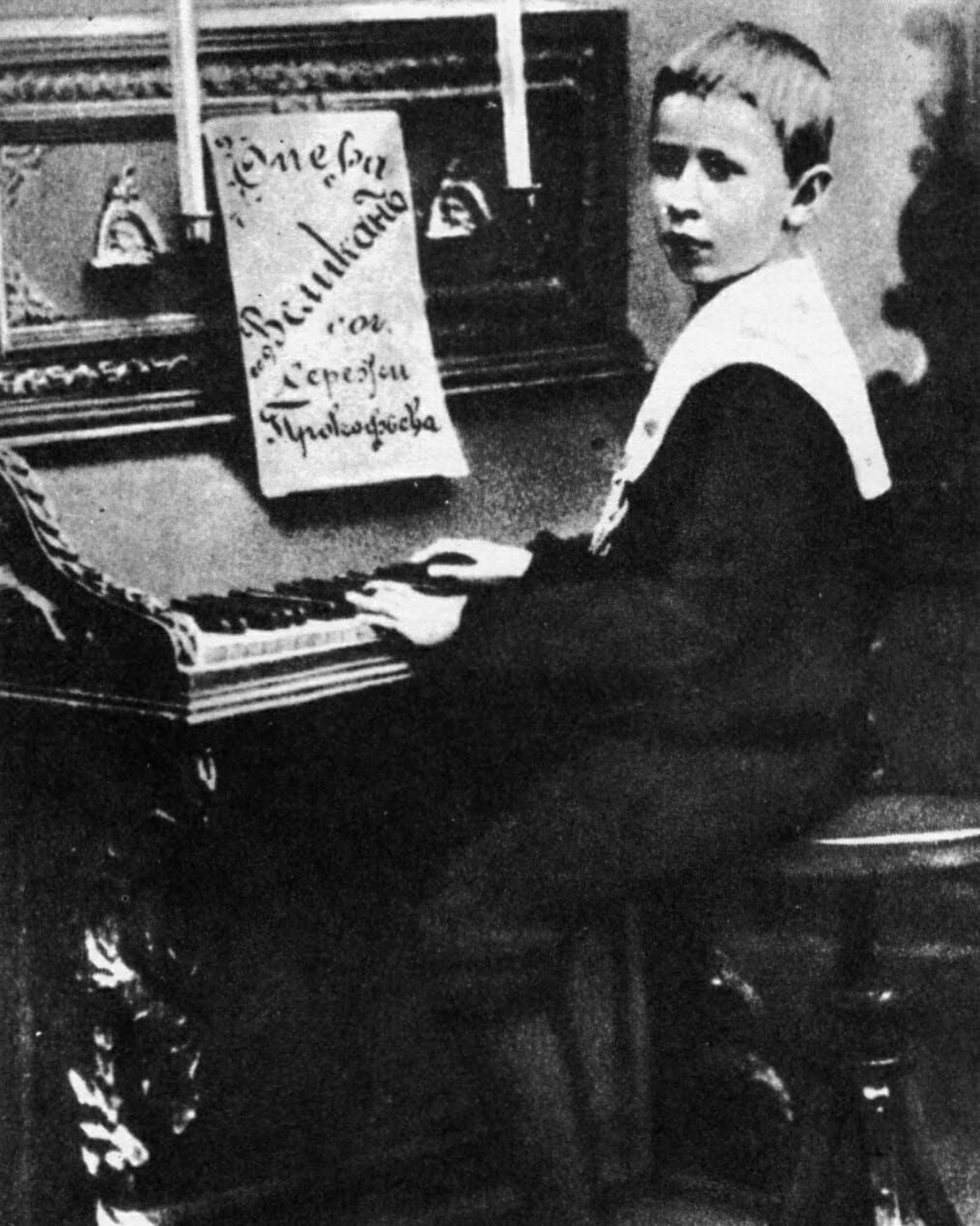
Sergei Prokofiev
Moscow, Russia
A Memory Realm virtual memorial place honoring Sergei Prokofiev, remembered for Classical music, Ballet, Soviet composition.
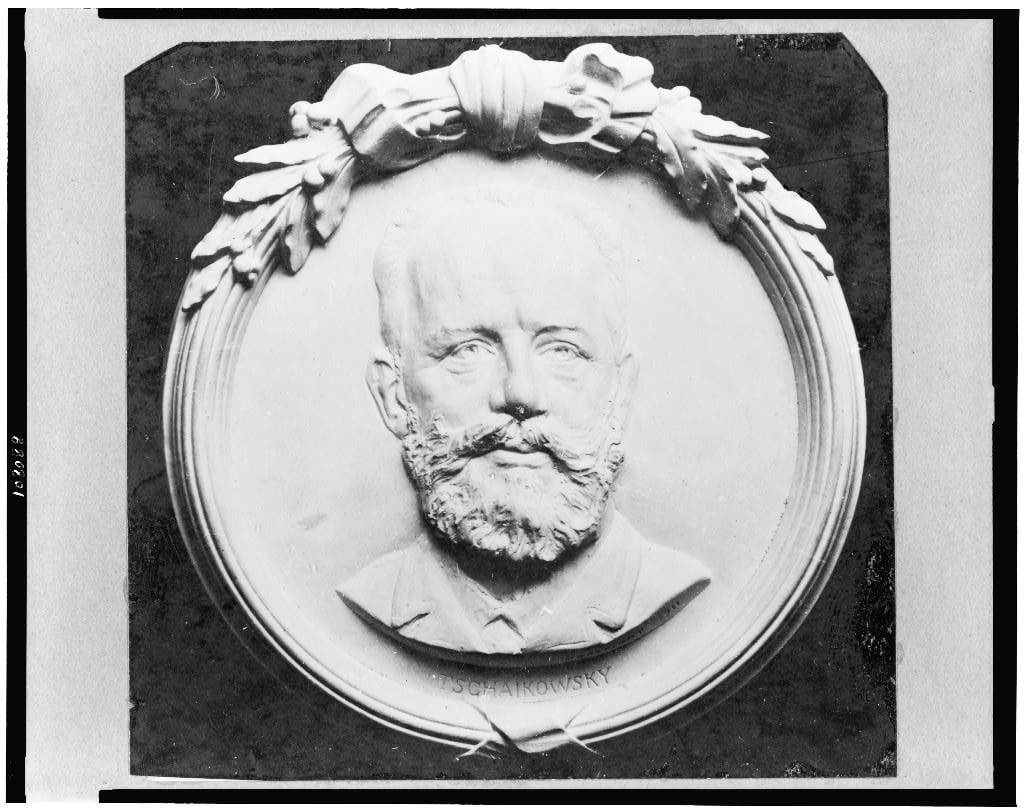
Pyotr Tchaikovsky
Klin, Russia
A Memory Realm virtual memorial place honoring Pyotr Tchaikovsky, remembered for Classical music, Ballet, Russian composition.